How to Cool Down a Car Engine Safely in Hot Weather
When your car engine overheats in scorching heat, knowing how to cool down a car engine safely can save you from costly repairs. This guide walks you through immediate actions like turning on the heat and checking coolant, plus long-term prevention tips. You’ll learn simple steps to lower engine temperature and avoid dangerous breakdowns.
Summer heat can turn a pleasant drive into a stressful situation if your car starts to overheat. How to cool down a car engine safely is a skill every driver should know. A hot engine can cause serious damage, from a blown head gasket to a cracked engine block. The good news is that a few simple actions can bring the temperature back down and protect your vehicle.
In this guide, we’ll cover everything you need to handle an overheating engine in hot weather. You’ll learn what to do the moment the temperature gauge spikes, how to check your coolant, and which parts of the cooling system need attention. We’ll also share easy prevention tips so you can avoid this problem in the future. Let’s dive in and keep your car running cool.
Key Takeaways
- Act fast: Turn off the A/C and blast the heat to pull heat away from the engine.
- Never open the radiator cap while hot: Wait for the engine to cool to avoid burns.
- Check coolant levels: Low coolant is a top cause of overheating.
- Inspect belts and hoses: Cracks or leaks can lead to sudden coolant loss.
- Pull over safely: If steam appears, stop immediately and turn off the engine.
- Prevent future overheating: Regular coolant flushes and fan checks keep your engine healthy.
📑 Table of Contents
Why Car Engines Overheat in Hot Weather
Your engine generates a lot of heat, even on a normal day. The cooling system works hard to keep temperatures in check. But when the outside air is already hot, the system has to work much harder. Hot weather driving puts extra stress on every component, from the radiator to the water pump.
Several things can cause engine overheating in high heat. A low coolant level is the most common reason. Other culprits include a broken cooling fan, a stuck thermostat, or a worn water pump. Even a small leak in a hose can lead to a sudden loss of coolant. Understanding these causes helps you act quickly and cool down a car engine safely.
The Role of Your Cooling System
The cooling system uses a mix of water and antifreeze, called coolant, to absorb heat from the engine. The water pump pushes this coolant through passages in the engine block and head. Then the hot fluid flows into the radiator, where air cools it down. A thermostat regulates the flow, and a cooling fan helps when the car is slow or idling.
When any part of this system fails, heat builds up fast. The temperature gauge on your dashboard gives you a clear warning. If it climbs into the red zone, you need to take action immediately. Ignoring it can lead to expensive repairs or even engine failure.
Common Culprits Behind Overheating
Here are the most common reasons a car overheats in hot weather:
- Low coolant: Leaks from hoses, the radiator, or the water pump reduce the fluid level.
- Faulty thermostat: A stuck thermostat blocks coolant flow, trapping heat in the engine.
- Broken cooling fan: The fan may not kick on when the car is idling or moving slowly.
- Worn water pump: A failing pump can’t circulate coolant properly.
- Clogged radiator: Dirt or old coolant can block airflow and reduce cooling efficiency.
- Bad head gasket: A blown gasket lets combustion gases leak into the cooling system, causing overheating.
Immediate Steps to Cool Down Your Engine
If you notice the temperature gauge climbing, stay calm. The first few minutes matter a lot. Acting quickly can prevent permanent damage. Here’s exactly what to do when you need to cool down a car engine safely right away.
Turn Off the A/C and Crank the Heat
This might sound counterintuitive, but it works. The A/C puts extra load on the engine, making it hotter. Turn it off immediately. Then, set the heater to full blast and roll down the windows. The heater core acts like a small radiator, pulling heat directly from the engine coolant. This simple trick can buy you valuable time.
Pull Over Safely and Let It Idle
If the temperature keeps rising, find a safe spot to pull over. Turn off the engine but leave the ignition in the on position. This keeps the cooling fan and water pump running without the engine firing. Let the car idle for a few minutes. Do not shut it off completely until the fan kicks in and the gauge starts to drop.
What to Do If Steam Starts Billowing
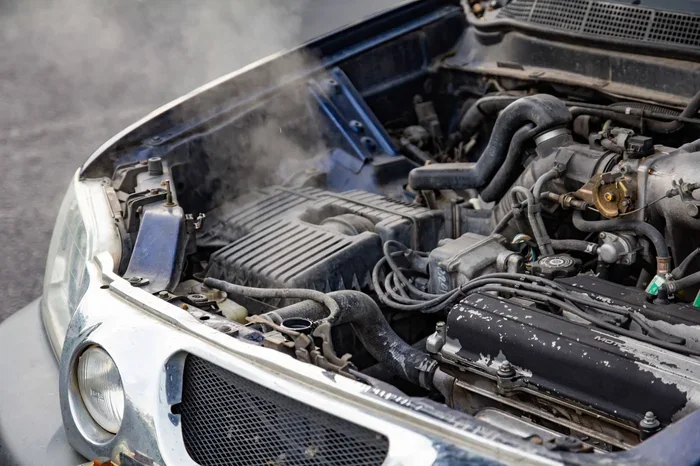
Steam from the hood means the coolant is boiling. Pull over immediately and turn off the engine. Do not open the hood right away. The pressurized steam can cause severe burns. Wait at least 15 to 20 minutes for the system to cool down. Keep a safe distance and watch for the steam to clear before you approach the engine.
Check and Top Up Your Coolant
Once the engine is cool, you can check the coolant level. This is one of the easiest ways to prevent overheating. Always let the engine cool completely before you touch anything. The radiator system is under pressure, and opening a hot cap can cause hot coolant to spray out.
How to Safely Open the Radiator Cap
Wait until the engine is completely cold. Use a thick cloth to grip the cap slowly. Turn it a quarter turn at a time to release pressure. When you hear a hiss, stop and wait a few more seconds. Then remove the cap fully. The coolant level should sit just below the neck of the radiator. If it’s low, add a 50/50 mix of coolant and distilled water.
Choosing the Right Coolant Mix
Never use plain water alone for long. It can cause corrosion and freezing issues. Use the type of coolant recommended in your owner’s manual. Most modern cars use a long-life coolant that lasts for years. If you’re topping up in an emergency, any brand of the correct color will do temporarily. Just get a proper flush and refill at your next service.
Inspect Key Cooling System Components
Overheating often points to a worn part in the cooling system. Regular checks can catch these issues early. Here’s how to inspect the main components that help cool down a car engine safely.
Radiator and Cooling Fans
Look at the radiator for any visible leaks or damage. The fins should be clean and free of debris. A clogged radiator can’t transfer heat properly. Next, check the cooling fan. When the engine reaches a certain temperature, the fan should turn on. If it doesn’t, the fan motor, relay, or temperature sensor could be faulty. Have a mechanic test these parts if needed.
Water Pump and Thermostat
The water pump is the heart of the cooling system. Listen for unusual whining or grinding noises from the front of the engine. A leak around the pump weep hole is also a clear sign of failure. The thermostat opens and closes to regulate coolant flow. If it sticks closed, the engine will overheat. Replacing a thermostat is a simple and inexpensive fix.
Hoses and Belts
Inspect the upper and lower radiator hoses for cracks, swelling, or soft spots. Squeeze them gently when the engine is cool. They should feel firm but flexible. Also check the serpentine belt that drives the water pump. A belt that’s frayed or loose can slip, causing the pump to fail. Replace any worn hoses or belts right away.
Preventive Maintenance to Avoid Overheating
The best way to handle an overheating engine is to stop it from happening. A few simple habits can keep your cooling system in top shape all summer long.
Regular Coolant Flushes and Inspections
Follow the service schedule in your owner’s manual for coolant flushes. Old coolant loses its effectiveness and can become acidic, damaging the system. A flush replaces the old fluid with fresh, protective coolant. During each oil change or service, ask the technician to check the coolant level and condition. They can also inspect the hoses, belts, and radiator for early signs of wear.
Driving Habits in Hot Weather
Your driving style matters in hot weather. Avoid heavy idling for long periods, which builds up heat. If you’re stuck in traffic, shift into neutral or park and give the engine a brief rest every few minutes. On long trips, plan stops to let the engine cool down. Also, keep an eye on the temperature gauge. Don’t ignore it if it starts to climb.
When to Call a Professional
Some overheating problems need a trained mechanic. Knowing when to call for help can save you from a major breakdown.
Warning Signs of Serious Damage
Watch for these signs that indicate a serious issue:
- The temperature gauge stays in the red even after you turn off the A/C.
- You see coolant leaking under the car, especially a bright green, orange, or pink puddle.
- The engine makes knocking or pinging sounds, which can signal a head gasket failure.
- White smoke comes from the exhaust, often a sign of coolant entering the combustion chamber.
If you notice any of these, stop driving and call for a tow. Continuing to drive can destroy the engine.
Emergency Cooling Mistakes to Avoid
Even with good intentions, some actions can make things worse. Never pour cold water into a hot radiator. The sudden temperature change can crack the engine block or warp the head. Also, don’t keep driving with the temperature gauge in the red, even if you add coolant. The underlying problem hasn’t been fixed, and you could end up with a seized engine.
Final Thoughts
How to cool down a car engine safely comes down to quick action and regular care. When the heat gauge rises, turn off the A/C, blast the heat, and pull over if needed. Always let the engine cool before you open the radiator cap. Check your coolant level, inspect hoses and belts, and listen for unusual noises. With these steps, you can handle an overheating situation confidently. More importantly, staying on top of maintenance keeps your engine healthy and your summer drives worry-free. Keep these tips in mind, and your car will thank you all season long.
Frequently Asked Questions
Can I drive with the temperature gauge in the red?
No, you should not. Driving with an overheating engine can cause serious damage like a blown head gasket or a cracked engine block. Pull over safely, turn off the engine, and let it cool down before checking the coolant level.
How long should I wait before opening the radiator cap?
Wait at least 15 to 20 minutes after turning off the engine. The cooling system is under high pressure and very hot. Opening the cap too soon can cause hot coolant to spray out and burn you.
What is the best coolant mix for hot weather?
A 50/50 mix of coolant and distilled water is recommended for most cars. This ratio protects against boiling in hot weather and freezing in cold weather. Check your owner’s manual for the exact type and mix your vehicle needs.
Why does my car overheat in traffic but not on the highway?
At low speeds or in stop-and-go traffic, the cooling fan and natural airflow may not be enough to cool the radiator. On the highway, the moving air helps cool the radiator more effectively. If this happens often, your cooling fan or thermostat might need inspection.
Can a bad thermostat cause overheating?
Yes, a stuck thermostat is a common cause. If the thermostat stays closed, coolant cannot flow to the radiator to release heat. This leads to a rapid temperature rise. Replacing a thermostat is usually an inexpensive and straightforward repair.
How often should I flush my coolant?
Most manufacturers recommend a coolant flush every 30,000 to 50,000 miles or every 2 to 5 years. Check your owner’s manual for the specific interval. Fresh coolant protects the system from corrosion and helps maintain proper engine temperature.