Can Bad Spark Plugs Cause a Car to Shake While Driving
Yes, bad spark plugs can absolutely cause a car to shake while driving. Worn or fouled spark plugs disrupt the combustion process, leading to engine misfires, rough idle, and noticeable vibration. This guide covers every symptom, cause, fix, and cost so you can get your car smooth again fast.
Your car starts to shake. It happens at a stoplight or maybe when you hit the highway. You wonder what is going on. One of the first things that comes to mind is your spark plugs.
So, can bad spark plugs cause a car to shake while driving? The short answer is yes. Bad spark plugs are one of the most common reasons a car shakes or vibrates. They are small parts, but they play a huge role in how your engine runs.
In this article, we will walk through everything you need to know. We will cover the symptoms to watch for, the underlying causes, how to fix the problem, and what it costs. Whether you are a car novice or a seasoned driver, this guide will help you understand the issue clearly.
Let us dive in and get your car feeling smooth again.
Key Takeaways
- Bad spark plugs directly cause shaking: Worn electrodes create weak or missing sparks that lead to engine misfires and vibration.
- Common symptoms include rough idle, hesitation, and reduced fuel economy: These signs are easy to spot and should never be ignored.
- Replacement cost is low: Most spark plug jobs cost between $100 and $300, making early repair a smart move.
- Ignoring the problem makes it worse: Bad plugs can damage ignition coils, catalytic converters, and other expensive parts.
- DIY replacement is possible: Many drivers can swap spark plugs at home with basic tools.
- Regular maintenance prevents the issue: Sticking to your service schedule keeps your engine running smoothly and vibration-free.
📑 Table of Contents
- What Spark Plugs Do and Why They Matter
- Can Bad Spark Plugs Cause a Car to Shake While Driving?
- Common Symptoms of Bad Spark Plugs
- What Causes Spark Plugs to Go Bad?
- How to Diagnose Spark Plug Problems
- How to Fix the Problem
- Spark Plug Replacement Cost and Maintenance Tips
- Other Causes of Car Shaking While Driving
- Why You Should Never Ignore the Shaking
- Frequently Asked Questions
- Conclusion
What Spark Plugs Do and Why They Matter
Spark plugs may be small, but they are essential. Each cylinder in your engine needs a spark to ignite the air-fuel mixture. That spark comes from the spark plug. Without a strong, consistent spark, your engine cannot run properly.
Think of spark plugs as tiny lightning bolts. They fire thousands of times per minute. Over time, they wear out. The electrode erodes. Carbon builds up. The gap between the electrodes widens. All of this affects how well they work.
How Spark Plugs Create Combustion
Here is a simple breakdown of how the process works:
- The ignition coil sends high voltage to the spark plug.
- The spark plug creates a spark across the electrode gap.
- The spark ignites the air-fuel mixture in the combustion chamber.
- The explosion pushes the piston down, creating power.
When one or more spark plugs fail to fire correctly, the combustion process suffers. This is called a misfire. A misfire means one or more cylinders are not contributing power. The result? Your car shakes, especially under load or at low speeds.
Can Bad Spark Plugs Cause a Car to Shake While Driving?
This is the question most drivers ask, and it is a very valid one. The answer is yes, and here is why. When a spark plug stops working properly, the corresponding cylinder misfires. Instead of a smooth, balanced power delivery, your engine gets jerky pulses.
You feel those pulses as shaking or vibration. The worse the spark plug condition, the worse the shaking. In mild cases, you might notice a slight vibration at idle. In severe cases, the entire vehicle trembles at highway speeds.
Bad spark plugs can cause shaking in several driving situations:
- At idle: The engine feels rough and unsteady when stopped.
- During acceleration: The car hesitates or shudders when you press the gas.
- Under load: Shaking gets worse when carrying heavy loads or climbing hills.
- At highway speeds: Constant vibration through the steering wheel or seat.
If you notice shaking in any of these scenarios, your spark plugs should be one of the first things you check.
Common Symptoms of Bad Spark Plugs
Bad spark plugs do not just cause shaking. They announce their presence through several telltale signs. Catching these symptoms early can save you from bigger repairs down the road.
Rough or Uneven Idle
A smooth idle should feel calm and steady. If your engine sounds ragged or fluctuates in RPM, worn spark plugs could be the culprit. The engine struggles to maintain a consistent combustion cycle when plugs are failing.
Engine Misfires
A misfire is one of the most obvious signs. You might feel a brief power loss or a rhythmic stumbling in the engine. Misfires often trigger the check engine light. If your dashboard warning light comes on alongside shaking, do not ignore it.
Difficulty Starting the Car
Spark plugs help start your engine. When they are worn, the spark weakens. You might notice the engine cranks longer than usual or fails to start on the first try. Cold mornings make this problem worse.
Reduced Fuel Economy
Bad spark plugs waste fuel. When combustion is incomplete, your engine works harder for less power. You fill up more often without changing your driving habits. A sudden drop in fuel economy is a red flag worth investigating.
Sluggish Acceleration
If your car feels slow to respond when you press the accelerator, misfiring spark plugs may be to blame. The engine lacks the consistent power delivery it needs for smooth acceleration.
Rough Running at Higher Speeds
Shaking that gets worse as you speed up often points to ignition problems. Worn spark plugs cannot keep up with the demands of higher RPMs, leading to a rough, vibrating ride.
What Causes Spark Plugs to Go Bad?
Spark plugs do not last forever. Several factors speed up their deterioration. Understanding the causes helps you prevent premature failure.
Normal Wear and Tear
Every spark plug has a lifespan. Copper plugs typically last about 30,000 miles. Platinum plugs can go up to 100,000 miles. Iridium plugs last even longer. As the electrode wears down, the spark becomes weaker. Eventually, the plug cannot fire reliably.
Oil Contamination
Oil leaking into the combustion chamber coats the spark plug tip. This carbon buildup prevents a clean spark. Oil contamination often signals a deeper problem, like worn valve seals or piston rings.
Carbon Fouling
Carbon deposits build up on spark plugs over time. Short trips, dirty air filters, and fuel quality all contribute. Carbon fouling creates a weak spark or no spark at all. This is one of the leading causes of engine misfire and shaking.
Incorrect Spark Plug Gap
The gap between the center and ground electrode must be precise. Too wide, and the spark cannot jump. Too narrow, and the spark is weak. An incorrect spark plug gap causes misfires and vibration.
Overheating Damage
Running the engine too hot can melt or erode spark plug electrodes. Overheating often results from cooling system issues or lean fuel mixtures. Heat damage shortens spark plug life significantly.
Using the Wrong Spark Plugs
Not all spark plugs are the same. Using the wrong type, heat range, or size can cause all kinds of problems. Always follow your vehicle manufacturer’s recommendation.
How to Diagnose Spark Plug Problems
You do not need to be a mechanic to check your spark plugs. A few simple steps can help you determine if your plugs are causing the shaking.
Step 1: Check for Warning Lights
Look at your dashboard. If the check engine light is on, get an OBD-II scanner. Misfire codes like P0300 through P0308 point directly to cylinder misfires. These codes often trace back to spark plug issues.
Step 2: Inspect the Spark Plugs
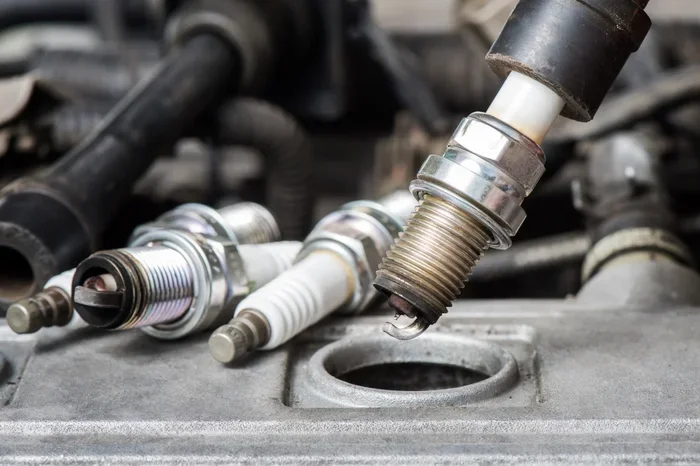
Remove each spark plug and examine it closely. Look for these signs:
- Black, sooty deposits: Indicates carbon fouling.
- White, blistered electrodes: Suggests overheating.
- Oil residue: Points to oil leaking into the combustion chamber.
- Worn or eroded electrode: Shows normal age-related wear.
- Wide electrode gap: Confirms the plug needs replacement.
Step 3: Perform a Spark Test
Remove a spark plug and reconnect it to the ignition coil. Ground the plug against the engine block. Have someone crank the engine while you watch for a strong blue spark. A weak orange spark or no spark at all means the plug is bad.
Step 4: Listen for Misfires
With the engine running, listen carefully. A rhythmic popping or stumbling sound often indicates a misfiring cylinder. You can also use a mechanic’s stethoscope to pinpoint the rough-running cylinder.
Quick Tips for Diagnosis
- Check all spark plugs, not just one. Multiple bad plugs make the problem worse.
- Compare plugs from different cylinders. Differences in color or wear tell a story.
- Do not ignore ignition coils. A failing coil can mimic bad spark plug symptoms.
- Check your spark plug wires if your vehicle uses them. Cracked wires cause the same issues.
How to Fix the Problem
Once you confirm bad spark plugs are causing your car to shake, the fix is straightforward. Here is what you need to do.
Replace the Spark Plugs
The most effective solution is replacing all spark plugs at once. Even if only one plug is bad, replacing the full set ensures consistent performance. New plugs restore the strong spark your engine needs.
Here is a simple replacement process:
- Let the engine cool completely.
- Locate the spark plugs on your engine.
- Remove the ignition coil or spark plug wire from the first plug.
- Use a spark plug socket to unscrew the old plug.
- Check the gap on the new plug and adjust if needed.
- Hand-tighten the new plug, then snug it with a torque wrench.
- Reconnect the ignition coil or wire.
- Repeat for each cylinder.
Clean vs. Replace
Some drivers wonder if they can clean old spark plugs instead of replacing them. You can use a wire brush or spark plug cleaner to remove surface deposits. However, cleaning does not restore worn electrodes. If the plug is past its service life, replacement is the only real fix.
Check and Replace Ignition Coils
Bad ignition coils can mimic spark plug symptoms. If you replace the plugs and still notice shaking, inspect the coils next. A failing coil sends inconsistent voltage to the plug, causing misfires.
Inspect Spark Plug Wires
Older vehicles use spark plug wires that can crack or degrade over time. Damaged wires let spark energy escape before it reaches the plug. Replace any wires that show signs of wear or corrosion.
When to See a Professional
Most spark plug replacements are simple DIY jobs. However, some situations warrant a trip to the shop. If you notice persistent shaking after replacing the plugs, a deeper issue may exist. Problems like fuel injector clogs, vacuum leaks, or torque converter issues can also cause vibration.
A professional mechanic can run a full engine diagnostic to rule out other causes. They can also check your engine performance sensors and computer systems for hidden problems.
Spark Plug Replacement Cost and Maintenance Tips
One of the best things about spark plug replacement is the cost. It is one of the most affordable maintenance tasks you can do.
Average Replacement Cost
The cost depends on the type of spark plugs and your vehicle. Here is a general breakdown:
- Spark plugs only: $20 to $80 for a full set.
- Labor (if done by a shop): $50 to $150 depending on engine design.
- Total DIY cost: Usually under $100.
- Total shop cost: $100 to $300 on average.
Compare this to the cost of ignoring the problem. A damaged catalytic converter from prolonged misfires can cost $1,000 or more to replace. Early spark plug replacement saves real money.
How Often Should You Replace Spark Plugs?
Check your owner’s manual for the recommended replacement interval. General guidelines are:
- Copper spark plugs: Every 30,000 miles.
- Platinum spark plugs: Every 60,000 to 80,000 miles.
- Iridium spark plugs: Every 80,000 to 100,000 miles.
Driving conditions affect lifespan too. Stop-and-go city driving, towing, and extreme temperatures all wear plugs faster. If you drive in harsh conditions, consider replacing plugs more frequently.
Maintenance Tips to Extend Spark Plug Life
- Use the spark plug type recommended by your manufacturer.
- Keep your engine tuned up. A well-maintained engine puts less stress on plugs.
- Change your air filter regularly. Clean air reduces carbon buildup.
- Avoid short trips when possible. Longer drives help burn off deposits.
- Use quality fuel. Cheap fuel contains more contaminants that foul plugs.
- Check your spark plugs during every oil change as a preventive habit.
Other Causes of Car Shaking While Driving
While bad spark plugs are a common cause, they are not the only one. If you replace your plugs and the shaking continues, consider these other possibilities.
Worn Motor Mounts
Motor mounts hold your engine in place. When they wear out, the engine shifts and vibrates excessively. A mechanic can easily inspect mounts for cracks or tears.
Damaged Axles or CV Joints
A bent axle or worn CV joint causes vibration, especially at higher speeds. You might also hear clicking noises during turns.
Wheel Imbalance
Unevenly worn tires or unbalanced wheels create shaking through the steering wheel. This is common after hitting a pothole or curb.
Brake Problems
Warped brake rotors cause vibration when you apply the brakes. The shaking stops when you release the pedal.
Fuel System Issues
Clogged fuel injectters deliver inconsistent fuel to the engine. This creates a rough, shaky running condition similar to bad spark plugs.
Vacuum Leaks
Leaks in the vacuum system allow unmetered air into the engine. This disrupts the air-fuel ratio and causes rough running and shaking.
Why You Should Never Ignore the Shaking
It is tempting to ignore a little vibration. Your car still drives, so what is the big deal? The big deal is that small problems become big expenses fast.
Bad spark plugs cause incomplete combustion. Unburned fuel passes into the exhaust system. Over time, this damages your catalytic converter. A clogged or failed catalytic converter means a very expensive repair.
Misfires also put extra strain on your engine. The unburned fuel washes oil off cylinder walls, increasing wear on pistons and rings. Your engine performance suffers across the board.
On top of that, shaking and vibration can loosen other components over time. Electrical connections, exhaust hangers, and engine mounts all take a beating from persistent vibration.
The bottom line? Address shaking early. A simple spark plug replacement today can prevent a major repair bill tomorrow.
Frequently Asked Questions
Can bad spark plugs cause a car to shake at idle?
Yes, absolutely. Bad spark plugs often cause the most noticeable shaking at idle. When the engine is stationary, you feel every misfire pulse directly through the vehicle. A rough or uneven idle is one of the earliest and most common symptoms of worn spark plugs.
How much does it cost to replace spark plugs?
Most spark plug replacements cost between $100 and $300 total. The spark plugs themselves run $20 to $80, and labor adds $50 to $150 if you go to a shop. Doing it yourself cuts the cost significantly.
Can I drive with bad spark plugs?
You can drive short distances with bad spark plugs, but it is not recommended. Continued driving with misfiring plugs can damage your catalytic converter, reduce fuel economy, and strain your engine. Get them replaced as soon as possible.
How often should I check my spark plugs?
Inspect your spark plugs every 30,000 miles or during every oil change. Regular visual checks help you catch problems early before they cause shaking or other drivability issues.
Will new spark plugs stop my car from shaking?
In most cases, yes. New spark plugs restore a strong, consistent spark to each cylinder. This eliminates misfires and the resulting vibration. If shaking continues after replacement, the cause is likely something else like motor mounts or wheel balance.
What is the difference between spark plugs and ignition coils?
Spark plugs create the spark that ignites fuel in the combustion chamber. Ignition coils generate the high voltage needed to create that spark. A failing coil can cause the same symptoms as bad spark plugs, so both should be checked when diagnosing shaking.
Conclusion
So, can bad spark plugs cause a car to shake while driving? The answer is a clear yes. Worn, fouled, or damaged spark plugs disrupt the combustion process, leading to misfires, rough idle, and noticeable vibration throughout the vehicle.
The good news is that this is one of the easiest and most affordable problems to fix. Replacing your spark plugs takes little time and minimal cost. You can do it yourself or visit a shop for a quick service job. Either way, the results are immediate.
Do not let shaking and vibration go unchecked. Your spark plugs are a small part with a big impact. Keeping them in good condition means a smoother ride, better fuel economy, and a healthier engine for years to come. Take action today, and your car will thank you tomorrow.