Can You Replace Just the Rubber on Your Wiper Blades
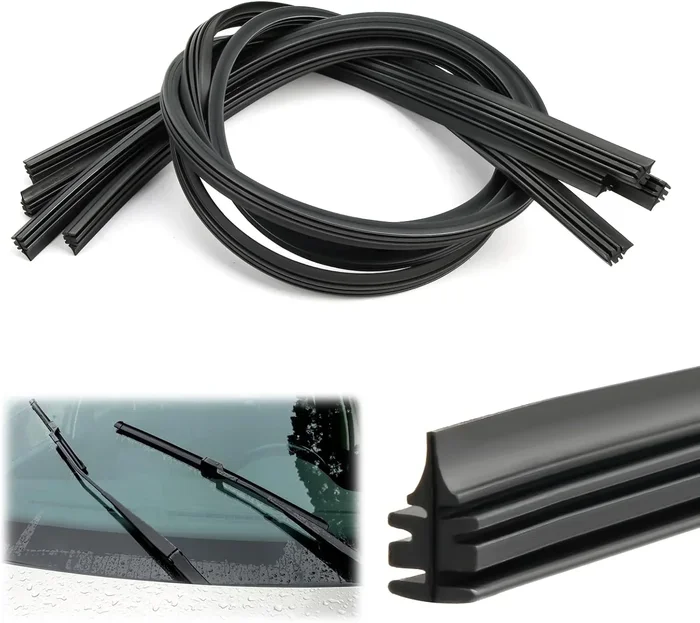
Can You Replace Just the Rubber on Your Wiper Blades? Yes, and it is a simple, cost-saving fix that many drivers overlook. This guide shows you how to swap out the rubber insert instead of the entire assembly, helping you save money and reduce waste. You will learn exactly when refilling works, what tools you need, and how to avoid common mistakes. By the end, you will know how to keep your windshield clear without the full replacement cost.
Ever noticed your wipers leaving streaks or making a chattering noise across the glass? The rubber squeegee is often the culprit, not the whole blade assembly. Many car owners do not realize that the metal frame and plastic housing can still be in perfect shape while the rubber insert is worn out. Replacing just the rubber insert is a quick fix that can extend the life of your wipers by another season or more.
Can You Replace Just the Rubber on Your Wiper Blades? Absolutely, and it is one of the easiest maintenance tricks you can learn. Instead of tossing the entire blade into the recycling bin, you can swap in a fresh rubber insert and get like-new performance for a small fraction of the price. This guide walks you through the process step by step, from buying the right insert to installing it without any fuss. You will also discover when refilling makes sense and when a full blade replacement is the smarter move.
Key Takeaways
- Replacing just the rubber is possible on many wiper blades: If the frame is still in good shape, a rubber insert can restore clear wiping.
- Rubber inserts cost a fraction of a full blade: You can save up to 70% compared to buying a new wiper blade assembly.
- Not all blades support refilling: Beam blades and some modern designs often have sealed, non-replaceable rubber.
- Proper installation matters: Taking a few extra minutes to clean the frame and seat the insert correctly prevents streaking and chattering.
- Know when to replace the whole blade: Bent frames, rust, or loose joints mean a full replacement is the safer bet.
- Regular maintenance extends blade life: Cleaning your wipers and the windshield monthly can add months of life to the rubber.
📑 Table of Contents
Why You Might Want to Replace Just the Rubber
Save Money and Reduce Waste
A full wiper blade assembly can cost anywhere from $15 to $50 or more per blade, depending on the vehicle and brand. A rubber insert, on the other hand, often costs just a few dollars. By choosing a wiper blade refill, you keep money in your pocket and keep a perfectly good metal frame out of the landfill. This small change adds up, especially if you replace blades twice a year as most experts recommend.
When the Blade Frame Is Still in Good Shape
The metal frame and plastic adapter are built to last many years. If the frame is not bent, rusted, or loose, there is no reason to replace the entire unit. The only part that wears out is the rubber compound that presses against the windshield. Swapping the insert lets you keep a reliable frame and simply refresh the part that does the actual work. This approach works especially well for conventional blade designs with exposed metal arms.
How Wiper Blades Are Built
The Anatomy of a Wiper Blade
Every wiper blade has three main parts. The rubber squeegee is the flexible strip that touches the glass and sweeps away water. The metal frame holds the squeegee in place and connects to the wiper arm. The adapter is the small piece that locks the blade onto the wiper arm hook. Understanding these parts helps you see why replacing just the rubber is possible in many cases.
OEM vs. Aftermarket Rubber Inserts
Original Equipment Manufacturer (OEM) inserts are made by the same company that supplied the blade when the car was new. Aftermarket refills are made by third-party companies and often cost less. Both types can work well, but it is important to match the insert length and attachment style to your blade model. Check your owner’s manual or the old insert for the correct size before you buy.
The Pros and Cons of Refilling vs. Replacing the Whole Blade
Deciding between a rubber insert and a new blade comes down to a few simple factors. Here is a quick comparison to help you choose.
| Factor | Refill Rubber Insert | Full Blade Replacement |
|---|---|---|
| Cost | $2–$8 per insert | $15–$50+ per blade |
| Time Required | 5–10 minutes | 5–10 minutes |
| Frame Condition | Best when frame is like new | Works for any frame |
| Compatibility | Only for blades with replaceable inserts | Works with all blade types |
| Environmental Impact | Less waste | More materials used |
| Performance | Like-new if installed correctly | Like-new out of the box |
Pros of Replacing Just the Rubber
- Significantly lower cost per replacement.
- Keeps a sturdy frame in service longer.
- Reduces plastic and metal waste.
- Easy to do at home with basic tools.
- Fits well when you match the insert exactly.
Cons and Limitations
- Not all wiper blades have replaceable rubber inserts.
- Beam blades and some modern designs use sealed rubber that cannot be refilled.
- An insert that is the wrong size can cause streaking or skipping.
- Older frames may have hidden corrosion that shortens the life of the new insert.
Can You Replace Just the Rubber? A Step-by-Step Guide
Yes, you can replace just the rubber on your wiper blades, and the process is simpler than most people think. Follow these steps to get a clean, streak-free result.
What You Will Need
- A replacement rubber insert sized for your blade.
- A flat-head screwdriver or a dedicated blade tool.
- Rubbing alcohol or windshield washer fluid.
- A clean microfiber cloth.
Removing the Old Rubber
- Lift the wiper arm away from the windshield and turn the blade sideways.
- Locate the small clip or tab that holds the rubber insert in the frame.
- Slide the screwdriver under the clip and gently pry it up to release the old insert.
- Pull the worn rubber out of the frame channels. Take note of how it was seated so you can replicate it.
Installing the New Insert
- Clean the inside of the frame channels with rubbing alcohol to remove old grime.
- Slide the new rubber insert into the channels, making sure it sits evenly on both sides.
- Push the insert all the way in until the clips snap back into place.
- Gently pull on the insert to confirm it is secure and does not slip out.
Quick Tips for a Perfect Fit
- Align the insert so the wiper curvature matches the windshield shape.
- Do not overtighten any clips, as this can crack the plastic frame.
- Wipe the new rubber with a little washer fluid before using it to remove any factory residue.
- Test the wipers on a wet windshield at low speed first to check for even contact.
When It Is Better to Buy a New Blade
Signs Your Frame Is Worn Out
If the metal arms are bent, rusted, or loose, a new rubber insert will not fix the problem. A bent frame causes uneven pressure, which leads to streaking and chattering no matter how new the rubber is. In these cases, a full blade replacement is the smarter choice. Look for any visible damage or wobble in the frame before you decide to refill.
Upgrading to Modern Blade Designs
Many newer vehicles use beam blades or winter wiper blades that have a sleek, frameless design. These blades often seal the rubber inside a plastic shell, making the insert non-replaceable. If you want to upgrade to a better-performing blade, replacing the whole unit lets you switch to a beam or winter design that fits your climate. Beam blades typically last longer and leave fewer streaks than conventional frames.
Warranty and Compatibility Considerations
Some vehicle warranties cover wiper blades as maintenance items. Using an aftermarket insert may or may not affect that coverage, so it is worth checking your owner’s manual. Also, not all adapters are universal. Make sure the new blade or insert matches the hook style on your wiper arm, whether it is a bayonet, pin, or side-lock adapter.
Common Mistakes to Avoid
Forcing the Rubber Into Place
If the insert does not slide in easily, do not force it. The channels may be clogged with old debris, or the insert may be the wrong size. Forcing it can tear the rubber or break the plastic clips. Take a moment to clean the frame and verify the part number before trying again.
Ignoring the Adapter
The adapter is the small piece that connects the blade to the wiper arm. When you replace just the rubber, the adapter stays on the frame. But when you replace the whole blade, the new unit comes with its own adapter. If you mix parts from different blades, the fit may be loose and the blade can flap or vibrate at highway speeds.
Skipping the Cleaning Step
Old rubber residue and road grime can build up inside the frame channels. If you do not clean them out before inserting the new rubber, the insert may not seat properly. A quick wipe with rubbing alcohol and a cloth makes a big difference in how smoothly the new rubber glides across the windshield.
Expert Insights on Wiper Blade Maintenance
How Often Should You Replace Wiper Rubber?
Most experts recommend replacing wiper rubber every 6 to 12 months, depending on your driving conditions. If you live in a sunny, dry climate, the UV rays can dry out the rubber faster. In cold, snowy climates, ice and road salt wear down the edge quickly. A good rule of thumb is to inspect the rubber every time you wash your car. If you see cracks, tears, or uneven edges, it is time for a new insert or a full blade swap.
Seasonal Tips for Longer Blade Life
- Lift the wipers off the windshield during winter freezes to prevent the rubber from sticking and tearing.
- Clean the windshield wiper blades with a damp cloth and a drop of dish soap once a month.
- Avoid using wipers to scrape thick ice; use an ice scraper instead.
- Park in the shade or a garage when possible to reduce UV exposure.
Can You Replace Just the Rubber on Your Wiper Blades? Yes, and doing so is a smart, eco-friendly way to maintain clear visibility without overspending. A rubber insert costs very little, takes minutes to install, and keeps a good frame out of the trash. Just remember that this trick works best when the frame is still in solid condition and the blade design supports a replaceable insert. If your frame is damaged or you want a modern upgrade, a full blade replacement gives you a fresh start.
Take a few minutes to inspect your wipers today. Check for streaking, chattering, or visible wear on the rubber edge. If the frame looks fine, a simple rubber refill might be all you need. You will enjoy a quieter, streak-free ride and the satisfaction of getting the most out of your existing equipment. Keep your windshield clear, your wallet happy, and your wipers performing at their best with this easy maintenance habit.
Frequently Asked Questions
Can You Replace Just the Rubber on Any Wiper Blade?
No, not all wiper blades allow for a rubber-only replacement. Conventional blades with exposed metal frames often have replaceable inserts, but many modern beam blades and winter blades use a sealed rubber that cannot be refilled. Check your blade design before buying an insert.
How Do I Know What Size Rubber Insert to Buy?
Look at the old insert for a part number or length marking. You can also check your vehicle owner’s manual or use an online parts catalog. Measure the insert from end to end if no markings are visible, and match that size when you shop.
Is Refilling Wiper Blades Cheaper Than Buying New Ones?
Yes, a rubber insert typically costs a few dollars, while a full blade assembly can cost $15 or more. The savings add up if you replace blades twice a year. Refilling is one of the easiest ways to cut your car maintenance costs.
Will a Rubber Insert Perform as Well as a New Blade?
If the frame is in good condition and the insert is installed correctly, the performance will be nearly identical to a new blade. You may notice a slight difference in wipe quality if the frame has minor wear, but most drivers will not notice.
How Long Does a Replaced Rubber Insert Last?
A quality rubber insert can last 6 to 12 months, similar to a new blade. The lifespan depends on driving conditions, how often you use the wipers, and whether you keep the rubber clean. Inspect the insert regularly for cracks or uneven edges.
What Happens If I Use the Wrong Size Insert?
An insert that is too short or too long will not seat properly in the frame channels. This can cause streaking, skipping, or the insert popping out while driving. Always double-check the size and model number before you install a new rubber strip.