Can I Still Drive My Car If It Says Engine Malfunction
Seeing “Engine Malfunction” on your dashboard can be scary, but it does not always mean you need to stop driving right away. The check engine light can signal anything from a loose gas cap to a serious engine problem. Understanding what the warning means helps you make smart decisions about whether to keep driving or pull over safely. This guide breaks down every scenario so you know exactly what to do when your car warns you about an engine issue.
Key Takeaways
- A steady check engine light: usually means you can drive a short distance, but you should get it checked soon.
- A flashing engine light: signals a serious problem like engine misfire, and you should stop driving immediately.
- Common causes include: loose gas caps, faulty oxygen sensors, bad spark plugs, and catalytic converter issues.
- Driving with an engine malfunction: can cause more damage and lead to expensive repairs if ignored.
- An OBD scanner: helps you read diagnostic trouble codes and understand the problem faster.
- Limp mode: is your car’s safety feature that limits power when it detects a serious issue.
- Regular car maintenance: can prevent many engine warning lights from appearing in the first place.
📑 Table of Contents
- Can I Still Drive My Car If It Says Engine Malfunction?
- Common Reasons Your Car Shows an Engine Malfunction Warning
- Risks of Driving with an Engine Malfunction Light On
- What Should You Do When the Light Comes On?
- How Much Does It Cost to Fix an Engine Malfunction?
- Can You Drive Long Distance with an Engine Malfunction Light?
- Preventing Engine Malfunction Warnings
- Expert Insights on Dashboard Warning Lights
- When to Tow Instead of Drive
- Final Thoughts on Driving with an Engine Malfunction Warning
Can I Still Drive My Car If It Says Engine Malfunction?
You are driving along, and suddenly a yellow or orange light pops up on your dashboard. It says something like “Engine Malfunction” or shows an engine icon. Your heart drops. You wonder, “Can I still drive my car if it says engine malfunction?” The short answer is: it depends. But the longer answer matters a lot more, and it could save you hundreds — or even thousands — of dollars in repairs.
Dashboard warning lights are your car’s way of talking to you. When the engine malfunction light comes on, your vehicle is trying to tell you something. Sometimes the message is minor. Other times, it is a loud scream for help. Understanding the difference between these situations is the key to protecting your car and your wallet. Let us walk through everything you need to know about driving with an engine warning light on.
What Does the Engine Malfunction Light Mean?
The engine malfunction light is part of your car’s onboard diagnostics system. This system is called OBD, which stands for On-Board Diagnostics. When the car’s computer — also known as the ECU or Engine Control Unit — detects a problem, it triggers the warning light. The light can appear in different ways, and each type sends a different message.
A steady yellow light usually means the issue is not an emergency. A flashing red or orange light, on the other hand, means something is seriously wrong. Think of the steady light as a nudge and the flashing light as a shout. Both need attention, but the flashing light needs it now.
Steady Light vs. Flashing Light: What Is the Difference?
This is one of the most important distinctions to understand. The way the light behaves tells you a lot about how urgent the problem is.
Steady Engine Light: A steady light means the car’s computer has stored a diagnostic trouble code. This could be caused by something simple like a loose fuel cap or something more complex like a failing oxygen sensor. You can usually drive a short distance with a steady light, but you should schedule a car maintenance check soon.
Flashing Engine Light: A flashing light almost always points to a major issue. The most common culprit is an engine misfire. When the engine misfires, unburned fuel can flood the catalytic converter. This can cause severe damage to your exhaust system. If your engine light is flashing, you should pull over safely and avoid driving the car.
Common Reasons Your Car Shows an Engine Malfunction Warning
When the engine malfunction light turns on, there are many possible reasons. Some are easy and cheap to fix. Others require professional engine repair. Here are the most common causes that trigger this warning.
Loose or Faulty Gas Cap
This might sound too simple to be true, but a loose gas cap is one of the top reasons the check engine light comes on. The gas cap seals the fuel system and keeps pressure inside the tank. When it is loose or damaged, fuel vapors escape, and the car’s computer detects a problem. Before you panic, try tightening the cap. If the light was just a loose cap, it often goes off after a few miles of driving.
Faulty Oxygen Sensor
The oxygen sensor measures how much unburned oxygen is in your car’s exhaust. It helps the engine burn fuel efficiently. When the sensor fails, your car uses more fuel than it should, and emissions go up. A bad oxygen sensor is a common engine performance issue, and it is relatively affordable to replace.
Bad Spark Plugs or Ignition Coils
Spark plugs ignite the fuel-air mixture in your engine’s cylinders. Over time, they wear out. When they do, the engine may misfire, run rough, or hesitate when you accelerate. Ignition coils work alongside spark plugs to create the spark. A failing coil can cause the same symptoms. Both issues are common reasons for an engine malfunction warning.
Catalytic Converter Problems
The catalytic converter is part of your car’s exhaust system. It converts harmful gases into less harmful emissions. When it fails, the engine light comes on, and you may notice reduced power, poor fuel economy, or a rotten egg smell. Catalytic converter repair can be expensive, which is why early detection matters.
Mass Airflow Sensor Issues
The mass airflow sensor tells the car’s computer how much air is entering the engine. This information helps the system deliver the right amount of fuel. A dirty or failing airflow sensor causes poor engine performance, stalling, and reduced fuel efficiency. Cleaning or replacing this sensor is usually straightforward.
Risks of Driving with an Engine Malfunction Light On
So, can you still drive your car? Yes, in many cases — but there are real risks you need to understand before you turn the key.
Engine Damage
Ignoring an engine warning light can turn a small problem into a big one. For example, an engine misfire that goes unchecked can damage the catalytic converter. What starts as a $50 spark plug fix can turn into a $1,000 repair. Driving with a known engine issue puts extra stress on other components.
Reduced Fuel Efficiency
Many problems that trigger the engine malfunction light also hurt your fuel economy. A failing oxygen sensor or a dirty airflow sensor can cause your car to burn more fuel than necessary. You will notice this at the pump. If your gas mileage drops suddenly, the engine warning light is often the reason.
Safety Concerns
Some engine problems affect how your car drives. You might experience sudden power loss, stalling, or difficulty accelerating. These issues are dangerous, especially at highway speeds or in heavy traffic. Vehicle safety should always come first when your dashboard is flashing warnings.
Limp Mode: What Happens When Your Car Limits Itself
Many modern vehicles have a safety feature called limp mode. When the car’s computer detects a serious problem, it activates limp mode to protect the engine. In limp mode, your car’s speed is limited — usually to around 30 to 45 miles per hour. The engine may feel sluggish, and you might not be able to shift gears normally. If your car enters limp mode, it is telling you to stop driving and get help.
What Should You Do When the Light Comes On?
Now that you know the risks, let us talk about what you should actually do when the engine malfunction light appears. These steps will help you handle the situation calmly and effectively.
Step 1: Stay Calm and Assess the Situation
Do not slam on the brakes or pull over on a highway unless you feel unsafe. First, check how the car is driving. Is it running smoothly? Is there any unusual noise, vibration, or smoke? If the car feels normal and the light is steady, you can drive carefully to a safe location or mechanic.
Step 2: Check for Obvious Issues
Look at your gauges. Is the temperature gauge in the normal range? Is the oil pressure light also on? If your car is overheating or showing multiple warning lights, stop driving right away. If the engine malfunction light is the only warning, check the gas cap and make sure it is tight.
Step 3: Use an OBD Scanner
An OBD scanner is one of the best tools for any car owner. This device plugs into a port under your dashboard and reads the diagnostic trouble codes stored in your car’s computer. You can buy a basic scanner for under $30, or many auto parts stores will read the codes for free. The codes tell you exactly what the car’s computer has flagged, which helps you understand the problem faster.
Step 4: Drive Safely and Get Help
If the light is steady and the car drives normally, head to a mechanic as soon as you can. Avoid long highway trips and heavy acceleration. If the light starts flashing, find a safe place to park and call for roadside assistance. Do not keep driving a car with a flashing engine light.
How Much Does It Cost to Fix an Engine Malfunction?
The repair cost depends entirely on what is causing the warning light. Here is a rough breakdown of common fixes and their costs.
- Loose gas cap: Free — just tighten it or replace it for a few dollars.
- Oxygen sensor replacement: $100 to $300, depending on the vehicle.
- Spark plug replacement: $50 to $150 for a full set.
- Ignition coil replacement: $100 to $300 per coil.
- Mass airflow sensor cleaning or replacement: $50 to $250.
- Catalytic converter replacement: $500 to $2,500 or more.
As you can see, ignoring the warning light can quickly turn a cheap fix into an expensive one. Regular car maintenance and quick responses to warning lights save money in the long run.
Can You Drive Long Distance with an Engine Malfunction Light?
This is a question many drivers ask, especially when they are on a road trip. The answer depends on the light behavior and how the car is performing.
If the light is steady and the car runs without any unusual symptoms, you can usually drive a short to moderate distance — maybe 30 to 50 miles — to reach a mechanic. However, long-distance driving is risky. A problem that causes the light to come on can worsen over time, especially under heavy use. You do not want to be stranded on the side of a highway far from help.
If you must drive a long distance, drive gently. Avoid hard acceleration, heavy loads, and high speeds. Keep an eye on your temperature gauge and oil pressure. If anything feels off, pull over and get the car towed.
Preventing Engine Malfunction Warnings
The best way to deal with the engine malfunction light is to prevent it from coming on in the first place. Regular car maintenance goes a long way toward keeping your engine healthy and your dashboard warning-free.
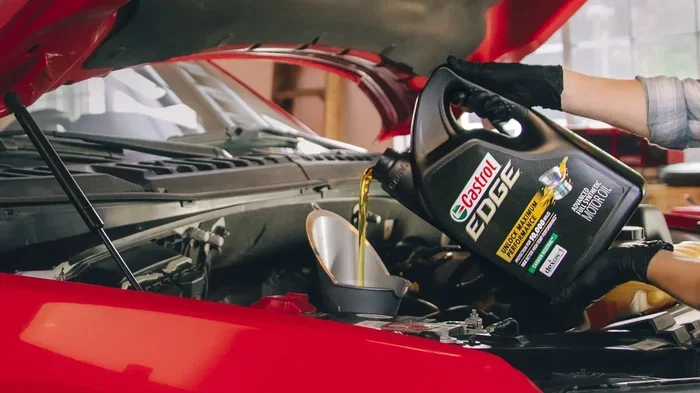
- Keep up with oil changes: Fresh oil keeps your engine running smoothly and prevents many problems.
- Replace spark plugs on schedule: Worn spark plugs are a leading cause of engine misfires and warning lights.
- Check your gas cap regularly: Make sure it seals properly after every fill-up.
- Use quality fuel: Cheap or contaminated fuel can cause engine performance issues over time.
- Address small problems early: A small issue today becomes a big repair tomorrow if you ignore it.
- Get regular diagnostic checks: Even if no light is on, a periodic check of your car’s systems can catch problems early.
Expert Insights on Dashboard Warning Lights
Automotive experts agree on one thing: never ignore a check engine light. Even if the car seems fine, the underlying problem will not fix itself. Modern cars are complex machines with hundreds of sensors feeding data to the computer. When one sensor detects an issue, the system flags it immediately.
Many drivers make the mistake of assuming the light is a false alarm or that it will go away on its own. While the light sometimes turns off after a few driving cycles, the problem that caused it is still there. The car’s computer stores the diagnostic trouble code even after the light goes off. A mechanic can retrieve that code and find the root cause.
Another common mistake is assuming all engine warning lights mean the same thing. The check engine light is not the only warning on your dashboard. Oil pressure warnings, temperature warnings, and battery warnings are all separate and can indicate different problems. Knowing which light is which helps you respond appropriately.
When to Tow Instead of Drive
There are situations where driving is not an option. Here are the signs that you should call a tow truck instead of turning the key:
- The engine light is flashing and the car is shaking.
- You hear loud knocking or grinding noises from the engine.
- Smoke or steam is coming from under the hood.
- The car has entered limp mode and will not accelerate normally.
- The temperature gauge is in the red zone.
- Multiple warning lights are on at the same time.
In these cases, driving the car can cause catastrophic engine failure. Towing is the safest and smartest choice. The cost of a tow is tiny compared to a new engine.
Final Thoughts on Driving with an Engine Malfunction Warning
So, can you still drive my car if it says engine malfunction? The answer is nuanced. A steady light with no other symptoms means you can drive cautiously to a mechanic. A flashing light, strange noises, or poor performance means you should stop and seek help immediately.
The engine malfunction light is your car’s built-in warning system. It exists to protect you and your vehicle. Respecting that warning and responding quickly can prevent minor issues from becoming major breakdowns. Keep your car well-maintained, pay attention to dashboard signals, and always take engine warnings seriously.
Your car works hard every day to get you where you need to go. When it talks to you through warning lights, it deserves a listening ear. The next time you see that engine malfunction symbol on your dash, you will know exactly what to do.
Frequently Asked Questions
What does it mean when my car says engine malfunction?
The message means your car’s onboard computer has detected a problem with the engine or emissions system. It could be something minor like a loose gas cap or something serious like an engine misfire. You should check the light behavior and get a diagnostic scan to understand the exact cause.
Can I drive 50 miles with an engine malfunction light on?
If the light is steady and the car drives normally, you can usually cover a short distance of about 50 miles. However, avoid highway speeds and heavy acceleration. If the light starts flashing or the car feels different, pull over and get help.
Is it safe to drive with the check engine light flashing?
No, it is not safe. A flashing check engine light usually indicates an engine misfire, which can damage the catalytic converter and other expensive parts. Stop driving immediately and have the car towed to a mechanic.
How much does it cost to fix an engine malfunction warning?
The cost varies widely depending on the cause. Simple fixes like a loose gas cap or new spark plugs cost under $150. More serious repairs like a catalytic converter replacement can cost $500 to $2,500. Getting an early diagnosis saves money.
Will the engine malfunction light go away on its own?
Sometimes the light turns off after a few driving cycles if the issue was minor, like a loose gas cap. However, the problem often remains even if the light goes off. A mechanic can read the stored codes and confirm whether the issue is truly resolved.
What should I do if the engine light comes on while driving?
Stay calm and check how the car is performing. If it drives normally, find a safe spot to pull over, check the gas cap, and then head to a mechanic. If the car is shaking, making strange noises, or losing power, pull over safely and call for roadside assistance.
=== CONCLUSION ===
Driving with an engine malfunction warning is something most car owners face at some point. The key is knowing how to respond. A steady light gives you a little breathing room, but it still demands prompt attention. A flashing light means stop and seek help. Understanding the difference keeps you safe and prevents costly repairs.
Regular car maintenance, quick responses to warning signals, and basic knowledge of your vehicle’s systems go a long way. Whether the issue is a loose gas cap or a failing catalytic converter, the sooner you address it, the better off you are. Trust your car’s warning system, listen to what it tells you, and take action. Your engine — and your wallet — will thank you.