Can a Car Overheat with Low Oil and Why It Matters
Can a car overheat with low oil? Yes, low oil reduces heat transfer and increases friction, leading directly to engine overheating. When oil levels drop, the cooling effect weakens and critical engine parts can suffer severe damage in minutes. This guide explains the causes, symptoms, and simple steps to protect your vehicle.
Your car’s engine oil does more than just reduce friction. It plays a key role in keeping your engine at a safe temperature. So, can a car overheat with low oil? The answer is a clear yes. When oil levels drop, the cooling effect weakens. Friction increases, and heat builds up fast. This can lead to engine overheating and serious damage. In this guide, we’ll break down exactly how low oil causes overheating, what signs to watch for, and how to stop it before it’s too late.
Many drivers ignore the oil dipstick until something goes wrong. But low oil is a silent threat. It doesn’t always make noise at first. By the time you notice steam or a warning light, the engine parts may already be struggling. Understanding this connection can save you from a roadside breakdown and a huge repair bill.
Key Takeaways
- Low oil causes overheating: Oil absorbs and carries heat away; without enough, friction and heat buildup spike quickly.
- Watch for warning signs: A rising temperature gauge, check engine light, strange noises, or steam signal danger.
- Prevention is simple: Regular oil checks, timely oil changes, and using the correct oil viscosity prevent most issues.
- Act fast when overheating: Pull over safely, turn off the engine, and never open the radiator cap when hot.
- Long-term damage is real: Ignoring low oil can warp cylinder heads, blow head gaskets, or seize the engine.
- Oil and cooling systems work together: A healthy oil system complements the cooling system to maintain safe engine temperature.
📑 Table of Contents
Can a Car Overheat with Low Oil? The Short Answer
Oil is often called the lifeblood of your engine. It lubricates moving parts, but it also absorbs and carries heat away. The oil circulation system moves oil through the engine block, picking up heat and transferring it to the oil pan and then to the air. This process works alongside the cooling system to maintain a safe engine temperature.
When you run low on oil, the oil film between metal parts becomes thin. Metal starts rubbing against metal. That friction creates intense heat. The oil can’t absorb heat efficiently because there’s simply not enough of it. Heat buildup accelerates quickly, especially under heavy loads or in hot weather.
So, can a car overheat with low oil even if the coolant system is working fine? Absolutely. The cooling system and the oil system are separate but complementary. Low oil directly raises the temperature of internal components like pistons, bearings, and cylinder walls.
How Oil Keeps Your Engine Cool
The oil pump pushes oil through passages in the engine block. This flow creates a thin oil film that separates moving parts. As the oil circulates, it picks up thermal energy and carries it to the oil sump. The oil pan then dissipates that heat into the air. This cycle is essential for heat transfer and keeping engine parts within safe limits.
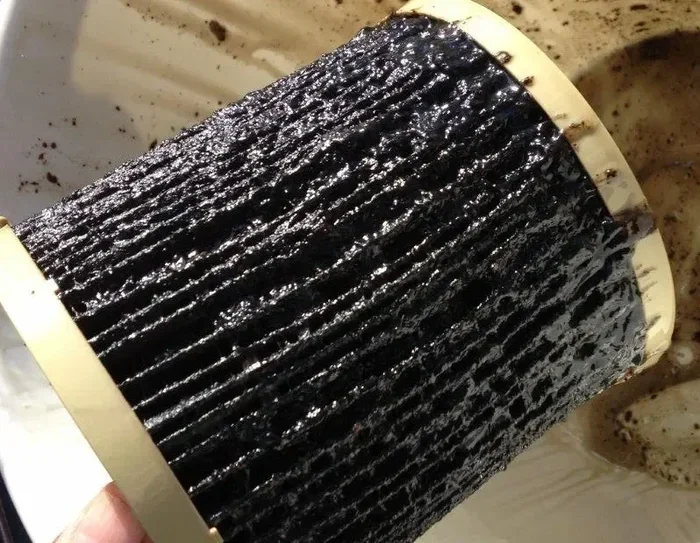
Without enough oil, the oil pump starts pulling air. Oil pressure drops, and the cooling effect vanishes. The oil filter also struggles to clean the reduced volume of oil. Contaminants build up faster, further reducing the oil’s ability to flow and cool. A simple oil change and level check can prevent this dangerous chain reaction.
Quick Tips:
- Check your oil level every month and before long trips.
- Look for the oil dipstick when the engine is cool.
- Keep a record of your oil change dates.
Common Mistakes:
- Ignoring the oil warning light on the dashboard.
- Assuming the oil pressure is fine just because the engine sounds okay.
- Topping off with a different oil viscosity than recommended.
Expert Insights: Mechanics often say that low oil is the number one cause of engine overheating that isn’t related to coolant leaks. A simple oil change and level check can prevent a car overheating situation. Always use the oil viscosity grade your manufacturer recommends.
What Happens When Oil Level Drops?
The Role of Oil in Heat Absorption
Oil acts as a heat transfer fluid. As it flows past hot engine parts, it pulls away thermal energy. A healthy oil level ensures a continuous cycle of cooling. But when the level drops, the oil sump can’t supply enough fluid to the oil pump. The pump starts pulling air instead of oil. This causes oil pressure to drop and the cooling effect to vanish.
Without proper oil pressure, the oil pump can’t push oil to the top of the engine. The cylinder head, camshaft, and valves get starved. They heat up rapidly, leading to overheating and potential warping of metal components. Even a short drive in this state can cause lasting harm.
Friction and Heat Buildup
Every engine has thousands of moving parts. Pistons, crankshafts, and valves rely on a thin layer of oil to glide smoothly. When oil is low, that protective layer breaks down. The result is increased friction. Friction generates heat, which raises the engine temperature even more. It’s a vicious cycle that can destroy an engine in under 30 minutes.
The oil viscosity matters here too. Thicker oil can handle more heat, but if the level is too low, even the best oil viscosity can’t protect the engine. The oil filter also works harder with low oil, potentially clogging faster and reducing flow. This is why a low oil level is so dangerous for engine parts.
Quick Tips:
- Use the dipstick to check oil on a flat surface.
- Look for a low oil level between changes.
- Don’t wait for the oil change light; check manually.
Common Mistakes:
- Adding oil without checking for leaks first.
- Overfilling the oil, which can cause foaming and oil pressure issues.
- Using the wrong oil viscosity grade for your climate.
Expert Insights: Experienced technicians recommend checking oil capacity in your owner’s manual. Some engines hold only 4 quarts, while others need 6 or more. Knowing your oil capacity helps you avoid running low. Also, watch for oil burning in older engines, which can drop levels quickly.
Warning Signs Your Car Is Overheating from Low Oil
Dashboard Lights and Gauges
The first clue often comes from the instrument cluster. The check engine light might illuminate. The temperature gauge will creep into the red zone. Some cars have a separate oil pressure warning light. If that glows, you have a serious problem.
These warnings are your car begging you to stop. Overheating symptoms include a rising temperature needle, a message on the driver display, or a beeping alert. Don’t ignore them. Pull over safely and turn off the overheating car engine.
Strange Noises and Smells
Low oil causes engine parts to grind. You might hear a ticking or tapping sound from the valve train. A knocking noise can indicate oil pressure loss in the bearings. The smell of burning oil is another red flag. Hot oil on hot engine parts produces a sharp, acrid odor.
If you notice a burning oil smell combined with a rising temperature, stop immediately. Continuing to drive can cause engine damage that requires a full rebuild or replacement.
Steam and Smoke
Steam rising from the hood is a classic overheating sign. While it’s often linked to coolant leaks, low oil can also cause overheating that produces steam. The oil breaks down and can smoke, especially if it’s leaking onto hot exhaust components.
Watch for blue or gray smoke from the tailpipe. This often indicates oil burning inside the combustion chamber. Combined with high engine temperature, it signals a dangerous overheating situation.
Quick Tips:
- Know where your temperature gauge and oil pressure lights are.
- Pull over at the first sign of steam or a warning light.
- Turn on the heater to help pull heat from the engine if you must slow down.
Common Mistakes:
- Continuing to drive with the temperature gauge in the red.
- Opening the radiator cap when the engine is hot (risk of burns).
- Ignoring a small oil leak under your car.
Expert Insights: Dashboard warnings are designed to protect your engine. A check engine light can trigger for many reasons, but when paired with a high temperature, low oil is a prime suspect. Mechanics call this a “heat soak” event, and it can warp cylinder heads in minutes.
Common Causes of Low Oil That Lead to Overheating
Oil Leaks and Seals
The most common reason for a low oil level is a leak. Oil seals and gaskets wear out over time. The valve cover gasket, oil pan gasket, and front/rear seals can all fail. A small drip can turn into a puddle under your car overnight.
Leaks often go unnoticed until the oil level drops critically low. Check the parking spot for fresh oil spots. Also, inspect the oil filter and drain plug for proper tightness. A loose oil filter can cause a slow leak that leads to engine overheating.
Oil Burning in the Engine
Older engines and high-mileage vehicles often burn oil. Worn piston rings or valve stem seals allow oil to enter the combustion chamber. You might see blue smoke on acceleration. This oil consumption can drop your oil level quickly, causing overheating if not topped up.
Regularly check the oil capacity and top off between oil changes. If your car burns more than a quart every 1,000 miles, have a mechanic inspect the engine parts for wear.
Skipping Oil Changes
Old oil breaks down and loses its ability to flow and cool. Oil viscosity degrades over time. Sludge builds up, restricting flow through the oil pump and oil filter. This reduces oil pressure and impairs heat transfer. Skipping scheduled oil changes is a direct path to engine damage and overheating.
Follow the oil change interval in your owner’s manual. If you drive in severe conditions (stop-and-go traffic, extreme heat, towing), shorten the interval. Fresh oil maintains proper oil pressure and keeps engine parts cool.
Quick Tips:
- Place a cardboard under your car to spot leaks early.
- Use a low oil level sensor if your car has one.
- Keep a log of oil changes and oil capacity checks.
Common Mistakes:
- Using the wrong oil viscosity grade for your engine.
- Neglecting to replace the oil filter with every change.
- Assuming synthetic oil never needs changing.
Expert Insights: Many modern cars have oil capacity indicators on the info screen. Learn how to read yours. A low oil level warning is your last line of defense before engine overheating begins. Trust the system, but also verify manually.
How to Prevent Your Car from Overheating Due to Low Oil
Regular Oil Checks and Changes
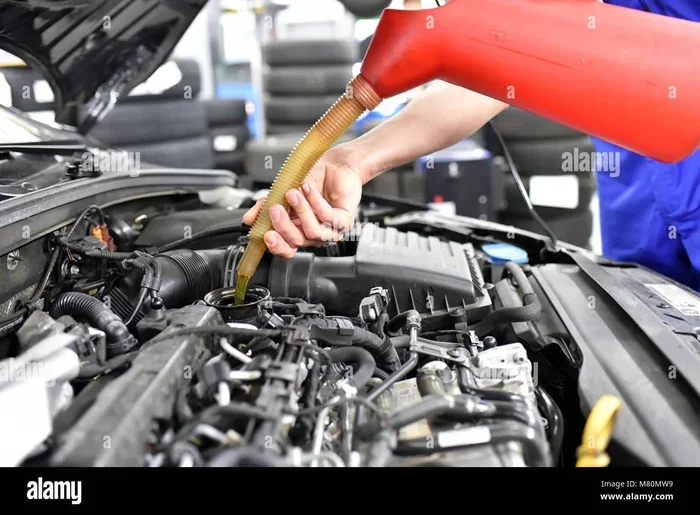
The best defense is a proactive routine. Check your oil level at least once a month. Use the dipstick and wipe it clean before reinserting. Look for the full mark. If it’s near the add mark, top off with the same oil viscosity grade.
Stick to the oil change interval. Fresh oil has the right oil viscosity and additives to protect against heat and friction. During each oil change, the oil filter is replaced, ensuring clean oil circulation and proper oil pressure.
Monitoring Oil Pressure
If your car has an oil pressure gauge, watch it. Normal oil pressure is usually between 20 and 65 psi, depending on the engine. Low oil pressure often means low oil level or a failing oil pump. Address it immediately to prevent engine overheating.
Some vehicles have an oil pressure warning light that comes on when pressure drops. Treat this light like a fire alarm. Stop safely and check the oil level before driving again.
Using the Right Oil and Maintaining the Cooling System
Always use the oil viscosity grade specified by the manufacturer. The owner’s manual will list the correct oil viscosity and oil capacity. Using synthetic oil can offer better heat resistance and longer life, but it’s not a substitute for proper level and regular changes.
Don’t forget the cooling system. A low coolant level can also cause overheating. Flush and refill the coolant according to the service schedule. Check hoses and the radiator for leaks. A well-maintained cooling system works hand-in-hand with the oil system to keep temperatures in check.
Quick Tips:
- Keep a spare quart of the correct oil viscosity in your trunk.
- Set a phone reminder for your next oil change.
- Inspect the oil cap and oil filter for tightness during checks.
Common Mistakes:
- Mixing different oil viscosity grades in the same engine.
- Overlooking a small oil leak because it’s “just a few drops.”
- Ignoring the oil pressure gauge in favor of the temperature gauge.
Expert Insights: Experienced drivers check their oil level every time they fill up with gas. It takes less than a minute and can prevent a catastrophic engine overheating event. Also, ask your mechanic to inspect the oil filter and oil pressure sensor during routine service.
What to Do If Your Car Overheats with Low Oil
Immediate Steps to Take
If you see steam or the temperature gauge spikes, pull over safely. Turn off the air conditioner to reduce engine load. Turn on the heater to help draw heat away from the engine. Coast to a safe spot and turn off the engine.
Do not open the radiator cap while the engine is hot. Pressurized coolant can cause severe burns. Wait at least 15 minutes for the engine to cool. Then, check the oil level with the dipstick. If it’s low, add oil slowly. But don’t drive far if the engine has been overheating.
When to Call for Help
If the overheating car continues after adding oil, call for roadside assistance. Driving a car overheating can cause engine damage such as warped heads, blown head gaskets, or seized pistons. Towing is cheaper than a new engine.
Have the vehicle inspected by a professional. They can check the oil pump, oil pressure, and cooling system. A thorough diagnosis will reveal whether the low oil caused only minor issues or serious engine damage.
Long-Term Recovery
After an overheating event, change the oil and oil filter immediately. Old oil may contain metal particles from damaged engine parts. Flush the cooling system and refill with fresh coolant. Monitor oil levels and temperature closely for the next few drives.
Consider a full inspection of the cooling system, including the radiator, water pump, and thermostat. A car overheating incident is a warning sign that should not be ignored. Address the root cause to prevent a repeat.
Quick Tips:
- Never pour cold water on a hot engine block.
- Keep a basic emergency kit with oil, coolant, and a flashlight.
- Record the overheating incident details for your mechanic.
Common Mistakes:
- Continuing to drive after the temperature gauge drops.
- Assuming adding oil fixes everything without checking for leaks.
- Ignoring a check engine light after an overheating event.
Expert Insights: Mechanics say that a single overheating episode can cause lasting harm. The engine temperature can exceed safe limits in minutes. Even if the car seems fine afterward, internal damage may be present. Always get a professional inspection after a car overheating event.
Conclusion
Can a car overheat with low oil? Yes, and the consequences can be severe. Low oil removes the protective layer that prevents friction and carries heat away. This leads to heat buildup, rising engine temperature, and potential engine damage. The signs are there: warning lights, strange noises, steam, and a hot hood. By staying on top of oil levels, using the right oil viscosity, and addressing leaks promptly, you can prevent overheating and keep your engine running strong. A few minutes of checking can save thousands of dollars and hours of hassle. Protect your car today, and it will serve you well for miles to come.
Frequently Asked Questions
How long can you drive a car with low oil before it overheats?
There is no safe time. Even a few minutes of driving with critically low oil can cause engine overheating and irreversible engine damage. The exact time depends on the oil viscosity, engine design, and load, but you should never drive when the oil level is below the minimum mark.
Can low oil cause a car to overheat even with full coolant?
Yes. The cooling system and the oil system are separate. Low oil means less heat transfer from internal engine parts, so the engine temperature rises regardless of coolant levels. Both systems must be healthy to prevent overheating.
What should you do if your oil level is low and the car is overheating?
Pull over safely, turn off the engine, and let it cool. Check the oil level and add the correct oil viscosity if needed. Do not resume driving until the oil level is restored and the temperature gauge returns to normal. If the overheating persists, call for a tow.
Does synthetic oil prevent overheating better than conventional oil?
Synthetic oil generally handles higher temperatures and maintains stable oil viscosity longer. However, it cannot compensate for a low oil level. Whether synthetic or conventional, keeping the oil level correct and changing the oil on schedule is what prevents engine overheating.
Can a clogged oil filter cause overheating?
Yes. A clogged oil filter restricts oil circulation and reduces oil pressure. This limits the oil’s ability to carry heat away from engine parts. Replacing the oil filter with every oil change is a simple way to protect against overheating.
How often should you check your oil level to prevent overheating?
Check your oil level at least once a month and before any long trip. Many manufacturers recommend checking it every time you fill the fuel tank. Regular checks help you catch a low oil level early and avoid the engine damage that comes with overheating.