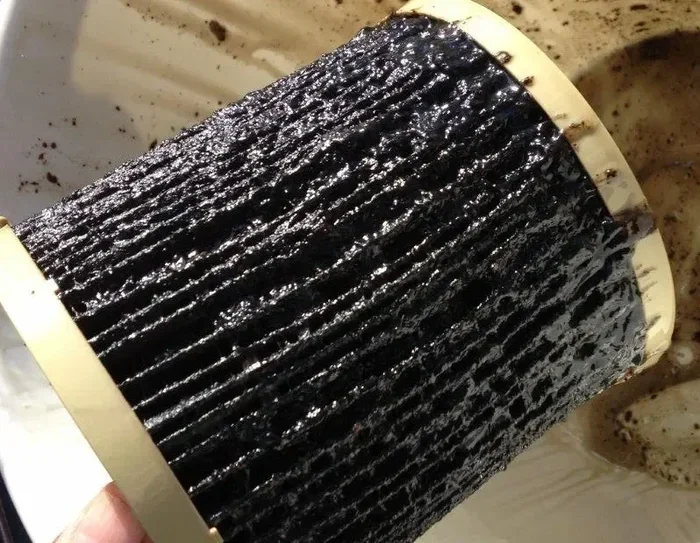
Can a Dirty Fuel Filter Cause P0171 Check Engine Light
A dirty fuel filter can absolutely cause the P0171 check engine light. When your fuel filter gets clogged, it restricts fuel flow to the engine, creating a lean fuel mixture that triggers this common OBD-II diagnostic trouble code. This guide breaks down the connection between a dirty fuel filter and the P0171 code, including symptoms, diagnosis steps, and simple fixes you can do yourself.
If your check engine light just popped on and you saw the code P0171, you are probably wondering what went wrong. One question many car owners ask is, can a dirty fuel filter cause P0171? The short answer is yes. A clogged fuel filter is one of the most common reasons this code appears. In this article, we will walk you through everything you need to know about the link between a dirty fuel filter and the P0171 code. You will learn what the code means, how a clogged filter affects your engine, and what you can do to fix it.
Understanding your car’s fuel system does not require a mechanic degree. We will break it down into simple, easy-to-follow sections. By the end of this guide, you will know exactly how to tackle the P0171 code and keep your engine running smoothly. Let us dive in.
Key Takeaways
- A clogged fuel filter restricts fuel flow, causing the engine to run lean and triggering the P0171 code.
- Common P0171 symptoms include rough idle, poor acceleration, and reduced fuel economy.
- You can diagnose the issue using an OBD-II scanner and a few simple tests at home.
- Replacing a dirty fuel filter is inexpensive and often resolves the P0171 code quickly.
- Ignoring the P0171 code can lead to bigger problems, like damaged oxygen sensors or catalytic converter failure.
- Regular fuel filter maintenance prevents lean fuel mixture issues and keeps your engine healthy.
- Other causes of P0171 exist, so a thorough diagnosis is essential before replacing parts.
📑 Table of Contents
- What Does the P0171 Code Mean?
- How Does a Dirty Fuel Filter Cause P0171?
- Common Symptoms of a Dirty Fuel Filter and P0171
- Diagnosing P0171: Is the Fuel Filter to Blame?
- How to Fix and Prevent P0171 Fuel Filter Issues
- Can Other Issues Mimic a Dirty Fuel Filter?
- When Should You See a Mechanic?
- Final Thoughts on the P0171 Fuel Filter Connection
What Does the P0171 Code Mean?
The P0171 code is a diagnostic trouble code (DTC) that tells you your engine is running lean. “Running lean” means there is too much air and not enough fuel in the combustion chamber. Your engine needs a precise air-fuel ratio to work correctly. When that balance tips too far toward air, your engine cannot perform at its best.
The P0171 code specifically refers to “System Too Lean (Bank 1).” Bank 1 is the side of your engine that contains cylinder number one. The oxygen sensor or MAF sensor detects the lean condition and sends this signal to your car’s computer, which then turns on the check engine light.
Why Does the Engine Run Lean?
Several things can cause a lean fuel mixture. A vacuum leak, a faulty fuel pump, dirty fuel injectors, or a clogged fuel filter can all contribute. The engine control unit (ECU) relies on accurate readings from sensors to deliver the right amount of fuel. When any part of the fuel system fails, the balance gets disrupted.
Here are the most common reasons your engine runs lean:
- Clogged fuel filter limiting fuel delivery
- Weak fuel pump not pushing enough fuel
- Vacuum leak letting extra air into the intake
- Dirty mass airflow sensor giving wrong readings
- Faulty oxygen sensor sending incorrect data
- Clogged fuel injectors reducing fuel spray
Now that you understand what P0171 means, let us look at how a dirty fuel filter fits into this picture.
How Does a Dirty Fuel Filter Cause P0171?
Your fuel filter sits in the fuel line between the fuel tank and the engine. Its job is simple but critical. It catches dirt, rust, and other particles in the fuel before they reach the engine. Over time, all those trapped contaminants build up and restrict fuel flow. This is where the trouble begins.
When the fuel filter becomes clogged, less fuel can pass through to the engine. The fuel injectors then receive less fuel than the engine needs. Meanwhile, the air intake stays the same. This creates an imbalance. The engine ends up with too much air and too little fuel. That is the definition of a lean condition. And what does your car’s computer do when it detects a lean condition? It logs the P0171 code.
The Fuel Flow Restriction Chain Reaction
A clogged fuel filter does not just cause a minor inconvenience. It sets off a chain reaction inside your engine. Here is how it happens step by step:
- The fuel filter becomes blocked by debris and contaminants.
- Fuel flow to the engine drops below the required level.
- The fuel pressure regulator senses the drop but cannot compensate fully.
- The fuel injectors spray less fuel with each combustion cycle.
- The oxygen sensor detects the excess oxygen in the exhaust.
- The ECU triggers the P0171 code and illuminates the check engine light.
This chain reaction can happen gradually. You might not notice symptoms at first. But as the filter gets worse, the lean condition becomes more severe. That is why it is important to catch a dirty filter early.
Quick Tip: Most manufacturers recommend replacing your fuel filter every 30,000 to 40,000 miles. Check your owner’s manual for the exact schedule. Staying on top of this simple maintenance task can prevent the P0171 code from ever appearing.
Common Symptoms of a Dirty Fuel Filter and P0171
When a dirty fuel filter triggers the P0171 code, your car will usually give you several warning signs. Recognizing these symptoms early can save you from more expensive repairs down the road.
1. Check Engine Light
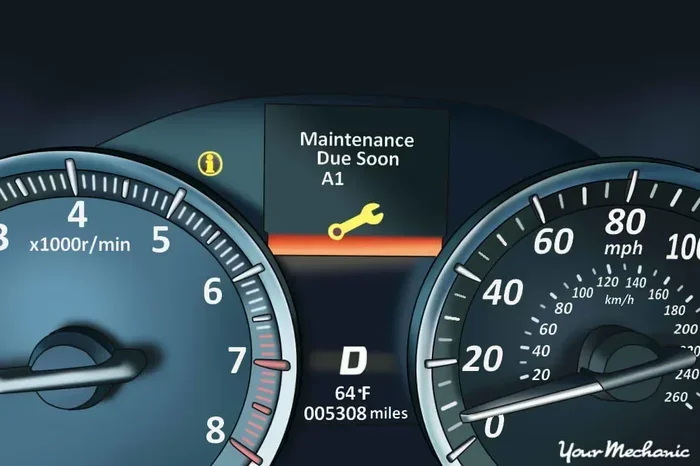
The most obvious sign is the check engine light on your dashboard. If you see it, do not ignore it. Grab an OBD-II scanner and check for the P0171 code. This is your first clue that something is off with your fuel mixture.
2. Rough Idle
A rough or shaky idle is a classic sign of a lean fuel mixture. When your engine does not get enough fuel at idle, it struggles to maintain a smooth RPM. You might notice the engine bouncing between 500 and 800 RPMs when you are stopped at a red light.
3. Poor Acceleration
When you press the gas pedal, your engine needs more fuel. A clogged fuel filter cannot deliver that extra fuel quickly enough. You may feel a hesitation or lag when you accelerate. This is especially noticeable when you try to merge onto a highway or climb a hill.
4. Reduced Fuel Economy
It might seem backwards, but a lean engine can actually hurt your gas mileage. When the ECU detects a lean condition, it may try to compensate by adjusting fuel delivery. These constant adjustments can cause the engine to work harder and burn more fuel than it should.
5. Engine Stalling
In severe cases, a very clogged fuel filter can cause your engine to stall. This happens when the fuel supply is cut off almost completely. If your engine stalls while driving, pull over safely and seek help immediately.
6. Difficulty Starting the Car
A dirty filter can also make it hard to start your engine, especially after the car has been sitting for a while. Fuel needs to flow freely to the engine for a smooth start. A restricted filter makes that job much harder.
If you are experiencing any of these symptoms, it is time to take a closer look at your fuel system. A simple fuel filter replacement might be all you need.
Diagnosing P0171: Is the Fuel Filter to Blame?
Before you rush out and buy a new filter, you should confirm that the dirty fuel filter is actually causing the P0171 code. Other issues can produce the same code. A proper diagnosis saves you time and money.
Step 1: Scan for Codes
Start by plugging an OBD-II scanner into the diagnostic port under your dashboard. Read the codes and confirm P0171. Also check for any related codes like P0174 (System Too Lean Bank 2) or codes related to the fuel pressure sensor. These additional codes can help narrow down the root cause.
Step 2: Check Fuel Pressure
Low fuel pressure is a strong indicator of a clogged filter. You can test this with a fuel pressure gauge. Attach it to the fuel rail and start the engine. Compare the reading to your vehicle’s specifications. If the pressure is below the recommended range, your fuel filter might be the culprit.
Quick Tip: You can also listen for the fuel pump priming when you turn the key to the “on” position. A healthy pump will make a brief humming sound. If you hear nothing, the pump itself might be failing.
Step 3: Inspect the Fuel Filter
If you have access to the fuel filter, visually inspect it. A dirty filter may appear darkened or discolored. Some filters have a transparent housing that lets you see the condition of the filter element directly. If you see debris or the filter looks saturated, it is time for a replacement.
Step 4: Rule Out Other Causes
Before you replace the filter, make sure to rule out other common causes of P0171:
- Vacuum leaks in the intake manifold or hoses
- Dirty MAF sensor giving inaccurate airflow readings
- Faulty oxygen sensor sending wrong data to the ECU
- Cracked intake boots or loose connections
- Low fuel pressure from a failing pump
Taking the time to diagnose properly ensures you fix the real problem. Replacing parts blindly can be costly and frustrating.
How to Fix and Prevent P0171 Fuel Filter Issues
If your diagnosis confirms that a dirty fuel filter is causing the P0171 code, the fix is usually straightforward. Replacing a fuel filter is one of the simpler maintenance tasks you can do at home or at a repair shop.
How to Replace a Fuel Filter
Here is a simple step-by-step guide to replacing your fuel filter:
- Relieve fuel system pressure. Turn off the engine and remove the fuel pump fuse. Start the engine and let it stall. This releases pressure in the fuel lines.
- Locate the fuel filter. It is usually found along the fuel line under the car or near the fuel tank. Consult your owner’s manual for the exact location.
- Remove the old filter. Use the appropriate tools to disconnect the fuel lines. Have a rag ready to catch any residual fuel.
- Install the new filter. Make sure the filter is oriented in the correct direction. Fuel flows in one direction, and the filter will have an arrow showing the flow path.
- Reconnect the fuel lines. Tighten the fittings securely but do not overtighten.
- Restore fuel pressure. Reinsert the fuel pump fuse and turn the key to the “on” position. Let the pump run for a few seconds.
- Start the engine. Check for leaks around the filter and connections.
- Clear the code. Use your OBD-II scanner to clear the P0171 code and take a test drive.
After you clear the code, monitor your engine for a few days. If the P0171 code does not return, your fuel filter replacement did the job.
Prevention Tips
Keeping your fuel system clean is the best way to prevent P0171 from coming back. Here are some easy tips:
- Replace your fuel filter at the recommended intervals
- Use quality fuel from reputable gas stations
- Add fuel system cleaner every few tank fills
- Check fuel lines regularly for cracks or leaks
- Keep your gas tank at least a quarter full to prevent sediment from being drawn into the system
These simple habits go a long way in protecting your engine performance and avoiding lean fuel mixture problems.
Can Other Issues Mimic a Dirty Fuel Filter?
Yes, absolutely. The P0171 code is not exclusive to a clogged fuel filter. Several other problems can create the same lean condition. Understanding these helps you make a more accurate diagnosis.
Vacuum Leaks
A vacuum leak is one of the most common causes of a lean fuel mixture. Cracked hoses, loose connections, or a damaged intake manifold gasket can let unmetered air into the engine. This extra air throws off the air-fuel ratio and triggers P0171. You can often find vacuum leaks by listening for a hissing sound or by spraying carburetor cleaner around the intake area while the engine is running.
Faulty Oxygen Sensor
The oxygen sensor measures the amount of oxygen in your exhaust. If the sensor is faulty or slow, it may send incorrect data to the ECU. The computer might think the engine is running lean even when it is not. A bad oxygen sensor can cause the P0171 code even if your fuel filter is clean.
Dirty MAF Sensor
The mass airflow sensor (MAF) measures the amount of air entering the engine. When it gets dirty, it underreports the airflow. The ECU then delivers too little fuel based on the incorrect reading. Cleaning the MAF sensor with a dedicated cleaner can often resolve this issue.
Weak Fuel Pump
Sometimes the problem is not the filter but the pump itself. An aging fuel pump may not generate enough pressure to deliver fuel properly. This mimics the symptoms of a clogged filter. If you replace the filter and the P0171 code persists, the fuel pump could be the real issue.
| P0171 Cause | Common Symptoms | Repair Cost | Difficulty |
|---|---|---|---|
| Dirty fuel filter | Rough idle, poor acceleration, low fuel economy | $50 – $150 | Easy |
| Vacuum leak | Hissing sound, rough idle, lean code | $20 – $200 | Moderate |
| Faulty oxygen sensor | Check engine light, poor fuel economy | $100 – $300 | Moderate |
| Dirty MAF sensor | Hesitation, rough idle, low power | $0 – $50 (cleaner) | Easy |
| Weak fuel pump | Stalling, hard starting, loss of power | $400 – $800 | Hard |
As you can see from the table, a dirty fuel filter is one of the least expensive and easiest fixes for P0171. That is why it should always be one of the first things you check.
When Should You See a Mechanic?
While replacing a fuel filter is a manageable DIY task for many car owners, some situations call for professional help. If you have replaced the filter and the P0171 code returns, you should visit a trusted mechanic. The problem might be deeper in the fuel system or involve electronic components that need specialized tools to diagnose.
Also, if you notice your engine stalling frequently, losing power while driving, or showing multiple trouble codes, do not wait. A professional mechanic can run a comprehensive engine diagnostic and identify all the issues at once. Ignoring the P0171 code for too long can lead to more serious damage, including harm to your catalytic converter and engine misfire issues.
On average, a diagnostic visit costs between $75 and $150. That is a small price to pay compared to the cost of repairing a damaged catalytic converter, which can run over $1,000.
Final Thoughts on the P0171 Fuel Filter Connection
So, can a dirty fuel filter cause P0171? The answer is a clear yes. A clogged fuel filter restricts fuel flow, creates a lean fuel mixture, and triggers the P0171 check engine light. The good news is that this is one of the easiest and most affordable problems to fix. A simple fuel filter replacement can clear the code and restore your engine’s performance.
Pay attention to the symptoms we covered. A rough idle, poor acceleration, or reduced fuel economy are all signs that something is off. Use an OBD-II scanner to confirm the P0171 code, and then work through the diagnostic steps to find the root cause. Whether it is a dirty filter, a vacuum leak, or a faulty sensor, catching the problem early saves you time, money, and stress.
Keep up with your regular maintenance schedule. Replace your fuel filter on time, use quality fuel, and listen to what your car is telling you. Your engine will thank you with years of reliable performance. Do not let a small issue like a clogged filter turn into a big repair bill. Take action today and keep your car running at its best.
Frequently Asked Questions
What does the P0171 code mean?
The P0171 code means your engine is running too lean on Bank 1. This indicates that there is too much air and not enough fuel in the combustion chamber. The engine control unit detects this imbalance and triggers the check engine light.
How much does it cost to replace a fuel filter?
A fuel filter replacement typically costs between $50 and $150 for parts and labor. If you do it yourself, the cost is even lower since you only pay for the filter part. This makes it one of the most affordable repairs related to the P0171 code.
Can I drive my car with the P0171 code?
You can drive short distances with the P0171 code, but it is not recommended for long periods. A lean fuel mixture can cause engine damage over time, especially to the catalytic converter and exhaust valves. Have the issue diagnosed and fixed as soon as possible.
How often should I replace my fuel filter?
Most manufacturers recommend replacing the fuel filter every 30,000 to 40,000 miles. However, if you frequently drive in dusty conditions or use lower-quality fuel, you may need to replace it more often. Check your owner’s manual for the specific maintenance schedule.
What other codes are related to P0171?
Codes like P0174 (System Too Lean Bank 2), P0172 (System Too Rich), and P0087 (Low Fuel Rail Pressure) are often related to similar fuel system issues. If you see P0171 alongside any of these codes, it is a strong sign that your fuel delivery system needs attention.
Can a dirty fuel filter cause engine misfires?
Yes, a severely clogged fuel filter can cause engine misfires. When the engine does not receive enough fuel, the combustion process becomes incomplete. This can lead to misfires, rough running, and a noticeable loss of power. If you experience misfires alongside the P0171 code, the fuel filter should be checked first.
=== CONCLUSION ===
Can a dirty fuel filter cause P0171? Yes, and now you know exactly why. A clogged fuel filter restricts fuel flow, creates a lean condition, and triggers the P0171 check engine light. You have learned how to recognize the symptoms, diagnose the issue, and fix it with a simple filter replacement. Regular maintenance and quality fuel are your best defenses against this common problem. Take action today, and your engine will reward you with smooth, reliable performance for miles to come.