Can a Low Key Fob Battery Drain Your Car Battery Fast
A low key fob battery can indeed drain your car battery faster than you think. When the fob signal weakens, your vehicle works harder to find it, causing extra strain on the electrical system. Knowing the warning signs and taking simple steps can save you from getting stranded with a dead battery.
Have you ever walked to your car, pressed the key fob button, and nothing happened? That sinking feeling is all too familiar. But here is the real question: could that dying key fob battery be slowly draining your car battery?
The short answer is yes. A low key fob battery can cause problems you might not expect. Your car tries harder to connect with a weak fob signal. That extra effort pulls power from your car battery. Over time, this can leave you stranded with a dead battery.
Many drivers ignore the early signs of a weak fob battery. They do not realize it can affect their entire vehicle electrical system. This article breaks down exactly how this happens, what to watch for, and how to fix it.
Whether you drive a new model with push button start or an older car with a remote key, this guide has you covered. Let us dive in and keep your car running strong.
Key Takeaways
- A weak key fob battery forces your car to search harder, which drains the car battery faster.
- Push button start vehicles are more affected by low fob batteries than traditional key systems.
- Replacing your key fob battery every 1-2 years is the easiest way to prevent battery drain.
- Signs like slow cranking or flickering lights can point to a fob-related battery problem.
- Simple habits like keeping the fob away from other electronics reduce signal issues.
- A parasitic draw test at a mechanic shop can confirm if your fob is the culprit.
📑 Table of Contents
- How a Low Key Fob Battery Affects Your Car Battery
- Signs Your Key Fob Battery Is Draining Your Car Battery
- How to Prevent Key Fob Battery Drain
- How to Replace Your Key Fob Battery the Right Way
- When to See a Mechanic About Battery Drain
- How Often Should You Replace Your Car Battery?
- Key Takeaways
- Conclusion
How a Low Key Fob Battery Affects Your Car Battery
You might wonder how a tiny coin battery in your fob can hurt your car battery. The connection is real and it is worth understanding. When your key fob battery runs low, your car does not just give up. It keeps trying to find the fob signal. This constant searching uses extra power.
The Search Process Explained
Modern cars use a transponder key system. When you press the start button or the unlock button, your car sends out a signal. It waits for the fob to respond. A healthy fob answers quickly and clearly. A weak fob takes longer or sends a weaker signal.
Your car keeps sending signals and waiting. This back-and-forth creates what experts call parasitic draw. Parasitic draw is the power your car uses even when the engine is off. A small amount is normal. But a weak fob can make it worse.
Here is a simple way to think about it. Imagine calling a friend on the phone. If they pick up right away, the call is short. If they barely hear you and you keep repeating yourself, the call lasts longer. Your car works the same way with a low fob battery.
Which Cars Are Most Affected?
Not all cars are equally affected. Some vehicles feel the impact more than others. Here is a closer look at what to expect.
- Push button start vehicles: These cars search for the fob every time you sit down. A low fob battery makes this process harder.
- Keyless entry systems: Cars that unlock automatically when you walk up use constant fob detection. A weak battery strains the system.
- Older remote key models: These still send strong signals but may need more power when the fob battery drops.
- Hybrid and electric vehicles: These rely heavily on electronic systems. A low fob battery can cause bigger issues here.
| Vehicle Type | Fob Signal Use | Risk of Battery Drain |
|---|---|---|
| Push Button Start | Constant searching | High |
| Keyless Entry | Automatic detection | Medium-High |
| Traditional Remote Key | On-demand only | Low-Medium |
| Hybrid / Electric | Heavy electronic reliance | Medium |
As you can see, the more your car relies on the fob, the bigger the risk. This is why keyless entry and push button start owners should pay close attention to fob battery health.
Quick Tip
Keep a spare CR2032 battery in your glove box. Most key fobs use this common battery type. Swapping it out takes under a minute and costs almost nothing.
Signs Your Key Fob Battery Is Draining Your Car Battery
How do you know if a low fob battery is hurting your car battery? The warning signs are there. You just need to know what to look for. Catching these signs early can save you a lot of trouble.
Slow Cranking When Starting
Your car should start quickly and smoothly. If the engine cranks slowly or feels sluggish, the battery may be weak. A low fob battery adds extra strain during startup. The car is already working hard to find the fob while also turning the engine over.
Flickering Dashboard Lights
When you press the fob button, do the dashboard lights dim or flicker? This can mean your car battery is low. The vehicle is struggling to send and receive the fob signal. It pulls power from the main battery to do so.
Remote Features Stop Working First
Often, the remote unlock or lock feature fails before anything else. This is the first clue that your fob battery is dying. But here is the catch: even after the remote stops working, the car keeps trying to communicate. That effort can drain your car battery over time.
Car Alarm Goes Off Randomly
A weak fob signal can confuse your car alarm system. The system may think someone is trying to break in. It triggers false alarms or fails to arm properly. Both situations waste power from your car battery.
Battery Dies After Sitting Overnight
This is the most frustrating sign. You park the car, go to sleep, and wake up to a dead battery. A low fob battery can cause a slow drain overnight. The car spends hours searching for a fob signal that keeps getting weaker.
Expert Insight
Auto mechanics often see this pattern. A driver comes in with a dead battery. After testing, they find the fob battery was low for weeks. The car had been drawing extra power every night. Replacing the fob battery fixed the problem completely.
How to Prevent Key Fob Battery Drain
The good news is prevention is simple. A few small habits can protect your car battery from unnecessary drain. You do not need to be a mechanic to follow these steps.
Replace Your Fob Battery on Schedule
Most key fob batteries last 1 to 2 years. Do not wait until the fob stops working completely. Set a reminder on your phone to swap the battery every 12 months. This keeps the signal strong and reduces strain on your car battery.
Store Your Fob Properly
Where you keep your fob matters more than you think. Avoid storing it near other electronic devices. Phones, tablets, and laptops can interfere with the fob signal. A weak signal means your car works harder to connect.
Keep your fob in a dedicated spot in your bag or pocket. Avoid tossing it into a junk drawer with other electronics. A clean storage spot helps the fob work at its best.
Turn Off Push Button Start Features When Parked
Some newer cars let you turn off the fob detection feature when parked. Check your owner manual for this setting. Disabling it when your car sits for long periods reduces parasitic draw. This is especially helpful during winter months when batteries are already under stress.
Use the Physical Key When Possible
Many modern fobs have a hidden physical key inside. Use it when you do not need remote features. The physical key does not rely on battery power at all. It is a simple backup that saves energy.
Keep Your Car Battery Healthy
A strong car battery handles extra fob drain better. Keep your battery terminals clean. Make sure the battery is fully charged. If your battery is already old, a low fob battery will hit it harder. Consider testing your battery every six months, especially before winter.
Common Mistakes to Avoid
- Ignoring the low battery warning on your fob: Most fobs show a warning light or message. Do not ignore it.
- Using a cheap replacement battery: Always use a quality CR2032 battery from a trusted brand. Cheap batteries die faster and leak.
- Leaving the fob near the steering column overnight: Some cars keep searching for the fob even when parked. Distance helps reduce the search effort.
- Assuming the car battery is the only problem: Often, the fob battery is the hidden cause. Always check both.
How to Replace Your Key Fob Battery the Right Way
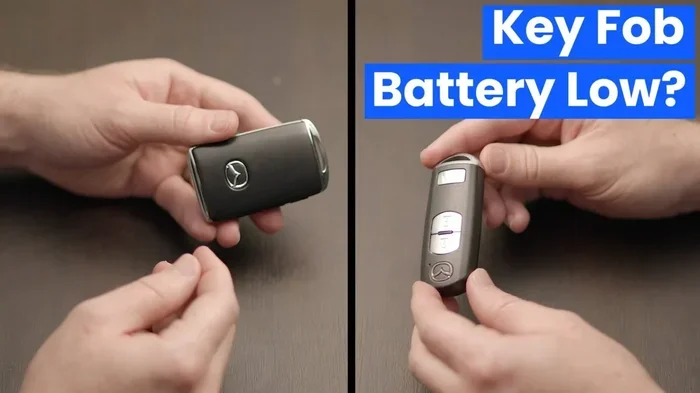
Replacing your key fob battery is one of the easiest car maintenance tasks you can do. It takes less than five minutes and costs under five dollars. Here is a step-by-step guide.
Step 1: Find the Right Battery
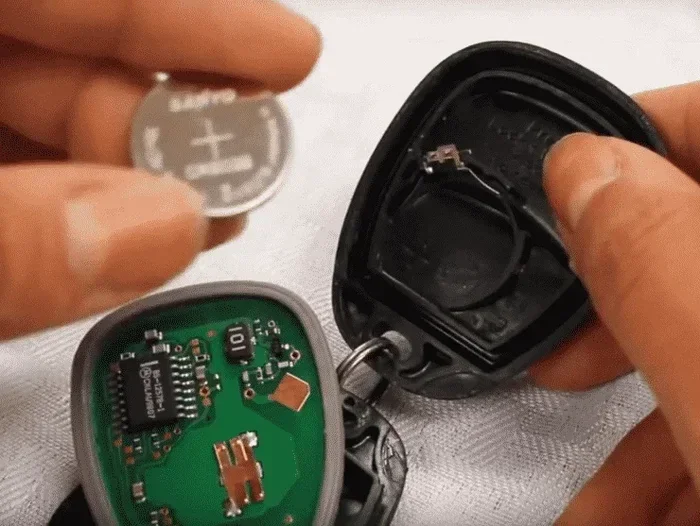
Most key fobs use a CR2032 battery. Check your owner manual to confirm. Some fobs use CR2025 or other sizes. Using the wrong battery can damage the fob.
Step 2: Open the Fob Case
Look for a small seam along the fob. Use a flathead screwdriver or a coin to gently pry it open. Work slowly around the edges. Do not force it or you could crack the plastic.
Step 3: Remove the Old Battery
Note which side faces up. Use a toothpick or small tool to pop the old battery out. Dispose of it properly. Do not throw coin batteries in the trash.
Step 4: Insert the New Battery
Place the new battery in the same orientation as the old one. The positive side usually faces up. Press it firmly into place until it clicks.
Step 5: Snap the Fob Back Together
Line up the two halves and press them together firmly. Test the fob by pressing a button. If it works, you are all set.
Pro Tip
Wash your hands before handling the new battery. Oils and moisture from your skin can shorten battery life. A clean touch keeps the battery working longer.
When to See a Mechanic About Battery Drain
Sometimes replacing the fob battery is not enough. If your car battery keeps dying even after a new fob battery, something else is going on. Here are signs you need professional help.
- The car battery dies frequently: Even after replacing both batteries, the problem keeps coming back.
- You see corrosion on battery terminals: White or green buildup on the terminals signals a bigger issue.
- The dashboard battery light stays on: This indicates a charging system problem, not just a fob issue.
- Electrical accessories act strange: Power windows, radio, or lights behaving erratically point to electrical drain.
A mechanic can run a parasitic draw test. This test measures how much power your car uses when it is off. If the draw is too high, they can track down the exact cause. Sometimes it is the fob. Sometimes it is a faulty relay or a stuck light. Either way, a professional diagnosis saves time and money.
Expert Insight
Most auto parts stores will test your car battery for free. They can also test the parasitic draw level. This is a great first step before paying for a full mechanic visit. Always start with the free checks before spending money.
How Often Should You Replace Your Car Battery?
Even with perfect fob battery care, your car battery has a lifespan. Most car batteries last 3 to 5 years. Extreme weather shortens that range. Hot summers and cold winters both wear batteries down faster.
Keep track of when you bought your current battery. Set a reminder to test it at the 3-year mark. If it shows signs of weakness, replace it before it fails completely. A failing car battery and a low fob battery together create a perfect storm of electrical problems.
Regular car maintenance includes battery checks. Ask your mechanic to test battery health during every oil change. This simple habit catches problems early and keeps you on the road.
Key Takeaways
- A low key fob battery forces your car to search harder, which drains the car battery faster over time.
- Push button start and keyless entry vehicles feel the impact most because they constantly monitor fob signals.
- Watch for slow cranking, flickering lights, and random alarm triggers as early warning signs.
- Replace your fob battery every 12 months and keep a spare CR2032 on hand at all times.
- Proper fob storage away from other electronics helps maintain a strong signal and reduces strain.
- If the problem persists after fob battery replacement, see a mechanic for a parasitic draw test.
- Regular car battery maintenance and testing every six months prevents unexpected failures.
Conclusion
A low key fob battery is more than just an inconvenience. It is a real threat to your car battery health. The constant signal searching creates extra drain that adds up over days and weeks. Left unchecked, it can leave you stranded on a bad day.
The fix is simple and affordable. Replace your fob battery regularly. Store it properly. Watch for warning signs. These small actions protect both your fob and your car battery. You save money, time, and the stress of a dead battery.
Take a moment right now to check your fob battery. If it has been more than a year, swap it out. Your future self will thank you when your car starts without a problem every single time. Stay ahead of battery drain and keep driving with confidence.
Frequently Asked Questions
Can a low key fob battery drain your car battery overnight?
Yes, it can. When your fob battery is low, your car keeps searching for the fob signal all night long. This extra effort creates parasitic draw that slowly drains your car battery. Over several nights, this can leave you with a dead battery in the morning.
What type of battery does a key fob use?
Most key fobs use a CR2032 battery. Some models use CR2025 or other sizes. Check your owner manual or look at the old battery before buying a replacement. These batteries cost about one to three dollars and are available at any grocery or convenience store.
How do I know if my car battery drain is caused by the key fob?
The easiest way is to replace the fob battery first and see if the drain stops. You can also ask a mechanic to run a parasitic draw test. This test measures the power your car uses when it is off. A high reading often points to a fob-related issue or another electrical problem.
How often should I replace my key fob battery?
Plan to replace your key fob battery every 12 to 18 months. If you notice the remote range getting shorter or the fob button feeling weak, replace it right away. Do not wait for the fob to stop working completely, as a dying battery can already be draining your car battery.
Will removing the key fob from the car prevent battery drain?
In most cases, yes. Keeping the fob away from the car when parked reduces the signal search. However, some vehicles still monitor for the fob even at a distance. Check your owner manual for specific guidance on your vehicle model. Using the physical key backup is another effective way to reduce drain.
Is it safe to drive with a low key fob battery?
Generally yes, but it is not ideal. A low fob battery can cause starting issues, false alarms, and extra strain on your car battery. If you notice any symptoms, replace the fob battery as soon as possible. Driving with a fully charged fob battery ensures smooth operation and protects your car battery health.