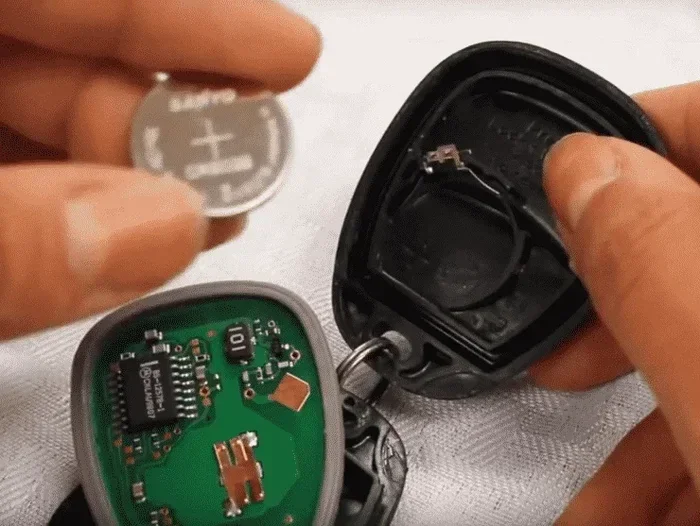
Do You Have to Reset the Car Key After a Battery Change
Yes, in many cases you do need to reset your car key after changing the battery. Some vehicles require resynchronization, while others reset automatically. The process depends on your car make, model, and key type. This guide walks you through every scenario so you can get back on the road without stress.
Key Takeaways
- Reset May Be Required: Many car keys need manual resynchronization after a battery swap.
- It Depends on Your Vehicle: Some cars reset automatically, while others need a specific key reset procedure.
- Process Is Usually Simple: Most key fob reset steps take only a few minutes at home.
- Wrong Battery Type Causes Issues: Using the incorrect battery can lead to key fob problems even after resetting.
- Common Mistakes Happen: Skipping steps or using the wrong battery are the top reasons keys fail after replacement.
- When in Doubt, Consult the Manual: Your owner’s manual has the exact key fob reset steps for your car.
📑 Table of Contents
- Do You Have to Reset the Car Key After Changing the Battery?
- Which Cars Need a Manual Key Fob Reset?
- How to Reset Your Car Key After a Battery Change
- Common Mistakes When Changing a Car Key Battery
- When Should You Call a Professional?
- How to Prevent Key Fob Problems in the Future
- Key Takeaways
- Conclusion
Do You Have to Reset the Car Key After Changing the Battery?
You just popped open your car key, swapped out the old battery, and now nothing works. The remote buttons don’t respond. The push button start won’t turn on. You wonder, “Did I break something?”
Here is the good news. In most cases, your key is not broken. It just needs a simple reset. But the real question is whether you have to reset the car key after a battery change. The answer is not a simple yes or no. It depends on your vehicle, your key type, and the key fob reset steps involved.
This guide breaks it all down. You will learn when a reset is needed, how to do it, and what to do if the key fob still does not work. Let us get into it.
Why Does the Key Stop Working After a Battery Change?
When you replace the battery in your car key, you are interrupting the power supply to the key fob’s internal computer chip. This chip stores important pairing data. It remembers how to talk to your car’s security system.
Think of it like unplugging your Wi-Fi router. When you plug it back in, it needs a moment to reconnect. The same thing happens with your car key battery replacement. The key loses its connection to the car. In some vehicles, it reconnects on its own. In others, you need to trigger a key fob reset manually.
The car immobilizer system is the main reason this happens. Your car has a security feature that only recognizes your specific key. When the battery dies or gets replaced, the key temporarily forgets the handshake. A reset re-establishes that connection.
Which Cars Need a Manual Key Fob Reset?
Not all cars require a manual reset after a car key battery change. Some models reconnect automatically. Others need you to follow a specific sequence. Here is a closer look at how different vehicles handle this.
Cars That Reset Automatically
Many modern vehicles with keyless entry systems and push button start will re-sync on their own. You just need to press any button on the remote within a few minutes of installing the new battery. The car detects the key fob nearby and re-pairs it automatically.
Popular brands like Toyota, Honda, and Ford often fall into this category for their standard remote key fobs. If your car has a transponder key or a smart key, the automatic reset feature is even more common.
Cars That Require a Manual Reset
Some vehicles, especially older models or luxury brands, need a deliberate reset procedure. European cars like BMW, Mercedes-Benz, and Audi often require specific steps. Luxury vehicles tend to have more complex car security systems that do not auto-resync.
In these cases, you may need to insert the key into the ignition, turn it to a specific position, or press a combination of buttons on the dashboard. Each car brand has its own key fob reprogramming method.
Key Fob Types and Their Reset Needs
Not all key fobs are the same. The type of key you have determines whether you need a reset. Here is a quick breakdown of the most common types.
| Key Type | Needs Manual Reset? | Typical Reset Method |
|---|---|---|
| Standard Remote Key | Sometimes | Press lock and unlock simultaneously |
| Smart Key / Proximity Key | Rarely | Auto-pairs when battery is replaced near the car |
| Transponder Key | Often | Insert key in ignition and cycle positions |
| Flip-Out Key / Switchblade | Sometimes | Hold buttons for 5-10 seconds |
| Keyless Entry Remote Only | Usually | Hold lock and unlock for 15 seconds |
As you can see, the key fob reset process varies widely. Always check your owner’s manual before starting. It has the exact steps for your specific model.
How to Reset Your Car Key After a Battery Change
Now for the part you have been waiting for. How do you actually reset your car key? Below are step-by-step instructions for the most common scenarios. These key fob troubleshooting steps apply to most vehicles on the road today.
Step-by-Step Reset for Most Remote Keys
Follow these steps if your car has a standard remote key fob. This method works for many Toyota, Honda, Nissan, and Chevrolet models.
- Enter your car and close all doors.
- Insert the key into the ignition cylinder.
- Turn the key to the “On” position. Do not start the engine.
- Press and hold the lock button on the key fob.
- Turn the key back to the “Off” position while still holding the lock button.
- Release the lock button after the key is in the “Off” position.
- Wait 5 seconds. Then press the lock button once.
- Listen for a beep or see the lights flash. This means the reset worked.
This process re-establishes the connection between your remote key fob and the car’s keyless entry system. It usually takes less than two minutes.
Reset for Push Button Start Vehicles
If your car has a push button start and a smart key, the process is different. These vehicles use proximity detection. Here is what to do.
- Place the key fob inside the car, ideally on the dashboard or center console.
- Press the push button start once without stepping on the brake.
- Press and hold the lock button on the key fob for 10 seconds.
- Press the unlock button once.
- Remove the key fob from the car and walk away.
- Try locking the car from a distance using the remote.
If the car remote start function works from outside, your reset was successful. The key fob has re-paired with your vehicle.
Reset for Transponder Keys
Transponder keys have a built-in chip that communicates with the car’s immobilizer system. These keys need a specific reset sequence. Here is the general method.
- Insert the key into the ignition.
- Turn it to the “On” position and wait 10 minutes.
- Turn it to the “Off” position and wait another 5 minutes.
- Turn it back to “On” and wait 10 more minutes.
- Start the engine. If it starts, the reset worked.
This is called the key fob reprogramming cycle. It gives the car’s computer time to re-recognize the transponder signal. Some vehicles may require slightly different timing, so always double-check your manual.
Common Mistakes When Changing a Car Key Battery
Even with the best intentions, people make mistakes during a car key battery replacement. These errors can cause extra problems and frustration. Here are the most common ones to avoid.
Using the Wrong Battery Type
This is the number one mistake. Most car keys use a CR2032 battery, but not all of them. Some models require a CR2025 or CR2016. Check your owner’s manual or look at the old battery before buying a replacement. Putting the wrong battery in can damage the key fob or prevent it from working even after a reset.
Forgetting to Reset After the Change
Many people assume the key will work right away after a battery swap. It might work for a few minutes, then stop. This happens because the key fob did not fully re-sync with the car. Always perform a key fob reset after every battery change to avoid this issue.
Touching the Wrong Contacts
When you open the key fob casing, you may accidentally touch the internal contacts. This can discharge the key’s memory. Be gentle when prying open the case. Use a plastic tool, not a metal one, to avoid static discharge.
Rushing the Reset Process
Patience matters. If you rush through the key fob reset steps, you may skip a critical step. Follow each step carefully. Count to five when the instructions say to wait. Rushing is the fastest way to fail a reset and need to start over.
Not Testing the Key Immediately
After completing the reset, test all functions right away. Try locking, unlocking, and starting the car. If something does not work, repeat the process. Do not drive away assuming it will fix itself later.
Quick Tips for a Smooth Battery Change
- Use a non-metallic tool to open the key fob case.
- Note the battery orientation before removing the old battery.
- Clean the battery contacts with a dry cloth before inserting the new one.
- Work on a flat, well-lit surface to avoid losing small parts.
- Keep your owner’s manual nearby during the process.
When Should You Call a Professional?
Most car key battery replacements and resets are simple DIY tasks. But there are times when you should call in the experts. Here are signs that professional help is needed.
The Key Still Does Not Work After Multiple Resets
If you have tried the reset process three or more times and the key still does not respond, something deeper may be wrong. The internal circuitry could be damaged. Or the car security system may have locked the key out entirely.
The Key Physical Damage
If the key casing cracked during the battery change, the internal components may be exposed. Moisture or dust can damage the key fob electronics. A professional can assess whether the key needs replacement or repair.
You Lost the Programming Sequence
Some vehicles require a special diagnostic tool for key fob reprogramming. Luxury brands and newer models often fall into this category. A locksmith or dealership can perform the reset with the right equipment.
The Car Will Not Recognize Any Key
If your car does not recognize any key at all, not just the one you changed, the issue may be with the car’s immobilizer system or the antenna ring around the ignition. This requires professional diagnosis.
Expert Insight: According to automotive locksmiths, about 70% of key fob issues after a battery change are resolved with a simple reset. The remaining 30% usually involve a deeper electronic problem that needs professional tools to fix. Do not hesitate to call a pro if basic steps do not work.
How to Prevent Key Fob Problems in the Future
Prevention is always better than cure. Here are simple habits that keep your car key battery replacement process smooth every time.
Replace the Battery Before It Dies
Do not wait until the key stops working. Most car key batteries last 2 to 3 years. Replace the battery proactively to avoid being stranded. Keep a spare CR2032 battery in your glove box at all times.
Handle the Key With Care
Avoid dropping your key fob. Impact can damage the internal circuit board. Keep it away from water and extreme heat. A protective key fob case can add extra durability.
Reset After Every Battery Change
Make it a habit to reset your remote key fob after every battery replacement. Even if your car auto-syncs, performing a manual reset ensures everything is properly connected. It takes less than two minutes and saves hours of troubleshooting.
Keep a Spare Key
Always have a backup key fob. If your primary key fails, a spare can get you to a locksmith or dealership quickly. Store the spare in a safe but accessible place, not in your car.
Use Quality Batteries
Cheap batteries may seem like a savings, but they often die faster and leak. Invest in reputable brands like Energizer, Duracell, or Panasonic for your key fob battery replacement. Quality batteries last longer and reduce the risk of corrosion inside the key fob.
Key Takeaways
- Reset May Be Required: Many car keys need manual resynchronization after a battery swap.
- It Depends on Your Vehicle: Some cars reset automatically, while others need a specific key reset procedure.
- Process Is Usually Simple: Most key fob reset steps take only a few minutes at home.
- Wrong Battery Type Causes Issues: Using the incorrect battery can lead to key fob problems even after resetting.
- Common Mistakes Happen: Skipping steps or using the wrong battery are the top reasons keys fail after replacement.
- When in Doubt, Consult the Manual: Your owner’s manual has the exact key fob reset steps for your car.
Conclusion
So, do you have to reset the car key after changing the battery? In most cases, yes. A key fob reset is a quick and easy step that saves you from hours of frustration. Whether your car auto-syncs or needs a manual reset, the process is straightforward and takes only a few minutes.
Remember the key points. Always use the right battery type. Follow the reset steps carefully. Test all functions immediately after. And do not hesitate to call a professional if the key still does not work.
Your car key battery replacement does not have to be a headache. With the right knowledge and a little patience, you can handle it like a pro. Keep this guide bookmarked for your next battery swap, and you will always be prepared.
Take action today. Check your key fob battery now. If it is low, replace it and perform a reset. You will thank yourself the next time you need to lock your car from across the parking lot.
Frequently Asked Questions
Do all car keys need a reset after a battery change?
No, not all car keys need a manual reset. Many modern vehicles with keyless entry and push button start will auto-resync when you replace the battery. However, some models, especially older or luxury vehicles, require a deliberate reset. Always check your owner’s manual to confirm your specific car’s needs.
What type of battery do most car keys use?
Most car keys use a CR2032 battery, which is a common 3-volt coin cell battery. However, some models use CR2025 or CR2016 batteries. Check your owner’s manual or look at the old battery before purchasing a replacement to ensure you get the correct type.
How long does it take to reset a car key after a battery change?
A typical key fob reset takes between 1 and 5 minutes. The exact time depends on your car model and the reset method required. Simple remote key resets are very fast, while transponder key reprogramming cycles may take up to 30 minutes.
Can a dead key fob battery drain my car battery?
No, a dead key fob battery will not drain your car battery. The key fob operates independently and draws no power from the car when it is not in use. However, a dead key fob battery will prevent you from remotely locking or starting your car.
What should I do if my car key still does not work after a reset?
If your car key still does not work after a reset, try replacing the battery again with a fresh one. Make sure you inserted the battery in the correct orientation. If the problem persists, the key fob may have internal damage or a deeper issue with your car’s security system. Contact a professional locksmith or dealership for assistance.
Is it safe to change the car key battery myself?
Yes, changing the car key battery yourself is safe and simple. Most key fobs have a small release button or tab that pops open the casing. Just be gentle, avoid touching the internal circuit board with metal tools, and make sure you use the correct battery type. If you feel unsure, a locksmith can help for a small fee.