Can Skipping Oil Changes Cause Your Engine to Overheat
Skipping oil changes can absolutely cause your engine to overheat. When oil breaks down, it loses its ability to lubricate and cool critical engine components, leading to dangerous temperature spikes. Regular oil changes are one of the simplest and most effective ways to protect your engine from overheating and expensive repairs. This guide covers the science, warning signs, and prevention steps every driver should know.
Your car’s engine is a marvel of engineering. Thousands of tiny parts work together at incredible speeds, generating tremendous power and even more heat. Most drivers know that oil keeps engines running smoothly. But here is the thing many people overlook. That same oil plays a massive role in keeping your engine from overheating. And when you skip oil changes, you are putting your entire engine at risk.
So, can skipping oil changes cause overheating? The short answer is yes. It is not just a possibility. It is a very real danger that affects engines every single day. Let us break down exactly how this happens, what warning signs to watch for, and what you can do to protect your vehicle.
Engine overheating is not something to take lightly. It can lead to cracked engine blocks, blown head gaskets, and repairs that cost thousands of dollars. Understanding the connection between oil changes and engine temperature is one of the most important things you can do as a car owner. Whether you are a seasoned driver or someone who just got their first car, this information will help you keep your engine healthy and running strong.
Key Takeaways
- Oil is essential for cooling: Clean oil absorbs and transfers heat away from engine parts, preventing overheating.
- Old oil loses effectiveness: Over time, oil breaks down and can no longer provide proper lubrication or thermal protection.
- Overheating causes serious damage: Ignoring warning signs can lead to warped engine parts, blown head gaskets, and total engine failure.
- Follow your maintenance schedule: Sticking to your manufacturer’s oil change interval is the best way to prevent overheating.
- Watch for warning signs: Temperature gauge spikes, strange noises, and steam from the hood are red flags you should never ignore.
- Prevention is cheaper than repair: A routine oil change costs a fraction of what an overheated engine repair will cost.
📑 Table of Contents
- How Engine Oil Keeps Your Engine Cool
- The Direct Link Between Skipping Oil Changes and Overheating
- Warning Signs Your Engine Is Overheating
- Common Causes of Engine Overheating Beyond Oil Changes
- How to Prevent Overheating with Proper Oil Maintenance
- The Cost of Ignoring Oil Changes vs. Regular Maintenance
- Quick Tips to Keep Your Engine Cool and Healthy
- Conclusion
How Engine Oil Keeps Your Engine Cool
The Role of Oil in Temperature Regulation
Most people think of oil as a lubricant. And that is absolutely true. Oil reduces friction between moving parts inside your engine. But its job does not stop there. Engine oil also acts as a coolant. It picks up heat from hot components like the pistons, crankshaft, and camshaft. Then it carries that heat away to the oil pan, where it can dissipate into the air.
Think of it like this. Your engine is like a busy kitchen. All those parts are like cooks working hard and generating a lot of heat. Oil is like the ventilation system. Without it, the kitchen would get dangerously hot, and everything would start to break down. Fresh oil keeps the system running at the right temperature.
Clean oil also flows easily through tight passages in your engine. This smooth flow helps distribute heat evenly. It prevents hot spots from forming. Hot spots are dangerous because they can cause localized damage to engine components. Over time, those small problems add up into major issues.
What Happens When Oil Breaks Down
Engine oil does not last forever. Heat, pressure, and contamination take a toll on it over time. As oil ages, it loses its ability to flow freely. It becomes thicker and less effective. This is called oil degradation. When oil degrades, it cannot absorb and transfer heat the way it should.
Old oil also picks up particles and debris from engine wear. These tiny contaminants create friction. More friction means more heat. It becomes a vicious cycle. The dirtier the oil gets, the less cooling it provides. And the less cooling it provides, the hotter your engine runs.
Another factor is oil additive depletion. Modern engine oils contain additives that help with heat resistance, corrosion prevention, and cleaning. These additives wear out over time. Once they are gone, the oil cannot perform its cooling function properly. This is one of the main reasons why skipping oil changes cause overheating problems.
The Direct Link Between Skipping Oil Changes and Overheating
Oil Breakdown and Heat Buildup
When you skip an oil change, the old oil continues to circulate through your engine. It is no longer doing its job effectively. The heat absorption capacity drops significantly. Engine components that rely on oil for cooling start to run hotter than they should.
Here is a simple way to understand it. Fresh oil is like a clean sponge. It soaks up heat easily. Old oil is like a sponge that is already soaked through. It cannot absorb any more heat. The heat stays trapped in the engine. Temperatures rise. And before you know it, you are dealing with an overheating engine.
Different driving conditions accelerate this process. If you drive in hot weather, stop-and-go traffic, or tow heavy loads, your engine already runs hotter. Old oil makes this problem much worse. The combination of harsh conditions and degraded oil is a recipe for overheating.
Reduced Lubrication Means More Friction and Heat
Friction is the enemy of every engine. When metal parts rub against each other without proper lubrication, they create heat. That heat builds up fast. Clean oil creates a thin protective layer between moving parts. This layer reduces friction and keeps temperatures in check.
When oil breaks down or gets low, that protective layer disappears. Metal starts grinding against metal. The friction generates even more heat than the oil can handle. Engine parts start to swell from the heat. Clearances shrink. Everything tightens up. And the overheating gets worse.
This is especially dangerous for the bearings inside your engine. Bearings rely on a constant supply of clean oil to function. When oil is old or insufficient, bearings overheat. They can warp or fail completely. A failed bearing can destroy an engine in a matter of minutes.
Oil Sludge and Clogged Passages
Another serious problem caused by skipping oil changes is oil sludge. Sludge forms when old oil oxidizes and mixes with contaminants. It is a thick, dark substance that clogs oil passages in your engine. When these passages get blocked, oil cannot flow properly.
Restricted oil flow means certain parts of your engine do not get the lubrication and cooling they need. Those parts overheat. Sludge can also block the oil pickup screen. This cuts off oil supply to the engine entirely. Without oil, an engine can seize up in minutes. That is a catastrophic failure that often means the engine needs to be replaced completely.
Sludge buildup is one of the most common and preventable causes of engine overheating. It develops slowly over time. You might not notice it at first. But eventually, it causes serious problems that can be very expensive to fix.
Warning Signs Your Engine Is Overheating
Early Warning Signals You Should Never Ignore
Your car gives you plenty of warning before an overheating problem becomes catastrophic. The key is knowing what to look for. Catching these signs early can save you from a very expensive repair bill.
- Temperature gauge rising: Your dashboard temperature gauge is the most obvious indicator. If it starts climbing toward the red zone, pull over safely and turn off the engine.
- Steam or smoke from the hood: This is a clear sign that your engine is overheating. Steam can come from a leaking hose or from coolant boiling over due to excessive heat.
- Strange smells: A sweet smell might indicate a coolant leak. A burnt or oily smell could mean oil is overheating. Both are serious warning signs.
- Reduced engine power: An overheating engine often loses power. You might notice sluggish acceleration or difficulty maintaining speed.
- Check engine light: While this light can mean many things, it often illuminates when the engine is running too hot.
What Overheating Looks Like in Real Time
If you notice any of these signs, act quickly. Turn on your heater. This might sound counterintuitive, but it helps draw heat away from the engine. Pull over to a safe location and turn off the engine. Do not open the hood immediately. Pressurized steam can cause serious burns.
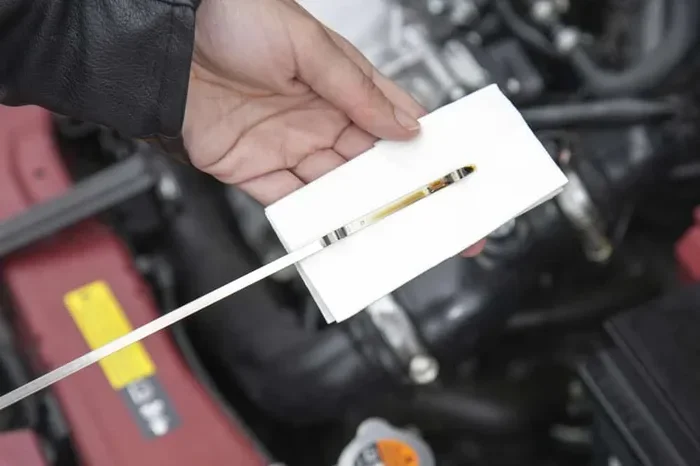
Wait at least 15 to 20 minutes before checking anything. Look for visible coolant leaks under the car. Check the oil level and condition. If the oil looks dark, gritty, or low, that is likely contributing to the overheating problem.
Never ignore an overheating engine. Even if it seems to cool down after you pull over, the damage may already be done. Repeated overheating episodes weaken engine components over time. What starts as a minor issue can turn into a major engine failure if you keep driving without addressing the root cause.
Common Causes of Engine Overheating Beyond Oil Changes
Coolant System Failures
While oil plays a big role in engine cooling, it is not the only system involved. Your coolant system is the primary cooling mechanism. It includes the radiator, water pump, thermostat, hoses, and coolant fluid. If any of these components fail, your engine can overheat regardless of how fresh your oil is.
A leaking radiator hose is one of the most common causes of overheating. A faulty water pump cannot circulate coolant properly. A stuck thermostat prevents coolant from flowing to the radiator. All of these issues can cause engine temperatures to spike.
However, the good news is that maintaining your oil properly reduces the overall heat load on your coolant system. When oil is doing its job, the coolant does not have to work as hard. This is another reason why regular oil changes matter so much.
Thermostat and Radiator Issues
The thermostat regulates coolant flow based on engine temperature. If it gets stuck closed, coolant cannot circulate. The engine heats up rapidly. A radiator fan that is not working properly can also cause overheating. The fan pulls air through the radiator to cool the coolant. Without it, heat builds up quickly, especially in stop-and-go traffic.
These issues are not caused by skipping oil changes directly. But here is the connection. When oil is degraded and not cooling the engine properly, the coolant system has to compensate. It works harder. It wears out faster. So skipping oil changes can indirectly contribute to cooling system failures over time.
How to Prevent Overheating with Proper Oil Maintenance
Following Your Oil Change Schedule
The best way to prevent overheating caused by old oil is to follow your manufacturer’s recommended oil change schedule. Most modern vehicles need an oil change every 5,000 to 7,500 miles. Some newer cars with synthetic oil can go even longer, up to 10,000 or 15,000 miles.
But these are general guidelines. Your actual driving habits matter. If you frequently drive in extreme heat, tow heavy loads, or spend a lot of time in traffic, you should change your oil more often. Severe driving conditions break down oil faster. Short trips are especially hard on oil because the engine never gets fully up to temperature, which allows moisture and contaminants to build up.
Keep a log of your oil changes. Set reminders on your phone or calendar. Staying on top of your maintenance schedule is the single most effective way to protect your engine from overheating.
Choosing the Right Oil for Your Vehicle
Not all engine oils are the same. Using the wrong oil can contribute to overheating problems. Check your owner’s manual for the recommended oil viscosity and type. The manual will specify whether you need conventional oil, synthetic blend, or full synthetic oil.
Synthetic oils generally handle heat better than conventional oils. They have superior thermal stability and resist breakdown at high temperatures. If you live in a hot climate or do a lot of towing, synthetic oil is a great choice. It provides better protection and lasts longer between changes.
Also, make sure you replace your oil filter with every oil change. A clogged oil filter restricts oil flow. Poor oil flow means poor cooling and lubrication. A fresh filter ensures clean oil can circulate freely through your engine.
The Cost of Ignoring Oil Changes vs. Regular Maintenance
Repair Costs for Overheated Engines
Let us talk numbers. A routine oil change typically costs between 30 and 75 dollars, depending on your vehicle and the type of oil used. That is a small price to pay for the protection it provides. Now consider what happens when skipping oil changes cause overheating and engine damage.
A warped cylinder head can cost 500 to 1,000 dollars to repair. A blown head gasket repair ranges from 1,000 to 2,000 dollars. A complete engine replacement can cost anywhere from 4,000 to 8,000 dollars or more. The difference between a 50-dollar oil change and a 5,000-dollar engine replacement is staggering.
And those are just the repair costs. If your engine fails while you are driving, you might face towing fees, rental car costs, and lost time. The financial impact of neglecting oil changes can be devastating.
Long-Term Benefits of Staying on Top of Oil Changes
Regular oil changes do more than prevent overheating. They extend the life of your engine. They improve fuel efficiency. They keep your engine running smoothly and quietly. A well-maintained engine can last hundreds of thousands of miles with proper care.
When you change your oil regularly, you also catch other potential problems early. During an oil change, a technician checks for leaks, inspects the oil filter, and looks at the overall condition of your engine. These inspections can reveal small issues before they become big, expensive problems.
Think of oil changes as insurance for your engine. They are a small, regular investment that pays off in the long run. Your future self will thank you when your engine is still running strong after 200,000 miles.
Quick Tips to Keep Your Engine Cool and Healthy
- Check your oil level at least once a month. Low oil means less cooling and lubrication.
- Watch your temperature gauge while driving. Do not ignore a rising temperature.
- Never ignore a dashboard warning light. Pull over safely and investigate.
- Keep your coolant system in good shape. Check coolant levels and inspect hoses regularly.
- Use the oil type recommended by your vehicle manufacturer.
- Do not skip oil changes, even if your car seems to be running fine.
- Address any oil leaks immediately. Even small leaks can lead to low oil levels and overheating.
Conclusion
The answer to the question “can skipping oil changes cause overheating” is a clear and definitive yes. Engine oil is not just a lubricant. It is a critical part of your engine’s cooling system. When oil breaks down, gets contaminated, or runs low, it cannot do its job. Heat builds up. Temperatures rise. And your engine suffers.
Skipping oil changes cause overheating by allowing oil to degrade, sludge to form, and heat to accumulate beyond what your engine can handle. The consequences range from minor performance issues to catastrophic engine failure. The good news is that preventing this is simple. Follow your oil change schedule, use the right oil, and pay attention to warning signs.
Your engine is the heart of your vehicle. Treat it well with regular maintenance, and it will reward you with years of reliable service. Do not wait for an overheating problem to remind you how important oil changes really are. Take action today. Your wallet and your engine will thank you tomorrow.
Frequently Asked Questions
Can a car overheat from old oil alone?
Yes, old oil is one of the most common causes of engine overheating. As oil ages, it loses its ability to absorb and transfer heat. It also becomes thicker, which reduces flow and cooling efficiency. In severe cases, old oil can cause your engine to overheat even if everything else is working properly.
How often should I change my oil to prevent overheating?
Most vehicles need an oil change every 5,000 to 7,500 miles. Check your owner’s manual for the exact recommendation. If you drive in harsh conditions like extreme heat or heavy traffic, you may need to change your oil more frequently. Staying on schedule is the best way to prevent overheating.
What happens if my engine overheats due to old oil?
An engine that overheats from old oil can suffer serious damage. Components like the head gasket, cylinder head, and pistons can warp or crack. In extreme cases, the engine can seize entirely. Repair costs for heat damage can range from a few hundred to several thousand dollars depending on the severity.
Can low oil cause overheating even if I change it regularly?
Absolutely. Oil level matters just as much as oil freshness. If your oil is low, there is not enough oil to properly lubricate and cool the engine. Check your oil level regularly between changes. Top it off if needed, and investigate any leaks that might be causing your oil level to drop.
Is synthetic oil better at preventing overheating than conventional oil?
Yes, synthetic oil generally handles heat better than conventional oil. It has superior thermal stability and resists breakdown at high temperatures. Synthetic oil also flows more easily in hot conditions, which improves cooling and lubrication. If you live in a hot climate or tow heavy loads, synthetic oil is an excellent choice for preventing overheating.
Are there other fluids besides oil that help prevent engine overheating?
Yes, coolant is the primary fluid responsible for engine cooling. It circulates through the engine block and radiator to absorb and release heat. Transmission fluid and power steering fluid also help manage heat in their respective systems. Keeping all your fluids fresh and at proper levels is essential for preventing overheating.