Do You Check Your Transmission Fluid in Park or Drive
Most experts agree you should check transmission fluid with the engine running and the gear selector in Park. Checking it in Drive or Neutral can give you false readings and potentially damage your transmission. This guide walks you through the exact steps, common mistakes, and expert tips to keep your transmission running smoothly for years to come.
Do You Check Transmission Fluid in Park or Drive? This is one of the most common questions car owners ask when they open the hood. The answer might seem simple, but there is more to it than just picking a gear position. Getting it wrong can lead to inaccurate readings, wasted time, or even damage to your vehicle.
Your transmission is one of the most expensive parts of your car to repair or replace. A simple transmission fluid check takes only a few minutes and can save you thousands of dollars. But doing it the wrong way defeats the purpose entirely. That is why understanding the correct procedure matters so much.
In this guide, we will walk you through everything you need to know. We will cover the right position, the right time, and the right way to check your fluid. You will also learn how to spot warning signs of low or dirty fluid and when it is time for a change. By the end, you will feel confident handling this essential maintenance task on your own.
Key Takeaways
- Always check transmission fluid in Park: This is the standard position recommended by most manufacturers for an accurate reading.
- Engine must be warm and running: Cold fluid gives inaccurate levels and readings.
- Locate the dipstick correctly: Transmission dipsticks are often separate from engine oil dipsticks.
- Check fluid color and smell: Healthy fluid is red and smooth; dark or burnt fluid needs attention.
- Avoid checking in Drive or Neutral: These positions can cause inaccurate readings and safety risks.
- Follow your vehicle’s specific manual: Some vehicles have unique procedures, especially newer models.
- Regular checks prevent costly repairs: Catching low or dirty fluid early saves thousands in transmission replacement costs.
📑 Table of Contents
- Why Transmission Fluid Matters
- Do You Check Transmission Fluid in Park or Drive: The Correct Position
- Step-by-Step Guide to Checking Transmission Fluid
- Common Mistakes People Make When Checking Transmission Fluid
- Transmission Fluid: When to Change It
- Transmission Fluid Check for Different Vehicle Types
- Expert Tips for Maintaining Healthy Transmission Fluid
- Key Takeaways
- Conclusion
Why Transmission Fluid Matters
Transmission fluid does several critical jobs in your vehicle. It lubricates all the moving parts inside the transmission. It helps cool the system during operation. It also acts as a hydraulic fluid that helps your gears shift smoothly. Without proper fluid levels and condition, your transmission will suffer.
Over time, transmission fluid breaks down. Heat and friction cause it to degrade. Dirt and metal particles from internal wear contaminate it. When fluid gets old or low, shifting becomes rough. You might notice delays, slipping, or strange noises. In worst cases, the transmission can fail completely.
How Often Should You Check Transmission Fluid?
Most vehicle manufacturers recommend checking your transmission fluid at least once a month. You should also check it before any long road trips. If you notice any shifting problems, check it right away. Regular checks are the easiest way to catch small problems before they become big ones.
Some newer vehicles come with sealed transmissions that do not have a dipstick. These models require a different check procedure, often done by a mechanic. But if your vehicle has a dipstick, you can and should check the fluid yourself. It is a quick and easy task that anyone can learn.
Do You Check Transmission Fluid in Park or Drive: The Correct Position
This is the heart of the question. The short answer is Park. Almost all vehicle manufacturers recommend checking automatic transmission fluid with the gear selector in Park and the parking brake engaged. This position ensures the transmission gears are fully disengaged, giving you the most accurate fluid level reading.
But why does position matter so much? Let us break it down.
Why Park Is the Standard
When your vehicle is in Park, the transmission output shaft is locked. This means the fluid inside the transmission settles into a stable, resting state. The pump is not actively moving fluid through the system under load. The dipstick reading reflects the true fluid level at rest.
Checking in Park also keeps you safe. The vehicle cannot roll or move unexpectedly. You avoid any risk of the car lurching forward or backward while you are under the hood or leaning over the engine bay.
Why Not Drive or Neutral
Some people wonder if checking in Neutral or Drive gives a different reading. The answer is yes, it does, and it is not accurate. When the transmission is in Gear, the fluid is under pressure and circulating. The level on the dipstick will appear lower than it actually is because fluid is being pushed through the system and torque converter.
Checking in Drive is also dangerous. The vehicle could lurch forward or backward if you forget to hold the brake. This creates a serious safety hazard. Always keep the gear selector in Park for your safety and for an accurate reading.
There is one exception worth noting. Some older vehicles or specific models may have slightly different procedures. Always consult your owner manual first. But for the vast majority of cars and trucks on the road today, Park is the correct position.
Step-by-Step Guide to Checking Transmission Fluid
Now that you know the correct position, let us walk through the entire process. Following these steps ensures you get an accurate reading every time.
Step 1: Warm Up the Engine
Start your vehicle and let the engine idle for about 5 to 10 minutes. The transmission fluid needs to be warm for an accurate reading. Cold fluid is thicker and does not settle at the correct level on the dipstick. A warm engine brings the fluid to its normal operating temperature.
However, do not overheat the engine. Just let it idle in Park until it reaches normal operating temperature. The temperature gauge on your dashboard should be in the normal range.
Step 2: Engage the Parking Brake
Before you do anything under the hood, pull the parking brake. This is a critical safety step. Even though the vehicle is in Park, the parking brake adds an extra layer of protection. It prevents any unexpected movement.
Step 3: Locate the Transmission Dipstick
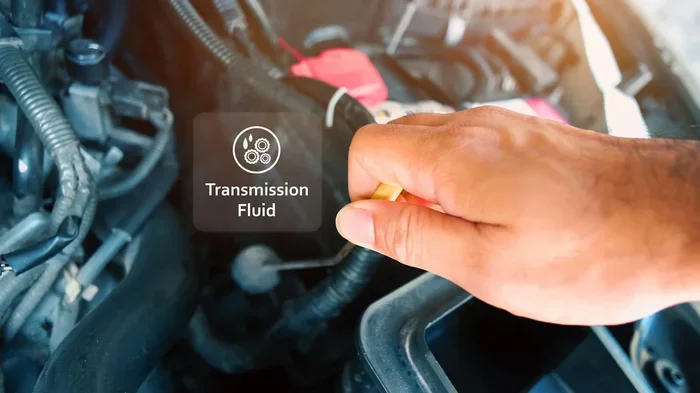
Open the hood and look for the dipstick handle. Transmission dipsticks are usually labeled and often have a different color handle than the engine oil dipstick. On many vehicles, the transmission dipstick is located toward the back of the engine bay, near the firewall.
Some vehicles have a fill plug instead of a dipstick. These are common in certain makes and models. If you cannot find a dipstick, check your owner manual. You may need to visit a mechanic or dealership for the fluid level check.
Step 4: Pull, Wipe, and Reinsert
Pull the dipstick out completely. Wipe it clean with a lint-free rag or paper towel. Reinsert it fully, then pull it out again. Look at the fluid level markings on the dipstick. There are usually two marks: a full line and a low line. The fluid should fall between these marks.
Step 5: Check Fluid Color and Smell
This is just as important as the level check. Healthy transmission fluid should be reddish-pink and translucent. It should feel smooth between your fingers. If the fluid is dark brown or black, it is old and needs changing. If it smells burnt or has visible particles, your transmission may have internal damage.
Healthy fluid condition is a great sign. It means your transmission is being properly maintained. Dark or burnt fluid is a warning sign you should not ignore.
Step 6: Add Fluid if Needed
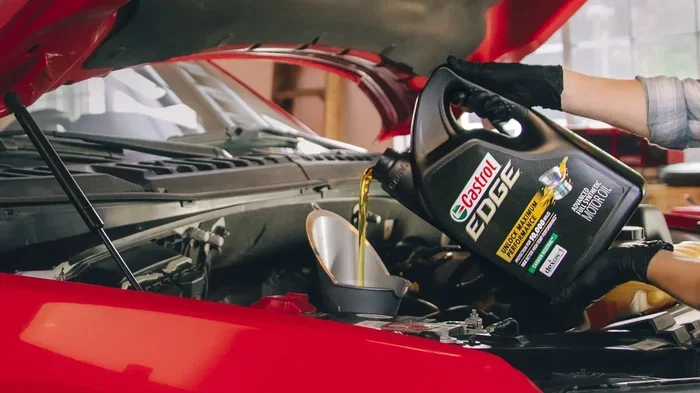
If the level is low, use a funnel to add the correct type of transmission fluid. Pour slowly and check the level frequently. Overfilling can be just as bad as underfilling. Too much fluid can cause foaming, which leads to poor lubrication and transmission damage.
Always use the fluid type specified in your owner manual. Using the wrong fluid can cause serious problems. Different transmissions require different fluid formulations, and mixing them can lead to costly repairs.
Common Mistakes People Make When Checking Transmission Fluid
Even with the best intentions, many people make mistakes during transmission fluid checks. Here are the most common ones and how to avoid them.
Checking the Fluid When the Engine Is Off
This is probably the biggest mistake. Transmission fluid levels should always be checked with the engine running. The fluid needs to be circulating and at operating temperature for an accurate reading. An engine-off check will almost always show a lower level than is actually true.
Not Letting the Engine Warm Up Enough
Some people start the car and immediately check the fluid. This does not give the fluid enough time to warm up and settle. Always wait at least 5 minutes after starting the engine. The fluid needs time to reach normal operating temperature.
Overfilling the Transmission
Adding too much fluid is a real problem. Excess fluid gets whipped into foam by the transmission pump. Foamed fluid loses its lubricating ability. It can also cause pressure problems inside the transmission, leading to slipping and poor shifting.
Using the Wrong Type of Fluid
Not all transmission fluids are the same. There are many different formulations designed for specific transmission types. Using the wrong fluid can damage seals, clutches, and internal components. Always check your owner manual or consult a professional if you are unsure.
Ignoring Warning Signs
Many people check the fluid level but ignore the color and smell. If the fluid looks or smells wrong, the level does not matter. You need to address the underlying issue immediately. Ignoring warning signs can lead to complete transmission failure.
Transmission Fluid: When to Change It
Checking the fluid is only half the battle. Knowing when to change it is equally important. Regular fluid changes are one of the best ways to extend the life of your transmission.
Signs Your Transmission Fluid Needs Changing
Watch for these warning signs that your fluid needs attention:
- The fluid is dark brown or black in color
- The fluid has a burnt smell
- You notice slipping between gears
- Shifting feels rough or delayed
- You hear grinding or whining noises
- The check engine light comes on
- Fluid leaks appear under your vehicle
If you notice any of these symptoms, check your fluid immediately. Low or contaminated fluid is often the cause. Addressing the problem early can prevent a major transmission repair bill.
Recommended Change Intervals
Most manufacturers recommend changing transmission fluid every 30,000 to 60,000 miles. However, this varies by vehicle and driving conditions. If you tow heavy loads, drive in stop-and-go traffic, or operate in extreme temperatures, you may need to change the fluid more frequently.
Always refer to your owner manual for the manufacturer recommended interval. Some newer vehicles claim to have lifetime fluid, but many experts still recommend changing it every 50,000 miles or so for best results.
Transmission Fluid Check for Different Vehicle Types
Not all vehicles are the same when it comes to transmission fluid checks. Let us look at how different types of vehicles handle this maintenance task.
Automatic Transmissions
Most automatic transmission vehicles have a dipstick that is easy to access. The procedure we outlined above works for most automatics. Check the fluid in Park with the engine warm and running. This applies to conventional automatics and most modern vehicles.
Manual Transmissions
Manual transmissions are different. Many manual vehicles do not have a dipstick at all. Instead, they have a fill plug on the side of the transmission casing. Checking the fluid level on a manual transmission often requires the vehicle to be lifted or on a hoist.
For manual transmissions, the fluid check is usually done by a mechanic. If you want to check it yourself, you will need to locate the fill plug and inspect the fluid level through the opening. This is less precise than using a dipstick but still effective.
Sealed and CVT Transmissions
Some modern vehicles come with sealed transmissions that have no dipstick. Continuously Variable Transmissions, or CVTs, are a good example. These transmissions often require a special fluid check procedure that involves a scan tool or a fill plug check.
If your vehicle has a sealed transmission, do not try to open it yourself. Take it to a qualified mechanic or dealership. They have the tools and expertise to check the fluid level correctly without risking damage.
Expert Tips for Maintaining Healthy Transmission Fluid
Beyond just checking the fluid, there are habits you can adopt to keep your transmission in great shape. These simple tips can add years to your transmission life.
Check Your Fluid Regularly
Make transmission fluid checks part of your monthly routine. It takes less than five minutes and gives you peace of mind. Regular monitoring helps you catch problems early before they become expensive repairs.
Watch for Leaks
Look for red or brown fluid spots under your parked car. Transmission fluid leaks are common and should be addressed promptly. Even a small leak can lead to low fluid levels, which causes overheating and internal damage.
Address Warning Signs Immediately
If you notice any shifting problems, do not ignore them. Rough shifting, slipping, or hesitation are all signs that something is wrong. The longer you wait, the more damage can occur. Early intervention saves money and prevents breakdowns.
Use Quality Fluid and Filters
When it is time for a fluid change, use high-quality fluid that meets your manufacturer specifications. Consider replacing the transmission filter at the same time if your vehicle has one. Clean fluid and a clean filter work together to protect your transmission.
Avoid Aggressive Driving
Hard acceleration, sudden stops, and towing beyond your vehicle capacity all put extra stress on the transmission. Smooth driving habits reduce heat and wear, keeping your fluid cleaner for longer.
Key Takeaways
- Always check transmission fluid in Park: This is the standard position recommended by most manufacturers for an accurate reading.
- Engine must be warm and running: Cold fluid gives inaccurate levels and readings.
- Locate the dipstick correctly: Transmission dipsticks are often separate from engine oil dipsticks.
- Check fluid color and smell: Healthy fluid is red and smooth; dark or burnt fluid needs attention.
- Avoid checking in Drive or Neutral: These positions can cause inaccurate readings and safety risks.
- Follow your vehicle specific manual: Some vehicles have unique procedures, especially newer models.
- Regular checks prevent costly repairs: Catching low or dirty fluid early saves thousands in transmission replacement costs.
Conclusion
Do You Check Transmission Fluid in Park or Drive? The answer is clear: Park. Always Park. This is the safest and most accurate position for checking your transmission fluid. The entire process takes just a few minutes and requires no special tools. All you need is a clean rag, the correct fluid, and a funnel if you need to top off.
Regular transmission fluid checks are one of the simplest and most effective ways to protect your vehicle. Your transmission works hard every time you drive. Taking a few minutes each month to check the fluid shows it some respect and keeps it running strong.
Do not wait for problems to appear. Make transmission fluid checks a regular part of your vehicle maintenance routine. Your future self will thank you when your transmission keeps shifting smoothly for years to come. A little preventive care today saves big headaches tomorrow.
FAQs
Can I check my transmission fluid with the engine off?
No, you should always check transmission fluid with the engine running and warm. Turning off the engine lets the fluid settle and drain back into the pan, giving you a falsely low reading. The correct procedure is to idle the engine in Park for a few minutes before pulling the dipstick.
What color should healthy transmission fluid be?
Healthy automatic transmission fluid should be reddish-pink and translucent. If the fluid is dark brown or black, it is old and needs changing. A burnt smell or visible particles are also signs that the fluid is degraded and the transmission may need professional attention.
How often should I check my transmission fluid?
Most experts recommend checking transmission fluid at least once a month. You should also check it before any long road trips. Frequent checks help you catch low fluid levels early and prevent damage caused by insufficient lubrication or overheating.
What happens if I overfill my transmission fluid?
Overfilling causes the fluid to foam, which reduces its lubricating ability. Foamed fluid can lead to poor transmission performance, slipping gears, and increased wear on internal components. Always add fluid slowly and recheck the level frequently to avoid overfilling.
Is the procedure different for manual transmissions?
Yes, many manual transmissions do not have a dipstick. They use a fill plug on the side of the transmission casing. Checking the fluid level on a manual transmission often requires the vehicle to be lifted. For most drivers, it is best to have a mechanic check manual transmission fluid levels.
Can low transmission fluid cause shifting problems?
Absolutely. Low transmission fluid is one of the most common causes of shifting problems. It can lead to rough shifting, delayed engagement, gear slipping, and even complete transmission failure if left unaddressed. If you notice any shifting issues, check your fluid level right away.