Can I Use 5W-30 Instead of 0W-20 Oil Heres the Answer
Can I Use 5W-30 Instead of 0W-20 Oil? The short answer is it depends on your vehicle and driving conditions. Using 5W-30 instead of 0W-20 oil can affect engine performance, oil flow, and fuel economy. While both are multi-grade motor oils, they behave very differently at cold temperatures and under normal operating heat. Always check your owner manual and follow the manufacturer guidelines before making any switch. This article explains everything you need to know about oil viscosity and whether this swap is safe for your engine.
Choosing the right oil for your car can feel confusing. You flip through the owner manual and see 0W-20 listed as the recommended grade. Then you visit the auto parts store and see 5W-30 sitting right next to it. Your first thought might be, “Are they really that different?” The answer is yes, and the difference matters more than most drivers realize.
Can I Use 5W-30 Instead of 0W-20 Oil? This is one of the most common questions asked by car owners today. With so many oil options on the shelf, it is easy to grab the wrong one. The numbers on the bottle are not just random. They tell you how the oil behaves at different temperatures. Using the wrong grade can lead to poor engine protection, reduced fuel economy, or even long-term damage. In this guide, we will walk through everything you need to know about oil viscosity, the differences between these two grades, and whether making the switch is a safe choice for your vehicle.
Key Takeaways
- Viscosity matters: 0W-20 and 5W-30 have different flow rates that affect how your engine performs in various temperatures.
- Check your manual: Always follow the OEM recommendation for oil weight to keep your warranty valid and engine protected.
- Cold weather performance: 0W-20 flows better in freezing temperatures, while 5W-30 is thicker and slower to circulate when cold.
- Fuel economy impact: Switching to a heavier oil like 5W-30 may reduce your gas mileage slightly over time.
- Engine wear risk: Using the wrong viscosity can lead to increased friction and long-term engine wear.
- When 5W-30 works: In warmer climates or older engines, 5W-30 may actually be a better fit than 0W-20.
📑 Table of Contents
Understanding 0W-20 and 5W-30 Oil Grades
Before you can decide whether to switch oils, you need to understand what those numbers actually mean. The oil viscosity grade printed on every bottle tells a story about how the oil flows. The “W” stands for winter, and the number before it measures how the oil performs in cold temperatures. The number after the W tells you how thick the oil is at normal operating temperature.
What Does 0W-20 Mean?
The “0W” part means this oil flows very easily in cold weather. Think of it like water compared to honey. When you start your car on a freezing morning, 0W-20 oil reaches all the critical engine parts almost instantly. It provides fast lubrication during the most vulnerable time for your engine. The “20” part means the oil stays relatively thin once the engine warms up. This thin film reduces drag and helps your engine run efficiently.
Most modern cars, especially Japanese brands like Toyota, Honda, and Nissan, use 0W-20 synthetic oil. Manufacturers choose this grade to maximize fuel economy and reduce emissions. The thin oil creates less resistance inside the engine, which means the engine does not have to work as hard. Over time, this adds up to better gas mileage and lower operating costs.
Quick Tips
- Always store your oil in a cool, dry place to maintain its viscosity index.
- Check your oil level at least once a month, especially if you drive frequently.
- Keep a record of every oil change date and mileage in your phone or glove box.
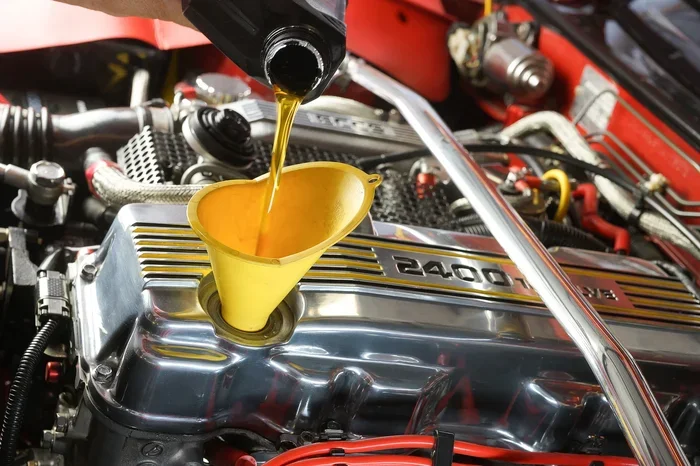
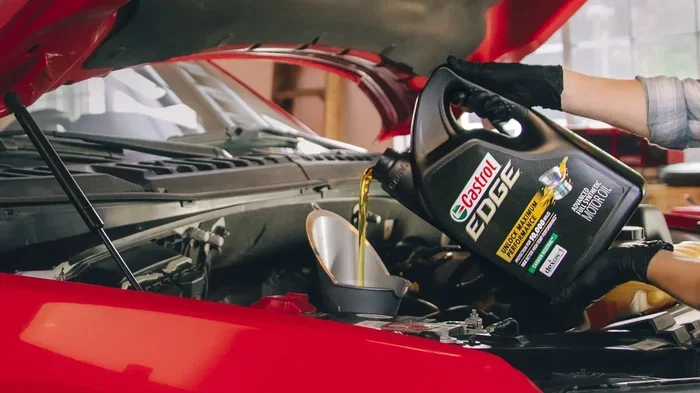
- Use a funnel when pouring oil to avoid spills and overfilling.
What Does 5W-30 Mean?
5W-30 oil is a thicker option at both cold and hot temperatures. The “5W” means it still flows well in cold weather, but not as quickly as 0W-20. It takes a little longer to reach all the moving parts when you first start the engine. The “30” means the oil stays thicker at operating temperature compared to a 20-weight oil.
This thicker oil is common in older vehicles, trucks, and some European cars. It provides a stronger lubricating film between engine components. Many drivers in warmer climates prefer 5W-30 because it maintains its protective properties even when the engine gets hot. It resists breaking down under high heat better than thinner oils in some cases.
Can I Use 5W-30 Instead of 0W-20 Oil?
The honest answer is: it depends. Can I use 5W-30 instead of 0W-20 oil and expect the same results? Not exactly. But in certain situations, it might work without causing immediate problems. The key is understanding what you are risking and when the trade-off makes sense.
Why Manufacturers Recommend 0W-20
Car companies spend millions of dollars testing every aspect of their engines. The OEM oil recommendation is not a suggestion. It is based on extensive testing with engine tolerances, piston ring gaps, and oil passage sizes. When a manufacturer says to use 0W-20, they have designed the engine to work best with that specific oil flow rate.
Modern engines have very tight internal clearances. The oil passages are designed to deliver a precise amount of oil to each bearing, camshaft, and cylinder wall. Using a thicker oil like 5W-30 can reduce the efficiency of this delivery system. The oil may not flow through narrow passages as quickly, which means some components might not get lubricated fast enough during cold starts.
Common Mistakes Drivers Make
Many drivers make the mistake of grabbing whatever oil is cheapest or most convenient. Here are the most common errors to avoid:
- Grabbing the wrong grade at the store: The numbers on oil bottles look similar. Always double-check before pouring.
- Assuming all oils are the same: Different brands use different additive packages. The base oil matters too.
- Ignoring the owner manual: The manual has the definitive answer for your specific engine.
- Following advice from friends blindly: What worked for their car may not work for yours.
- Overlooking driving conditions: Severe driving may require different oil than what the manual lists for normal use.
What Happens If You Switch Without Checking
If you pour 5W-30 into an engine that needs 0W-20, several things may happen. First, your oil pressure might increase slightly because thicker oil creates more resistance. Some drivers think higher oil pressure is good, but it is not always the case. Second, your engine might not reach optimal operating temperature as quickly, which can increase wear during the warm-up phase. Third, you may notice a slight drop in fuel economy because the thicker oil creates more internal friction.
In most cases, using 5W-30 temporarily will not destroy your engine overnight. But over thousands of miles, the effects can add up. The engine was not designed to work with that level of thickness, and components may wear faster than expected.
Expert Insights
According to automotive engineers, modern engines are precision machines with tightly controlled tolerances. The oil specification recommended by the manufacturer is matched to these tolerances. Drifting even one viscosity grade can alter the hydrodynamic lubrication film that protects critical components. As one senior lubricant engineer puts it, “The difference between 0W-20 and 5W-30 may seem small on paper, but inside a modern engine with tolerances measured in microns, that difference is significant.” Always trust the engineering behind the OEM recommendation.
The Key Differences Between 5W-30 and 0W-20
Understanding the technical differences helps you make a smarter decision. Let us break down the key factors that set these two oils apart.
Cold Weather Performance
This is where the two oils differ the most. The number before the “W” measures the oil’s cold-temperature viscosity. A lower number means better flow in the cold. 0W-20 flows at temperatures as low as negative 35 degrees Celsius. 5W-30 flows well down to negative 30 degrees Celsius. That five-degree difference might sound small, but it matters when you are starting your car on a bitterly cold winter morning.
When oil flows slowly during a cold start, the engine runs dry for a few extra seconds. Those seconds are when most engine wear occurs. Using 0W-20 in a cold climate gives your engine faster protection from the moment you turn the key.
Hot Weather and Operating Temperature
At normal operating temperature, the “30” part of 5W-30 becomes more important. Thicker oil maintains a stronger film between moving parts under heat. In hot climates or for vehicles that tow heavy loads, 5W-30 may provide better protection. The viscosity index of 5W-30 is generally higher, meaning it resists thinning out as temperatures rise.
However, modern synthetic oils have improved dramatically. Many 0W-20 synthetic oils now offer excellent thermal stability. They resist breaking down at high temperatures much better than older formulations. This means the gap between the two oils at operating temperature has narrowed significantly in recent years.
Fuel Economy Comparison
Fuel economy is one of the biggest reasons manufacturers recommend 0W-20. Thinner oil creates less drag inside the engine. Less drag means the engine does not need to burn as much fuel to overcome internal friction. Studies have shown that switching from 0W-20 to 5W-30 can reduce fuel economy by 1 to 3 percent. That might not sound like much, but over thousands of miles, it adds up to real money at the pump.
| Factor | 0W-20 | 5W-30 |
|---|---|---|
| Cold Flow Performance | Excellent | Good |
| Hot Temperature Stability | Good | Very Good |
| Fuel Economy | Higher | Slightly Lower |
| Engine Wear Protection | Good (when used as recommended) | Good (when used as recommended) |
| Best For | Modern engines, cold climates | Older engines, hot climates, towing |
| Oil Change Interval | Typically 7,500-10,000 miles | Typically 5,000-7,500 miles |
This comparison table shows why it is important to match your oil to your engine’s needs. Both oils protect well when used correctly, but they shine in different situations.
When Using 5W-30 Instead of 0W-20 Might Be Okay
There are certain situations where switching to 5W-30 makes sense. It is not always a bad idea. Here are some scenarios where the swap could work.
High-Mileage or Older Engines
As engines age, internal clearances tend to increase. Worn piston rings and cylinder walls create more space between moving parts. In these cases, a slightly thicker oil like 5W-30 can actually help fill those gaps and provide better protection. If your car has over 100,000 miles on the odometer, the switch might even improve engine smoothness.
Many mechanics recommend 5W-30 for older engines because the thicker film reduces metal-to-metal contact. This can help reduce oil consumption and quiet engine noise in aging vehicles. However, this advice applies mainly to engines that were originally designed for 5W-30 or 10W-30 oil.
Hot Climate Driving
If you live in a region with very hot summers, 5W-30 may handle the heat better than 0W-20. Extreme heat can cause thinner oils to break down faster. The thermal stability of a thicker oil helps it maintain its protective properties longer in high temperatures. If you frequently drive in desert climates or during extreme summer heat, the switch might offer better peace of mind.
Towing and Heavy Loads
Towing a trailer or carrying heavy loads puts extra stress on your engine. The oil works harder and reaches higher temperatures under these conditions. 5W-30 oil provides a thicker protective layer that can handle this extra stress better than a thin 0W-20 oil. If you regularly tow or haul heavy cargo, check with your mechanic about whether a heavier oil weight is appropriate for your specific vehicle.
Temporary Emergency Situations
If you are stranded and the only oil available is 5W-30, using it temporarily is far better than running low on oil or driving with no oil at all. A short-term swap will not cause permanent damage. Just make sure to get an oil change back to the recommended 0W-20 as soon as possible. Keep in mind that this should only be a stopgap measure, not a long-term solution.
Risks and Warning Signs to Watch For
Switching from 0W-20 to 5W-30 is not without risks. Knowing what to look for can help you catch problems early before they become expensive repairs.
Increased Oil Pressure Readings
Thicker oil moves more slowly through oil passages, which can raise oil pressure readings on your dashboard. While slightly higher pressure is not always dangerous, consistently high readings can indicate that your oil pump is working harder than it should. Over time, this extra strain can reduce the lifespan of the pump and other components.
Reduced Oil Flow to Critical Components
During a cold start, 5W-30 takes longer to reach the top of the engine, including the camshaft and valve train. These components rely on fast oil delivery to prevent wear. If you notice a ticking or tapping noise when you first start your car after switching oils, it could be a sign that the thicker oil is not flowing fast enough.
Warning Signs You Should Not Ignore
Watch for these engine warning signs after switching oil grades:
- Check Engine Light: If the light comes on shortly after an oil change, get the codes read immediately.
- Unusual Engine Noise: Ticking, knocking, or rattling sounds can indicate inadequate lubrication.
- Reduced Fuel Economy: A noticeable drop in miles per gallon may signal increased internal friction from the wrong oil weight.
- Oil Pressure Warnings: If your dashboard shows low or high oil pressure, check the oil level and grade right away.
- Dark or Burnt-Smelling Oil: This can indicate the oil is breaking down faster than it should under the extra stress.
Long-Term Engine Wear Concerns
The biggest risk of using the wrong oil is long-term engine wear. Over thousands of miles, insufficient lubrication can damage bearings, cylinder walls, and other internal components. This type of damage does not happen overnight, but it accumulates silently. By the time you notice a problem, the repair costs can be significant. This is why following the manufacturer guidelines for oil viscosity is so important.
How to Know What Oil Your Engine Actually Needs
Making the right choice starts with knowing what your engine requires. There are several reliable ways to find this information.
Check Your Owner Manual First
Your vehicle’s owner manual is the ultimate authority on oil selection. Look in the maintenance section for the recommended oil weight and oil specification. The manual will also tell you the required oil change interval and any specific brand or certification requirements, such as API SN or SP ratings.
Look at the Oil Cap Under the Hood
Many manufacturers print the recommended oil grade directly on the oil fill cap. Open your hood and look for a sticker or embossed text that says something like “0W-20” or “5W-30.” This is the fastest way to confirm what your engine needs.
Consult Your Dealership or Trusted Mechanic
If you cannot find the information in your manual or on the oil cap, call your dealership or a trusted mechanic. They can look up your vehicle by VIN and tell you the exact oil specification it requires. This is especially helpful for older vehicles or models that have changed oil requirements over different model years.
Consider Your Driving Conditions
Even with the correct oil grade, your driving conditions matter. If you frequently drive in extreme heat, extreme cold, stop-and-go traffic, or dusty conditions, you may need to adjust your oil change interval or consider a different synthetic oil formulation. Severe driving conditions can break down oil faster, so staying on top of maintenance is key.
Final Thoughts on Choosing the Right Oil
Can I use 5W-30 instead of 0W-20 oil and keep my engine healthy? The answer comes down to matching the oil to your specific vehicle and driving needs. For most modern cars designed for 0W-20, sticking with the manufacturer’s recommendation is the safest choice. The engine protection, fuel economy, and oil flow rate were all engineered around that specific viscosity grade.
That said, there are legitimate reasons to use 5W-30 in certain vehicles and situations. Older engines, hot climates, and heavy towing can all benefit from a slightly thicker oil. The key is making an informed decision based on your vehicle’s needs, not just grabbing whatever oil is on sale at the auto store.
When in doubt, always follow the OEM recommendation printed in your owner manual. Your engine is one of the most expensive parts of your vehicle to repair. Taking five minutes to check the right oil grade can save you thousands of dollars in the long run. Stay proactive about your oil change schedule and never underestimate the importance of using the correct motor oil for your car.
The bottom line is simple. Respect what your manufacturer designed, and your engine will reward you with years of reliable performance. Choose the right viscosity grade, keep up with regular maintenance, and drive with confidence knowing your engine is properly protected.
Frequently Asked Questions
What happens if I accidentally put 5W-30 instead of 0W-20 in my car?
In most cases, a one-time accidental swap will not cause immediate damage. The thicker oil will still provide lubrication, but your engine may not perform at its best. You may notice slightly reduced fuel economy or slower oil flow during cold starts. Arrange an oil change back to the recommended 0W-20 as soon as possible to avoid any long-term issues.
Can using 5W-30 instead of 0W-20 void my warranty?
Yes, it can. Most vehicle warranties require you to follow the manufacturer guidelines for maintenance, including using the recommended oil viscosity. If engine damage occurs and the dealer finds you used the wrong oil grade, they may deny the warranty claim. Always check your warranty terms and stick to the recommended OEM oil specification.
Is 5W-30 better than 0W-20 for hot weather?
5W-30 can perform better in extremely hot conditions because it maintains a thicker protective film at high temperatures. However, modern synthetic 0W-20 oils have improved thermal stability significantly. For most drivers in warm climates, 0W-20 is still the recommended choice. Only switch to 5W-30 for hot weather if your manufacturer approves it or if your engine has high mileage.
Will switching to 5W-30 improve engine protection?
Not necessarily. Engine protection depends on using the oil grade your engine was designed for. Using a thicker oil than recommended can actually reduce protection by limiting oil flow to tight passages and bearings. The best way to protect your engine is to follow the manufacturer recommendation and change your oil at the recommended intervals.
How often should I change my oil if I use 5W-30 instead of 0W-20?
5W-30 oil generally has a shorter oil change interval than 0W-20 because it breaks down faster under heat and stress. Refer to your owner manual for the specific interval, but in most cases, you should change 5W-30 every 5,000 to 7,500 miles. If you are using a full synthetic 5W-30, you may be able to extend the interval slightly.
Can I mix 5W-30 and 0W-20 oil together?
Mixing the two oils is not ideal, but it will not cause immediate harm in a pinch. The resulting mixture will have a viscosity somewhere between the two grades. However, this is not a substitute for using the correct oil. If you accidentally mix them, plan for an oil change at the earliest opportunity to return to the proper 0W-20 grade for your engine.