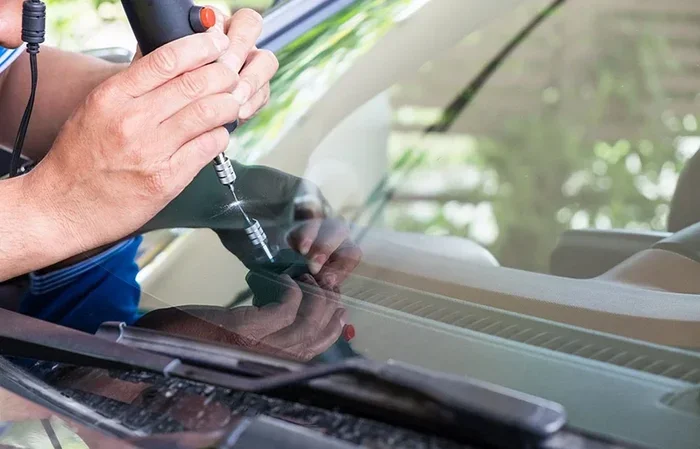
Car Glass Repair Guide Fix Cracks And Chips Like A Pro
This car glass repair guide teaches you how to fix cracks and chips like a professional. You will learn when to repair vs. replace, what tools you need, and simple step-by-step methods. Keep your auto glass safe and your wallet happy with these practical tips.
Every driver has seen them. A tiny rock chip on the windshield. A thin crack that shows up overnight. These small marks on your car glass might look harmless at first. But they can turn into big problems fast if you ignore them. This car glass repair guide will show you exactly how to handle cracks and chips like a pro. You do not need to be a mechanic. You do not need to spend a fortune. With the right tools and a little know-how, you can fix most glass damage yourself. Let us walk through everything you need to know.
Your car’s auto glass does more than just keep wind out. It supports the roof of your vehicle. It helps airbags deploy correctly. It keeps you protected in a crash. That is why even a small crack matters. When damage weakens the glass, it puts your safety at risk. The good news is that most chips and small cracks can be repaired in under an hour. This guide covers every step. From understanding the types of damage to choosing the best repair kit. By the end, you will feel confident tackling any glass issue.
Key Takeaways
- Small chips and cracks can be repaired easily if you act fast before they spread.
- A DIY repair kit costs much less than a full windshield replacement.
- Temperature changes and road debris are the top causes of glass damage.
- Know when to call a pro — deep cracks and edge damage need expert care.
- Your insurance may cover glass repair without raising your premium.
- UV protection and proper sealing keep your auto glass strong for years.
- Acting quickly prevents costly replacements and keeps you safe on the road.
📑 Table of Contents
Understanding Car Glass Damage
Before you grab a repair kit, you need to understand what you are dealing with. Not all glass damage is the same. Some cracks are easy fixes. Others need a full windshield replacement. Let us break down the most common types of glass damage you will see on the road.
Types of Chips and Cracks
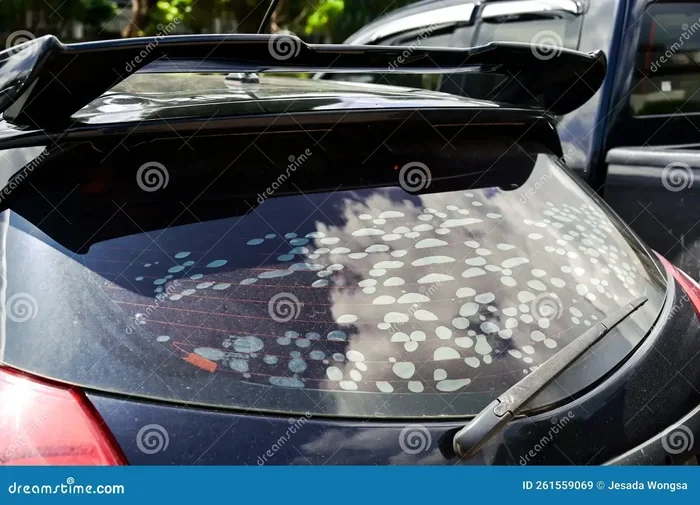
Rock chips are the most common type of damage. They happen when tiny stones kick up from the road. A rock chip looks like a small pit or dot in the glass. It usually has a tiny crater shape. These are easy to fix if you catch them early.
A bullseye crack gets its name from its shape. It looks like a target with a dark circle in the center. This type of damage is caused by a round object hitting the glass. Bullseye cracks are very repairable if the diameter is under two inches.
A star break looks like a star with rays shooting out from the impact point. It happens when force hits the glass at an angle. Star breaks can spread quickly. You should fix them as soon as possible.
Edge cracks start at the very edge of the windshield. They spread fast because the glass is weakest at the edges. These are harder to repair and often need a full windshield replacement.
Why Cracks Spread
Cracks do not stay still. They grow over time. Several things cause this spreading. Temperature changes are a big one. When it is hot outside, the glass expands. When it gets cold, it contracts. This constant movement makes cracks longer. Even driving over a pothole can make a small crack jump across the glass.
Vibration from the road also plays a role. Every time you drive, the glass shakes. Over days and weeks, this vibration widens the crack. Dust and moisture sneak into the crack too. Water gets inside the layers of the glass and causes more damage. This is why a tiny chip today can become a big crack by next week.
The Role of Laminated Glass in Safety
Most modern cars use laminated glass for the windshield. This means two layers of glass with a plastic layer in between. The plastic holds the glass together even when it cracks. This is a safety feature. It stops shards of glass from flying into the car. Laminated glass is great for safety, but it also means repairs need special techniques. The resin used in DIY repair kits works well with this type of glass.
When to Repair vs. Replace
One of the most important decisions is whether to repair or replace. A car glass repair guide should help you make this choice easily. The size, location, and depth of the damage all matter.
Repairable Damage
Most repairs work when the crack or chip is smaller than three inches. If the damage is in your direct line of sight, it is still repairable as long as it is small. Surface-level chips that have not gone through both layers of glass are great candidates for repair. A repair kit works best on damage that is fresh — less than a few weeks old.
Here are signs your damage can be repaired:
- The crack is shorter than three inches.
- The chip is smaller than a quarter.
- The damage is not on the edge of the glass.
- The crack has not spread to the edge.
- The damage is in a non-driving area of the glass.
When Replacement Is the Only Option
Some damage is too far gone for repair. If the crack is longer than six inches, replacement is usually needed. Deep cracks that go all the way through both glass layers cannot be fixed with resin. Damage on the edge of the windshield weakens the whole structure. In these cases, a windshield replacement is the safest choice.
Also, if the damage is directly in front of your eyes, a repair might leave a visible scar. This can affect your vision while driving. In that case, replacement gives you a clear, brand-new view. Always prioritize safety over saving money when the damage is severe.
Cost Comparison: Repair vs. Replace
The cost difference is huge. A chip repair costs between $15 and $60. A full windshield replacement can run from $200 to $400 or more. That is a big gap. This is why catching damage early saves you a lot of money. Insurance often covers the full cost of repair too.
| Type of Fix | Average Cost | Time Needed |
|---|---|---|
| Chip Repair | $15 – $60 | 30 minutes |
| Crack Repair (under 3 inches) | $50 – $100 | 1 hour |
| Windshield Replacement | $200 – $400+ | 1 – 2 hours |
How to Fix a Crack in Car Glass
Now let us get into the hands-on part. Fixing a crack or chip in your auto glass is easier than you think. Follow these steps carefully for the best results.
Step 1: Clean the Damaged Area
Start by cleaning the area around the crack or chip. Use a glass cleaner and a lint-free cloth. Remove all dirt, dust, and grease. The cleaner needs to bond properly to the glass surface. Any debris in the crack will weaken the repair. Take your time with this step. A clean surface makes all the difference.
Step 2: Apply the Repair Resin
Most repair kits come with a syringe or injector tool. Fill the tool with the resin included in the kit. Place the tool over the crack or chip. Push the resin into the damaged area slowly. You want the resin to fill the entire crack. Watch for air bubbles. If you see any, apply a little more pressure.
Step 3: Let the Resin Cure
Once the crack is filled, let the resin cure. This usually takes about 15 to 30 minutes. Some kits use UV light to speed up the process. Others cure on their own in sunlight. Check the instructions that come with your kit. Do not drive the car until the resin is fully hardened.
Step 4: Remove Excess Resin
After curing, there will be extra resin on the surface. Use a razor blade or the plastic scraper from your kit. Gently scrape off the excess. Then polish the area with a glass cleaner. The goal is to make the repair spot as smooth and invisible as possible.
Step 5: Inspect and Repeat if Needed
Look closely at the repair. If the crack is still visible, you may need a second application. Some deep cracks need two rounds of resin. Be patient. A second pass often makes the repair nearly invisible.
Quick Tips for a Better Repair
- Work in a dry, shaded area. Direct sunlight can cause the resin to cure too fast.
- Keep the car parked and still during the repair.
- Use gloves to keep the glass surface free of oil from your hands.
- Do not try to fix a crack that is still spreading. Stabilize it first with clear nail polish as a temporary fix.
DIY Car Glass Repair Kit Guide
Using a DIY repair kit is the most affordable way to fix glass damage. These kits are available online and at auto parts stores. They come with everything you need. Let us look at what to look for in a good kit and how to use it.
What to Look for in a Repair Kit
Not all kits are the same. Here are the key things to check before you buy:
- UV curing resin — this gives the strongest bond.
- Injection syringe — makes it easy to fill cracks evenly.
- UV light or curing lamp — speeds up the hardening process.
- Glass cleaning wipes — prep the surface properly.
- Scraping tool — removes excess resin after curing.
- Scratch removal compound — makes the repair spot clear.
Top Brands to Consider
Some brands have been around for years and are trusted by mechanics and DIYers alike. Look for kits from brands like Rain-X, Permatex, or BlueStar. These kits have clear instructions and good customer reviews. A quality repair kit usually costs between $10 and $30. That is a tiny price compared to a new windshield.
Common Mistakes When Using a Repair Kit
Even with a good kit, mistakes can happen. Here are the ones to avoid:
- Skipping the cleaning step. Dirty glass means the resin will not bond properly.
- Applying too much resin. This makes cleanup harder and can leave a visible bump.
- Not letting the resin cure fully. Driving too soon can crack the repair.
- Trying to repair a spreading crack. Stabilize it first or it will keep growing.
- Ignoring temperature guidelines. Most kits work best between 60 and 80 degrees Fahrenheit.
Preventing Further Damage to Auto Glass
Once you fix a crack or chip, you want to keep it from getting worse. Prevention is always better than repair. Here are simple steps to protect your auto glass from more damage.
Avoid Temperature Shock
Do not blast hot air on a cold windshield right after a repair. The sudden temperature change can cause the glass to expand unevenly. This stress can make cracks spread. In winter, warm up your car gradually. In summer, park in the shade when you can. A windshield sun shade is a great investment for hot climates.
Keep Distance from Large Trucks
Large trucks throw rocks and debris at high speed. When you follow too closely, your windshield takes the hit. Keep at least three car lengths between you and the truck ahead. This simple habit prevents a lot of glass damage.
Fix Small Chips Right Away
The biggest mistake drivers make is ignoring small chips. A chip that is the size of a pea today can be a four-inch crack by next week. The longer you wait, the harder and more expensive the fix becomes. Treat every chip as an emergency, even a small one.
Use Quality Wiper Blades
Worn-out wiper blades scratch the glass surface over time. Replace your wipers every six months. Clean rubber blades do not drag across the glass. They glide smoothly and protect your auto glass from unnecessary wear.
When to Call a Professional
There is no shame in calling a pro. Some damage is simply beyond a DIY fix. Knowing when to stop and call an expert saves you time, money, and frustration.
Signs You Need Professional Help
Watch for these warning signs. If you notice any of them, call a glass repair professional right away:
- The crack is longer than six inches.
- The crack has reached the edge of the windshield.
- Multiple cracks are spreading from one point.
- The damage is deep enough to feel with your fingernail.
- Your view through the glass is blurry or distorted.
- The crack keeps growing even after repair attempts.
How to Choose a Reliable Glass Repair Shop
Not every shop is the same. Look for certified technicians who use OEM-quality parts. Read online reviews before booking. Ask if they offer a lifetime warranty on their work. A good shop will inspect your damage for free and give you an honest opinion. If they say repair, get a second opinion if they say replace. Some shops replace too quickly because it costs more.
Does Insurance Cover Glass Repair?
Most auto insurance policies cover glass repair at no extra cost. Many policies include comprehensive coverage that pays for windshield replacement without raising your premium. Check with your insurance company before paying out of pocket. Some shops even handle the insurance claim for you directly. This makes the process very easy.
Expert Insights on Long-Term Glass Care
Keeping your car glass in great shape is about more than just fixing damage. It is about regular care. A few simple habits go a long way.
Wash your windshield regularly. Dirt and grime build up in tiny cracks. Over time, this makes them worse. A gentle wash with a microfiber cloth keeps the glass clean without scratching.
Apply a UV-protectant coating. Sun exposure weakens glass over time. A UV coating adds a protective layer that blocks harmful rays. It also makes your windshield easier to clean.
Check your seals regularly. The rubber seal around your windshield keeps moisture out. If the seal cracks or peels, water can get under the glass. This causes fogging and even mold. Replace worn seals as soon as you spot them.
Avoid slamming car doors. The vibration from a hard door slam travels through the car frame. Over time, this can widen existing cracks. Close doors gently to protect your auto glass.
Conclusion
Your car glass is one of the most important safety features on your vehicle. Taking care of cracks and chips should be a top priority. This car glass repair guide has shown you everything you need to know. From understanding the types of damage to fixing them yourself. You now know when to repair and when to replace. You have the tools and knowledge to handle most glass problems.
The key is to act fast. Do not let a small chip turn into a big crack. A quick fix today can save you hundreds of dollars tomorrow. Whether you use a DIY repair kit or call a professional, the most important step is the first one. Do not ignore the damage. Your safety depends on clear, strong glass. Take action now and keep your auto glass in top shape for miles to come.
Frequently Asked Questions
Can I drive safely after a windshield crack repair?
Yes, in most cases you can drive right after a repair. The resin hardens quickly, usually within 30 minutes. However, wait at least one hour before washing your car or driving through heavy rain. This gives the resin extra time to set fully.
How long does a car glass repair last?
A properly done repair can last the lifetime of the vehicle. The resin bonds strongly with the glass and creates a durable fill. As long as the repair was done correctly, it will hold up through all weather conditions and daily driving.
Will my insurance pay for a windshield chip repair?
Most insurance policies cover chip and crack repairs at no cost to you. Comprehensive coverage usually includes glass repair without increasing your premium. Check with your provider, and many repair shops will handle the insurance paperwork for you.
Can a cracked windshield be repaired more than once?
Yes, if the new damage is separate from the old repair. However, you cannot repair the same crack twice. Each repair weakens the area slightly. If a new crack forms near an old repair, it is best to get a full windshield replacement.
What happens if I ignore a small crack in my windshield?
A small crack will almost always get bigger. Temperature changes, vibrations, and moisture all cause cracks to spread. What starts as a tiny line can become a large crack within days or weeks. Once a crack spreads, repair becomes impossible and replacement is your only option.
Is a DIY repair kit as good as a professional fix?
DIY kits work great for small chips and short cracks. They use the same resin and techniques that professionals use. However, a pro has specialized tools and experience for complex damage. For simple fixes, a DIY kit is a smart and cost-effective choice.