Can I Clear the Check Engine Light Myself for Good
Yes, you can clear the check engine light yourself in most cases. With an OBD-II scanner and a few simple steps, you can reset the light and read the fault codes that triggered it. However, clearing the light does not fix the underlying problem, and the light may return if the issue is not resolved.
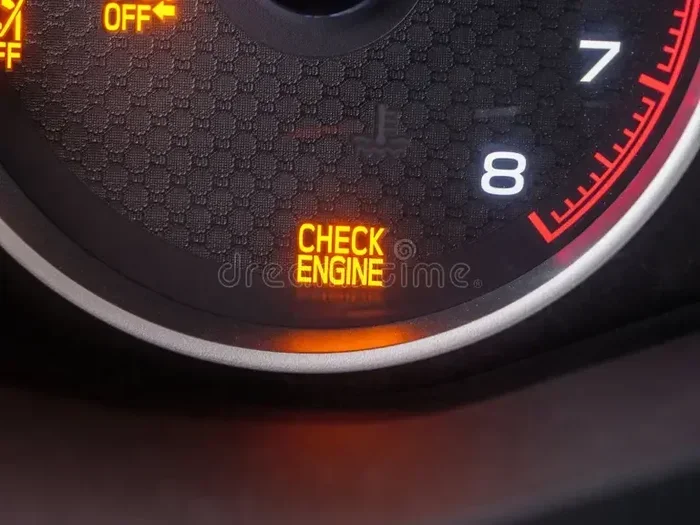
That little yellow engine-shaped icon on your dashboard can make your stomach drop. You are driving along, minding your own business, and suddenly there it is — the dreaded check engine light. Your first thought might be panic. Your second thought? Maybe you can just clear it yourself and be done with it.
So, can you actually clear the check engine light yourself? The short answer is yes. The longer answer is a bit more nuanced, and that is exactly what we are going to walk through together. Whether you are dealing with a loose gas cap, a faulty sensor, or something more serious, this guide covers everything you need to know about tackling this common car problem on your own.
We will break down the tools you need, the steps to follow, the reasons the light comes on in the first place, and the times when you should leave it to a professional. By the end, you will feel confident enough to handle this situation like a pro.
Key Takeaways
- You can clear the check engine light yourself using an OBD-II scanner or code reader tool.
- Resetting the light does not repair the problem — it only erases the stored fault codes temporarily.
- A loose gas cap is one of the most common reasons the light comes on and can often be fixed in seconds.
- Driving with the light flashing is dangerous and requires immediate professional attention.
- DIY clearing works best for intermittent issues or after you have already made the repair.
- OBD-II scanners are affordable, ranging from $20 for basic models to $100 for advanced ones.
- The light will return if the root cause is not addressed, even after a successful reset.
📑 Table of Contents
- What the Check Engine Light Actually Means
- Tools You Need to Clear the Check Engine Light Yourself
- Step-by-Step Guide to Clearing the Light Yourself
- Common Reasons the Check Engine Light Comes On
- When You Should NOT Clear the Light Yourself
- Can the Light Come Back After You Clear It?
- Quick Tips for Success
- Expert Insights
- Conclusion
What the Check Engine Light Actually Means
The Basics of Your Dashboard Warning System
Your car is essentially a computer on wheels. Modern vehicles have dozens of sensors monitoring everything from engine temperature to oxygen levels. When one of these sensors detects something out of the normal range, it sends a signal to the car’s onboard computer. That computer then triggers the engine warning light on your dashboard.
The check engine light is part of your vehicle’s On-Board Diagnostics system, commonly known as OBD. This system has been standard in all cars sold in the United States since 1996. It stores diagnostic trouble codes, or DTCs, whenever it detects a problem. These codes are like error messages that tell you — or your mechanic — exactly what went wrong.
Here is something many people do not realize. The check engine light can come on for very minor reasons. It can also come on for very serious reasons. The color and behavior of the light matters a lot. A solid yellow light usually means you should get it checked soon but it is not an emergency. A flashing red light means stop driving and get help immediately.
Solid vs. Flashing: Know the Difference
A solid check engine light often points to a problem that is not yet critical. It could be something as simple as a loose fuel cap or a failing oxygen sensor. You can usually drive a short distance with a solid light, but you should not ignore it.
A flashing check engine light is a completely different story. This means the problem is severe enough to potentially damage your catalytic converter or other expensive parts. If you see a flashing light, pull over safely and call for roadside assistance. Do not keep driving.
Tools You Need to Clear the Check Engine Light Yourself
The Essential Tool: An OBD-II Scanner
To clear the check engine light on your own, you need an OBD-II scanner, also called an OBD2 reader or code reader. This is a small device that plugs into a port under your dashboard. Once connected, it communicates with your car’s computer and lets you read and clear fault codes.
You do not need an expensive tool to get started. There are plenty of affordable options on the market:
- Basic code readers cost between $20 and $40. They read and clear codes but offer limited extra features.
- Mid-range scanners cost between $40 and $80. They provide more detailed explanations of codes and may include live data streaming.
- Advanced diagnostic tools can cost $100 or more. These are used by professionals and offer deep system access.
For most car owners, a basic or mid-range OBD-II scanner is more than enough. You can find them at any auto parts store, online retailer, or even some gas stations.
Other Helpful Tools
Beyond the scanner, a few other items can make the job easier:
- A clean rag or cloth to wipe down the OBD port and connector.
- A pen and notebook or your phone to write down the codes before clearing them.
- A fuse puller if you plan to try the battery disconnect method.
- A digital multimeter for testing sensors after clearing the codes.
Having these tools on hand is not strictly necessary for a basic reset, but they make the whole process smoother and more informative.
Step-by-Step Guide to Clearing the Light Yourself
Now for the part you have been waiting for. Here is exactly how to clear the check engine light on your own. Follow these steps carefully and you will have that annoying light off your dashboard in no time.
Step 1: Turn Off the Engine and Locate the OBD Port
Make sure your car is turned off and parked on a flat surface. The OBD-II port is usually located under the dashboard on the driver’s side. It is often found near the steering column, below the radio, or next to the fuse box. Consult your owner’s manual if you have trouble finding it.
Step 2: Plug In the OBD-II Scanner
Take your OBD-II scanner and plug it firmly into the port. The connector is trapezoid-shaped and should fit only one way. Do not force it. Once plugged in, you should see the scanner’s screen light up.
Step 3: Turn the Ignition to the “On” Position
Do not start the engine. Just turn the key to the “On” position or press the start button without pressing the brake pedal. This powers the car’s computer system and allows the scanner to communicate with it.
Step 4: Read the Diagnostic Trouble Codes
Follow the scanner’s on-screen instructions to read the stored codes. Write them down or take a photo with your phone. Each code starts with a letter followed by four numbers. For example, P0301 means a misfire in cylinder one. These codes are your roadmap to understanding what is going on under the hood.
Step 5: Research the Codes
Before you clear anything, take a few minutes to look up what each code means. Many scanner apps and online databases provide detailed explanations. Understanding the codes helps you decide whether the fix is simple or something that needs a mechanic.
Step 6: Clear the Codes
If you are ready to reset the light, use the scanner’s menu to clear or erase the codes. The process varies by device, but most scanners have a clear or reset button on the main screen. Follow the prompts carefully.
Step 7: Disconnect the Scanner and Test Drive
Unplug the scanner, turn the ignition off, and start the engine. The check engine light should be off now. Take your car for a short test drive to see if the light stays off or comes back on.
Common Reasons the Check Engine Light Comes On
Understanding why the light came on in the first place is just as important as clearing it. Here are the most common culprits:
Loose or Damaged Gas Cap
This is the number one reason the check engine light comes on. A loose or cracked gas cap lets fuel vapors escape, which messes with your car’s evaporative emissions system. The fix is simple — tighten the cap or replace it. After a few drives, the light should go away on its own.
Faulty Oxygen Sensor
The oxygen sensor measures how much unburned oxygen is in your exhaust. A failing sensor can reduce fuel efficiency and increase emissions. This is a common issue, especially on higher-mileage vehicles.
Worn Spark Plugs or Ignition Coils
Worn spark plugs can cause engine misfires, which trigger the check engine light. Replacing spark plugs is one of the easiest and cheapest maintenance tasks you can do yourself.
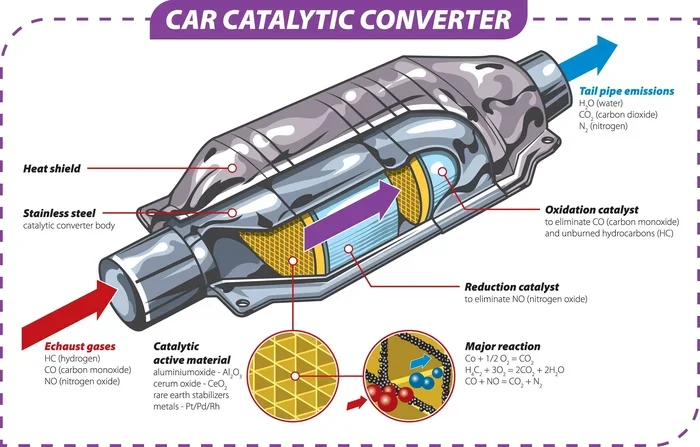
Catalytic Converter Issues
The catalytic converter reduces harmful emissions. When it fails, the check engine light comes on, and the repair can be expensive. This is why you should never ignore the light for too long.
Mass Airflow Sensor Problems
The mass airflow sensor tells the computer how much air is entering the engine. A dirty or faulty sensor can cause rough idling, poor acceleration, and stalling.
Vacuum Leaks
Your car has many rubber hoses that can crack or come loose over time. A vacuum leak can cause the engine to run poorly and trigger the warning light. These leaks are often easy to find and fix with basic tools.
Aftermarket Parts or Modifications
Sometimes installing aftermarket parts like a new exhaust, cold air intake, or performance chip can trigger the light. The car’s computer does not recognize the new part and stores a code as a result.
When You Should NOT Clear the Light Yourself
Clearing the check engine light on your own is not always the right move. Here are situations where you should skip the DIY approach and see a professional:
- The light is flashing. A flashing light indicates a serious problem that can cause immediate engine damage.
- You notice strange noises or smells. Knocking, hissing, or burning smells alongside the light mean something is seriously wrong.
- The car is running poorly. If your engine is stalling, surging, or losing power, a scanner alone will not fix the problem.
- Multiple warning lights are on. If you see other lights like the oil pressure or battery warning, you may have a more complex issue.
- You have already tried clearing the light and it keeps coming back. A recurring light means the underlying problem has not been fixed.
In these cases, driving to a mechanic or auto parts store for a professional vehicle diagnostics session is the smartest move. Many shops will read your codes for free and give you an estimate for the repair.
Can the Light Come Back After You Clear It?
This is the question on everyone’s mind. The honest answer is yes, it can. If you clear the check engine light but do not fix the actual problem, the light will almost certainly come back. Here is why.
When you clear the codes with your OBD-II scanner, you are only erasing the stored data from the car’s computer. The computer does not know the problem is fixed. It simply forgets it saw the issue. So when you drive the car again, the sensors monitor everything as usual. If the problem still exists, the computer stores new codes and the light comes right back on.
Some people try to clear the light repeatedly to pass an emissions test or avoid a smog check. This is not a good idea. Modern vehicles have a drive cycle monitor that tracks whether the check engine light has been reset. If the monitor detects a recent reset without a resolved issue, it can flag the vehicle as non-compliant.
The best approach is to fix the root cause first, then clear the light. After a successful repair, drive the car through a complete drive cycle. This allows the computer to relearn normal operating conditions and confirm the problem is gone.
The Battery Disconnect Method
Some people try to reset the check engine light by disconnecting the car battery. While this can work, it is not always recommended. Disconnecting the battery erases all stored codes, but it also resets other settings like your radio presets, power window calibration, and clock. In some vehicles, it can even clear important adaptive learning data that the engine computer uses to optimize performance.
If you do use the battery disconnect method, always disconnect the negative terminal first and wait at least 15 minutes before reconnecting. Use this method only as a last resort.
Quick Tips for Success
Here are some practical tips to help you clear the check engine light safely and effectively:
- Always read the codes first before clearing them. You need to know what you are dealing with.
- Keep your scanner firmware updated if it is a Bluetooth or Wi-Fi enabled model.
- Check the gas cap first. It takes five seconds and solves the problem in many cases.
- Do not ignore the light even if it turns off by itself. Intermittent issues can signal problems that are getting worse.
- Keep a record of all codes and repairs. This helps you spot patterns over time.
- Use a quality scanner from a reputable brand to ensure accurate readings.
- Clear the codes after fixing the problem, not before.
Common Mistakes to Avoid
Avoid these common pitfalls when trying to clear the check engine light:
- Clearing codes without understanding them. You might clear a code that points to a serious issue and keep driving without knowing.
- Using a cheap, unreliable scanner. Some budget scanners give inaccurate readings or cannot read all codes.
- Ignoring pending codes. Some codes are stored as “pending” before they trigger the light. Addressing them early can prevent bigger problems.
- Assuming the light means your car is about to break down. In many cases, the issue is minor and inexpensive to fix.
- Trying to clear the light just to pass an inspection. This is dishonest and can result in fines or failed inspections later.
Expert Insights
According to automotive experts, the check engine light is one of the most misunderstood dashboard warnings. Many drivers either ignore it for months or panic at the first sight of it. The truth is somewhere in the middle.
Experienced mechanics recommend treating the check engine light as a prompt to investigate, not an emergency (unless it is flashing). They also stress the value of owning a personal OBD-II scanner. These devices cost less than a single diagnostic fee at a repair shop and give you real-time information about your vehicle’s health.
One mechanic we spoke with put it simply: “The check engine light is your car talking to you. The scanner is how you translate what it is saying. Once you know the message, you can decide whether to fix it yourself or take it to a shop.”
Another expert tip is to pay attention to how your car feels when the light comes on. Is it running rough? Is the fuel economy dropping? These clues, combined with the diagnostic codes, give you a much clearer picture of the problem.
Conclusion
So, can you clear the check engine light yourself for good? Yes, you absolutely can — and now you have all the information you need to do it safely. With an OBD-II scanner, a little patience, and some basic knowledge, you can read and clear fault codes from your vehicle’s computer in just minutes.
But here is the most important thing to remember. Clearing the light is only half the battle. The real work is fixing the problem that caused it to come on in the first place. Whether it is a loose gas cap, a failing oxygen sensor, or something more complex, addressing the root cause ensures the light stays off and your car runs smoothly.
Do not let the check engine light scare you. Treat it as a helpful reminder from your car. Grab your scanner, read the codes, and take action. You will save money on diagnostic fees, gain confidence in maintaining your vehicle, and keep your car running at its best. The next time that little engine icon lights up, you will know exactly what to do.
Frequently Asked Questions
Will clearing the check engine light make it go away permanently?
Clearing the light will turn it off temporarily. However, if the underlying problem is not fixed, the light will come back. The only way to keep it off for good is to repair the issue that triggered the code in the first place.
Can I use an app on my phone instead of buying a scanner?
Yes, many OBD-II scanners now connect to your phone via Bluetooth or Wi-Fi. Apps like Torque, Carly, or the FIXD app can read and clear codes right from your smartphone. You still need a compatible Bluetooth OBD-II adapter to make it work.
Is it safe to drive with the check engine light on?
If the light is solid and the car is driving normally, it is generally safe to drive a short distance. However, you should get it checked soon. If the light is flashing, do not drive the car. Pull over and seek professional help immediately.
How much does it cost to have a mechanic clear the check engine light?
Many auto parts stores and repair shops will read and clear codes for free. If you visit a dealership or independent mechanic for a full diagnostic, expect to pay between $75 and $150 depending on your location and vehicle.
What should I do if the check engine light comes back right after I cleared it?
If the light returns immediately or shortly after clearing, the problem is still present. Re-read the codes and investigate further. The issue likely needs a proper repair, not just another reset. Consider taking your car to a trusted mechanic at this point.
Can a dead battery cause the check engine light to come on?
Yes, a weak or dead battery can cause voltage fluctuations that trigger the check engine light. If you recently had a battery issue or jump-started your car, the light may come on temporarily. Replace the battery if needed and clear the codes to see if the light stays off.