Do You Leave the Car Running to Check Transmission Fluid
Whether you leave the car running or turn it off depends on your vehicle type and manufacturer recommendations. Most automakers suggest checking transmission fluid with the engine warm and running for automatic cars, but the rules differ for manual transmissions. This guide walks you through the correct procedure, common mistakes, and expert tips to keep your transmission healthy.
Do you leave the car running to check transmission fluid? This is one of the most common questions car owners ask, and for good reason. Getting it wrong can lead to inaccurate readings, wasted fluid, or even safety hazards. The answer is not a simple yes or no. It depends on your vehicle type, the transmission system you have, and what the manufacturer recommends.
Transmission fluid plays a huge role in keeping your car running smoothly. It lubricates the internal gears, cools the transmission, and helps with smooth shifting. When the fluid level drops too low, your transmission can overheat, slip, or even fail. That is why knowing the correct transmission fluid check procedure matters so much. In this guide, we will walk you through everything you need to know.
Key Takeaways
- Running vs. Off: Most automatic vehicles need the engine running and warm to get an accurate reading.
- Check the Manual: Always refer to your vehicle owner’s manual for the exact procedure.
- Warm Fluid Matters: Cold transmission fluid gives a false low reading and can lead to unnecessary top-ups.
- Safety First: Never check fluid with the car on a steep incline or without engaging the parking brake.
- Fluid Condition Tells a Story: Color, smell, and texture reveal a lot about your transmission health.
- Know When to Call a Pro: Dark, burnt-smelling fluid or persistent low levels warrant professional inspection.
📑 Table of Contents
Should You Leave the Car Running or Turn It Off?
The short answer is: it depends. For most automatic vehicles, you leave the engine running. For many manual transmissions, you turn the car off. But there is more to it than that. Let us break it down.
Why the Engine Needs to Be Running for Automatics
Automatic transmissions rely on hydraulic pressure to shift gears. This pressure comes from the transmission fluid circulating through the system. When the engine is off, the fluid settles and does not fill the transmission channels properly. As a result, your transmission fluid level reading will be inaccurate.
When you leave the car running, the fluid pumps through the system and reaches its normal operating level. This gives you a true reading on the dipstick. Most manufacturers also recommend the engine be warm when you check the fluid. Warm fluid is thinner and flows more evenly, which leads to a more accurate measurement.
Why Manual Transmissions Are Different
Manual transmissions do not rely on hydraulic pressure in the same way automatics do. The fluid in a manual transmission primarily serves as a lubricant. Because of this, many manufacturers say to check manual transmission fluid with the engine off and cool.
However, some vehicles still recommend a warm engine even for manual gearboxes. This is why checking your vehicle owner’s manual is so important. The manual will tell you the exact procedure for your specific make and model. Following the wrong method can give you a false reading and cause you to overfill or underfill the system.
What the Manufacturer Says Matters Most
Every car is different. Two vehicles from the same year can have completely different requirements for checking transmission fluid. Always go by what the manufacturer says. You can find this information in the owner’s manual, which is usually stored in the glove box.
If you do not have the manual, you can also search online for your specific make, model, and year. Many car forums and manufacturer websites provide this information for free. Do not guess. Guessing can lead to mistakes that cost you time and money.
How to Check Transmission Fluid Step by Step
Now that you know whether to leave the car running, let us walk through the actual process. These steps apply to most automatic vehicles. Always double-check your owner’s manual for any model-specific instructions.
Step 1: Park on a Level Surface
This is the first and most important step. Never check your transmission fluid level on a slope or uneven ground. The fluid will settle unevenly inside the transmission, giving you a false reading. Park on a flat, solid surface and engage the parking brake.
For automatic cars, leave the engine running during this step. Put the gear selector in Park. For manual cars, leave the engine off and the gear in neutral.
Step 2: Let the Engine Warm Up
For most automatics, you want the engine and transmission to be warm. Drive the car for about 5 to 10 minutes before checking the fluid. This allows the transmission fluid to reach its normal operating temperature.
Why does this matter? Cold fluid is thicker and does not fill the transmission channels the same way warm fluid does. A cold reading can show the fluid level as lower than it actually is. This might trick you into adding fluid you do not need.
Step 3: Locate the Transmission Dipstick
Open the hood and look for the transmission dipstick. It is usually located near the back of the engine bay. On front-wheel-drive vehicles, it is often on the left or right side. On rear-wheel-drive vehicles, it is typically near the center of the engine.
The dipstick handle is often colored red or yellow, which helps you spot it. If you are unsure, consult your owner’s manual or look for labels near the engine bay.
Step 4: Pull the Dipstick, Wipe, and Reinsert
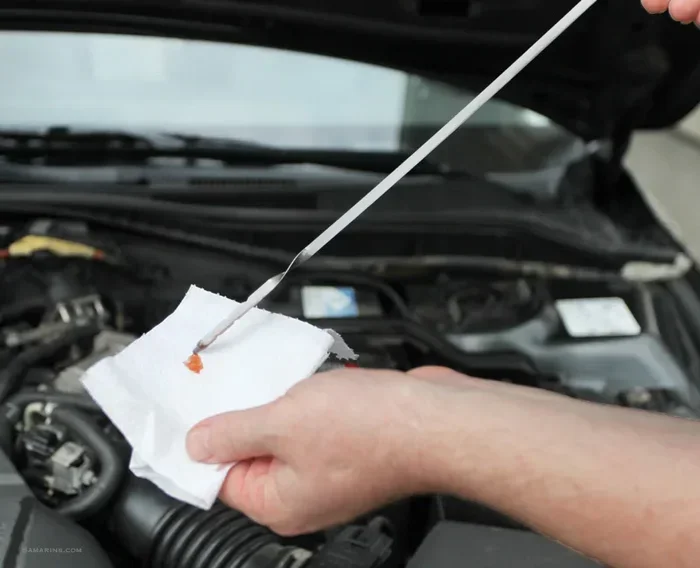
Pull the dipstick out and wipe it clean with a lint-free cloth or paper towel. Reinsert it fully, then pull it out again. Look at the fluid level on the markings on the dipstick.
You should see two marks, usually lines or holes. The fluid level should fall between these marks. If it is below the lower mark, you need to add more fluid. If it is above the upper mark, you may have overfilled the system.
Step 5: Check the Fluid Color and Smell
The level is only part of the picture. You also need to check the condition of the fluid. Healthy transmission fluid is typically red or pink and translucent. It should not have a strong burnt smell.
If the fluid looks dark brown or black, it may be old and dirty. If it smells burnt, the transmission may be overheating. Both of these signs point to the need for a transmission fluid change or further inspection.
Step 6: Add Fluid If Needed
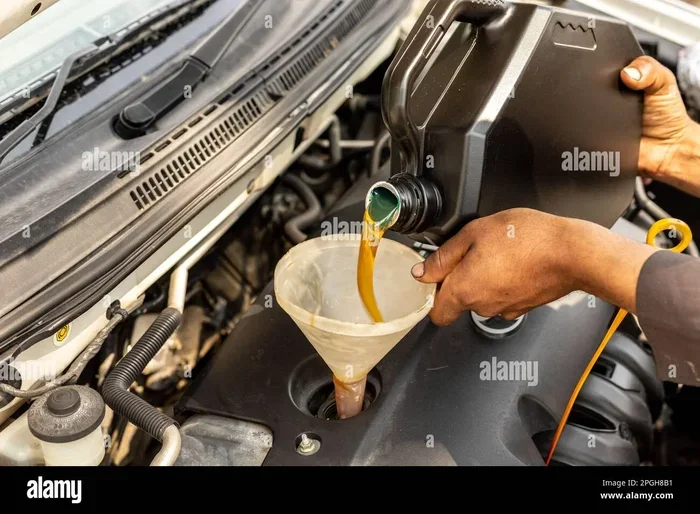
If the level is low, use a funnel to add the correct type of transmission fluid. Never mix different types of fluid. The wrong fluid can damage internal components and void your warranty.
Add fluid in small amounts and recheck the level. Overfilling can cause foaming, which leads to poor lubrication and potential transmission damage. Go slow and be patient.
What Your Transmission Fluid Tells You
Checking the fluid level is important, but what the fluid itself looks like and smells like tells you even more. Think of it as a health report for your transmission.
Bright red fluid that smells slightly sweet is normal. This means the fluid is fresh and doing its job. Dark brown fluid is still okay but suggests it is time for a change. Black or dark fluid with a burnt smell is a serious warning sign. It means the transmission is overheating or the fluid has broken down.
You should also pay attention to the texture. Healthy fluid feels smooth. If you feel grit or particles when you rub it between your fingers, there may be metal shavings inside the transmission. This is a sign of internal wear and should be checked by a mechanic right away.
Low fluid levels can also indicate a transmission fluid leak. If you keep needing to add fluid, inspect the vehicle underneath for any red or pink puddles. Leaks can come from the transmission pan, seals, or fluid lines. Catching a leak early can save you from a much more expensive transmission repair cost later on.
Common Mistakes When Checking Transmission Fluid
Even experienced car owners make mistakes when checking transmission fluid. Here are the most common ones and how to avoid them.
- Checking the fluid with the engine cold. This gives a false low reading. Always follow the warm-up procedure recommended by the manufacturer.
- Not parking on a level surface. An uneven surface throws off the fluid level reading significantly.
- Using the wrong type of fluid. Different transmissions require different fluid types. Using the wrong one can cause serious damage.
- Overfilling the system. Too much fluid causes foaming, which reduces lubrication and can lead to overheating.
- Ignoring the fluid condition. The level matters, but the color and smell tell you about the overall health of the transmission.
- Forgetting to check the owner’s manual. Every vehicle is different. The manual is your best resource for the correct procedure.
Avoiding these mistakes keeps your transmission maintenance on track and prevents costly repairs down the road.
When to Call a Professional
Checking your own transmission fluid is a great way to stay on top of your car’s health. But there are times when you should leave it to the professionals.
If you notice any of the following signs, it is time to see a mechanic:
- The fluid is dark brown or black with a burnt smell.
- You see metal particles or grit in the fluid.
- Your transmission slips between gears.
- You hear grinding or whining noises when shifting.
- The fluid level drops again shortly after you refill it.
- The check engine light is on along with transmission warning signs.
These symptoms can point to serious internal problems. Trying to fix them yourself without the right tools and expertise can make things worse. A professional mechanic can perform a full transmission fluid change and inspect the system for any hidden issues.
Regular professional inspections also help catch problems early. Most experts recommend a full transmission check at least once a year, even if you check the fluid yourself regularly.
Quick Tips for Better Transmission Health
Here are some simple habits that keep your transmission in great shape for years to come.
- Check your fluid regularly. Make it part of your monthly car care routine. Catching low fluid early prevents bigger problems.
- Use the right fluid type. Always match the fluid to what the manufacturer specifies.
- Do not ignore warning signs. Slipping gears, strange noises, or delayed shifting are not things to brush off.
- Keep your cooling system in good shape. Overheating is one of the top causes of transmission failure. A well-maintained cooling system helps protect the transmission.
- Avoid heavy towing without the right fluid. If you tow frequently, consider using a high-performance transmission fluid rated for heavy loads.
- Follow the maintenance schedule. Regular transmission fluid change intervals keep the fluid clean and the system running smoothly.
Small habits like these add up. They save you money, keep your car running smoothly, and extend the life of your transmission.
Final Thoughts
So, do you leave the car running when checking transmission fluid? For most automatic vehicles, yes. For most manual vehicles, no. But the real answer always comes back to your specific vehicle and what the manufacturer recommends.
Taking a few minutes to check your transmission fluid level properly can save you from expensive repairs and keep your car shifting smoothly. It is one of the simplest and most impactful things you can do as a car owner. Follow the steps outlined in this guide, pay attention to the condition of your fluid, and never skip the vehicle owner’s manual. Your transmission will thank you for it.
Stay proactive with your transmission maintenance. A little effort today goes a long way toward avoiding big problems tomorrow. Keep your car in great shape and enjoy the peace of mind that comes with knowing your vehicle is running at its best.
Frequently Asked Questions
Can I check transmission fluid with the engine off?
For most manual transmissions, yes. Many manufacturers recommend checking manual gearbox fluid with the engine off and cool. However, some vehicles still require a warm engine even for manual transmissions. Always check your owner’s manual to be sure.
What happens if I check transmission fluid while the car is cold?
Cold fluid is thicker and does not fill the transmission channels properly. This leads to a false low reading, which might cause you to add fluid unnecessarily. Always follow the warm-up procedure recommended by your vehicle manufacturer for the most accurate result.
How often should I check my transmission fluid?
Most experts recommend checking your transmission fluid at least once a month. You should also check it before any long road trips. Regular checks help you catch low fluid levels or contamination early before they turn into bigger problems.
What color should healthy transmission fluid be?
Healthy transmission fluid is typically red or pink and translucent. It should have a slightly sweet smell. If the fluid turns dark brown, black, or smells burnt, it is a sign that the fluid is old or the transmission is overheating and needs attention.
Can low transmission fluid cause slipping gears?
Yes, absolutely. Low fluid reduces hydraulic pressure in automatic transmissions, which can cause the gears to slip. If you notice slipping, delayed shifting, or difficulty engaging gears, check your fluid level first. Low fluid is one of the most common causes of these issues.
Is it safe to add transmission fluid while the engine is running?
Yes, it is generally safe to add fluid with the engine running and warm. This ensures the fluid circulates properly and gives you a more accurate reading after adding. Just be careful not to overfill, and always use the correct fluid type for your vehicle.
=== CONCLUSION ===
Knowing whether to leave the car running when checking your transmission fluid is a fundamental part of transmission maintenance. The answer varies by vehicle type, but the process is straightforward once you know the rules. Always consult your owner’s manual, follow the proper warm-up procedure, and pay attention to both the fluid level and its condition.
By taking a few simple steps each month, you protect one of the most important and expensive components in your vehicle. A little routine care goes a long way. Stay on top of your transmission fluid check routine, and your car will reward you with smooth, reliable performance for years to come.