At What Mileage Do Starters Go Bad and How To Spot It
Knowing when starters go bad can save you from unexpected breakdowns and costly repairs. Most car starters fail between 100,000 and 150,000 miles, but driving habits and maintenance play a big role. This guide covers the mileage ranges, early symptoms, and simple steps to spot a failing starter before it leaves you stranded.
Your car’s starter motor works hard every single time you turn the key or press the push-button start. This small but powerful component cranks your engine and gets it running. Over time, wear and tear take their toll. So, at what mileage do starters go bad? The honest answer is it depends. Most starters last between 100,000 and 150,000 miles. But some fail much earlier. Others keep going well past 200,000 miles.
The difference comes down to how you drive, how well you maintain your vehicle, and the quality of the starter itself. Understanding the signs of a bad starter motor helps you act before you’re stuck with a car that won’t start. In this article, we break down the mileage ranges, the warning symptoms, and what you can do to keep your ignition system running strong.
Whether you drive a daily commuter or a classic car, this guide gives you the knowledge to spot starter failure early. We will walk you through every detail in plain, simple language. No confusing jargon. Just clear, actionable advice you can use right away.
Key Takeaways
- Starters typically last 100,000 to 150,000 miles: But actual lifespan depends on driving conditions, weather, and electrical health.
- Early warning signs save money: Grinding noises, slow cranking, and intermittent starting are red flags you should never ignore.
- Bad electrical connections speed up failure: Corroded terminals and weak batteries put extra strain on your starter motor.
- Replacement costs range from $300 to $600: DIY repair is possible if you have basic tools and mechanical skills.
- Cold weather worsens starter problems: Low temperatures thicken engine oil and reduce battery power, stressing the starter.
- Regular maintenance extends starter life: Clean connections, healthy batteries, and proper engine care keep your ignition system strong.
📑 Table of Contents
Understanding Your Starter Motor
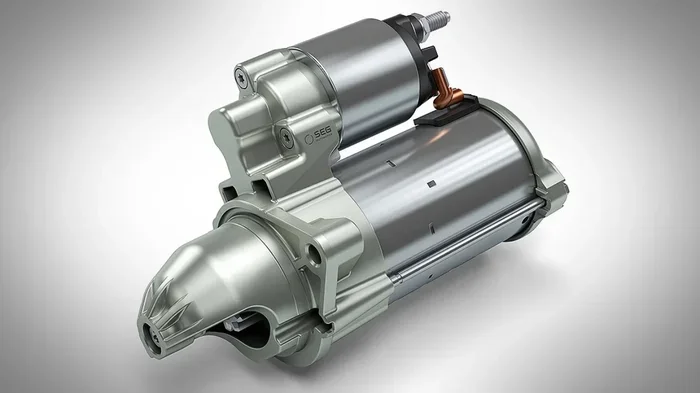
Before we dive into mileage numbers, let us quickly cover what a starter does and why it matters. The starter motor is a small electric motor mounted near your engine’s flywheel or flexplate. When you turn your ignition key or press the start button, the starter engages with the engine and spins it over. This creates the compression needed to fire up the engine.
The starter works as part of a larger ignition system. The starter solenoid acts as a relay. It sends electrical current from the battery to the starter motor. When the solenoid activates, it also pushes the starter gear into contact with the engine’s ring gear. Once the engine starts running, the starter disengages automatically.
How the Starter Motor Works
Here is a simple breakdown of the starter process:
- You turn the key or press the start button.
- The ignition switch sends a signal to the starter relay.
- The relay energizes the starter solenoid.
- The solenoid pushes the starter gear into the flywheel.
- The starter motor spins and cranks the engine.
- Once the engine fires, the starter disengages and stops.
This whole process happens in just a few seconds. But each start creates friction and heat inside the starter motor. Over thousands of starts, the internal components wear down. Brushes degrade. The solenoid weakens. The gear teeth wear out. Eventually, the starter cannot turn the engine over anymore.
At What Mileage Do Starters Go Bad?
This is the big question, and the answer is not a single number. The average starter motor lasts somewhere between 100,000 and 150,000 miles. However, many factors influence this range. Let us look at the typical mileage brackets and what you can expect.
Mileage Ranges That Matter
Here is a general breakdown of starter lifespan by mileage:
- Under 100,000 miles: Your starter is still in its prime. Failures at this stage are rare and usually caused by manufacturing defects or electrical problems.
- 100,000 to 150,000 miles: This is the most common failure range. Wear on the brushes, solenoid, and gear teeth begins to show.
- 150,000 to 200,000 miles: Starters can still work at this range, but they are more prone to intermittent issues and sudden failure.
- Over 200,000 miles: Some starters go the distance, but this is unusual. Most will show clear signs of wear by now.
Keep in mind that these numbers are averages. Your experience may vary based on your vehicle, driving style, and maintenance habits. A well-maintained starter in a mild climate can easily exceed 150,000 miles. A starter in a harsh environment may fail at 80,000 miles.
Why Mileage Alone Is Not Enough
Mileage gives you a general idea, but it does not tell the whole story. Several factors affect how quickly a starter wears out:
- Driving habits: Frequent short trips cause more starter wear because the engine never fully warms up.
- Weather conditions: Extreme cold and heat both stress electrical components.
- Battery health: A weak battery forces the starter to work harder.
- Engine condition: Low oil viscosity or engine mechanical issues increase the load on the starter.
- Starter quality: OEM starters and premium aftermarket units tend to last longer than budget replacements.
So when you ask, “at what mileage do starters go bad,” remember that mileage is just one piece of the puzzle. Your actual driving conditions matter just as much.
Common Symptoms of a Failing Starter
Spotting the early signs of a bad starter can save you from a frustrating morning. Most starter problems develop gradually. You will notice small changes before a complete failure. Here are the most common symptoms to watch for.
Slow Cranking or Weak Start
If your engine turns over slowly when you start the car, that is a classic sign of starter trouble. A healthy starter spins the engine quickly and confidently. A failing starter labors and struggles. You might notice the engine takes longer to fire up than it used to. This happens when the internal brushes wear down and cannot deliver full power.
Grinding or Clicking Noises
Strange noises when you turn the key should never be ignored. A grinding sound usually means the starter gear is not engaging properly with the flywheel. This can happen when the starter solenoid wears out or the gear teeth are damaged. A single click followed by silence often points to a dead solenoid or a starter that cannot draw enough current.
Intermittent Starting Problems
Sometimes a starter works fine one day and fails the next. Intermittent starting is one of the trickiest symptoms to diagnose. It usually indicates internal electrical issues. The brushes may be worn unevenly, or the solenoid may be failing intermittently. If your car starts sometimes and not others, get the starter checked soon.
Starter Stays Engaged
After the engine starts, the starter should disengage automatically. If you hear a grinding or whirring noise that continues after the engine is running, the starter solenoid may be stuck. This causes the starter gear to stay in contact with the flywheel. It can damage both the starter and the engine ring gear if not fixed quickly.
No Response at All
If you turn the key and absolutely nothing happens, the starter may be completely dead. However, do not jump to conclusions right away. A dead battery, faulty ignition switch, or broken starter relay can cause the same symptom. Always check the battery and electrical connections first before assuming the starter is the problem.
What Causes Starters to Fail Early?
Some starters go bad at 80,000 miles. Others last 200,000 miles. The difference often comes down to what causes premature failure. Understanding these causes helps you protect your starter and extend its lifespan.
Electrical Connection Problems
Corroded or loose battery terminals are one of the biggest enemies of your starter motor. When electrical connections are dirty or damaged, the starter receives less current. It has to work harder to crank the engine. Over time, this extra strain wears out the internal components faster. Cleaning your battery terminals regularly is a simple way to prevent this problem.
Weak or Aging Battery
Your starter depends on the battery for power. A weak battery forces the starter to draw more current to compensate. This overheats the starter motor and accelerates wear. Many drivers replace a starter only to discover the real problem was a failing battery. Always test your battery when diagnosing starter issues.
Oil Leaks and Contamination
Engine oil or transmission fluid leaking onto the starter motor can cause serious damage. Oil breaks down the insulation on the starter’s internal wiring. It also attracts dirt and debris that clog the moving parts. If you notice oil leaks near the starter, address them immediately to prevent contamination.
Overheating and Excessive Cranking
Starting your car repeatedly in quick succession generates heat inside the starter motor. The starter is designed for short bursts of activity. If you crank the engine for more than 10 to 15 seconds at a time, you risk overheating the internal windings. Let the starter rest for at least 30 seconds between attempts.
Poor Ground Connections
A bad ground connection disrupts the electrical circuit that powers the starter. This causes the starter to receive inconsistent voltage. Over time, this irregular power supply damages the motor and solenoid. Check your vehicle’s ground straps regularly and ensure they are secure and free of corrosion.
How to Diagnose a Bad Starter
If you suspect your starter is failing, you do not need to be a mechanic to check a few things yourself. Here are some simple diagnostic steps you can take at home.
Step 1: Check the Battery
Start by testing your battery voltage with a multimeter. A fully charged battery should read 12.6 volts or higher. If the voltage is below 12.0 volts, charge or replace the battery first. A weak battery often mimics starter problems.
Step 2: Listen for Sounds
Turn the key to the start position and listen carefully. A healthy starter produces a single, crisp engagement sound. A clicking noise, grinding sound, or complete silence all point to different problems. Note what you hear and share it with your mechanic.
Step 3: Inspect Electrical Connections
Look at the wiring connected to your starter. Check for corroded terminals, loose cables, or frayed wires. Clean any corrosion with a wire brush and baking soda solution. Tighten all connections securely.
Step 4: Tap Test
This is an old-school trick that sometimes works. If your starter clicks but does not engage, have someone turn the key while you gently tap the starter body with a rubber mallet. This can free up stuck components temporarily. It is not a permanent fix, but it confirms whether the starter is the problem.
Step 5: Get a Professional Diagnosis
When in doubt, visit a trusted mechanic. They can perform a starter draw test to measure the current your starter is pulling. Excessive draw indicates worn brushes or a failing solenoid. A professional diagnosis gives you a definitive answer and helps you avoid replacing parts unnecessarily.
Starter Replacement: What to Expect
If your starter has gone bad, you will need to replace it. The good news is that starter replacement is a straightforward repair. Let us look at what the process involves and what it costs.
Cost of Starter Replacement
The average cost to replace a starter motor ranges from $300 to $600. The parts themselves cost between $100 and $400, depending on your vehicle. Labor typically runs from $200 to $250. Luxury vehicles and trucks may cost more due to harder access. Always ask for a detailed estimate before approving the repair.
DIY vs. Professional Replacement
If you have basic mechanical skills and the right tools, replacing a starter is a job you can do yourself. The starter is usually mounted on the engine block near the transmission. You need to disconnect the battery, remove the mounting bolts, and unclip the electrical connections. A new starter drops right in and bolts back up.
However, if you are not comfortable working under your car, hire a professional. A bad starter installation can cause more damage and cost more in the long run.
OEM vs. Aftermarket Starters
When buying a replacement starter, you have two main options. OEM starters are made by your vehicle’s manufacturer. They offer the best fit and reliability. Aftermarket starters from reputable brands like Bosch, Denso, and AC Delco are also high quality and often more affordable. Avoid the cheapest no-name options. They may fail within a few thousand miles.
How to Extend Your Starter’s Life
You cannot stop a starter from eventually wearing out, but you can take steps to make it last longer. Simple maintenance habits go a long way.
- Keep your battery healthy: Test your battery twice a year and replace it every 3 to 5 years.
- Clean electrical connections: Inspect and clean battery terminals and starter wiring every few months.
- Avoid excessive cranking: If the engine does not start within 10 seconds, wait 30 seconds before trying again.
- Fix oil leaks promptly: Keep engine oil and transmission fluid away from the starter motor.
- Use quality replacement parts: When the time comes, invest in a reliable starter from a trusted brand.
- Warm up your engine gently: In cold weather, let the engine idle for a few moments before driving to reduce strain on the starter.
These small habits add up over time. They protect not just your starter but your entire ignition system. A little prevention today saves you from a major repair tomorrow.
Final Thoughts
So, at what mileage do starters go bad? The answer is somewhere between 100,000 and 150,000 miles on average. But your actual experience depends on how you drive and how well you maintain your vehicle. Pay attention to the warning signs. A grinding noise, slow cranking, or intermittent starting problem should never be ignored. Early detection saves you time, money, and the frustration of a car that will not start.
Take care of your battery, keep your electrical connections clean, and treat your starter with respect. It works hard for you every day. Return the favor with a little regular attention. Your future self will thank you when your car starts up without a hitch on a cold Monday morning.
Frequently Asked Questions
Can a starter go bad before 100,000 miles?
Yes, it is possible. While most starters last 100,000 miles or more, premature failure can happen due to electrical problems, oil leaks, or manufacturing defects. A weak battery and poor connections are common culprits that wear out a starter early.
Is it safe to drive with a bad starter motor?
It is not recommended. A failing starter can leave you stranded if it stops working completely. In some cases, a bad starter may also damage the flywheel or ring gear, leading to much more expensive repairs. Get it checked as soon as you notice symptoms.
How long does it take to replace a starter?
A professional mechanic usually takes one to three hours to replace a starter. DIY replacement can take a bit longer if you are less experienced. The time depends on your vehicle’s engine layout and how accessible the starter is.
Can a dead battery cause starter problems?
Absolutely. A weak or dead battery is one of the most common causes of starter issues. When the battery cannot deliver enough power, the starter struggles to crank the engine. Always check the battery first before assuming the starter itself is faulty.
Does cold weather affect starter lifespan?
Yes, cold weather puts extra stress on the starter. Low temperatures thicken engine oil, making the engine harder to crank. The battery also loses strength in the cold, forcing the starter to work harder. This accelerates wear over time.
What is the difference between a starter motor and a starter solenoid?
The starter motor is the electric motor that cranks the engine. The starter solenoid is a relay that sends electrical current to the motor and pushes the gear into the flywheel. They work together as a unit, but they are separate components that can fail independently.
=== CONCLUSION ===
Understanding at what mileage starters go bad helps you stay ahead of costly repairs and unexpected breakdowns. Most starters fail between 100,000 and 150,000 miles, but your driving habits, climate, and maintenance routine all play a role. Watch for the warning signs, keep your battery and electrical connections in good shape, and replace your starter with a quality part when the time comes. A little attention to your ignition system goes a long way toward keeping your car reliable for years to come.