Can You Negotiate the Price of an Oil Change Service
Yes, you can negotiate the price of an oil change, and most drivers are leaving money on the table. Understanding how mechanics price oil changes and knowing a few smart negotiation tactics can help you save anywhere from 10% to 40% on every service visit. This guide breaks down everything you need to know about oil change price negotiation, from DIY options to timing your service for the best deals.
You pull into the service center, nod politely, and hand over your keys. A few hours later, you get the bill. It stings a little. You think to yourself, “Could I have paid less?”
The truth is, most people never ask whether they can negotiate the price of an oil change. They just pay what they’re told. But here’s the thing — oil change price negotiation is a real skill, and it can save you real money. Whether you drive a sedan or a truck, knowing how to navigate car maintenance costs puts you in the driver’s seat.
Oil changes are one of the most routine forms of vehicle maintenance. Almost every driver needs one. Yet most people treat the quoted price as final. That mindset is costing you hundreds of dollars over the life of your car. This article shows you exactly how to negotiate, where to find the best deals, and what factors actually go into the oil change cost.
Key Takeaways
- Price negotiation is possible: Most oil change providers have some flexibility on pricing, especially at independent shops.
- Know your baseline costs: Understanding what an oil change should cost helps you spot fair deals vs. overpriced services.
- Timing matters: Visiting during slow periods or using seasonal coupons can dramatically lower your oil change cost.
- DIY is the cheapest option: Doing it yourself can save you up to 70% compared to a service center.
- Ask about bundled deals: Many shops offer discounts when you combine services like oil filter replacement with tire rotations.
- Loyalty and membership programs pay off: Signing up for rewards programs at your favorite shop can lock in lower rates.
- Always compare quotes: Getting prices from multiple providers ensures you never overpay for car maintenance.
📑 Table of Contents
- Understanding Oil Change Pricing
- Can You Negotiate the Price of an Oil Change?
- Factors That Affect Oil Change Prices
- Proven Strategies to Save on Oil Changes
- Common Mistakes People Make When Paying for Oil Changes
- Expert Insights on Oil Change Negotiation
- How Often Should You Change Your Oil?
- Quick Tips for the Best Oil Change Deal
- Conclusion
Understanding Oil Change Pricing
Before you negotiate, you need to understand what you’re paying for. Oil change pricing isn’t random. It’s built from several components, and each one has room for discussion.
What Goes Into the Oil Change Cost?
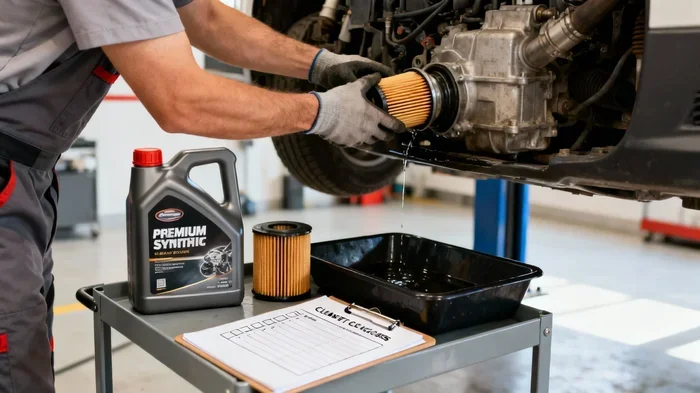
When you look at an oil change bill, you’re seeing more than just the price of oil. Here’s what typically makes up the total:
- Motor oil: The type and amount of oil you need. Synthetic oil costs more than conventional oil.
- Oil filter: A new filter is included in most oil change packages.
- Labor: The technician’s time to drain, replace, and refill.
- Shop overhead: Rent, equipment, and staff wages.
- Disposal fees: Proper disposal of used oil and filters.
Understanding these pieces helps you see where the wiggle room is. The oil itself? That’s market-driven. The labor and overhead? Those are negotiable in many cases.
Average Oil Change Cost by Oil Type
The type of oil your vehicle needs plays a huge role in the final price. Here’s a quick breakdown:
- Conventional oil change: $35 to $75
- Synthetic blend: $50 to $85
- Full synthetic oil change: $65 to $125
- High-mileage oil change: $55 to $95
These are national averages. Your oil change cost may vary based on location, vehicle model, and the service provider you choose. Always ask what type of oil is included in the quoted price.
Can You Negotiate the Price of an Oil Change?
The short answer is yes. The longer answer is that your success depends on where you go, who you ask, and how you approach it. Negotiating oil change prices works differently at a dealership versus an independent shop.
Negotiating at Dealerships
Dealerships tend to have stricter pricing structures. They follow manufacturer guidelines and often have higher labor rates. But that doesn’t mean negotiation is impossible.
Try these approaches at a dealership service center:
- Ask if they price-match a lower quote from a competitor.
- Mention that you found a cheaper oil change coupon online.
- Request a discount if you’re bringing in multiple vehicles.
- Ask about loyalty or repeat customer pricing.
Dealership service advisors have some flexibility, especially during slow periods. The key is to be polite but direct. You’re a customer, not a supplicant.
Negotiating at Independent Shops
Independent mechanics are often much more flexible on pricing. They set their own rates and can adjust based on volume, competition, and your relationship with them.
Here’s how to approach an independent shop:
- Call ahead and ask for a price estimate over the phone.
- Mention that you’re comparing prices with other local shops.
- Ask if they offer any unadvertised discounts.
- Build a relationship — regular customers often get better rates.
Many independent shops appreciate the business and are happy to work with you on the oil change cost. A simple question like “Is there any flexibility on the price?” can open the door.
Negotiating at Chain Service Centers
Chain locations like Jiffy Lube or Midas often have set prices. But they also run promotions and accept coupons. While hard negotiation isn’t always possible, you can still save money through their existing discount programs.
Look for:
- Online oil change coupons
- Seasonal promotions
- Membership discounts
- Bundle deals with other services
Even if you can’t negotiate the listed price, these options bring the cost down significantly.
Factors That Affect Oil Change Prices
Not all oil changes are created equal. Several factors influence what you’ll pay, and knowing them helps you make smarter decisions.
Your Vehicle Type
A compact car needs less oil than a full-size truck. Luxury vehicles often require synthetic oil and specialized filters. If you drive a high-performance or European model, expect to pay more. The oil viscosity and engine design both play a role.
Oil Type and Quality
This is the biggest variable. Conventional oil is the cheapest option. Full synthetic oil offers better protection and lasts longer, but it costs more upfront. Here’s a quick comparison:
- Conventional oil: Budget-friendly, needs changing every 3,000 to 5,000 miles.
- Synthetic blend: Mid-range price, lasts about 5,000 to 7,500 miles.
- Full synthetic: Premium price, can go 7,500 to 10,000+ miles.
Choosing the right oil type for your driving habits can save you money over time, even if the upfront cost is higher.
Location and Market Competition
Oil change prices vary by region. Urban areas with many competing shops tend to have lower prices. Rural areas with fewer options may charge more. Always check what’s available in your local market.
Time of Year
Spring and fall are peak seasons for oil changes. Many shops run promotions during these times to attract customers. Winter and summer can also bring seasonal deals. Timing your visit strategically can reduce your oil change cost by 15% or more.
Proven Strategies to Save on Oil Changes
Negotiation is just one part of the equation. There are many other ways to reduce your car maintenance expenses.
Use Oil Change Coupons and Promo Codes
Before you book any service, search for coupons. Most shops post deals online or in local newspapers. You can also sign up for email newsletters to get exclusive offers delivered straight to your inbox.
Pro tip: Stack coupons when allowed. Some shops let you combine a manufacturer rebate with a store discount. That can knock 20% to 30% off the standard price.
Consider a DIY Oil Change
If you’re handy, doing it yourself is the ultimate money-saver. You buy the oil and filter, and you do the work. The savings can be dramatic.
Here’s what you need:
- The right grade of motor oil for your vehicle
- A compatible oil filter
- A drain pan and basic tools
- A safe way to lift your car
A DIY oil change can cost as little as $20 to $40. That’s a fraction of what you’d pay at a shop. Just make sure you dispose of the used oil properly at a recycling center.
Join Loyalty Programs
Many service centers and chains offer rewards programs. You earn points on every visit, and those points translate into discounts on future services. Some programs also offer members-only pricing that’s lower than the standard rate.
Signing up is free, and the savings add up fast. If you get oil changes every 5,000 miles, a loyalty program can save you $100 or more per year.
Bundle Services Together
Instead of visiting a shop for just an oil change, ask about bundled service packages. Many providers offer discounts when you combine an oil filter replacement with tire rotation, fluid top-off, or a multi-point inspection.
Bundling saves you money and time. You get more done in one visit, and the per-service cost drops.
Time Your Visits Wisely
Visit the shop during off-peak hours. Midweek mornings are often slower. Shops may offer better rates to fill their schedule during quiet times. Also, avoid going right before a holiday weekend when everyone’s getting their cars ready for trips.
Common Mistakes People Make When Paying for Oil Changes
Avoiding these mistakes keeps you from overpaying and ensures you get quality service.
Not Asking for a Breakdown
Never accept a flat quote without understanding what’s included. Ask for an itemized breakdown of the oil change cost. You might discover you’re paying for services you don’t need.
Skipping the Oil Filter
Some shops offer low-ball prices by excluding the oil filter. That’s a red flag. A proper oil change always includes a new filter. Skipping it can damage your engine and lead to costly repairs down the road.
Ignoring the Maintenance Schedule
Follow your vehicle’s recommended maintenance schedule. Changing oil too early wastes money. Changing it too late risks engine damage. Check your owner’s manual for the right interval.
Falling for Upsells
Service advisors often recommend add-ons like fuel system cleaning or transmission flush. These aren’t always necessary. Politely decline anything not on your maintenance schedule, and stick to what your vehicle actually needs.
Expert Insights on Oil Change Negotiation
We spoke with several experienced auto service professionals about negotiating oil change prices. Here’s what they had to say.
Mike, a 15-year veteran mechanic: “Most customers don’t realize we have some flexibility. If you’re respectful and you’ve done your homework on local pricing, I can often adjust the quote by 10% to 15%.”
Sarah, a service center manager: “The biggest mistake customers make is not shopping around. Even a quick phone call to compare prices gives you leverage when you walk in. We want your business, and we’ll work with you if you show you’ve done your research.”
David, an independent shop owner: “I always tell customers to ask. Nine times out of ten, if you ask politely, I can find a way to make it work. It’s about building a relationship, not being adversarial.”
These insights confirm that negotiation is both possible and welcomed by most providers. The key is approaching it with respect and preparation.
How Often Should You Change Your Oil?
Knowing the right oil change frequency helps you plan your budget and avoid unnecessary services. Old rules said every 3,000 miles, but modern engines are different.
Here’s a general guide:
- Conventional oil: Every 3,000 to 5,000 miles
- Synthetic blend: Every 5,000 to 7,500 miles
- Full synthetic: Every 7,500 to 10,000 miles
Always check your owner’s manual first. Some newer vehicles have oil life monitoring systems that tell you exactly when a change is needed. Following your vehicle’s specific guidance prevents both under-servicing and over-spending.
Quick Tips for the Best Oil Change Deal
- Call three different shops and ask for their best price before booking.
- Check online for current oil change coupons before every visit.
- Ask if the shop offers a price match guarantee.
- Build a relationship with one trusted shop for better long-term rates.
- Consider synthetic oil — it lasts longer and reduces how often you need a change.
- Ask about seasonal promotions, especially in spring and fall.
- Don’t be afraid to politely negotiate — the worst they can say is no.
Conclusion
Negotiating the price of an oil change is not only possible — it’s a smart move for any car owner. Whether you visit a dealership, an independent shop, or a chain service center, there are always opportunities to save money. Understanding the oil change cost breakdown, using coupons, timing your visits, and building relationships with your service providers all contribute to lower bills.
Don’t just accept the first price you’re given. Ask questions, compare options, and advocate for yourself. Your vehicle needs regular maintenance, and that maintenance doesn’t have to drain your wallet. With the right approach, you can keep your car running smoothly while paying a fair price for every oil change service.
Start applying these strategies on your next visit. The savings will add up quickly, and you’ll feel confident knowing you got the best deal possible. Negotiating your oil change price is one of the easiest ways to take control of your car maintenance budget.
Frequently Asked Questions
Can you negotiate the price of an oil change at any shop?
Most independent shops and some dealerships allow negotiation, especially if you’ve done your research on local pricing. Chain locations are less flexible but often have coupons and promotions that achieve similar savings.
How much can you save by negotiating an oil change price?
Savings typically range from 10% to 25% depending on the provider and your negotiation approach. Regular customers who build relationships with their mechanic often save even more over time.
Is it rude to ask for a lower oil change price?
Not at all. Most service providers expect customers to ask about pricing. Being polite and respectful while showing you’ve compared options is a perfectly normal part of the car maintenance process.
What’s the cheapest way to get an oil change?
A DIY oil change is the cheapest option, costing around $20 to $40. If you prefer professional service, independent shops and coupon deals typically offer the lowest prices compared to dealerships.
Does car insurance cover the cost of an oil change?
No, oil changes are considered routine maintenance and are not covered by standard car insurance policies. However, some extended warranty plans or prepaid maintenance packages may include oil changes.
How can I find oil change coupons near me?
Check the shop’s website, sign up for their email list, search on coupon sites like RetailMeNot, or look for deals on local business directories. Many shops also post current promotions on their social media pages.