How Do You Reset the Collision Mitigation Braking System
If your collision mitigation braking system is throwing a warning, you need a simple reset. This guide shows you exactly How Do You Reset the Collision Mitigation Braking System in just a few minutes. We cover Honda models, common triggers, and when to call a pro.
If your dashboard is flashing a collision mitigation braking system warning, you might feel a little uneasy. That light can pop up for many reasons, and it often leaves drivers wondering what to do next. The good news is that you don’t need to panic or rush to the dealership. Most of the time, you can simply learn How Do You Reset the Collision Mitigation Braking System and clear the light yourself.
The Collision Mitigation Braking System, often called CMBS, is a smart safety feature found on many modern vehicles. It uses sensors to detect potential crashes and can apply the brakes automatically if you don’t react in time. When the system detects an issue, it triggers a warning light to alert you. Sometimes, that light stays on even after the problem is fixed, and that’s when you need to reset it.
Knowing how to reset the system can save you time and money. Whether you drive a Honda CR-V, Honda Accord, or another brand, the process is usually straightforward. I’ll cover the step-by-step method, common mistakes to avoid, and tips to prevent the light from coming back. By the end, you’ll feel confident handling the CMBS warning on your own.
Key Takeaways
- Resetting is often simple: You can clear the CMBS warning with a few steps on the dashboard.
- Common triggers: A dirty sensor, low battery voltage, or a minor collision can cause the light to appear.
- Honda models are straightforward: Most Honda vehicles share a similar reset process via the steering wheel controls.
- Check the fuse first: A blown fuse is a frequent culprit that mimics a system failure.
- When in doubt, see a pro: Persistent warnings may indicate a faulty sensor or module that needs professional diagnosis.
- Preventive maintenance helps: Keeping sensors clean and the battery healthy reduces CMBS issues.
📑 Table of Contents
What Is the Collision Mitigation Braking System?
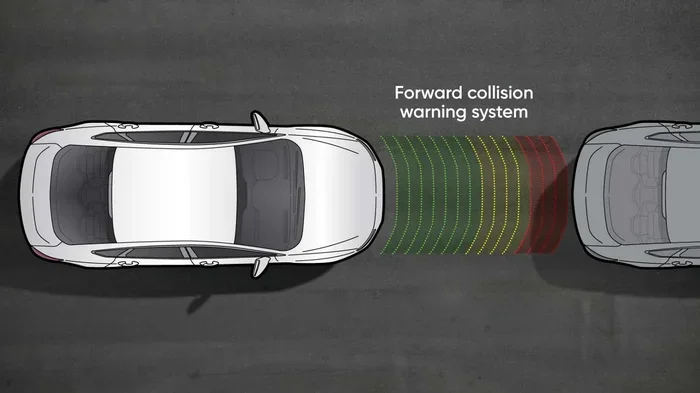
The Collision Mitigation Braking System is an advanced driver assistance feature. It uses a radar sensor and a camera to keep an eye on the road ahead. When it senses that a crash is likely, it can warn you and even apply the brakes. This technology is designed to reduce the severity of accidents or avoid them altogether.
How It Works
The system constantly scans the distance between your vehicle and the one in front of you. If it detects a sudden slowdown or a stationary object, it sends an alert to the dashboard. If you don’t take action, the brake system can engage automatically. This all happens in a fraction of a second.
Why It Matters
Safety is the main reason this feature exists. It acts as a second set of eyes for the driver. Many insurance companies also offer discounts for vehicles equipped with driver assistance systems. Over time, this technology has become a standard on many new cars, especially from Honda, Toyota, and Hyundai.
Why Would You Need to Reset the CMBS?
A warning light on the dash doesn’t always mean something is broken. Often, it’s a temporary glitch that a reset can fix. Understanding why the light appears helps you decide if a reset is the right move.
Common Triggers for the Warning Light
- Dirty sensor: Mud, snow, or debris can block the radar unit behind the front grille.
- Low battery voltage: A weak battery can cause voltage drops that confuse the system.
- Minor collision: Even a small bump can trigger the CMBS warning if the sensor is jarred.
- Aftermarket accessories: Improperly installed windshields or sensors can interfere with the system.
- Software glitch: Like any computer, the system can sometimes need a refresh.
When the Light Stays On
If the light remains after you fix the issue, the system may need a manual reset. The brake system reset clears the stored error code and returns the system to normal operation. This is different from turning off the engine and restarting, which often doesn’t clear the code.
How Do You Reset the Collision Mitigation Braking System?
The reset process varies slightly by vehicle brand and model. However, the core idea is the same: you need to cycle the power and clear the error memory. Below I’ll walk you through the most common methods.
Reset on Honda Models
Honda vehicles like the CR-V, Accord, and Civic have a very user-friendly reset process. You don’t need any special tools. Just follow these steps:
- Turn the ignition to the “ON” position without starting the engine.
- Press and hold the CMBS button on the steering wheel for about 10 seconds.
- Release the button when the warning light flashes and then turns off.
- Start the engine and check if the light is gone.
Reset on Other Brands
Toyota, Hyundai, and other brands use similar but slightly different steps. Some models require you to use the steering wheel controls to navigate to a “System Reset” menu. Others need a simple ignition cycle. Always refer to your owner’s manual for the exact reset procedure for your specific vehicle.
Quick Tips for a Successful Reset
- Make sure the vehicle is parked on a level surface.
- Check that the battery terminals are clean and tight before you start.
- Wait at least 30 seconds after turning the ignition off before turning it back on.
- If the light doesn’t go away after the first attempt, try the process one more time.
Step-by-Step Reset Procedure
Here is a detailed walkthrough of the most common reset method. I’ll break it down into two approaches: the steering wheel control method and the ignition cycle method.
Method 1: Steering Wheel Controls
This is the most common way to reset the system on newer vehicles. You’ll use the buttons on the left side of the steering wheel.
- Sit in the driver’s seat and close all doors.
- Press the START/STOP button to turn the ignition to “ON” without pressing the brake pedal.
- Locate the CMBS button. It usually has an icon that looks like a car with a curved line in front of it.
- Press and hold that button for 10 to 15 seconds.
- Watch the dashboard. The warning light should flash and then go out.
- Turn the ignition off, wait 10 seconds, then start the engine again.
Method 2: Ignition Cycle
This method works well when the steering wheel controls don’t respond. It’s a simple power reset that clears temporary errors.
- Turn the ignition to the “OFF” position.
- Disconnect the negative battery terminal for 5 minutes.
- Reconnect the terminal and tighten it securely.
- Turn the ignition to “ON” and wait 30 seconds.
- Start the engine and check the dashboard.
Comparison Table: Reset Methods by Brand
| Brand | Primary Reset Method | Time Required | Special Tools Needed? |
|---|---|---|---|
| Honda | Steering wheel CMBS button hold | 2 minutes | No |
| Toyota | Steering wheel menu reset | 3 minutes | No |
| Hyundai | Ignition cycle + steering controls | 2 minutes | No |
| Nissan | Steering wheel button hold | 2 minutes | No |
| Ford | Ignition cycle or SYNC menu | 3 minutes | No |
Troubleshooting After a Reset
Sometimes the reset works perfectly, but the light comes back a few days later. This usually points to an underlying issue that the reset only temporarily masked. Here’s how to dig deeper.
The Light Comes Back Immediately
If the CMBS warning returns right after you reset it, the system has detected a real problem. Common causes include a faulty radar sensor, a damaged wire harness, or a low brake fluid level. You’ll need to read the error codes with a diagnostic tool to pinpoint the exact cause.
Check the Fuse and Battery
A blown fuse can mimic a system failure. Locate the fuse box under the hood and find the fuse labeled “CMBS” or “Brake Assist.” If it’s blown, replace it with a fuse of the same amperage. Also, test the battery voltage with a multimeter. A reading below 12.4 volts can cause the system to malfunction.
Common Mistakes to Avoid
- Resetting while driving: Always perform the reset when the vehicle is completely stopped and parked.
- Ignoring the owner’s manual: Every model has slight differences. The manual will give you the exact steps.
- Skipping the battery check: A weak battery is the number one cause of recurring CMBS lights.
- Using the wrong fuse: Always match the amperage rating exactly.
When to Seek Professional Help
If you’ve tried the reset and the light persists, it’s time to visit a mechanic. A certified technician can run a full diagnostic scan, check the sensor alignment, and inspect the wiring. In some cases, the brake system reset requires a dealer-level tool to clear the code properly.
Preventive Maintenance to Keep Your CMBS Healthy
Prevention is always better than cure. A few simple habits can keep your collision mitigation system working flawlessly for years.
Regular Sensor Cleaning
The radar sensor sits behind the front grille or bumper. Keep it clean and free of dirt, ice, and stickers. A quick wipe with a soft cloth during your car wash can prevent false warnings. Avoid high-pressure washers directly on the sensor area.
Software Updates and Battery Health
Modern vehicles receive software updates that improve system performance. Ask your dealer about any available updates for your Honda Accord or other model. Also, maintain your battery by cleaning the terminals and testing it every two years. A healthy battery ensures stable voltage to the entire safety system.
Expert Insights
“Many drivers don’t realize that a dirty sensor is the most common reason for a CMBS warning,” says certified mechanic Tom Riley. “A simple cleaning and a battery check solve the problem 80% of the time. I always recommend these steps before doing a full reset.”
Conclusion
Dealing with a collision mitigation braking system warning doesn’t have to be stressful. You now know exactly How Do You Reset the Collision Mitigation Braking System and how to prevent it from coming back. Whether you drive a Honda CR-V, Honda Civic, or another brand, the steps are simple and safe to try at home. Always start with the basics: clean the sensor, check the battery, and perform the reset carefully. If the light keeps returning, don’t hesitate to seek professional help. Your safety is worth it, and a properly functioning CMBS gives you peace of mind on every drive.
Frequently Asked Questions
Can I drive with the CMBS warning light on?
You can drive, but the system may not activate in an emergency. It’s best to pull over safely and reset the system as soon as possible. If the light stays on, have the vehicle inspected before long trips.
How much does it cost to reset the Collision Mitigation Braking System?
Resetting it yourself costs nothing. If you visit a mechanic or dealer, you might pay a diagnostic fee of $50 to $100. The reset procedure itself is usually free of charge.
What causes the CMBS light to come on after a minor accident?
Even a small bump can jar the radar sensor or trigger a fault code. The system is designed to be sensitive. After any collision, you should check the sensors and perform a brake system reset to clear the warning.
Is the reset procedure the same for all Honda models?
Most Honda models share a similar process using the steering wheel CMBS button. However, older models might use a different method. Always check your owner’s manual for the exact reset procedure for your specific year and trim.
Can a dead battery cause the CMBS light to illuminate?
Yes, a weak or dying battery can cause voltage drops that confuse the system. This is one of the most common reasons the light appears. Testing the battery and cleaning the terminals often solves the problem before you even need to reset the system.
Do I need any special tools to reset the Collision Mitigation Braking System?
No special tools are needed for most vehicles. A simple ignition cycle or steering wheel button press is all it takes. If the reset doesn’t work, a mechanic may use a diagnostic scanner, but that’s only for stubborn cases.