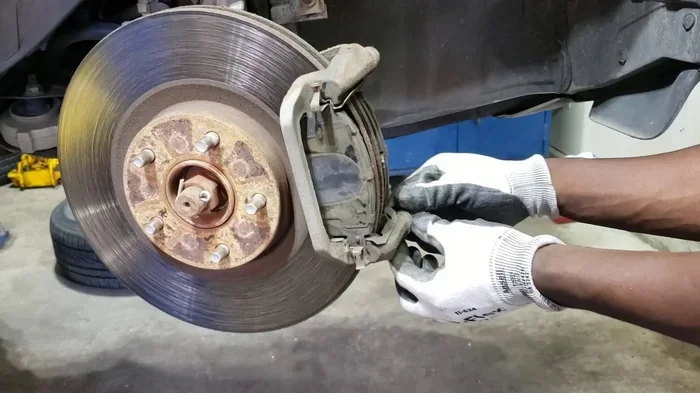
How Often Should I Replace Brake Pads and Why It Matters
You should replace brake pads every 25,000 to 70,000 miles, but the exact number depends on your driving style, vehicle type, and brake pad material. Ignoring worn pads can lead to costly brake rotor damage and serious safety risks. This guide covers everything you need to know about brake pad replacement, from warning signs to cost breakdowns.
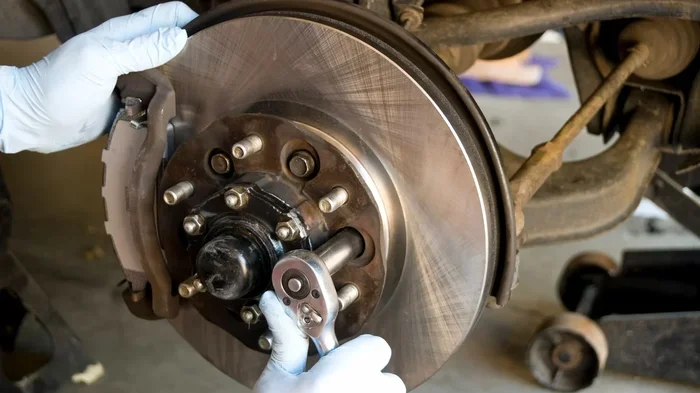
Your car stops because of a simple but vital system. When you press the brake pedal, brake pads squeeze against the brake rotor. That friction slows your wheels and brings you to a halt. Over time, that friction wears the pads down. Eventually, they need to be replaced.
So how often should I replace brake pads? The short answer is every 25,000 to 70,000 miles. But the real answer depends on several factors. Your driving style, the type of pads you use, road conditions, and your vehicle weight all play a role. Understanding these factors helps you stay safe and avoid expensive repairs.
In this article, we will walk through everything you need to know. We will cover the warning signs of worn pads, what affects their lifespan, the different pad types, and the cost of replacement. By the end, you will feel confident about your brake maintenance schedule.
Key Takeaways
- Brake pads wear out over time: Most drivers need a new set every 25,000 to 70,000 miles.
- Driving habits matter a lot: Stop-and-go traffic and aggressive braking shorten pad life significantly.
- Warning signs are easy to spot: Squealing, grinding, and longer stopping distances mean it is time for a check.
- Brake pad type affects longevity: Ceramic pads last longer than organic or semi-metallic options.
- Replacing pads on time saves money: It prevents damage to more expensive parts like brake rotors.
- DIY replacement is possible: But professional installation ensures safety and proper fit.
📑 Table of Contents
- How Often Should I Replace Brake Pads?
- Warning Signs That Your Brake Pads Are Wearing Out
- What Factors Affect Brake Pad Life?
- Types of Brake Pads and How Long Each Lasts
- Brake Pad Replacement Cost Breakdown
- Common Mistakes That Shorten Brake Pad Life
- How to Know When It Is Time for Replacement
- Final Thoughts on Brake Pad Replacement
How Often Should I Replace Brake Pads?
The general rule for brake pad replacement is every 25,000 to 70,000 miles. But that is a wide range. Why the big gap? Because every driver and every vehicle is different. A city driver who faces heavy traffic will wear pads faster than someone who drives on open highways.
Most vehicle manufacturers provide a recommended brake pad replacement interval in the owner manual. This is a great starting point. However, you should also pay attention to how your car feels and sounds when you brake. The numbers are a guide, not a strict rule.
What the Numbers Mean
Let us break down the range. At 25,000 miles, your pads are on the lower end of the spectrum. This usually happens to drivers who brake hard, carry heavy loads, or drive in stop-and-go traffic. At 70,000 miles, you are likely driving gently, on highways, with high-quality pads.
The average driver falls somewhere in the middle, around 40,000 to 50,000 miles. This is a good benchmark to keep in mind. If you are approaching that range, it is time to start paying closer attention to your brakes.
Why the Range Is So Wide
Several things cause the wide range in brake pad life. First, not all pads are made the same. Ceramic pads behave differently from organic or semi-metallic pads. Second, your driving environment matters. City driving with frequent stops wears pads faster than rural highway driving. Third, your personal driving style plays a huge role. Heavy-footed drivers wear pads out quicker.
Understanding this range helps you plan ahead. Instead of waiting for a problem, you can schedule your brake maintenance proactively.
Warning Signs That Your Brake Pads Are Wearing Out
Your car tells you when the pads are wearing down. You just need to listen and pay attention. Catching the signs early keeps you safe and prevents damage to other parts of the braking system.
Squealing or Squeaking Noises
A high-pitched squeal when you press the brake pedal is one of the first brake pad warning signs. Most pads have a small metal indicator built in. When the pad material gets thin, this indicator touches the rotor and makes a squealing sound. It is designed to alert you.
Do not ignore this noise. It means your pads are getting low. At this stage, you still have time to replace them. If you wait, the sound will change.
Grinding or Growling Sounds
A grinding or growling noise is a serious warning. This means the pad material is completely worn down. The metal backing of the pad is now grinding directly against the brake rotor. This causes damage to the rotor and makes your stopping power much weaker.
If you hear grinding, get your car to a mechanic right away. Driving with metal-on-metal contact is dangerous and expensive to fix.
Longer Stopping Distances
Another sign to watch for is increased stopping distance. If your car takes longer to stop than it used to, your pads may be worn. Worn pads have less friction material. Less friction means less brake safety.
You might also notice the pedal feels softer or sinks closer to the floor. These changes should never be ignored. They are your car asking for attention.
Vibration or Pulsation
Do you feel a vibration through the brake pedal when you stop? This can happen when the pads are worn unevenly. It can also signal a problem with the brake rotor. Either way, it is worth getting checked out.
Vibration during braking is not normal. It is a clear sign that something in your braking system needs inspection.
What Factors Affect Brake Pad Life?
Many things influence how long your brake pads last. Knowing these factors helps you understand why your pads might wear faster or slower than average.
Driving Style
This is the biggest factor. Aggressive braking wears pads down fast. If you tend to ride the brakes or stop suddenly often, your pads will not last long. Smooth, gradual braking extends brake pad lifespan significantly.
Think of it this way. Every hard stop scrapes away a tiny bit of pad material. Over thousands of stops, those tiny bits add up. Gentle drivers who coast to stops instead of slamming the brakes can often double their pad life.
Driving Environment
City driving is tough on brake pads. Constant stopping and starting in traffic means more friction. Highway driving is easier on pads because you mostly maintain speed and brake less often.
Mountain driving or hilly terrain is another factor. Driving down steep hills requires frequent braking, which generates heat and wears pads faster. If you live in a hilly area, plan for more frequent brake pad replacement.
Vehicle Weight
Heavier vehicles put more stress on brakes. A fully loaded SUV needs more stopping force than a lightweight sedan. If you regularly carry heavy cargo or tow a trailer, your pads will wear out sooner.
Check your vehicle weight against the recommended pad specs. Overloading your car not only wears pads faster but also affects overall brake safety.
Brake Pad Material
The type of pad you use makes a big difference. We will cover this in more detail in the next section. But in short, ceramic pads tend to last longer than organic pads. Semi-metallic pads fall somewhere in the middle.
Brake Rotor Condition
Warped or rough rotors can cause uneven pad wear. If your rotors are not in good shape, new pads may wear out faster. It is a good idea to inspect or resurface rotors when you replace pads.
Types of Brake Pads and How Long Each Lasts
Not all brake pads are the same. The material they are made from affects performance, noise, dust, and longevity. Choosing the right type for your driving style can extend brake pad life and improve your overall braking experience.
Ceramic Brake Pads
Ceramic pads are made from a dense ceramic compound. They are known for being quiet and producing less dust. They also tend to last the longest. Most ceramic pads deliver reliable performance for 50,000 to 70,000 miles or more.
They work well in a wide range of temperatures and conditions. This makes them a popular choice for daily drivers. The downside is cost. Ceramic pads cost more upfront, but they often save money in the long run because they last longer and require less brake maintenance.
Semi-Metallic Brake Pads
Semi-metallic pads contain a mix of metal and other materials. They offer strong stopping power and perform well in both hot and cold conditions. They are a common choice for everyday vehicles and light trucks.
Semi-metallic pads typically last between 30,000 and 50,000 miles. They are more affordable than ceramic pads. However, they tend to be noisier and produce more brake dust. They also wear down rotors a bit faster.
Organic Brake Pads
Organic pads are made from non-metallic materials like rubber, glass, and resin. They are soft and quiet. They also produce the least amount of dust. However, they wear out faster than the other two types.
Organic pads usually last between 20,000 and 40,000 miles. They work best for light-duty driving and vehicles that do not carry heavy loads. They are often the most affordable option at the time of purchase.
Comparison Table
| Pad Type | Avg. Lifespan | Stopping Power | Noise Level | Cost |
|---|---|---|---|---|
| Ceramic | 50,000-70,000 miles | Excellent | Quiet | Higher |
| Semi-Metallic | 30,000-50,000 miles | Very Good | Moderate | Moderate |
| Organic | 20,000-40,000 miles | Good | Quiet | Lower |
Choosing the right pad type depends on your needs. If you want longevity and quiet operation, go with ceramic. If you need strong stopping power on a budget, semi-metallic is a solid choice. Organic pads work well for light, easy driving.
Brake Pad Replacement Cost Breakdown
Cost is always a factor when it comes to vehicle maintenance. The good news is that brake pad replacement cost is generally affordable, especially when you catch the problem early.
Parts Cost
Brake pads typically cost between $30 and $150 per axle. Ceramic pads cost more, often $50 to $150 per set. Organic pads are the cheapest, usually $30 to $80. Semi-metallic pads fall in the middle at $40 to $100.
Keep in mind that prices vary by vehicle. Luxury cars and performance vehicles often use more expensive pads. The make and model of your car will influence the parts cost.
Labor Cost
Labor for a brake pad replacement usually runs between $100 and $200 per axle. The job takes about one to two hours. Some shops charge more than others. Independent mechanics tend to be less expensive than dealerships.
If you are handy, you can replace brake pads yourself and save on labor. However, if you are not confident, it is worth paying a professional. Proper installation is critical for brake safety.
Total Cost Estimate
On average, expect to pay between $130 and $350 per axle for a full brake pad replacement. This includes both parts and labor. If the rotors also need resurfacing or replacement, the cost goes up.
Replacing pads early saves money. Worn pads damage rotors, and rotor replacement costs much more. A set of new rotors can add $150 to $400 per axle to the bill.
Common Mistakes That Shorten Brake Pad Life
Some habits wear out brake pads faster than they should. Avoiding these mistakes can extend your pad life and save you money.
Riding the Brakes
Resting your foot on the brake pedal while driving is a bad habit. It creates constant, light contact between the pads and rotor. This causes unnecessary wear and overheating. Keep your foot off the pedal when you are not actively braking.
Ignoring the Brake Fluid
Brake fluid plays a big role in your braking system. Low or dirty fluid affects braking performance. It can also cause the calipers to stick, which leads to uneven pad wear. Check your brake fluid level regularly and replace it as recommended.
Overloading Your Vehicle
Carrying heavy loads puts extra stress on your brakes. The pads have to work harder to stop a heavier vehicle. If you regularly haul heavy cargo, consider upgrading to more durable pads. Also, remove unnecessary weight from your trunk when you can.
Delaying Replacement
One of the biggest mistakes is waiting too long to replace pads. Once the pads wear past the indicator, they damage the rotors. Rotor damage leads to higher repair costs. It also compromises your brake safety. When you notice warning signs, act quickly.
Skipping Brake Inspections
Many drivers only think about brakes when something goes wrong. Regular brake inspections catch problems early. A mechanic can measure your brake pad thickness and tell you how much life is left. Most inspections are quick and often free at tire shops or service centers.
Not Bedding in New Pads Properly
When you install new pads, they need to be properly seated against the rotor. This process is called bedding in. Skipping this step can cause uneven wear, reduced stopping power, and brake noise. Follow the bedding-in procedure recommended by the pad manufacturer.
How to Know When It Is Time for Replacement
So how do you actually know when your pads need to be replaced? There are a few simple ways to check.
First, listen for sounds. Squealing means pads are getting thin. Grinding means they are worn out. Second, pay attention to how your car stops. If it takes longer to stop or the pedal feels different, get your brakes checked.
Third, look at the pad thickness. Many brake calipers let you see the pad through the wheel spokes. If the pad material looks thin, less than a quarter inch, it is time for a replacement. Fourth, follow your vehicle maintenance schedule. Most owner manuals recommend a brake inspection every 12,000 to 15,000 miles.
Using a brake pad thickness gauge is another option. These tools are inexpensive and easy to use. They give you an accurate measurement of how much pad material remains. If you are unsure, ask a trusted mechanic for an honest opinion.
Final Thoughts on Brake Pad Replacement
Taking care of your brake pads is one of the most important things you can do for your vehicle and your safety. How often should I replace brake pads is a question every driver should know the answer to. The general range is 25,000 to 70,000 miles, but your actual needs depend on your driving habits, vehicle type, and pad material.
Watch for warning signs like squealing, grinding, and longer stopping distances. Choose the right pad type for your driving style. Budget for regular brake maintenance and do not delay replacement when the time comes. A little attention to your brakes goes a long way in keeping you safe on the road.
Remember, your brakes are the most important safety system in your car. Treat them with care, and they will keep you stopping safely for miles to come. Stay proactive, stay informed, and never ignore the signs your car gives you.
Frequently Asked Questions
How do I know if my brake pads need replacing?
Listen for squealing or grinding noises when you brake. Feel for longer stopping distances or vibration in the pedal. You can also visually check the pad thickness through your wheel spokes. If the material is less than a quarter inch thick, it is time for a replacement.
Can I drive with worn brake pads?
You should not drive with worn brake pads. Worn pads reduce your stopping power and can damage the brake rotors. Driving on metal-on-metal contact is dangerous and leads to expensive repairs. Replace worn pads as soon as possible.
How much does it cost to replace brake pads?
On average, brake pad replacement costs between $130 and $350 per axle. This includes both parts and labor. The exact cost depends on your vehicle, the pad material you choose, and where you go for service. Ceramic pads cost more but last longer.
Does brake pad type really make a difference?
Yes, it does. Ceramic pads last longer and are quieter but cost more. Semi-metallic pads offer strong stopping power at a moderate price. Organic pads are affordable but wear out faster. Choose the type that fits your driving style and budget.
How long do brake pads last on average?
Most brake pads last between 25,000 and 70,000 miles. The average driver replaces them around 40,000 to 50,000 miles. Your actual lifespan depends on driving habits, road conditions, vehicle weight, and the type of pads you use.
Can I replace brake pads myself?
Yes, replacing brake pads is a common DIY job. You will need basic tools like a jack, lug wrench, and socket set. However, if you are not experienced with brake systems, it is safer to have a professional do it. Proper installation is essential for brake safety.