How to Fix Low Tire Pressure and Stay Safe on the Road
Learning how to fix low tire pressure is one of the simplest yet most important skills every driver should have. Low tire pressure can lead to poor fuel economy, uneven tire wear, and even dangerous blowouts on the road. This guide walks you through checking your tire pressure, inflating tires the right way, and preventing future pressure loss. You will also learn about TPMS alerts, the right psi levels, and when a tire needs professional repair. With these practical steps, you can keep your tires healthy and your rides safe every day.
Driving on underinflated tires is one of the most common yet overlooked safety risks on the road. Many drivers do not realize that even a small drop in tire pressure can affect handling, fuel economy, and overall road safety. If you have ever seen the tire pressure warning light flicker on your dashboard, you know how unsettling it can feel. The good news is that fixing low tire pressure is something almost anyone can do at home with basic tools.
This guide covers everything you need to know about how to fix low tire pressure and keep your vehicle running safely. From understanding what causes pressure loss to step-by-step inflation instructions, you will find practical advice you can use right away. We will also share tips on preventing future problems and knowing when a tire needs professional repair.
Key Takeaways
- Check tire pressure monthly: Regular checks help you catch low pressure early before it causes damage.
- Use a reliable tire pressure gauge: A good gauge gives you accurate readings every time.
- Know your recommended tire pressure: Check the tire sidewall or owner manual for the correct psi.
- Fix leaks promptly: A slow leak from a valve stem or puncture can cause steady tire pressure loss.
- Do not ignore the TPMS light: The tire pressure monitoring system warns you of danger before it becomes a problem.
- Preventive care saves money: Proper tire inflation improves fuel efficiency and extends tire life.
- Seek professional help when needed: Some tire repairs require expert tools and skills.
📑 Table of Contents
What Is Low Tire Pressure and Why Does It Matter?
Tire pressure refers to the amount of air inside your tires, measured in pounds per square inch, or psi. Every vehicle has a recommended tire pressure level that the manufacturer specifies. This number ensures the tire performs at its best for handling, braking, and comfort.
When tire pressure drops below the recommended level, the tire becomes underinflated. This means the tire sidewall flexes more than it should, creating excess heat and friction. Over time, this leads to uneven tire wear and reduced road safety.
How Low Is Too Low?
A drop of just 6 to 8 psi below the recommended level is enough to cause noticeable problems. Here are some signs your tires may be underinflated:
- The steering feels sluggish or unresponsive.
- The vehicle pulls to one side while driving.
- You notice increased tire wear on the outer edges of the tread.
- The fuel efficiency drops without any obvious reason.
- The tire pressure warning light appears on the dashboard.
If you experience any of these symptoms, it is time to check your tire pressure. Ignoring low pressure can lead to a tire blowout, which is extremely dangerous at highway speeds.
The Hidden Costs of Underinflated Tires
Many drivers do not realize that low tire pressure costs them money. Underinflated tires create more rolling resistance, which means the engine has to work harder. This directly reduces fuel efficiency. Studies show that tires underinflated by just 10 psi can lower gas mileage by up to 1.5 percent.
Beyond fuel costs, underinflated tires wear out faster on the outer edges of the tread. This means you will need to replace them sooner, adding unnecessary expense. Regular tire pressure checks are one of the easiest ways to save money and stay safe.
How to Check Your Tire Pressure Correctly
Before you can fix low tire pressure, you need to know exactly what the pressure is. Checking tire pressure correctly is the first and most important step in the process.
Tools You Will Need
You do not need expensive equipment to check tire pressure. Here is a simple list of what you will need:
- A tire pressure gauge — digital or analog, both work well.
- An air compressor — available at most gas stations or as a portable home unit.
- The recommended psi for your vehicle — found on the tire sidewall or driver-side door jamb.
Step-by-Step Tire Pressure Check
Follow these steps to get an accurate reading every time:
- Check tires when they are cold. Drive less than one mile before checking, or wait at least three hours after driving. Hot tires give falsely high readings.
- Remove the valve cap. The valve stem is the small metal or rubber cap on the inside of the wheel. Unscrew it and set it aside.
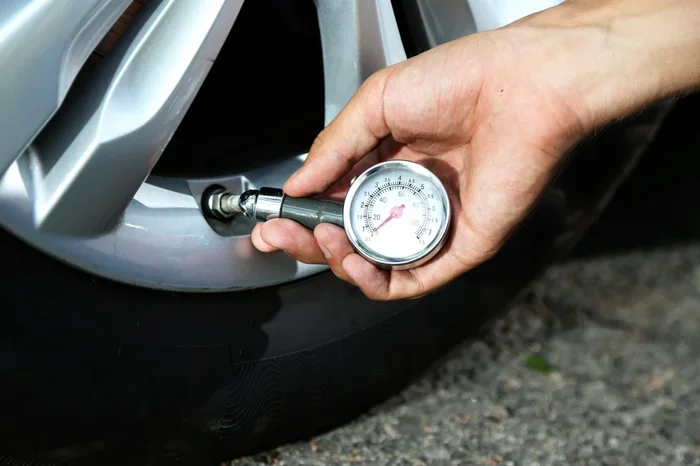
- Press the gauge firmly onto the valve stem. You should hear a brief hiss of air. Hold the gauge steady until the reading stabilizes.
- Read the psi number. Compare it to the recommended tire pressure listed on the door jamb or owner manual.
- Replace the valve cap. This small cap prevents dirt and moisture from entering the valve stem and causing slow leaks.
Quick Tip: Many drivers only check tire pressure when they notice a problem. Make it a habit to check all four tires once a month. Temperature changes can also affect tire pressure, so check more often during seasonal shifts.
How to Fix Low Tire Pressure Step by Step
Now that you know how to check tire pressure, let us walk through the process of fixing low tire pressure. This is straightforward and takes only a few minutes once you have the right tools.
Step 1: Find the Recommended Tire Pressure
Every vehicle has a specific recommended tire pressure. You can find this information in two places:
- The driver-side door jamb: Open the driver door and look for a sticker or plate. It lists the recommended psi for both front and rear tires.
- The owner manual: Check the tire section for the exact pressure specifications.
- The tire sidewall: This shows the maximum psi the tire can handle, not the recommended pressure for your vehicle. Always use the door jamb number.
Step 2: Add Air Using an Air Compressor
If your reading is below the recommended psi, you need to add air. Here is how to do it safely:
- Go to an air compressor. Most gas stations have coin-operated compressors with tire pressure gauges built in.
- Remove the valve cap. Keep it in a safe place so you do not lose it.
- Attach the compressor hose to the valve stem. Press firmly until you feel the air flowing.
- Add air in short bursts. Do not overinflate. Check the pressure after each burst using your tire pressure gauge.
- Stop when you reach the recommended psi. If you add too much air, press the small pin inside the valve stem to release a small amount of air.
- Replace the valve cap. This protects the valve stem from debris and moisture.
Expert Insight: If you do not have access to a compressor, many tire shops will check and inflate your tires for free. It is a quick service that every driver should take advantage of.
Step 3: Check for Slow Leaks
If you find that your tire loses air frequently, you likely have a slow leak. Common causes include:
- A damaged or corroded valve stem.
- A small puncture from a nail, screw, or sharp object.
- A poor seal between the tire and the rim.
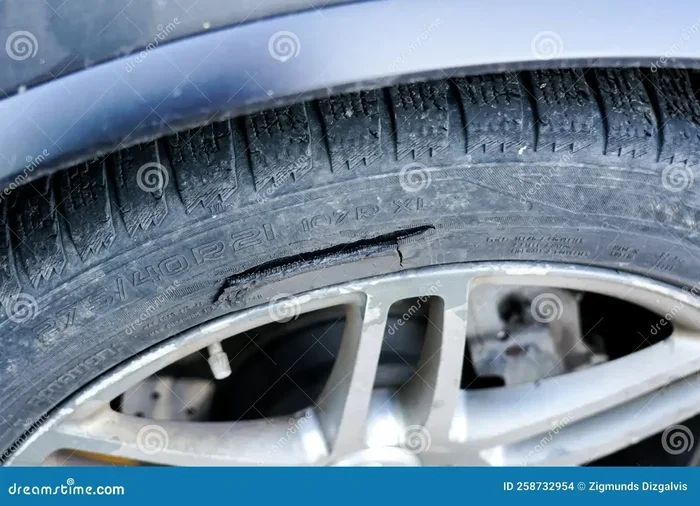
- Cracks in the tire sidewall from age or damage.
To check for leaks, mix a small amount of dish soap with water and spray it onto the valve stem and tire surface. Bubbles will form at the site of the leak. This simple trick can save you a trip to the shop.
Common Causes of Low Tire Pressure
Understanding why tire pressure drops helps you prevent it from happening again. Here are the most common reasons drivers experience tire pressure loss:
Temperature Changes
Air inside tires contracts in cold weather, which naturally lowers tire pressure. A drop of 10 degrees Fahrenheit can reduce tire pressure by about 1 psi. This is why many drivers notice the TPMS light coming on during winter months. It is normal and usually not a cause for alarm, but you should still check and adjust the pressure.
Punctures and Nail Holes
A puncture from a nail, screw, or sharp debris is one of the most common causes of tire pressure loss. Small punctures can cause a slow leak that drains air over several days. If you notice the tire pressure dropping gradually, inspect the tire surface carefully for any embedded objects.
Faulty Valve Stems
The valve stem is the small tube that lets air in and out of the tire. Over time, valve stems can crack, dry out, or become loose. A damaged valve stem allows air to escape slowly without any visible puncture on the tire.
Bead Leaks
The bead is the edge of the tire that seals against the rim. If the rim is bent, corroded, or dirty, the seal can fail and cause air loss. Bead leaks are harder to detect but can cause persistent tire pressure loss even after the tire is inflated.
Normal Permeation
Even with no damage, tires naturally lose a small amount of air over time. Air molecules slowly pass through the rubber sidewall. This process, called permeation, causes a loss of about 1 to 2 psi per month. This is why regular tire pressure checks are essential.
Preventing Low Tire Pressure Problems
Prevention is always better than repair when it comes to tire pressure. A few simple habits can keep your tires properly inflated and extend their life significantly.
Make Tire Pressure Checks a Monthly Habit
Set a reminder on your phone to check tire pressure once a month. It takes only five minutes and can prevent serious problems. Keep a tire pressure gauge in your glove box so you always have it handy.
Invest in a Quality Tire Pressure Gauge
The cheap pencil-style gauges at gas stations are often inaccurate. A digital tire pressure gauge gives you precise readings and helps you maintain the correct pressure consistently.
Check the Spare Tire Too
Many drivers forget about the spare tire until they need it. Spare tires also lose air over time. Check the pressure on your spare tire every few months so it is ready when you need it most.
Monitor Tire Wear Regularly
Uneven tire wear is a clear sign of pressure problems. If you notice the inner or outer edges of the tread wearing faster than the center, your tire pressure may be off. Regular visual inspections help you catch issues early.
Keep Your TPMS in Good Shape
The tire pressure monitoring system is a valuable safety feature, but it is not perfect. The TPMS light only activates when pressure drops significantly, usually by 25 percent or more. Do not rely solely on the TPMS. Manual checks are still necessary for accurate tire pressure management.
When to Replace Your Tire Instead of Repairing It
Sometimes, fixing low tire pressure is not enough. A tire that is severely damaged or worn may need to be replaced entirely. Here are situations where tire replacement is the safer choice:
- The tire has a puncture larger than a quarter inch.
- The tire sidewall is cracked or bulging.
- The tread depth is below 2/32 of an inch, measured by the penny test.
- The tire has been repaired more than twice.
- The tire is more than six years old, even if the tread looks fine.
If you are ever unsure whether a tire needs repair or replacement, visit a professional tire shop. They have the tools and expertise to assess the damage properly and keep you safe on the road.
Final Thoughts on Tire Pressure Maintenance
Taking care of your tire pressure is one of the easiest and most impactful things you can do as a driver. It improves fuel efficiency, enhances road safety, and saves you money on premature tire replacement. When you know how to fix low tire pressure, you gain confidence and independence as a driver.
Make tire pressure checks part of your regular vehicle maintenance routine. Keep a quality gauge in your car, know the recommended psi for your tires, and never ignore the tire pressure warning light. These small habits add up to big benefits over time.
Your tires are the only part of your vehicle that touches the road. Treating them well with proper tire inflation and regular maintenance ensures they keep you safe mile after mile. Start today, and your future self will thank you every time you hit the road.
Frequently Asked Questions
What psi should my tires be at?
The recommended tire pressure for your vehicle is listed on the driver-side door jamb sticker or in the owner manual. It is usually between 30 and 35 psi for most passenger cars. Always check the vehicle-specific number rather than the maximum psi printed on the tire sidewall.
Can I drive with low tire pressure?
You should avoid driving on underinflated tires whenever possible. Low tire pressure causes overheating, poor handling, and increases the risk of a tire blowout. If you must drive a short distance, check the pressure as soon as possible and inflate to the recommended level.
How often should I check my tire pressure?
Check your tire pressure at least once a month and before any long trips. Temperature changes can affect tire pressure, so it is a good idea to check more frequently during seasonal transitions. A quick check takes only a few minutes and can prevent costly problems.
Why does my tire pressure keep going low?
Recurring low tire pressure usually indicates a slow leak. Common causes include a damaged valve stem, a small puncture, a poor seal between the tire and rim, or a faulty TPMS sensor. Have a professional inspect the tire to find and fix the source of the leak.
Does cold weather cause low tire pressure?
Yes, cold weather causes air inside tires to contract, which lowers tire pressure. A drop of about 1 psi for every 10 degrees Fahrenheit is normal. During winter months, check your tire pressure more often and top off as needed to maintain the recommended level.
Is it safe to use an air compressor at a gas station?
Yes, using a gas station air compressor is perfectly safe and convenient. Just be careful not to overinflate. Use your own tire pressure gauge to verify the reading, since built-in station gauges are not always accurate. Add air in short bursts and check frequently.
=== CONCLUSION ===
Knowing how to fix low tire pressure is a fundamental skill that every driver should master. It keeps you safe, saves fuel, and extends the life of your tires. With a simple tire pressure gauge, an air compressor, and a few minutes of your time, you can handle low pressure issues confidently and effectively.
Make tire pressure checks a regular part of your routine. Pay attention to the TPMS light, inspect your tires visually, and address any pressure loss promptly. These small efforts go a long way in protecting your vehicle and everyone on the road. Start taking better care of your tires today, and enjoy safer, more efficient driving for miles to come.