How Much for All 4 Brakes and Rotors Get the Real Price
Wondering how much for all 4 brakes and rotors? The real price typically ranges from $300 to $800 per axle, depending on your vehicle and parts choice. This guide breaks down every cost factor so you know exactly what to expect. You will learn about rotor types, pad materials, labor rates, and smart ways to save.
If you have ever wondered how much for all 4 brakes and rotors, you are not alone. This is one of the most common questions car owners ask at the shop. The truth is, the cost can vary a lot based on your vehicle, the parts you choose, and where you live. But here is the good news. Once you understand what goes into the price, you can make smart decisions and avoid getting ripped off.
This guide walks you through every cost factor in detail. We will cover rotor types, pad materials, labor charges, and hidden fees. By the end, you will know exactly what a fair price looks like. You will also learn practical tips to save money without sacrificing safety. Let us get into it.
Key Takeaways
- Average Cost Range: Expect to pay $300 to $800 per axle for a full brake and rotor replacement job.
- Rotor Type Matters: Drilled, slotted, and standard rotors vary widely in price and performance.
- Parts vs. Labor: Labor typically makes up 50% or more of the total brake job cost.
- DIY Savings: Doing it yourself can cut costs by 40% to 60% if you have basic tools.
- Maintenance Matters: Regular brake inspections and fluid flushes extend rotor and pad life significantly.
- Brake Fluid Type: Using the correct DOT fluid prevents corrosion and keeps your system working safely.
- Ceramic vs. Semi-Metallic: Ceramic pads cost more but last longer and produce less dust.
📑 Table of Contents
- What Is the Real Cost for All 4 Brakes and Rotors?
- Understanding Brake Rotors and Why They Matter
- Factors That Affect the Total Brake Job Price
- DIY vs. Professional Brake Replacement
- How to Know When Your Rotors Need Replacing
- Maintenance Tips to Keep Your Brakes in Great Shape
- Common Mistakes People Make with Brake Jobs
- How to Choose the Right Shop for Your Brake Job
- The Bottom Line on How Much for All 4 Brakes and Rotors
What Is the Real Cost for All 4 Brakes and Rotors?
The average cost for all 4 brakes and rotors ranges from $600 to $1,600 for a full set. This covers both the front axle and the rear axle. But that number can go higher or lower depending on several factors. Let us break it down by axle so you can understand better.
Front Brake and Rotor Cost
Front brakes do most of the stopping work. That is why they wear out faster than the rear brakes. On most cars, replacing the front pads and rotors costs between $250 and $500 per axle. If you drive a larger vehicle like a truck or SUV, the price can climb higher. Performance vehicles with bigger brakes also cost more.
Here is what typically goes into the front brake job:
- Brake pads: $40 to $120 per set
- Rotors: $50 to $150 per rotor
- Labor: $100 to $200 per axle
- Hardware and extras: $10 to $30
Rear Brake and Rotor Cost
Rear brakes usually last longer because they handle less stopping force. Replacing rear pads and rotors typically costs $200 to $450 per axle. Some vehicles use rear drum brakes instead of rotors. Drum brake repairs are generally cheaper, often running $150 to $300 per axle.
Keep in mind that rear brake jobs can be more complex on some models. The parking brake mechanism adds extra steps. This can increase labor time and cost slightly.
Understanding Brake Rotors and Why They Matter
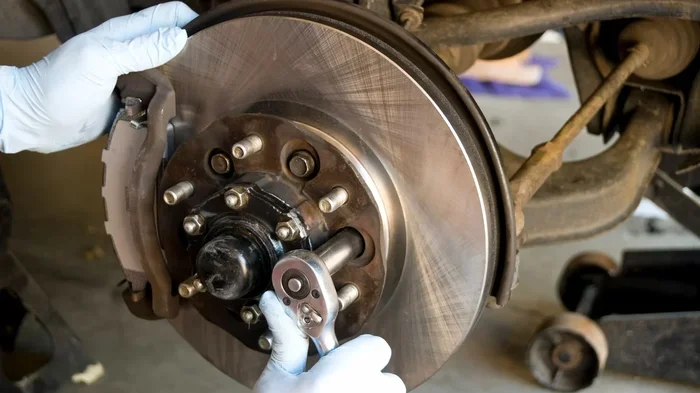
Brake rotors are the metal discs that your brake pads clamp onto to slow your vehicle. They play a huge role in your braking system. When rotors wear out or warp, they cause vibration, noise, and reduced stopping power. That is why rotor condition matters so much for your safety.
Types of Brake Rotors
Not all rotors are the same. Different types serve different driving needs. Here is a quick look at the most common options:
Standard Smooth Rotors. These are the most common and affordable. They work great for everyday driving. Most factory-installed rotors fall into this category. They cost around $40 to $100 each and last between 50,000 and 70,000 miles under normal conditions.
Drilled Rotors. These have holes drilled through the surface. The holes help dissipate heat and gas buildup. They look great and perform well in wet conditions. However, they tend to cost more, usually $60 to $150 per rotor. They are also more prone to cracking over time.
Slotted Rotors. These have shallow grooves cut into the surface. Slots help remove debris and improve heat dissipation. They are popular with truck and SUV owners. Slotted rotors typically cost $70 to $160 each. They offer excellent performance for towing and hauling.
Drilled and Slotted Rotors. These combine both features for maximum performance. They are the most expensive option, ranging from $90 to $200 per rotor. They are best suited for high-performance driving or track use.
Rotor Thickness and Resurfacing
Every rotor has a minimum thickness specification stamped on it. When a rotor wears down below this limit, it must be replaced. You cannot safely resurface a rotor that is too thin. A brake rotor resurfacing service costs around $15 to $25 per rotor. This is much cheaper than buying new ones. But resurfacing only works if the rotor still meets the minimum thickness requirement.
Brake rotor warping is another common issue. This happens when rotors overheat from hard braking or towing. Warped rotors cause a pulsing feeling in the brake pedal. If you feel this vibration, get your brakes inspected right away.
Factors That Affect the Total Brake Job Price
The cost of how much for all 4 brakes and rotors can swing by hundreds of dollars depending on several factors. Understanding these helps you budget accurately and avoid surprises.
Vehicle Make and Model
Your vehicle type has a big impact on brake job costs. Economy cars like a Honda Civic or Toyota Corolla use smaller, less expensive parts. A brake job on one of these vehicles might cost $300 to $500 for all 4 corners. Luxury vehicles and performance cars use larger, specialized brake components. A BMW, Mercedes, or Audi brake job can easily run $800 to $1,500 or more for all 4 brakes and rotors.
Trucks and SUVs also cost more. Their heavier weight demands larger rotors and pads. A Ford F-150 or Chevrolet Silverado brake job might run $500 to $1,000 per axle.
Brake Pad Material
The type of brake pad you choose affects both cost and performance. Here is a comparison of the three main pad types:
- Semi-Metallic Pads: These are the most common and affordable. They cost $40 to $80 per set and offer solid performance in most conditions. They tend to be noisier and produce more brake dust.
- Ceramic Pads: These are the premium option. They cost $60 to $120 per set but last longer and are much quieter. Ceramic pads produce less dust and are gentler on rotors. Many experts recommend them for daily driving.
- Low-Metallic Pads: A middle-ground option that offers good performance with moderate noise and dust levels. They cost around $50 to $90 per set.
Labor Rates by Location
Labor rates vary significantly by region and shop type. Independent mechanics typically charge $80 to $120 per hour. Dealerships charge $100 to $200 per hour or more. Rural areas tend to have lower rates than major cities. A brake job that costs $500 in a small town might cost $700 in a large metropolitan area.
Additional Services
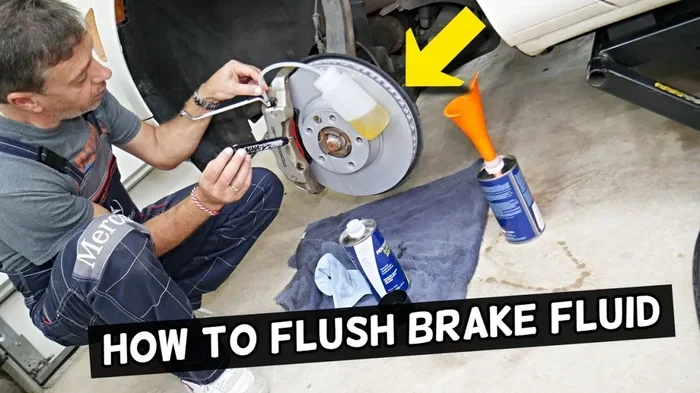
Sometimes extra services are needed during a brake job. Brake fluid flush is one common add-on. Old brake fluid absorbs moisture over time, which reduces braking performance and causes internal corrosion. A brake fluid flush costs $50 to $100 and is recommended every 2 to 3 years.
Brake caliper replacement is another potential extra. If a caliper is stuck or leaking, it must be replaced. A new caliper costs $50 to $150 per unit, plus labor. This can add $100 to $300 to the total bill.
DIY vs. Professional Brake Replacement
One of the biggest ways to save on how much for all 4 brakes and rotors is to do the work yourself. If you have basic mechanical skills and the right tools, DIY can cut your costs significantly.
What You Need for a DIY Brake Job
Here is a list of tools and supplies you will need:
- Jack and jack stands or a lift
- Lug wrench
- C-clamp or brake piston tool
- Socket set and ratchet
- Torque wrench
- Brake cleaner spray
- Anti-seize lubricant
- Brake grease
- New pads, rotors, and hardware
A DIY brake job can save you $150 to $300 in labor costs per axle. That is real money. But safety must come first. If you are not confident in your skills, it is worth paying a professional. Brakes are not something you want to cut corners on.
When to Go Pro
There are situations where professional help is the better choice. If your brake lines are corroded or damaged, leave that to a pro. If the ABS system is involved, professional diagnosis is essential. Also, if you do not have a proper workspace with good lighting and a level surface, it is safer to let a mechanic handle it.
How to Know When Your Rotors Need Replacing
Knowing the signs of worn rotors can save you from costly repairs down the road. Catching problems early also keeps you safe on the road. Here are the most common warning signs to watch for.
Vibration or Pulsing in the Brake Pedal
If you feel a shaking or pulsing sensation when you press the brake pedal, your rotors may be warped. This usually happens when rotors overheat from heavy braking or towing. Warped rotors need to be resurfaced or replaced depending on their thickness.
Squealing or Grinding Noises
A high-pitched squeal when braking usually means your brake pads are worn down. Most pads have a wear indicator that makes this noise on purpose. It is a built-in warning system. If you ignore it and keep driving, the pads wear through completely. Then you hear a grinding metal-on-metal sound. At that point, the pads have damaged the rotors too. This means a much more expensive repair.
Visible Damage or Scoring
During a brake inspection, look for deep grooves or scoring on the rotor surface. Light surface marks are normal. But deep grooves indicate uneven wear or contamination. If you see any cracks in the rotor, replace it immediately. Cracked rotors are a serious safety hazard.
Increased Stopping Distance
If your vehicle takes longer to stop than it used to, your brakes may be worn. This is a subtle sign that many people overlook. Do not wait until the problem becomes obvious. Get a brake inspection at the first sign of reduced stopping power.
Maintenance Tips to Keep Your Brakes in Great Shape
Regular maintenance is the best way to extend the life of your brakes and avoid expensive replacements. A little preventive care goes a long way.
Get Regular Brake Inspections
Have a professional inspect your brakes at least once a year, or every 12,000 miles. Many shops offer free brake inspections as part of a routine oil change. This is a great way to catch problems early before they become costly.
Avoid Riding the Brakes
Resting your foot on the brake pedal while driving causes unnecessary wear. It also heats up the rotors, which can lead to warping over time. Keep your foot off the brake unless you are actively slowing down or stopping.
Coast to Decelerate When Possible
Instead of braking hard at every stoplight, try coasting to slow down. This reduces the workload on your brake pads and rotors. It is a simple habit that can add thousands of miles to your brake life.
Flush Your Brake Fluid on Schedule
Brake fluid absorbs moisture from the air over time. This moisture lowers the boiling point of the fluid and can cause internal corrosion in your brake system. Flushing the fluid every 2 to 3 years keeps the system working properly and protects expensive components like the ABS module.
Choose Quality Parts
It can be tempting to go with the cheapest brake pads and rotors on the shelf. But cheap parts often wear out faster and may not perform as well. Investing in quality ceramic pads and reputable rotor brands can save you money in the long run by lasting longer and protecting your rotors from premature wear.
Common Mistakes People Make with Brake Jobs
Avoiding these common mistakes can save you money and keep your brakes working properly for years to come.
Mistake 1: Replacing Only the Pads, Not the Rotors. If your rotors are worn or warped, putting new pads on old rotors leads to poor performance and premature pad wear. Always have the rotors measured and resurfaced or replaced as needed.
Mistake 2: Ignoring the Parking Brake. On vehicles with rear disc brakes, the parking brake mechanism is part of the rear brake system. Ignoring it can cause uneven rear pad wear and reduced parking brake effectiveness.
Mistake 3: Skipping the Hardware. Small items like abutment clips, shims, and anti-rattle clips are inexpensive but essential. Skipping them can cause noise, vibration, and uneven pad wear.
Mistake 4: Using the Wrong Brake Fluid. Always use the DOT fluid specification recommended by your vehicle manufacturer. Using the wrong fluid can damage rubber seals and reduce braking performance.
Mistake 5: Not Torqueing Bolts Properly. Lug nuts and caliper bolts must be torqued to the manufacturer specification. Over-tightening can warp rotors or strip threads. Under-tightening is a safety hazard.
How to Choose the Right Shop for Your Brake Job
Finding a trustworthy mechanic is key to getting a fair price and quality work. Here are some tips to help you choose the right shop.
Look for ASE-Certified Technicians. ASE certification means the mechanic has proven their knowledge and skills. This gives you confidence that the job will be done right.
Get Multiple Quotes. Always get at least two or three quotes before committing. This helps you understand the going rate in your area. If one quote is significantly lower than the others, ask why. They may be using cheaper parts or cutting corners.
Ask About Warranties. A reputable shop stands behind their work. Look for shops that offer a warranty on both parts and labor. Many shops offer a 12-month or 12,000-mile warranty on brake jobs.
Read Reviews and Ask for Referrals. Check online reviews from real customers. Ask friends and family for recommendations. Personal referrals are often the most reliable source of information.
The Bottom Line on How Much for All 4 Brakes and Rotors
Understanding how much for all 4 brakes and rotors helps you make informed decisions and avoid overpaying. The real price depends on your vehicle, the parts you choose, and where you get the work done. On average, expect to pay $600 to $1,600 for a complete set. Front axle jobs typically cost $250 to $500, and rear axle jobs run $200 to $450.
Investing in quality parts and professional installation pays off in safety and longevity. Ceramic pads and quality rotors may cost more upfront, but they last longer and perform better. Regular maintenance like brake inspections and fluid flushes keeps your entire system in top shape.
Do not let brake repair costs sneak up on you. Stay proactive with inspections and address warning signs early. Your brakes are the most important safety system in your vehicle. Taking care of them is one of the best investments you can make.
Now that you know the real costs and what goes into a brake job, you can walk into any shop with confidence. You will know what a fair price looks like. You will know the right questions to ask. And most importantly, you will keep yourself and your passengers safe on the road.
Frequently Asked Questions
Is it safe to drive with worn brake pads?
No, driving with worn brake pads is dangerous. Worn pads increase stopping distance and can damage the rotors further. Replace them as soon as you notice warning signs like squealing or reduced braking power. Ignoring worn pads can lead to much more expensive repairs.
How long do brake rotors last on average?
Brake rotors typically last between 50,000 and 70,000 miles under normal driving conditions. However, driving habits, vehicle weight, and rotor quality all affect lifespan. Hard braking, towing, and driving in hilly areas can shorten rotor life significantly.
Can I replace just the front brakes and rotors?
Yes, you can replace just the front brakes if the rear components are still in good condition. Front brakes wear out faster because they handle most of the stopping force. However, it is best to have all four brakes inspected at the same time to ensure balanced braking performance.
What is the cheapest way to replace all 4 brakes and rotors?
The cheapest approach is to buy quality budget parts and do the work yourself if you have the skills and tools. Semi-metallic pads and standard smooth rotors are the most affordable options. Another way to save is to find a reputable independent mechanic instead of a dealership, as they typically charge lower labor rates.
Do I need to replace brake fluid when changing brakes and rotors?
It is not always required, but it is highly recommended. Brake fluid absorbs moisture over time, which can cause corrosion and reduce braking performance. If your fluid has not been flushed in over two years, it is a good idea to have it done during your brake job.
How can I make my brakes and rotors last longer?
Avoid hard braking whenever possible and do not ride your foot on the brake pedal. Get regular brake inspections and flush your brake fluid on schedule. Choose quality ceramic pads and reputable rotor brands. Coasting to decelerate instead of braking hard also reduces wear significantly.
=== CONCLUSION ===
Knowing how much for all 4 brakes and rotors empowers you to take control of your vehicle maintenance. The real cost depends on your vehicle, the parts you choose, and where you get the work done. By understanding the factors that drive the price, you can budget accurately and avoid unexpected expenses. Whether you choose a professional mechanic or tackle the job yourself, quality parts and proper installation are the keys to a safe, reliable braking system. Stay proactive, address issues early, and your brakes will serve you well for many miles to come.