How Many Axles Does My Car Have and Why It Matters
How Many Axles Does My Car Have is a common question among car owners, and the answer is simpler than you think. Most standard passenger vehicles use a two-axle setup, but trucks, SUVs, and specialty vehicles can have three or more depending on their purpose and weight capacity. Understanding your vehicle’s axle configuration helps with maintenance, safety, and smarter driving decisions.
You might not think about them every day, but your car axles play a huge role in how your vehicle moves, handles, and stays safe on the road. Whether you are driving a small sedan or a heavy-duty truck, the number of axles under your car affects everything from traction to towing capacity.
So, how do you figure out how many axles does my car have? The answer is simpler than you might think. Most standard passenger cars come with two axles, one at the front and one at the rear. But larger vehicles like trucks, buses, and certain SUVs can have three, four, or even more axles depending on their design and purpose.
Understanding your vehicle’s axle setup is not just a fun fact. It actually matters for everyday driving, maintenance planning, and even insurance or registration details. When you know what kind of axle configuration your car uses, you can make smarter decisions about repairs, tire replacements, and performance upgrades.
This guide walks you through everything you need to know. You will learn what an axle does, how to count the axles on your specific vehicle, why the number of axles affects performance, and how to spot common axle problems before they turn into expensive repairs.
Key Takeaways
- Most cars have two axles: Standard passenger vehicles use a simple two-axle setup for balanced handling and stability on paved roads.
- Axle count varies by vehicle type: Trucks, SUVs, and heavy-duty vehicles may have more axles depending on their purpose and vehicle weight capacity.
- Knowing your axle count helps with maintenance: It makes troubleshooting drivetrain issues, tire alignment, and suspension repairs much easier.
- Warning signs of axle problems include noises and vibrations: Clicking sounds, vibrations while driving, and grease leaks are red flags you should never ignore.
- Axle repair costs vary widely: Simple bearing replacements cost less, while full axle replacement can run several hundred to over a thousand dollars.
- Regular inspection extends axle life: Simple checks during oil changes or tire rotations can catch small issues before they become expensive repairs.
📑 Table of Contents
What Is a Car Axle and Why Does It Matter
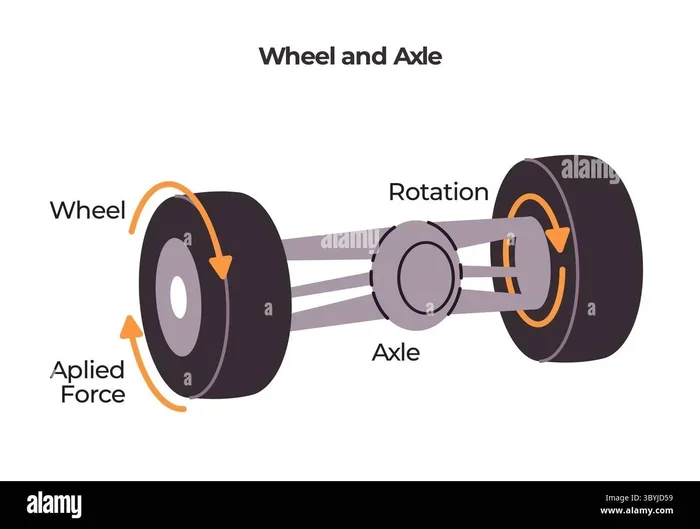
At its simplest, an axle is a central shaft that connects the wheels on each side of your vehicle. It transfers power from the engine through the drivetrain to the wheels, allowing your car to move forward or backward. Without a working axle, your wheels simply would not turn.
Every car axle has two main jobs. First, it bears the weight of the vehicle and its passengers. Second, it transmits the engine’s power to the wheels so the car can move. The axle shaft rotates within wheel hubs and connects to the wheels through CV joints or U-joints, depending on your vehicle’s design.
The suspension system relies on axles to keep the wheels properly positioned. When you drive over a bump or turn a corner, the axle works with the shocks, struts, and springs to maintain stability. A damaged axle can throw off your entire suspension, leading to poor handling and unsafe driving conditions.
The Basic Function of an Axle
Every vehicle axle serves as the bridge between the engine’s power and the road surface. The differential plays a key role here. It distributes power to the left and right wheels so they can spin at different speeds during turns. This is why your outer front wheel rotates faster than your inner front wheel when you make a turn.
The axle bearings support the axle shaft and allow smooth rotation within the wheel hubs. When these bearings wear out, you may notice humming noises that get louder as you speed up. Replacing bearings early can prevent more serious damage to the entire axle assembly.
Key Components of an Axle Assembly
A typical axle assembly includes several important parts that work together:
- Axle shaft: The long rod that connects the differential to the wheel hub on each side.
- CV joint (constant velocity joint): Allows the axle to flex as the wheels turn and move up and down over bumps.
- Differential: Distributes power to the left and right wheels so they can spin at different speeds during turns.
- Axle bearings: Support the axle shaft and allow smooth rotation within the wheel hubs.
- U-joints (universal joints): Used in rear-wheel-drive setups to transfer power at varying angles.
- CV boots: Rubber covers that protect the CV joints from dirt, moisture, and debris.
Each of these components works together to keep your vehicle rolling smoothly. When one part fails, it can affect the entire axle system and your car’s overall performance. Regular car maintenance helps keep all of these parts in good shape.
How Many Axles Does My Car Have? A Breakdown by Vehicle Type
The number of axles on a vehicle depends largely on its size, purpose, and design. Passenger cars, trucks, buses, and specialty vehicles all have different axle configurations. Here is a detailed breakdown of what to expect based on vehicle type.
Sedans and Compact Cars
Most sedans and compact cars have exactly two axles. The front axle connects the front wheels, and the rear axle connects the back wheels. This two-axle setup provides a good balance of fuel efficiency, handling, and ride comfort for everyday driving.
Whether you drive a Honda Civic, a Toyota Camry, or a Ford Focus, you are likely dealing with a standard two-axle vehicle. These cars are designed for paved roads and normal commuting, so the simple two-axle design works perfectly for most drivers. The front axle handles steering, while the rear axle simply transmits power and bears weight.
SUVs and Crossovers
SUVs and crossovers also typically have two axles. However, some larger SUVs designed for off-road use or heavy towing may feature a four-wheel-drive system that still uses two axles but distributes power differently. The axle ratio in these vehicles is often tuned for better towing performance rather than pure fuel economy.
If you own a vehicle like a Ford Explorer, a Jeep Grand Cherokee, or a Toyota RAV4, you most likely have a two-axle setup. The key difference is whether your drivetrain is two-wheel drive or four-wheel drive, not the number of axles. Both configurations use the same basic wheel configuration of two axles and four wheels.
Trucks and Heavy-Duty Vehicles
Trucks are where things get more interesting. A standard pickup truck like a Ford F-150 or Toyota Tacoma has two axles. But larger trucks, especially those used for commercial purposes, can have three, four, or even five axles. The additional axles help distribute the vehicle’s weight more evenly and increase the vehicle weight capacity.
Semi-trucks, for example, use a combination of a front steering axle and multiple rear drive axles. The exact axle count depends on the cargo weight, local regulations, and the type of trailer being pulled. Understanding your truck’s axle configuration is essential for staying compliant with road weight limits and ensuring safe operation.
| Vehicle Type | Typical Axle Count | Drivetrain | Common Examples |
|---|---|---|---|
| Sedan / Compact Car | 2 | FWD or RWD | Toyota Camry, Honda Civic |
| SUV / Crossover | 2 | FWD, RWD, or AWD | Ford Explorer, Toyota RAV4 |
| Pickup Truck (light duty) | 2 | RWD or 4WD | Ford F-150, Toyota Tacoma |
| Pickup Truck (heavy duty) | 2 or 3 | 4WD | Ford F-550, Ram 5500 |
| Box Truck | 3 to 5 | RWD | UPS delivery trucks, box trucks |
| Semi-Truck (Tractor) | 3 to 5 | RWD | Freightliner, Peterbilt |
| Bus | 3 to 4 | RWD | School bus, city transit bus |
This table shows a clear pattern: smaller vehicles stick with two axles, while larger, heavier vehicles add more axles to handle increased weight and improve road stability. The vehicle axle count is directly tied to what the vehicle is designed to carry and how it is meant to be used.
How to Find Out How Many Axles Your Car Has
Figuring out your vehicle’s axle count is easier than most people think. You do not need to be a mechanic to do it. Here are simple methods you can try right now.
Count the Wheel Pairs
The easiest way to determine your axle count is to look at your car from the side and count the pairs of wheels. Each pair of wheels connected by a single axle counts as one axle. Most cars have two pairs of wheels, meaning two axles. Larger trucks with dual rear wheels still count as one axle per pair, even though there are four wheels at the rear.
For a quick visual check, walk around your car and look underneath. You will see a shaft running between the left and right wheels on each end of the vehicle. That shaft is your axle. Count the shafts, and you have your axle count. This method works for any vehicle, from a small hatchback to a large commercial truck.
Check Your Vehicle’s VIN or Owner Manual
Your vehicle identification number contains detailed information about your car’s specifications. You can look up your VIN online through free tools or ask a dealership to pull the details. The owner manual is another reliable source. It will typically list the vehicle’s wheel configuration, drivetrain type, and axle specifications.
Look at the VIN Plate or Door Jamb Sticker
Many vehicles have a sticker on the driver’s side door jamb or a plate under the hood that lists key specifications. While it may not explicitly say “axle count,” it provides enough detail about the wheelbase and drivetrain to help you determine the setup. This is especially helpful when you are buying a used vehicle and want to verify the axle configuration.
Quick Tip: When in doubt, look under your car. You will see a shaft running between the left and right wheels on each end of the vehicle. That shaft is your axle. Count the shafts, and you have your axle count. This works for sedans, trucks, and everything in between.
Use Online Vehicle Lookup Tools
Several websites and apps let you enter your VIN or vehicle details and instantly pull specifications, including axle type and count. These tools pull data directly from manufacturer databases, making them highly accurate and convenient. Some popular options include the NHTSA VIN lookup tool and various free VIN decoder websites.
Why Axle Count Matters for Performance and Safety
The number of axles on your vehicle is not just a technical detail. It directly affects how your car drives, how much weight it can carry, and how safe it is on the road. Understanding this connection helps you make better decisions about maintenance, modifications, and even vehicle purchases.
Drivetrain and Traction
Your axle count works hand in hand with your drivetrain to determine traction. In a standard two-wheel-drive vehicle, one axle receives power from the engine and turns the wheels. In a four-wheel-drive or all-wheel-drive setup, both axles receive power, giving you better grip on slippery surfaces like ice, mud, or wet roads.
The differential plays a crucial role here. It allows the left and right wheels on each axle to rotate at different speeds, which is essential when turning corners. A malfunctioning differential can cause poor traction, uneven tire wear, and strange noises during turns. If you notice whining or grinding sounds while driving, have your differential and axle assembly checked.
When you understand how your drivetrain interacts with your axles, you can better diagnose issues. For example, if you feel a loss of traction only on one side of the vehicle, the problem might be with a specific axle shaft or CV joint rather than the entire drivetrain system.
Weight Distribution and Towing Capacity
More axles mean more wheels sharing the vehicle’s weight. This is why heavy trucks use multiple axles. Each additional axle spreads the load across a larger area, reducing the pressure on any single wheel or tire. This is critical for vehicles that carry heavy cargo or tow large trailers.
Your vehicle’s weight capacity is directly tied to its axle setup. Exceeding the recommended weight limit on a two-axle vehicle can strain the axles, suspension, and tires. Over time, this leads to premature wear and potentially dangerous failures on the road. Always check your owner manual for the maximum towing and payload limits before hauling heavy loads.
If you plan to tow a trailer, boat, or heavy equipment, check your vehicle’s axle configuration and towing specifications. A two-axle pickup truck might handle a moderate trailer just fine, but a five-axle commercial truck is built for serious hauling. Understanding the relationship between axle ratio and towing capacity can help you choose the right vehicle for the job.
Handling and Ride Quality
The number of axles also influences how your car handles and rides. A two-axle passenger car is designed for smooth, responsive handling on paved roads. The suspension geometry works with the axle setup to deliver a comfortable ride while maintaining precise steering control.
Vehicles with more axles, like buses or heavy trucks, prioritize stability over agility. They are built to carry heavy loads at steady speeds rather than zip through tight corners. The axle ratio is often tuned to favor torque and hauling capacity over speed and fuel efficiency.
For everyday drivers, the two-axle setup offers the best balance of comfort, handling, and efficiency. It is the reason most family cars and sedans stick with this proven configuration. If you are shopping for a new car, knowing your preferred axle setup can help narrow down your choices based on how you plan to use the vehicle.
Common Axle Problems and Warning Signs
Axles are built to last, but they are not immune to wear and damage. Knowing the axle failure signs can save you from a dangerous breakdown and expensive repairs. Here are the most common issues to watch for.
Noisy Axles and Clicking Sounds
One of the earliest and most recognizable signs of a failing axle is a clicking or popping noise when you turn. This usually points to a worn CV joint. The CV joint allows the axle to flex, but when the protective boot tears or wears out, grease escapes and dirt gets in, causing the joint to degrade.
You might hear this clicking more prominently when turning sharply or reversing. If you notice this sound, get your car inspected as soon as possible. A small CV joint repair is much cheaper than replacing an entire axle shaft. Ignoring this sound can lead to complete joint failure and a stranded vehicle.
Vibrations and Shaking While Driving
Excessive vibrations, especially at higher speeds, can indicate a damaged or bent axle shaft. When an axle is no longer perfectly balanced, it creates vibrations that travel through the chassis and into the cabin. You might feel these vibrations in the steering wheel, the floorboard, or the seat.
Vibrations can also cause premature wear on other components like wheel bearings, tire treads, and suspension parts. If you notice unusual shaking, do not ignore it. Have a mechanic inspect your axle shafts and wheel hubs right away. Catching a bent axle early can prevent costly collateral damage to your tires and suspension.
Grease Leaks and Visible Damage
If you see grease on the inside of your wheels or near the axle joints, it is a sign that the CV boot has been damaged. The boot protects the CV joint and axle shaft from dirt and moisture. Once it is compromised, the joint can fail quickly, often within a few hundred miles.
Visible bends or dents on the axle shaft are another serious concern. These usually happen after hitting a deep pothole, a curb, or road debris. Even a slightly bent axle can cause vibrations, uneven tire wear, and handling problems. Have any visible damage inspected by a professional as soon as possible.
Common Mistakes: Many drivers ignore early warning signs like occasional clicking or slight vibrations, thinking the problem will go away on its own. In reality, small axle issues quickly escalate into major failures. A worn CV joint can seize up completely, leaving you stranded on the side of the road. Addressing minor symptoms early saves money and keeps you safe.
Uneven Tire Wear
A failing axle can cause your tires to wear down unevenly on one side. If you notice that your tires are wearing out faster on the inner or outer edges, it could be an alignment issue caused by a damaged or bent axle. Regular tire inspections can help you catch this problem early. Proper tire alignment and timely axle repairs work hand in hand to extend the life of your tires.
When to Replace or Repair Your Car Axles
Not every axle problem requires a full replacement. Sometimes a simple repair is all you need. Understanding the difference helps you make informed decisions and avoid unnecessary expenses.
Axle Repair vs. Full Replacement
Small issues like a torn CV boot or worn axle bearings can often be repaired without replacing the entire axle shaft. A mechanic can replace the boot, repack the joint with grease, and install new bearings. This type of repair is significantly cheaper and faster than a full axle replacement.
However, if the axle shaft itself is bent, cracked, or severely worn, replacement is the safer option. Driving on a damaged axle shaft is dangerous. It can cause the wheel to lock up or detach entirely, leading to a serious accident. Always prioritize safety over cost when it comes to structural axle damage.
When deciding between repair and replacement, consider the age and overall condition of your vehicle. On a newer car with low mileage, a full replacement might be worth it for long-term reliability. On an older vehicle, a targeted repair might make more sense financially. Your mechanic can help you weigh the options.
Average Repair Costs
Axle repair costs vary depending on the vehicle model, the extent of the damage, and your local labor rates. Here is a general breakdown to help you budget:
- CV boot replacement: $150 to $350 per axle
- Axle bearing replacement: $200 to $400 per axle
- Full axle shaft replacement: $500 to $1,000 per axle
- Complete axle assembly replacement: $800 to $1,500 per axle
These are average estimates. Luxury vehicles or trucks with complex axle setups may cost more. Always get a detailed quote from a trusted mechanic before authorizing any work. Ask about warranty coverage on parts and labor as well.
Expert Insight: Many mechanics recommend replacing both axles at the same time if one has failed, especially on high-mileage vehicles. The other axle is likely near the end of its lifespan too, and doing both at once saves on labor costs and prevents future breakdowns. Ask your mechanic for their honest assessment of both axles before making a decision.
Preventive Maintenance Tips
Keeping your axles in good shape starts with regular maintenance. Here are some simple steps you can take:
- Have your axle boots inspected during every oil change or tire rotation.
- Check for grease leaks around the wheels at least once a month.
- Avoid overloading your vehicle beyond its rated weight capacity.
- Drive carefully over potholes, speed bumps, and rough terrain.
- Keep your differential fluid changed at the intervals recommended by your manufacturer.
These small habits add up over time. They can extend the life of your axles by tens of thousands of miles and help you avoid unexpected repairs. Think of axle maintenance as an investment in your vehicle’s longevity and your safety on the road.
Conclusion
How Many Axles Does My Car Have is a question that matters more than most drivers realize. Your axle count affects your vehicle’s performance, safety, handling, and maintenance needs. Most passenger cars use a straightforward two-axle setup, while trucks and heavy vehicles may have three or more axles to handle greater weight and towing demands.
Knowing your car’s axle configuration empowers you to make smarter decisions about repairs, upgrades, and even your next vehicle purchase. It helps you understand warning signs, communicate more effectively with your mechanic, and stay safe on the road. Whether you drive a compact car or a heavy-duty truck, your axles are working hard every time you get behind the wheel.
Take a few minutes to check your own vehicle. Count the wheel pairs, look for any warning signs of axle wear, and stay on top of routine maintenance. A little attention to your car axles today can prevent big problems tomorrow. Your vehicle will thank you with smoother rides, better performance, and fewer unexpected trips to the repair shop.
Frequently Asked Questions
How do I know how many axles my car has?
You can count the pairs of wheels on your vehicle, check your VIN online, or refer to your owner manual. Each pair of wheels connected by a single shaft counts as one axle. Most passenger cars have two axles.
Can I drive with a damaged axle?
It is not safe to drive with a damaged axle. A failing axle can cause the wheel to lock up or detach, leading to a serious accident. If you notice clicking sounds, vibrations, or grease leaks, get your vehicle inspected immediately.
How much does it cost to replace an axle?
The cost varies depending on your vehicle and the extent of the damage. A full axle shaft replacement typically costs between $500 and $1,000 per axle, while a complete axle assembly can run $800 to $1,500. Always get a detailed quote from a trusted mechanic.
Do all four-wheel-drive vehicles have more axles?
No, four-wheel-drive vehicles typically have the same number of axles as two-wheel-drive versions. The difference is in the drivetrain, not the axle count. A four-wheel-drive SUV still has two axles, but both axles receive power from the engine.
What causes axle damage?
Common causes include hitting potholes or curbs, overloading the vehicle, worn CV boots that allow dirt and moisture in, and normal wear over time. Regular maintenance and careful driving can help prevent most axle damage.
How often should I have my axles inspected?
Most mechanics recommend having your axles inspected during every oil change or tire rotation. This simple habit helps catch small issues like torn CV boots or worn bearings before they turn into costly repairs or safety hazards.