Everything You Need to Know About 4 Stroke Engine Cars
4 stroke engine cars operate using a four-step process that delivers power, efficiency, and reliability. This guide covers how the engine works, essential maintenance tips, and common issues to watch for. Understanding your 4 stroke engine cars helps you keep your vehicle running smoothly for years.
Key Takeaways
- Four-Stroke Cycle Basics: The intake, compression, power, and exhaust strokes make your car run efficiently.
- Regular Maintenance Matters: Changing oil and replacing filters keeps your 4 stroke engine cars in top shape.
- Fuel Efficiency is High: These engines use fuel wisely compared to older two-stroke designs.
- Valve Timing is Crucial: Proper timing ensures the engine breathes correctly and produces power.
- Cooling Systems Prevent Overheating: A healthy radiator and coolant system protect your engine block.
- Spark Plugs Ignite the Mix: Replacing them regularly avoids misfires and maintains performance.
📑 Table of Contents
How the Four-Stroke Cycle Powers Your Car
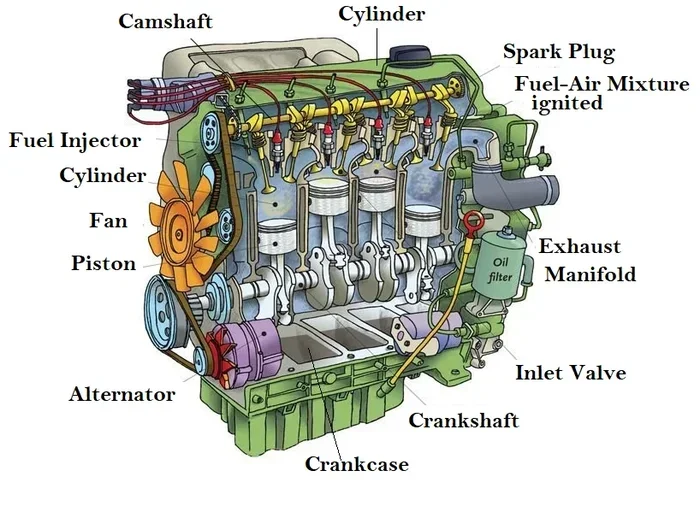
If you drive a modern vehicle, your 4 stroke engine cars rely on a fascinating process to keep you moving. The four-stroke cycle, also known as the Otto cycle, is the heart of your vehicle. It takes four distinct steps to turn fuel into motion. Each stroke plays a vital role in making sure your car runs smoothly and efficiently. Understanding this cycle helps you appreciate the engineering under your hood.
The cycle begins the moment you turn the key. Your engine goes through intake, compression, power, and exhaust. This sequence repeats thousands of times every single minute. 4 stroke engine cars use this continuous loop to generate the power you need for daily driving. Let us break down each stroke so you can see exactly what happens inside your engine block.
The internal combustion engine has been the standard for over a century. It transforms chemical energy from gasoline into mechanical energy that moves your wheels. Unlike older designs, the four-stroke system separates the lubrication and fuel systems. This separation leads to cleaner burning and longer engine life. Whether you drive a compact sedan or a family SUV, the basic principles of 4 stroke engine cars remain the same.
Knowing how your engine works gives you an edge as a car owner. You will notice warning signs earlier and understand what your mechanic is talking about. It also helps you make smarter decisions about maintenance. When you respect the engineering of your 4 stroke engine cars, you treat your vehicle with the care it deserves. Here is a look at the four distinct strokes that make it all happen.
The Intake Stroke
The first stroke is the intake stroke. During this phase, the piston moves downward inside the cylinder. This movement creates a vacuum that pulls in a fresh mixture of air and fuel. The intake valve opens to allow this mixture to enter the combustion chamber. Without this step, your 4 stroke engine cars would not have the fuel they need to run.
Think of it like breathing in before you blow out a candle. The engine breathes in the air-fuel mixture. The camshaft controls the timing of this valve opening. If the intake valve does not open at the right time, your engine will struggle to breathe. Regular checks of your valve timing can prevent performance issues in your 4 stroke engine cars.
Modern engines use variable valve timing to optimize this process. This technology adjusts when the valve opens based on your driving speed. At low speeds, the engine needs a rich mixture for smooth idling. At high speeds, it needs more air for maximum power. This smart engineering makes 4 stroke engine cars incredibly versatile and responsive on the road.
The Compression Stroke
Next comes the compression stroke. Both the intake and exhaust valves close tightly. The piston then moves back up, squeezing the air-fuel mixture into a tiny space. This compression is crucial because it makes the fuel burn much more efficiently. 4 stroke engine cars depend on high compression to generate the power needed for the road.
When the mixture compresses, its temperature rises significantly. This heat is exactly what is needed to ignite the fuel later. However, if your engine has a leak, compression drops. Low compression leads to poor fuel economy and rough idling. Keeping your engine seals tight is a core part of 4 stroke engine cars maintenance.
You can measure your engine compression with a simple gauge. Mechanics use this tool to diagnose engine health. If one cylinder shows low compression, it might have a worn piston ring or a leaking valve. Catching this early saves you from a full engine rebuild. Always trust your senses; if your engine sounds rough, get a compression test done on your 4 stroke engine cars.
The Power Stroke
The power stroke is where the magic happens. The spark plug fires, igniting the compressed air-fuel mixture. This tiny explosion forces the piston back down with great force. It is this movement that actually turns the crankshaft and moves your car forward. 4 stroke engine cars get their name because this power stroke only happens once every four strokes of the piston.
After the explosion, the crankshaft continues to spin. It transfers this rotational energy to your wheels through the transmission. The connecting rod handles the up-and-down motion of the piston. This entire process happens in milliseconds. The efficiency of the power stroke determines how well your car accelerates and how much power it delivers.
The timing of the spark is critical. If the spark plug fires too early or too late, your engine loses power. Modern 4 stroke engine cars use an engine control unit, or ECU, to manage this perfectly. The ECU adjusts the spark timing based on sensor data. This ensures optimal combustion no matter what conditions you are driving in. It is a beautiful dance of mechanics and electronics working together.
The Exhaust Stroke
Finally, the exhaust stroke cleans out the leftover gases. The exhaust valve opens, and the piston pushes the burnt gases out of the cylinder. These gases then travel through the exhaust manifold and down the exhaust pipe. Your 4 stroke engine cars must expel these fumes efficiently to make room for the next fresh air-fuel mixture.
If the exhaust valve gets stuck or clogged, harmful gases can build up inside the engine. This reduces performance and increases dangerous emissions. Replacing your exhaust valve and keeping the system clear ensures your 4 stroke engine cars breathe properly and stay compliant with environmental standards.
The exhaust system also plays a role in engine performance. A clogged catalytic converter restricts airflow and hurts your fuel economy. You might notice a reduction in power when accelerating. Regular inspections of your exhaust system prevent these blockages. Keeping the exhaust clear allows your 4 stroke engine cars to expel gases smoothly and maintain strong performance.
Essential Maintenance for 4 Stroke Engine Cars
Taking care of your 4 stroke engine cars does not have to be complicated. Simple maintenance routines can save you from costly repairs down the road. The internal combustion engine relies on clean fluids and properly functioning parts. When you stay on top of basic upkeep, your engine will reward you with years of reliable service.
Many car owners ignore their engine until something goes wrong. Do not wait for a breakdown to pay attention to your vehicle. Regular inspections keep small problems from turning into big headaches. Here are the essential maintenance tasks every owner of 4 stroke engine cars should prioritize to keep their vehicle running at its best.
Oil Changes and Lubrication
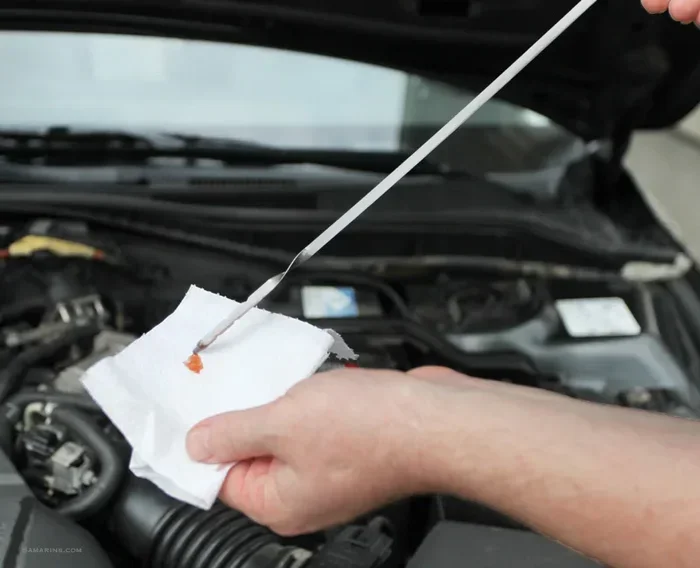
Engine oil is the lifeblood of your 4 stroke engine cars. It reduces friction between moving metal parts and prevents overheating. Over time, oil breaks down and loses its lubricating properties. Dirty oil causes excessive wear on your pistons, crankshaft, and camshaft.
You should change your oil every 5,000 to 7,500 miles, depending on your vehicle manual. Using the right grade of oil makes a huge difference. Synthetic oils often provide better protection for modern 4 stroke engine cars. Always check your oil level between changes to ensure your engine stays properly lubricated.
When you change your oil, always replace the filter too. The oil filter catches metal shavings and dirt. A clogged filter restricts oil flow and starves the engine. Fresh oil and a clean filter work together to protect your engine internals. This is one of the easiest and most impactful ways to care for your 4 stroke engine cars.
Air and Fuel Filter Care
Your engine needs clean air to mix with fuel. The air filter catches dust, dirt, and debris before they enter the combustion chamber. A clogged air filter restricts airflow, causing your 4 stroke engine cars to work harder and waste fuel.
Replace your air filter every 15,000 to 30,000 miles. You can often check it yourself by popping the hood. If it looks dirty or clogged, replace it immediately. The fuel filter protects the engine from contaminants in the gasoline. A dirty fuel filter can starve the engine of fuel, leading to stalling.
Keeping both filters clean ensures your 4 stroke engine cars run smoothly and maintain optimal fuel efficiency. Good airflow is essential for the combustion process. When the engine breathes easily, it produces more power and wastes less fuel. Make filter replacement a regular part of your vehicle care routine.
Quick Tips for Engine Care
- Always warm up your car gently for 30 seconds before driving hard.
- Keep an eye on your temperature gauge while driving.
- Use the recommended oil weight for your specific vehicle.
- Never ignore check engine lights or unusual dashboard warnings.
Common Mistakes to Avoid
One common mistake is ignoring low oil levels. Running an engine with low oil causes severe friction and heat. Another mistake is skipping scheduled maintenance intervals. Even if your car seems fine, hidden wear is occurring inside. Avoiding these simple errors will keep your 4 stroke engine cars healthy and reliable for the long haul.
Common Problems with Four-Stroke Engines
Even with the best care, problems can still arise. Knowing what to watch for helps you catch issues early. Four-stroke engines have many moving parts, and wear is inevitable over time. Understanding common failures empowers you to seek 4 stroke engine cars repair before the damage worsens.
Overheating Issues
Overheating is one of the most serious threats to your engine. Your engine cooling system manages the intense heat generated during the power stroke. If the radiator, water pump, or thermostat fails, temperatures can rise quickly. This can warp engine parts and cause severe damage to your 4 stroke engine cars.
Watch for steam coming from your hood or a rising temperature gauge. Low coolant levels often cause overheating. Flush your cooling system regularly and check for leaks. Addressing overheating immediately saves your engine from catastrophic failure and expensive repair bills. Never ignore the temperature warning light on your dashboard.
A common cause of overheating is a faulty radiator fan. This fan pulls cool air through the radiator when you are stuck in traffic. Without it, the engine overheats even at low speeds. Replacing a fan is much cheaper than replacing a warped engine block. Stay vigilant about your cooling system to protect your 4 stroke engine cars.
Valve Timing Problems
The camshaft controls when the intake and exhaust valves open and close. If the timing belt or chain stretches or breaks, the valves open at the wrong time. This can cause the pistons to hit the valves, bending them. Valve timing problems lead to rough running, loss of power, and sometimes complete engine failure in 4 stroke engine cars.
Listen for rattling noises when you start your engine. These sounds often indicate a loose timing chain. Replacing the timing belt at the manufacturer recommended interval is critical. Preventing timing issues keeps your internal combustion engine running in perfect sync.
Always follow the service schedule for your belt or chain replacement. This maintenance item is often forgotten until it is too late. A broken timing belt can turn a simple repair into a major engine overhaul. Protect your 4 stroke engine cars by staying on top of this crucial maintenance task.
Benefits of Owning a 4 Stroke Engine Car
You might wonder why four-stroke engines became the standard for modern vehicles. The answer lies in their efficiency and environmental benefits. Compared to older two-stroke engines, the four-stroke design offers clear advantages. Millions of drivers choose 4 stroke engine cars every year for these very reasons.
Better Fuel Economy
One of the biggest advantages of 4 stroke engine cars is their excellent fuel economy. Because the fuel mixture is compressed efficiently, the engine extracts more energy from each drop of gasoline. The four-stroke cycle ensures that fuel is used only during the power stroke, reducing waste.
Drivers of four-stroke vehicles often see fewer trips to the gas station. This efficiency saves money over the lifetime of the car. As fuel prices fluctuate, having an engine that maximizes every mile is a huge benefit. Your wallet will thank you for choosing a vehicle with a four-stroke design.
Modern 4 stroke engine cars also feature direct injection technology. This system sprays fuel directly into the combustion chamber for precise control. It further improves combustion efficiency and power output. Direct injection is a key reason why today’s four-stroke engines are so economical.
Lower Emissions
Four-stroke engines also produce significantly fewer harmful emissions than two-stroke engines. The complete separation of the oil and fuel systems means less unburned oil escapes into the atmosphere. This makes 4 stroke engine cars much better for the environment and public health.
Modern 4 stroke engine cars are equipped with catalytic converters that further clean exhaust gases. These systems reduce harmful pollutants like carbon monoxide and nitrogen oxides. Driving a four-stroke engine helps you meet strict emission standards and contributes to cleaner air in your community.
Another great benefit of 4 stroke engine cars is their quiet operation. The four-stroke cycle is inherently smoother than a two-stroke design. You will notice less vibration and noise while driving. This makes for a more comfortable ride for you and your passengers. The refined nature of the four-stroke engine is a major reason it dominates the automotive market today.
Comparison: Two-Stroke vs Four-Stroke
| Feature | Two-Stroke Engine | Four-Stroke Engine |
|---|---|---|
| Power Cycles per Revolution | Every revolution | Every two revolutions |
| Fuel Efficiency | Lower | Higher |
| Emissions Level | Higher | Lower |
| Engine Lubrication | Mixed with fuel | Separate oil system |
| Noise Level | Louder | Quieter |
How to Extend the Life of Your Engine
Your car engine is a significant investment. You want it to last as long as possible. With the right habits and consistent care, you can push the lifespan of your 4 stroke engine cars well beyond 200,000 miles. It all comes down to how you drive and how well you maintain the vehicle.
Driving Habits
Your driving style has a direct impact on engine health. Avoid aggressive acceleration and hard braking whenever possible. These habits put extra stress on the pistons, connecting rods, and crankshaft. Smooth, steady driving reduces wear and tear on your 4 stroke engine cars.
Let your engine warm up gradually in cold weather. This allows the oil to circulate and lubricate all the moving parts. Avoid lugging the engine in too high a gear, as this causes strain. Good driving habits are the simplest way to protect your internal combustion engine and enjoy reliable performance.
Try to avoid short trips when possible. Short trips do not allow the engine to reach full operating temperature. This leads to moisture buildup in the oil, which causes sludge. If you can combine errands into one trip, your engine will stay healthier. Treating your 4 stroke engine cars gently on the road pays off in the long run.
Regular Inspections
Beyond oil changes, regular inspections are vital for longevity. Have a trusted mechanic check your belts, hoses, and fluid levels at every service visit. Catching a small leak early can prevent a major breakdown. 4 stroke engine cars rely on many interconnected systems, and one weak link can affect the whole engine.
Pay attention to unusual sounds, smells, or warning lights on your dashboard. These are early signs that something needs attention. Keeping up with the recommended service schedule ensures that your engine stays in peak condition. A proactive approach to maintenance keeps your car safe, efficient, and ready for the road ahead.
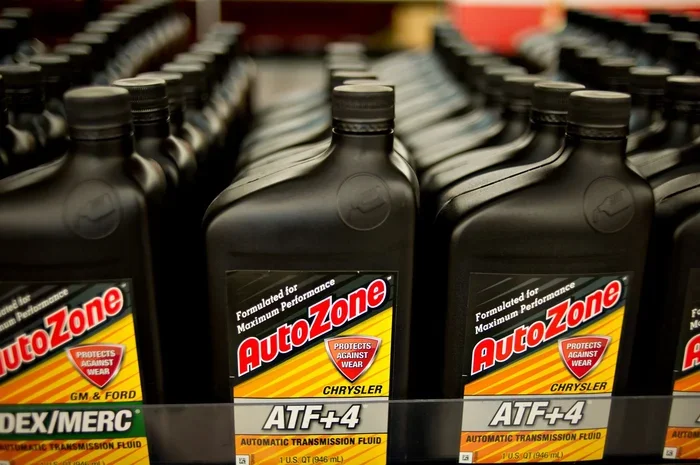
Do not skip fluid checks. Transmission fluid, brake fluid, and coolant all play roles in the overall health of your vehicle. When one system fails, it can put extra strain on the engine. A holistic approach to car care ensures that your 4 stroke engine cars remain reliable for decades to come.
Coolant System Maintenance
Coolant system maintenance is also essential. Your engine generates a massive amount of heat during operation. The coolant absorbs this heat and carries it to the radiator. Over time, coolant breaks down and loses its effectiveness. Flush the system and replace the coolant according to your service manual. Fresh coolant prevents corrosion and keeps the engine temperature stable. This simple task extends the life of your 4 stroke engine cars significantly.
Expert Insights
According to seasoned mechanics, the biggest factor in engine longevity is consistency. “Do not wait for something to break,” says a veteran auto technician. “Stick to the service schedule, and your engine will reward you.” This simple advice applies to all 4 stroke engine cars. Regular, small investments in maintenance prevent massive, expensive repairs later.
Conclusion
Understanding your 4 stroke engine cars gives you the power to be a better car owner. The four-stroke cycle is a brilliant piece of engineering that delivers power, efficiency, and reliability. By following the maintenance tips outlined in this guide, you can keep your engine running strong for many years to come.
Do not wait for problems to appear before you take action. Change your oil, replace your filters, and listen to your engine. These simple steps make a world of difference for the health of your vehicle. When you understand 4 stroke engine cars, you become a more confident driver. Embrace the knowledge of how your 4 stroke engine cars work, and you will enjoy a safer, smoother, and more economical driving experience.
Take control of your car maintenance today and feel confident every time you turn the key. Your engine works hard for you every day. Show it some love with consistent care and attention. A well-maintained four-stroke engine will serve you faithfully for miles and miles ahead.
Frequently Asked Questions
What is a 4 stroke engine car?
A 4 stroke engine car uses a four-step cycle to convert fuel into motion. The steps include intake, compression, power, and exhaust. This process is more efficient and quieter than older two-stroke engines.
How often should I change the oil in my 4 stroke engine car?
Most manufacturers recommend changing the oil every 5,000 to 7,500 miles. However, you should always check your owner manual for the exact interval. Using synthetic oil can sometimes extend this timeframe.
Why are 4 stroke engine cars more fuel efficient?
The four-stroke cycle separates the intake and exhaust strokes, allowing for more complete combustion. This means the engine extracts more energy from each drop of fuel. As a result, you get better gas mileage and fewer trips to the pump.
What are common signs of engine trouble in 4 stroke engine cars?
Warning signs include rough idling, reduced power, and unusual noises like knocking or rattling. You might also notice a check engine light or increased exhaust smoke. Addressing these symptoms early prevents costly repairs.
Is maintaining a 4 stroke engine car expensive?
Routine maintenance is generally quite affordable. Simple tasks like oil changes and filter replacements keep the engine healthy. The long-term savings on fuel and avoided repairs make owning a four-stroke vehicle very economical.
Can I improve the lifespan of my 4 stroke engine car?
Yes, you can significantly extend the life of your engine. Follow the recommended service schedule, drive smoothly, and keep all fluids topped off. Consistent care ensures your engine runs reliably for hundreds of thousands of miles.