How Long to Disconnect Battery to Reset Check Engine Light
Wondering how long to disconnect battery to reset check engine light? The answer is usually 15 to 30 minutes, but the full reset process can take up to an hour. This guide walks you through the exact steps, timing, and common pitfalls to clear your check engine light safely without a mechanic.
If your check engine light just turned on, you might feel a little panic. The little yellow engine icon on your dashboard can mean anything from a loose gas cap to a serious engine problem. One of the quickest fixes people try is disconnecting the car battery. But how long should you actually leave it disconnected?
The answer isn’t as simple as a single number. How long to disconnect battery to reset check engine light depends on what you want to achieve. In most cases, leaving the battery disconnected for 15 to 30 minutes will clear the short-term memory. However, a full reset of the engine control unit (ECU) can take up to an hour. This guide explains the exact timing, the step-by-step process, and the common mistakes you should avoid.
We’ll also look at when a battery disconnect is the right move and when you should visit a mechanic instead. By the end, you’ll know exactly what to do to clear that annoying light safely.
Key Takeaways
- Disconnect for 15 to 30 minutes: This clears short-term ECU memory and resets the check engine light temporarily.
- Always remove the negative terminal first: It prevents electrical shorts and protects your car’s sensitive electronics.
- The reset is not a repair: If the underlying issue isn’t fixed, the light will return within days or weeks.
- Use an OBD-II scanner for a permanent solution: A scanner clears long-term codes and doesn’t reset your radio or clock.
- Complete a drive cycle after reconnecting: This allows the ECU to relearn and pass emission readiness tests.
- Safety comes first: Wear gloves and glasses, and work in a ventilated area away from open flames.
📑 Table of Contents
- Why Does the Check Engine Light Come On?
- How to Disconnect Your Battery to Reset the Check Engine Light
- How Long to Disconnect Battery to Reset Check Engine Light
- Step-by-Step Battery Disconnect Procedure
- Common Mistakes When Resetting the Check Engine Light
- Battery Disconnect vs. OBD-II Scanner Reset
- When to See a Mechanic Instead
- Quick Tips for a Successful Battery Reset
- Expert Insight: What the Reset Actually Does
- Key Takeaways
- Final Thoughts
Why Does the Check Engine Light Come On?
The check engine light is part of your car’s onboard diagnostics system. It watches dozens of sensors and systems. When something falls outside the normal range, the light turns on. The system stores a trouble code in the ECU memory. This code helps mechanics find the problem. But the light can also come on for very simple reasons.
Common Triggers for the Light
Here are some of the most common reasons your check engine light might appear:
- Loose or damaged gas cap: A loose cap lets fuel vapors escape. This triggers the emission system warning.
- Faulty oxygen sensor: This sensor measures unburned oxygen. A bad one can reduce fuel economy.
- Worn spark plugs or ignition coils: These ignite the fuel-air mixture. Failure causes misfires.
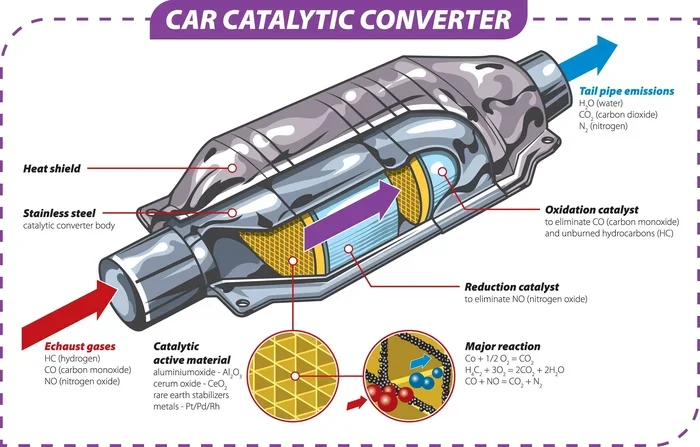
- Catalytic converter issues: A failing converter raises emissions and reduces performance.
- Mass airflow sensor problems: This sensor measures the air entering the engine. Dirt or damage can throw it off.
Understanding Diagnostic Trouble Codes
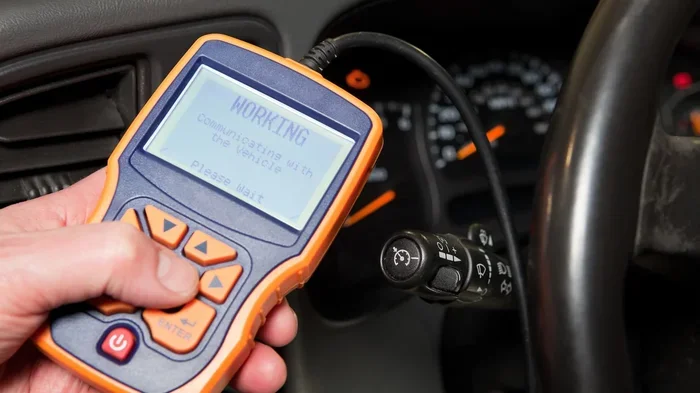
When the light comes on, the ECU stores a diagnostic trouble code (DTC). You can read these codes with an OBD-II scanner. The scanner plugs into a port under your dashboard. It shows codes like P0420 or P0301. Each code points to a specific system. You can look up the code online to get a rough idea. But remember, a code is just a starting point. It tells you what system is affected, not the exact fix.
How to Disconnect Your Battery to Reset the Check Engine Light
Disconnecting the battery is a simple method to reset the light. It works by clearing the ECU’s short-term memory. The ECU forgets the learned adaptations and stored codes. This can turn off the light temporarily. But it’s important to understand what this reset actually does.
What You’ll Need
You don’t need many tools. Here is a quick list:
- A basic wrench or socket set
- Safety glasses to protect your eyes
- Gloves to keep your hands clean
- A memory saver (optional) to preserve radio presets and clock settings
Safety First: Protect Yourself and the Car
Before you touch anything, turn off the engine. Remove the key from the ignition. Work in a well-ventilated area. Never smoke near the battery. The battery produces hydrogen gas, which is flammable. Also, avoid touching both terminals at the same time. This prevents accidental short circuits. If you have any doubts, ask a friend for help.
How Long to Disconnect Battery to Reset Check Engine Light
This is the core question. The short answer is 15 to 30 minutes for most vehicles. But let’s break it down further.
The 15-Minute Rule
For a basic reset of the check engine light, 15 minutes is often enough. This time allows the ECU to discharge its short-term memory. The stored trouble codes get erased. The readiness monitors reset to zero. After 15 minutes, you can reconnect the battery. The light should stay off if the problem was minor, like a loose gas cap.
Why Timing Matters for the ECU Reset
The ECU learns your driving habits over time. It adjusts fuel trim and idle speed. This is called adaptive learning. A short disconnect clears these learned values. But the ECU will relearn them as you drive. If you only disconnect for 5 minutes, the ECU might not fully reset. On the other hand, leaving the battery disconnected for an hour won’t cause harm. It just gives the system more time to fully power down. Some cars need a longer wait to clear all readiness monitors.
Also, consider the drive cycle. After reconnecting the battery, you need to drive the car for a while. The ECU runs through a series of tests called a drive cycle. This process can take 20 to 30 minutes of driving. Until the drive cycle completes, the readiness monitors may still show as incomplete. That can cause a failed emission test.
Step-by-Step Battery Disconnect Procedure
Follow these steps to safely disconnect and reconnect your battery. This ensures a clean reset without damaging your car.
Locating the Battery Terminals
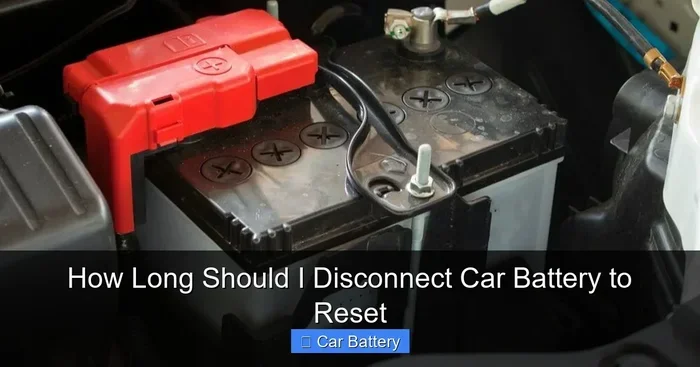
Open the hood and find the battery. You’ll see two terminals. The positive terminal is marked with a plus sign (+) and usually has a red cover. The negative terminal is marked with a minus sign (-) and often has a black cover. The negative terminal is connected to the car’s chassis. This is the ground wire.
Disconnecting the Negative Terminal First
Always disconnect the negative terminal first. Use your wrench to loosen the nut on the negative cable clamp. Once loose, carefully lift the cable off the terminal. Tuck it away from the battery so it can’t accidentally touch the terminal again. This prevents short circuits. Never disconnect the positive terminal first. Doing so can cause sparks and damage fuses or the ECU.
Waiting and Reconnecting Properly
Now, leave the battery disconnected. Set a timer for 15 to 30 minutes. Use this time to check the battery terminals for corrosion. If you see white or blue powdery buildup, clean it with a wire brush. After the waiting period, reconnect the negative terminal first. Tighten the nut firmly. Then reconnect the positive terminal and tighten it. Make sure both connections are snug. You should hear a click or feel resistance when they are secure.
Common Mistakes When Resetting the Check Engine Light
Many people make avoidable errors when trying to reset the light. Here are the most common ones.
Skipping the Underlying Problem
The biggest mistake is thinking the reset fixes the problem. Disconnecting the battery only erases the code. It does not repair the faulty part. If you have a bad oxygen sensor, the light will come back within a few days. You’ll just be hiding the symptom. Always diagnose the root cause first if possible.
Reconnecting the Battery Too Soon
Some people disconnect the battery for only 5 minutes and reconnect it. That’s not enough time for the ECU to fully discharge. The short-term memory might not clear completely. You’ll need to wait longer. Set a timer and be patient. Fifteen minutes is the minimum for a reliable reset.
Forgetting to Clear Codes with a Scanner
Even after a battery disconnect, some older cars keep the codes in long-term memory. A battery reset clears short-term memory, but not always the long-term storage. To fully erase the codes, you need an OBD-II scanner. You can buy a basic scanner for under $30. Plug it in, read the codes, and then clear them. This ensures a complete reset.
Battery Disconnect vs. OBD-II Scanner Reset
Which method is better? Let’s compare them directly.
| Feature | Battery Disconnect | OBD-II Scanner |
|---|---|---|
| Cost | Free (no tools needed) | $20 to $100 for a scanner |
| Time Required | 15 to 60 minutes | 5 to 10 minutes |
| Clears Codes | Clears short-term memory only | Clears both short-term and long-term memory |
| Resets Radio/Clock | Yes, you lose presets | No, settings stay intact |
| Risk of Damage | Low if done correctly | Very low |
| Best For | Simple resets, clearing minor codes | Permanent fixes, full code erasure |
For most people, the battery disconnect method works fine for a quick fix. But if you want a clean, complete reset without losing your radio stations, an OBD-II scanner is the better choice.
When to See a Mechanic Instead
A battery reset is great for minor issues. But some situations need professional help. You should see a mechanic if:
- The check engine light is flashing. A flashing light usually indicates a severe engine misfire. Driving with a flashing light can damage the catalytic converter.
- You notice serious symptoms. These include stalling, rough idling, or a significant loss of power.
- The light comes back immediately after a reset. This means the problem is still active and needs repair.
- You have an emission test coming up. A mechanic can run a full diagnostic and ensure all readiness monitors are ready.
Ignoring these signs can lead to expensive repairs. Don’t gamble with your car’s health.
Quick Tips for a Successful Battery Reset
Follow these quick tips to make the process smooth and safe:
- Always wear safety glasses. Battery acid can splash and cause burns.
- Take a photo of the battery terminals. This helps you remember the cable placement if you’re unsure.
- Use a memory saver. This small device plugs into the OBD-II port and keeps power to the ECU. It saves your radio presets and learned settings.
- Drive gently after reconnecting. Avoid heavy acceleration for the first 20 minutes. Give the ECU time to relearn.
- Check the gas cap first. A loose gas cap causes many check engine lights. Tighten it and see if the light goes off on its own.
- Keep a code reader handy. Even if you use the battery disconnect method, a scanner helps you understand what triggered the light.
Expert Insight: What the Reset Actually Does
According to automotive experts, disconnecting the battery does more than just turn off the light. It resets the ECU’s adaptive values. These values include fuel trim adjustments, idle speed targets, and shift point learned behaviors. When you reconnect the battery, the ECU starts from a blank slate. It must relearn these values based on your driving. This process is called a drive cycle. A full drive cycle can take 50 to 100 miles of mixed driving. During this time, the readiness monitors run one by one. Once all monitors are ready, the car is considered fully reset.
Expert mechanic Sarah Jenkins explains: “A battery disconnect is a soft reset. It clears temporary faults and learned offsets. But it’s not a substitute for proper diagnostics. If the root cause is still there, the light will return, and you’ll be back to square one.”
Key Takeaways
- Disconnect for 15 to 30 minutes: This clears short-term ECU memory and resets the check engine light temporarily.
- Always remove the negative terminal first: It prevents electrical shorts and protects your car’s sensitive electronics.
- The reset is not a repair: If the underlying issue isn’t fixed, the light will return within days or weeks.
- Use an OBD-II scanner for a permanent solution: A scanner clears long-term codes and doesn’t reset your radio or clock.
- Complete a drive cycle after reconnecting: This allows the ECU to relearn and pass emission readiness tests.
- Safety comes first: Wear gloves and glasses, and work in a ventilated area away from open flames.
Final Thoughts
Resetting your check engine light by disconnecting the battery is a simple and free method. It can turn off that annoying dashboard warning in just a few minutes. But you need to know the right timing. Leaving the battery disconnected for 15 to 30 minutes is usually enough for a basic reset. A full ECU reset and readiness monitor completion can take up to an hour of waiting plus a drive cycle.
Always remember that this method only erases the code. It does not fix the problem. If your check engine light keeps coming back, you need to find the root cause. Use an OBD-II scanner to read the codes, or visit a trusted mechanic. A quick fix today can prevent a costly repair tomorrow.
Now you know exactly how long to disconnect battery to reset check engine light. You have the steps, the timing, and the tips to do it safely. Go ahead and give it a try. Your dashboard—and your wallet—will thank you.
Frequently Asked Questions
Can I disconnect the battery for just 5 minutes to reset the check engine light?
Five minutes is usually not enough time. The ECU needs at least 15 minutes to fully discharge its short-term memory. A shorter disconnect may not clear the codes or reset the readiness monitors. Wait at least 15 minutes for a reliable reset.
Will disconnecting the battery erase my radio presets and clock settings?
Yes, disconnecting the battery will typically reset your radio presets, clock, and other learned settings. To avoid this, you can use a memory saver device. It plugs into the OBD-II port and provides constant power to the ECU while the battery is disconnected.
Is it safe to disconnect the battery while the engine is running?
No, never disconnect the battery while the engine is running. The alternator provides power to the electrical system when the engine is on. Removing the battery while the engine runs can cause voltage spikes that damage the ECU, fuses, and other sensitive electronics. Always turn off the engine first.
What should I do if the check engine light comes back after a battery reset?
If the light returns, the underlying problem is still present. The battery reset only erased the code temporarily. You should use an OBD-II scanner to read the trouble code again. Then, address the root cause, whether it’s a loose gas cap, faulty sensor, or another issue. Ignoring it can lead to more serious damage.
Do I need any special tools to disconnect the battery?
You only need a basic wrench or socket set that fits the battery terminal nuts. Safety glasses and gloves are also recommended. A memory saver is optional but helpful if you want to preserve your radio presets and ECU learned values. No special electrical tools are required.
How long does it take for the check engine light to turn off after reconnecting the battery?
The light should turn off immediately after you reconnect the battery, provided the issue was minor and the ECU cleared the code. However, if the problem persists, the light will return within a few driving cycles. After a successful reset, the ECU needs a full drive cycle to relearn and pass readiness monitors.