How Long Does It Take to Replace a Blown Head Gasket
Replacing a blown head gasket typically takes between 10 and 15 hours of labor, though the exact timeframe depends on your vehicle type, engine design, and the extent of the damage. The process involves draining fluids, removing the cylinder head, inspecting for damage, installing a new gasket, and reassembling the engine with precision. Understanding each step helps you plan your budget, your time, and your next move with confidence.
If your car is leaking coolant or you have noticed white smoke coming from the exhaust, you might be dealing with a blown head gasket. This is one of the most dreaded engine problems for any car owner. The big question on everyone’s mind is usually the same: how long does it take to replace a blown head gasket? The answer is not as simple as a single number. Many factors play a role, from the type of vehicle you drive to the extent of the damage. In this guide, we will walk you through everything you need to know about the timeline, the process, and what to expect.
A blown head gasket is not a quick fix. Unlike an oil change or a tire rotation, this is a major engine repair. It involves taking apart significant portions of your engine to access the gasket. The good news is that understanding the process can help you plan better and avoid surprises. Whether you are a DIY mechanic or you are budgeting for a shop visit, this article has you covered.
We will break down the average timeframes, explain what affects the duration, and give you a clear picture of each step involved. By the end, you will know exactly what to expect and how to prepare. Let us dive in and take a close look at the head gasket replacement process from start to finish.
Key Takeaways
- Average Labor Time: Most head gasket replacements take 10 to 15 hours, with simpler engines finishing in 6 hours and complex ones stretching past 25 hours.
- Cost Range: Total costs typically fall between $1,100 and $3,500, with labor making up the bulk of the expense.
- Do Not Delay: Driving with a blown head gasket can cause cascading engine damage that turns a $1,500 repair into a $6,000 engine replacement.
- Additional Repairs Add Time: Cylinder head resurfacing, cooling system flushes, and oil changes can extend the total repair timeline by days.
- Prevention Works: Regular coolant maintenance, timely oil changes, and watching your temperature gauge can significantly reduce the risk of gasket failure.
📑 Table of Contents
- What Is a Head Gasket and Why Does It Blow?
- How Long Does It Take to Replace a Blown Head Gasket?
- Factors That Affect Head Gasket Replacement Time
- What Happens During the Replacement Process?
- Head Gasket Replacement Cost and Labor Breakdown
- Driving With a Blown Head Gasket: Risks, Symptoms, and Prevention
- Final Thoughts on Head Gasket Replacement Time
What Is a Head Gasket and Why Does It Blow?
Before we talk about time, it helps to understand what the head gasket does and why it fails. The head gasket sits between the engine block and the cylinder head. It seals the combustion chambers and keeps coolant and oil from mixing. When this gasket fails, it is called a blown head gasket. This can cause serious engine problems if not addressed quickly.
Understanding the Head Gasket’s Role
The head gasket is a thin but crucial part of your engine. It creates a seal that keeps combustion gases contained. It also prevents coolant and engine oil from leaking into the cylinders or mixing together. When the gasket works properly, your engine runs smoothly. When it fails, you can face overheating, loss of power, and even engine seizure.
Think of the head gasket as the glue that holds two major engine parts together. It deals with extreme heat and pressure every single time you drive. Over time, this constant stress can cause the gasket to wear out or fail completely.
Common Causes of Head Gasket Failure
Several things can cause a head gasket to blow. Engine overheating is the number one culprit. When your engine runs too hot, the metal parts expand unevenly. This can warp the cylinder head and break the gasket seal. Other common causes include:
- High mileage and natural wear and tear
- Improper installation of the previous gasket
- Engine detonation or pre-ignition problems
- Coolant leaks that go unnoticed for too long
- Old age and degraded gasket material
Knowing the causes can help you prevent future gasket failure. Regular maintenance and watching your temperature gauge go a long way in avoiding this expensive repair.
How Long Does It Take to Replace a Blown Head Gasket?
Now for the main question. On average, replacing a blown head gasket takes between 10 and 15 hours of labor. Some straightforward jobs may take as few as 6 hours. More complex engines can push past 20 hours. The head gasket repair time depends on several factors we will explore below.
When you ask a mechanic, “how long does it take to replace a blown head gasket?” they will likely ask about your vehicle first. The make, model, and engine type all matter. A simple four-cylinder engine in a compact car is much easier to work on than a V8 in a full-size truck.
Typical Timeframes by Vehicle Type
Here is a general breakdown of what you can expect based on your vehicle:
- Compact cars with four-cylinder engines: 6 to 10 hours
- Mid-size sedans and SUVs: 10 to 15 hours
- Trucks and performance vehicles with V6 or V8 engines: 15 to 25 hours
- European luxury vehicles with complex engines: 18 to 30 hours
These numbers are for labor time only. They do not include the time the shop needs to order parts or wait for machine work like head resurfacing.
Factors That Affect Head Gasket Replacement Time
Not every head gasket replacement is the same. Several factors can make the job take longer or shorter. Understanding these will help you set realistic expectations for your repair.
Engine Design and Accessibility
Some engines are easy to get to. Others are packed tightly under the hood with very little room to work. The layout of your engine directly affects how long the job takes. Engines with the cylinder head on top and easy access to head bolts are faster to repair. Engines buried under intake manifolds, fuel injection systems, and other components take much longer.
For example, a Ford EcoBoost engine has the turbocharger and intercooler mounted on top. A mechanic must remove these before they can even reach the head bolts. This adds several hours to the job. On the other hand, a simple pushrod V8 with a removable intake manifold might come apart much faster.
Additional Damage and Repairs Needed
Sometimes a blown head gasket is not the only problem. When coolant has been leaking into the cylinders for a while, it can damage the cylinder walls. The mechanic might need to hone the cylinders or even replace pistons and rings. This adds significant time to the repair.
Other related repairs that can extend the timeline include:
- Resurfacing or replacing the cylinder head
- Replacing warped or cracked head bolts
- Flushing or replacing the entire cooling system
- Changing the oil and oil filter due to contamination
- Replacing thermostat and water pump if they were affected
Each of these extra steps adds hours to the total engine repair time. This is why getting a proper diagnosis before the repair begins is so important.
OEM Gasket vs. Aftermarket Gasket
The type of gasket you choose can also affect the timeline. OEM (original equipment manufacturer) gaskets are designed to fit perfectly. They usually require no modifications. Aftermarket gaskets vary in quality and fit. Some may require extra time to adjust or seal properly.
Most experienced mechanics prefer OEM gaskets because they save time and reduce the risk of future leaks. However, aftermarket options can be more affordable if budget is a concern.
What Happens During the Replacement Process?
Understanding the step-by-step process helps you appreciate why this repair takes so long. It is not just about swapping out one part. It is a thorough engine job that requires precision and care.
Step-by-Step Breakdown
Here is what a typical head gasket replacement process looks like:
- Diagnostic testing: The mechanic performs a compression test and checks for combustion gases in the coolant. This confirms the gasket is blown.
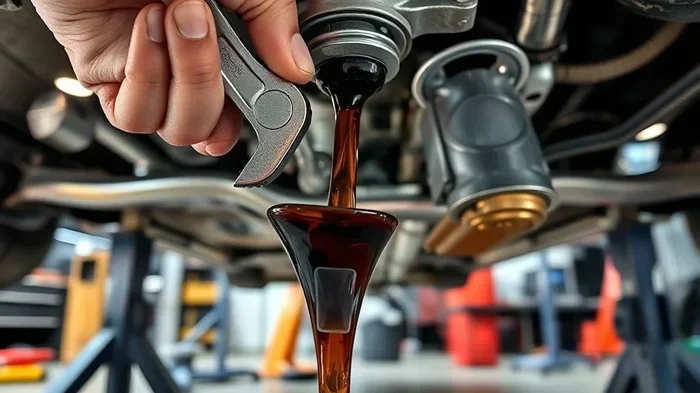
- Draining fluids: Coolant and engine oil are drained from the system. This prevents spills and contamination during the repair.
- Engine disassembly: The mechanic removes the intake manifold, exhaust manifold, valve covers, and other components to access the cylinder head.
- Removing the cylinder head: Head bolts are removed carefully, often in a specific sequence to prevent warping. The cylinder head is lifted off the engine block.
- Inspecting the head and block: The mechanic checks both the cylinder head and the engine block for warping, cracks, or damage. Head resurfacing is done if needed.
- Installing the new gasket: The new gasket is placed on the engine block. The cylinder head is lowered back into position.
- Torqueing head bolts: Head bolts are tightened in a specific sequence and to exact specifications. This ensures an even seal across the gasket surface.
- Reassembling the engine: All removed components are put back in reverse order. New gaskets and seals are used where needed.
- Refilling fluids and testing: Coolant and oil are refilled. The engine is started and checked for leaks. A test drive confirms everything is working properly.
Each of these steps requires patience and attention to detail. Rushing any step can lead to leaks or even more engine damage down the road.
Head Resurfacing: Why It Matters
Head resurfacing is a step that many car owners do not think about. When a cylinder head is removed, it is checked for flatness using a precision straightedge and feeler gauges. Even a slight warp can prevent the new gasket from sealing properly. Resurfacing removes a thin layer of metal to restore a perfectly flat surface.
Not all heads need resurfacing. But if yours does, it adds a day or two to the overall timeline. This is especially common on older vehicles or engines that have overheated in the past.
Head Gasket Replacement Cost and Labor Breakdown
Cost is always a big concern with this repair. The total head gasket replacement cost includes both parts and labor. Labor makes up the bulk of the expense because the job takes so many hours.
Labor Costs vs. Parts Costs
Labor rates vary by region and shop type. On average, you can expect to pay between $90 and $150 per hour for a qualified mechanic. With 10 to 20 hours of labor, the labor cost alone can range from $900 to $3,000.
The parts cost is relatively low compared to labor. A new head gasket set typically costs between $50 and $200. Add in new head bolts, coolant, oil, and various seals, and you might spend another $100 to $300 on parts.
Here is a quick look at what goes into the total cost:
- Head gasket set: $50 to $200
- Head bolts (new): $20 to $80
- Coolant and oil: $30 to $100
- Additional seals and gaskets: $20 to $60
- Labor (10 to 20 hours): $900 to $3,000
Total estimated cost: $1,100 to $3,500.
If your cylinder head needs resurfacing, that adds another $100 to $300. And if the head is cracked and needs to be replaced, you could be looking at $500 to $1,500 for the head alone.
DIY vs. Professional Repair
Some experienced DIYers attempt this repair at home to save on labor costs. While this can save thousands of dollars, it requires specialized tools and a good amount of mechanical knowledge. You will need a torque wrench, a head bolt torque chart for your specific engine, and the patience to work through each step carefully.
For most people, taking the vehicle to a trusted mechanic is the safer choice. A professional will have the right equipment, the experience to spot hidden problems, and the ability to pressure-test the repair before you drive away.
Driving With a Blown Head Gasket: Risks, Symptoms, and Prevention
The short answer to whether you can drive with a blown head gasket is yes, but you really should not. Driving with a blown head gasket can turn a costly repair into a catastrophic engine failure. Every mile you drive with a compromised gasket risks further damage.
Risks of Delaying the Repair
When the head gasket fails, it opens pathways where there should be none. Coolant can leak into the cylinders and get burned in the combustion chamber. This leads to white smoke from the exhaust and a loss of coolant without any visible leaks. Oil can mix with coolant, creating a milky sludge that does not lubricate your engine properly.
Over time, these problems get worse. Here is what can happen if you keep driving:
- Engine overheating: Low coolant levels cause the engine to run hotter than normal
- Hydrolock: Coolant in the cylinders can prevent the pistons from moving
- Bearing damage: Oil contamination reduces lubrication and damages bearings
- Cracked engine block: Severe overheating can crack the block, requiring a full engine replacement
The longer you wait, the more expensive the repair becomes. What starts as a $1,500 head gasket job can quickly become a $4,000 to $6,000 engine replacement if you ignore the symptoms.
Recognizing the Symptoms Early
Spotting the signs of a blown head gasket early can save you time and money. Watch for these common blown head gasket symptoms:
- White smoke from the exhaust, especially a thick, sweet-smelling smoke
- Coolant loss with no visible external leaks
- Oil that looks milky or frothy on the dipstick
- Engine overheating that cannot be explained by a low coolant level
- Bubbles in the radiator or coolant reservoir
- Loss of engine power and rough idling
- Coolant or oil leaking around the gasket area
If you notice any of these signs, get your vehicle checked right away. A mechanic can perform a compression test and a chemical test on the coolant to confirm whether the head gasket has failed. Catching the problem early often means a simpler and less expensive repair.
Preventing Future Head Gasket Problems
The best way to avoid dealing with a blown head gasket is prevention. While not all failures can be prevented, you can take steps to reduce the risk significantly.
Keep your cooling system in top shape. Flush the coolant on schedule and use the type recommended by your vehicle manufacturer. Check the coolant level regularly and top it off if needed. Watch your temperature gauge while driving and pull over immediately if the engine starts to overheat.
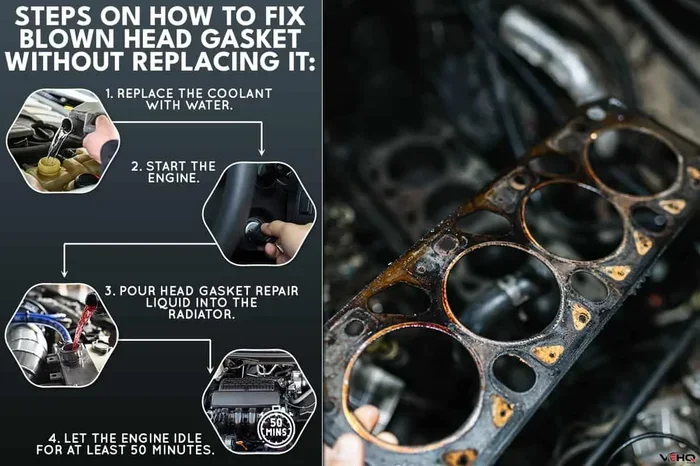
Also, do not ignore small coolant or oil leaks. Even a minor leak can worsen over time and put extra stress on the gasket. Using a quality head gasket sealant as a temporary fix can help in a pinch, but it is not a permanent solution for a failed gasket.
Regular oil changes with the right oil also help. Clean oil lubricates the engine properly and helps manage heat. Dirty or degraded oil can contribute to overheating and premature gasket wear.
Final Thoughts on Head Gasket Replacement Time
So, how long does it take to replace a blown head gasket? The honest answer is anywhere from 6 to 30 hours, depending on your vehicle and the extent of the damage. Most standard replacements fall in the 10 to 15-hour range. Understanding the process and the factors involved helps you plan your time and budget accordingly.
This is not a repair to rush or put off. A proper head gasket replacement done right the first time will save you from repeat trips to the shop and further engine damage. Whether you go to a trusted mechanic or tackle the job yourself, take your time and follow the correct procedures.
If you suspect your head gasket has blown, do not wait. Get a diagnosis and plan the repair as soon as possible. The sooner you address the issue, the less damage you will face and the lower your overall repair costs will be. Taking action now is the smartest thing you can do for your engine and your wallet.
Frequently Asked Questions
Can I use a head gasket sealant instead of replacing the gasket?
Head gasket sealants can work as a temporary fix for small leaks, but they are not a permanent solution for a blown gasket. The sealant may clog small passages and buy you some time, but the underlying damage will still get worse. It is best to use a sealant only as a short-term measure while you plan a proper repair.
Is a blown head gasket covered by warranty?
Most head gasket failures are considered wear items and are not covered under standard factory warranties. However, if the failure was caused by a manufacturing defect in the gasket itself, you may have a claim. Check with your dealer and review your warranty terms carefully to understand your coverage.
How do mechanics test for a blown head gasket?
Mechanics use several methods to diagnose a blown head gasket. A compression test measures the pressure in each cylinder to find leaks. A chemical test checks the coolant for combustion gases. They may also perform a pressure test on the cooling system and inspect the oil for contamination. These tests together give a clear picture of what is happening inside the engine.
Can I replace the head gasket myself to save money?
Experienced DIYers can save a significant amount by doing the job themselves, but it requires specialized tools and solid mechanical knowledge. You will need a torque wrench, a head bolt torque chart, and the patience to follow each step carefully. If you are not confident in your skills, it is safer and more cost-effective in the long run to let a professional handle the repair.
What happens if I ignore a blown head gasket?
Ignoring a blown head gasket can lead to severe and expensive engine damage. Coolant can enter the combustion chamber and cause hydrolock, which can bend or break connecting rods. Oil contamination can destroy bearings. Prolonged overheating can crack the engine block. What starts as a $1,500 repair can quickly become a $4,000 to $6,000 engine replacement.
Does head resurfacing always need to be done during a gasket replacement?
Not always. Head resurfacing is only needed when the cylinder head has become warped or uneven. The mechanic checks the head for flatness using a straightedge and feeler gauges. If the surface is within specification, resurfacing is not necessary. However, if the head has been exposed to overheating or has high mileage, resurfacing is often recommended to ensure a proper seal with the new gasket.
=== CONCLUSION ===
Replacing a blown head gasket is a major repair that typically takes between 6 and 30 hours, depending on your vehicle and the extent of the damage. The average job falls in the 10 to 15-hour range, with costs between $1,100 and $3,500. Understanding the process, the factors that affect the timeline, and the risks of delaying the repair empowers you to make informed decisions. Do not ignore the symptoms of a blown head gasket. Act quickly, get a proper diagnosis, and plan the repair with confidence. Your engine will thank you for it.