How Long Can I Drive With a Bad Alternator Before Breakdown
You can usually drive 20 to 40 miles with a bad alternator before your car stalls for good. The alternator keeps your battery charged and powers all electrical systems while you drive. Once it fails, your battery drains fast, and warning signs like dim lights and dashboard alerts give you a short window to pull over safely.
You are cruising down the highway, and suddenly your dashboard lights start flickering. The radio cuts out. Your power windows stop working. What just happened? More than likely, your alternator is failing. This small but mighty part keeps your car running, and when it goes bad, everything electrical in your vehicle starts to shut down. So how long can you actually keep driving before things go from bad to worse?
The answer might surprise you. Most drivers have a window of about 20 to 40 miles once the alternator starts to fail. But that number changes fast depending on your battery health, how much electrical load you are running, and driving conditions. The key is knowing the warning signs early and acting before you are stranded on the side of the road.
In this guide, we will walk you through everything you need to know about driving with a bad alternator. You will learn how the alternator works, what happens when it fails, how far you can safely drive, and what it costs to fix it. We will also share practical tips to help you avoid a roadside breakdown and keep your car running strong.
Key Takeaways
- Limited Driving Range: A failing alternator gives you roughly 20 to 40 miles before the battery dies completely.
- Warning Signs Are Your Best Friend: Dim headlights, dashboard warnings, and strange noises all point to alternator trouble.
- Electrical Systems Suffer First: Power windows, radio, and AC start acting up when the alternator weakens.
- Replacement Cost Varies: Expect to pay between $300 and $800 for alternator repair or replacement.
- Never Ignore the Problem: Driving too long with a bad alternator risks a full breakdown and costly damage.
- Regular Maintenance Helps: Simple checks and timely belt replacements can prevent alternator failure.
📑 Table of Contents
- What Does an Alternator Do and Why Does It Matter?
- How Long Can You Actually Drive With a Bad Alternator?
- Warning Signs Your Alternator Is Going Bad
- What Happens When the Alternator Fails While Driving?
- Alternator Replacement Cost and Repair Options
- How to Prevent Alternator Failure
- What to Do If Your Alternator Fails on the Road
- Final Thoughts on Driving With a Bad Alternator
What Does an Alternator Do and Why Does It Matter?
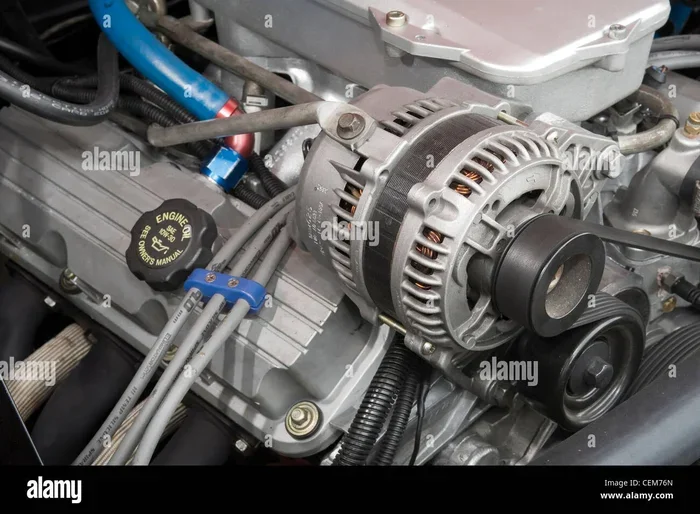
Before you understand how long you can drive with a bad alternator, you need to know what it does. Think of the alternator as your car’s mini power plant. While the engine runs, the alternator generates electricity. It charges the battery and sends power to every electrical system in your vehicle.
Without a working alternator, your car runs entirely on battery power. And batteries do not last forever. They drain quickly when they are not being recharged. This is why a failing alternator is such a serious issue. Your battery can go from full to dead in a matter of minutes if the alternator stops working completely.
How the Charging System Works Together
Your car’s electrical system has three main parts that work together: the battery, the alternator, and the voltage regulator. The battery provides the initial power to start the engine. Once the engine is running, the alternator takes over and produces electricity. The voltage regulator makes sure the power stays at a safe level.
When one part of this system fails, the others pick up the slack for a while. But that extra strain causes them to wear out faster too. For example, if your alternator weakens, your battery has to work harder. This shortens the battery’s lifespan and can lead to a dead battery much sooner than expected.
Common Alternator Components That Wear Out
Several parts inside the alternator can fail over time:
- Diodes: These convert AC power to DC power. When they fail, the alternator cannot charge properly.
- Bearings: Worn bearings cause grinding noises and can seize the alternator completely.
- Stator: This is the coil that generates electricity. Damage here means low or no power output.
- Rotor: The spinning part of the alternator. If it fails, the whole unit stops working.
Knowing these parts helps you understand why even a small alternator problem can snowball into a big one fast.
How Long Can You Actually Drive With a Bad Alternator?
Here is the honest truth. There is no single answer to this question because every situation is different. But on average, you have a short window before things go wrong.
Driving Distance With a Failing Alternator
Most experts agree that you can drive about 20 to 40 miles with a bad alternator. Some drivers report getting up to 60 miles if their battery is still strong and they are not using many electrical accessories. On the other hand, if your battery is already weak and you are running the AC, heated seats, and headlights, you might only get 5 to 10 miles.
Here is a quick breakdown of what to expect:
- Battery fully charged, no electrical load: 30 to 40 miles
- Battery partially charged, moderate load: 15 to 25 miles
- Battery weak, high electrical load: 5 to 15 miles
- Battery dead or alternator completely seized: 0 miles, immediate stall
These numbers give you a general idea, but they can change quickly. The safest approach is to get your car checked as soon as you notice any alternator symptoms.
Factors That Shorten Your Driving Window
Several things can reduce how far you can go with a bad alternator:
- Cold weather: Batteries struggle in low temperatures and drain faster.
- Old battery: A battery over three years old cannot hold a charge as well.
- Electrical accessories: Using the AC, heated seats, or aftermarket electronics drains the battery quickly.
- Short trips: Frequent short drives do not give the alternator enough time to recharge the battery.
- Driving at night: Headlights draw significant power from the battery.
If any of these factors apply to you, your safe driving distance drops significantly. Plan for the worst and get your car to a mechanic right away.
Quick Tips for Maximizing Your Driving Distance
If you suspect your alternator is going bad but you need to reach a repair shop, follow these tips:
- Turn off the AC and heated seats.
- Turn off the radio and any aftermarket electronics.
- Drive during daylight hours to save battery power.
- Keep your engine RPM steady and avoid rapid acceleration.
- Head directly to the nearest mechanic without detours.
These small steps can buy you a few extra miles and help you avoid a sudden roadside breakdown.
Warning Signs Your Alternator Is Going Bad
The good news is that a failing alternator rarely goes silent. Your car gives you plenty of warning signs if you know what to look for. Catching these signs early gives you time to address the problem before you are left stranded.
Dashboard Warning Lights
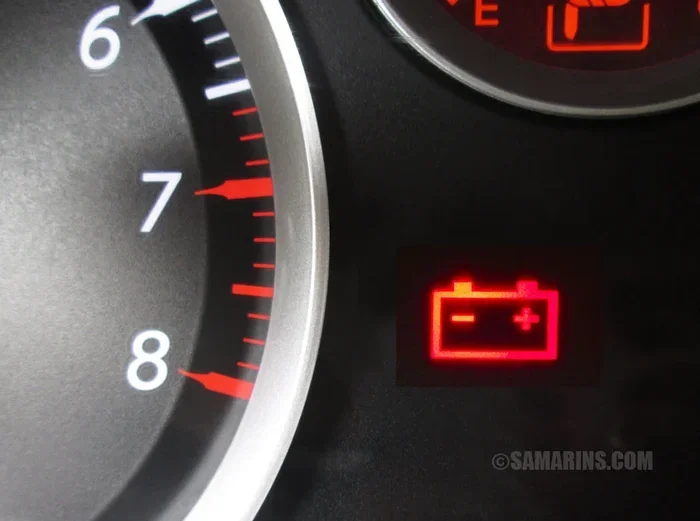
The most obvious sign is the battery warning light on your dashboard. This light looks like a small battery icon and usually illuminates when the charging system is not working properly. Do not ignore this light. Many drivers assume it means the battery itself is the problem, but it often points directly to the alternator.
Other warning lights may also appear, such as the check engine light or the voltage warning light. These lights mean your electrical system is not getting the power it needs. Have your car scanned for trouble codes as soon as possible.
Dimming Lights and Electrical Issues
Notice your headlights looking dimmer than usual? Are your dashboard instruments hard to read at night? These are classic signs of a weakening alternator. When the alternator cannot produce enough power, your car prioritizes essential systems and cuts power to less critical ones.
You might also notice:
- Power windows moving slowly or not responding
- The radio cutting out or fading in and out
- Interior lights dimming when you rev the engine
- Air conditioning blowing warm air
These electrical issues are your car telling you something is wrong. Listen to it.
Strange Noises From the Engine Bay
A bad alternator often makes noise. You might hear a grinding sound, which usually means worn bearings inside the alternator. A whining noise can indicate a problem with the voltage regulator. If you hear any unusual sounds coming from the front of your engine, get it checked right away.
Ignoring these noises can lead to a complete alternator seizure. When the alternator seizes, it can also damage the serpentine belt and other engine components. That repair becomes much more expensive and time-consuming.
Battery Dying Frequently
If you find yourself needing frequent jump starts, the alternator is likely the culprit. A healthy alternator keeps the battery charged while you drive. When it fails, the battery cannot recharge, and you will keep getting dead batteries no matter how many times you replace them.
Before you buy a new battery, have a mechanic test your alternator. You might save yourself the cost of a new battery and fix the real problem at the same time.
What Happens When the Alternator Fails While Driving?
Imagine this scenario. You are driving on a busy road, and suddenly the engine stalls. Your steering gets heavy. Your brakes become harder to press. This is what happens when the alternator fails completely while you are behind the wheel.
Loss of Power Steering and Brakes
Most modern cars use electric power steering or a hydraulic system powered by the engine. When the alternator fails, the engine loses electrical power, and power steering can become very heavy. Brakes may still work, but they require more foot pressure since the vacuum assist system loses power.
This is extremely dangerous, especially at highway speeds or in heavy traffic. If you experience a sudden loss of power while driving, pull over safely and turn on your hazard lights immediately.
Engine Stalling and Not Restarting
Once the battery drains from a failed alternator, the engine will stall and will not restart. You will be stranded wherever you are. This is the worst-case scenario and the reason why addressing alternator problems early is so important.
A roadside breakdown is not just an inconvenience. It can be dangerous, especially at night or in bad weather. You may also face towing costs, which can add $100 or more to your repair bill.
Damage to Other Car Components
Driving with a bad alternator for too long can cause collateral damage. A seized alternator can snap the serpentine belt, which then disables the water pump, power steering pump, and other accessories. A damaged water pump leads to engine overheating, which can cause catastrophic engine failure.
The chain reaction of damage from a neglected alternator can turn a $300 repair into a $2,000+ repair. This is why early detection and prompt action save you so much money and stress.
Comparison Table: Alternator Failure vs. Battery Failure
| Symptom | Bad Alternator | Bad Battery |
|---|---|---|
| Dashboard warning light | Battery or charging light | Battery light (less common) |
| Engine starts then dies | Yes, common | Rare, usually starts fine |
| Electrical accessories work | Dim or intermittent | Normal until battery dies |
| Jump start works | No, car dies again quickly | Yes, car runs normally |
| Battery age | Usually relatively new | Often old or worn out |
| Strange noises | Grinding or whining | Usually silent |
This comparison helps you distinguish between alternator and battery problems. Many people confuse the two, which leads to unnecessary battery replacements while the real alternator issue goes unfixed.
Alternator Replacement Cost and Repair Options
Cost is always a factor when car repairs come up. Understanding what you might pay for alternator replacement helps you budget and make informed decisions.
Average Alternator Replacement Cost
The cost to replace an alternator varies depending on your vehicle make and model, the type of alternator (new or remanufactured), and labor rates in your area. On average, you can expect the following:
- New alternator parts: $200 to $500
- Remanufactured alternator: $100 to $300
- Labor charges: $100 to $300
- Total cost (parts + labor): $300 to $800
Some high-end vehicles or luxury cars can cost more due to the complexity of the alternator location. Always get a detailed estimate before authorizing any repair work.
DIY Alternator Replacement
If you are mechanically inclined, you can save on labor costs by replacing the alternator yourself. Many alternators are accessible and the replacement process takes about one to two hours. You will need basic tools like a socket set, wrench set, and a belt tensioner tool.
However, DIY replacement is not for everyone. If you are not comfortable working under the hood or dealing with electrical connections, it is best to leave this job to a professional. A mistake during installation can damage other engine components or void your warranty.
When to Choose New vs. Remanufactured
Remanufactured alternators are a budget-friendly option. They are rebuilt to factory specifications and often come with a warranty. New alternators offer the best reliability and longest lifespan but cost more upfront.
For most drivers, a quality remanufactured alternator is a solid choice. Just make sure it comes from a reputable supplier and includes a good warranty for peace of mind.
Expert Insight: Do Not Skip the Voltage Regulator
Some mechanics recommend replacing the voltage regulator at the same time as the alternator. The regulator controls the electrical output and can wear out alongside the alternator. Replacing both together prevents a second repair visit and ensures your charging system works at peak performance.
How to Prevent Alternator Failure
The best way to deal with a bad alternator is to prevent it from failing in the first place. Regular maintenance and smart driving habits go a long way in extending the life of your alternator and keeping your car reliable.
Routine Maintenance Checks
Include alternator checks in your regular vehicle maintenance schedule. Here are some simple steps you can take:
- Have your charging system tested at every oil change.
- Inspect the serpentine belt for cracks, fraying, or glazing.
- Check the battery terminals for corrosion and clean them regularly.
- Listen for unusual noises from the engine bay during your drives.
- Watch for any flickering lights or electrical gremlins.
These small habits take just a few minutes but can catch alternator problems before they leave you stranded.
Common Mistakes That Damage the Alternator
Certain driving habits and maintenance oversights can shorten your alternator’s lifespan:
- Overloading the electrical system: Adding too many aftermarket electronics draws more power than the alternator can handle.
- Ignoring belt wear: A worn serpentine belt puts extra strain on the alternator bearings.
- Jump-starting incorrectly: Connecting jumper cables the wrong way can fry the alternator’s diodes.
- Driving with a dead battery: A dead battery forces the alternator to work overtime, which causes premature failure.
- Skipping regular inspections: Small problems become big repairs when you ignore warning signs.
Avoiding these mistakes keeps your alternator healthy and your wallet happy.
How Long Does an Alternator Last?
On average, an alternator lasts between 80,000 and 150,000 miles, or about 7 to 10 years. However, driving conditions, weather, and electrical load all affect this lifespan. If you drive in extreme heat, extreme cold, or stop-and-go traffic, your alternator may wear out faster.
Keeping track of your mileage and age of your alternator helps you plan for replacement before it fails unexpectedly. Think of it as insurance against a sudden roadside breakdown.
What to Do If Your Alternator Fails on the Road
Even with the best maintenance, alternator failure can happen at the worst possible time. Here is what you should do if it happens to you.
- Turn on your hazard lights immediately. Alert other drivers that something is wrong.
- Steer the car to a safe location. Pull over to the right shoulder or a parking lot.
- Turn off all electrical accessories. This conserves whatever battery power remains.
- Call for roadside assistance. Towing is the safest option when the alternator has failed.
- Do not try to push the car. Modern cars with failed alternators and dead batteries may not restart even after a push.
Staying calm and following these steps keeps you safe and prevents further damage to your vehicle. Always keep a phone charger and emergency kit in your car for situations like this.
Final Thoughts on Driving With a Bad Alternator
The bottom line is clear. You should never ignore the signs of a failing alternator. While you might get 20 to 40 miles of driving before the battery dies completely, that window can shrink rapidly depending on your circumstances. The risks of being stranded, losing power steering, or causing additional damage to your car far outweigh the cost of a timely alternator repair.
Getting your alternator checked and replaced when needed is one of the smartest maintenance decisions you can make. It keeps you safe on the road, prevents costly secondary damage, and gives you peace of mind every time you turn the key.
If you have noticed any warning signs, do not wait. Schedule an appointment with your mechanic today. A simple alternator test takes just a few minutes and can save you from a major headache down the road. Your car depends on a healthy alternator to keep everything running smoothly, and so do you.