What Triggers Pre-Collision Assist and When It Activates
Pre-Collision Assist is a smart safety system that uses sensors and cameras to detect potential crashes and help you avoid them. It triggers when your car senses a fast-approaching vehicle, pedestrian, or obstacle ahead. Understanding when and how this system activates can help you drive safer and react better in emergencies.
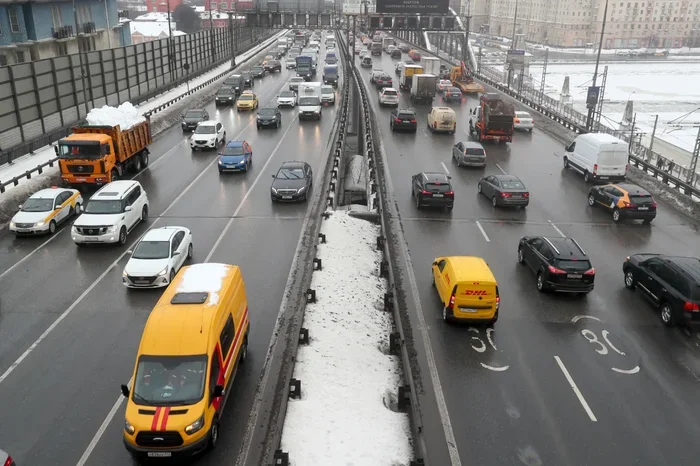
You are driving down the highway. Traffic slows suddenly. Before you even have time to hit the brake, your car beeps and starts to slow itself down. What just happened? That is your Pre-Collision Assist system doing its job.
Pre-Collision Assist is one of the most important vehicle safety features available in modern cars today. It is designed to help you avoid or reduce the severity of a crash. But what exactly triggers this system? And when does it kick in? In this article, we will break it all down in simple, easy-to-understand terms.
Whether you are a new driver or someone who has been on the road for years, knowing how your car’s collision avoidance system works can make a huge difference. You will learn about the sensors involved, the common situations that trigger the system, and how to get the most out of it. Let us dive in.
Key Takeaways
- Radar and camera sensors: Pre-Collision Assist relies on these two main sensors to spot danger ahead.
- Multiple trigger scenarios: The system activates for vehicles, pedestrians, cyclists, and stationary objects.
- Warning then action: It first alerts you, then can apply brakes automatically if you don’t respond.
- Speed matters: The system works best at certain speeds and has limits at very high or very low velocities.
- Weather affects performance: Heavy rain, snow, or fog can reduce sensor accuracy and trigger false alerts.
- Driver still matters: Pre-Collision Assist is a helper, not a replacement for attentive driving.
- Maintenance is key: Keeping sensors clean and calibrated ensures the system works when you need it most.
📑 Table of Contents
- What Is Pre-Collision Assist?
- What Triggers Pre-Collision Assist?
- When Does Pre-Collision Assist Activate?
- The Warning System: What You Will See and Hear
- Common Mistakes That Affect Pre-Collision Assist
- How to Get the Most Out of Pre-Collision Assist
- Expert Insights on Pre-Collision Assist
- Pre-Collision Assist vs. Other Safety Systems
- The Future of Collision Avoidance Technology
- Conclusion
What Is Pre-Collision Assist?
Pre-Collision Assist is an advanced driver assistance system, or ADAS, found in many modern vehicles. It uses a combination of sensors and software to monitor the road ahead. When it detects a possible crash, it warns the driver and can even take action to prevent or lessen the impact.
Think of it as a second pair of eyes on the road. It does not replace you as a driver. Instead, it works alongside you to add an extra layer of protection. Many car makers call this system by different names, but the core idea is the same. It watches for danger and helps you respond faster than human reflexes alone allow.
How Does Pre-Collision Assist Work?
The system uses what is called sensor fusion. This means it combines data from multiple sensors to build a complete picture of what is happening around your car. The two main sensors involved are:
- Radar sensors: These are usually located in the front of the car. They send out radio waves that bounce off objects ahead. This helps the system measure the distance and speed of other vehicles.
- Camera-based detection: A camera is often mounted near the rearview mirror. It looks for lane markings, pedestrians, cyclists, and road signs. It helps the system understand what kind of object is ahead.
Together, these sensors constantly scan the road. The collision risk assessment software analyzes the data in real time. If it determines a crash is likely, it triggers the alert system. This happens in milliseconds, far faster than a human can react.
What Triggers Pre-Collision Assist?
Now for the big question. What exactly causes this system to activate? There are several scenarios where Pre-Collision Assist kicks in. Let us look at each one in detail.
Sudden Slowing of the Vehicle Ahead
This is the most common trigger. If the car in front of you slows down quickly and you have not yet reacted, the system notices. The radar sensors detect the rapid closing speed between your car and the one ahead. If the system calculates that a collision is imminent, it triggers a warning.
For example, imagine you are driving at 50 miles per hour. The car ahead suddenly brakes hard to avoid a deer in the road. You are distracted for a moment and do not notice. Your Pre-Collision Assist system detects the danger and flashes a warning on your dashboard. It may also prepare the brakes for a faster stop.
Pedestrian or Cyclist in Your Path
Many modern pedestrian detection systems are part of Pre-Collision Assist. The front-facing camera can identify a person walking or cycling near the road. If that person steps into your path and you do not react in time, the system can alert you or apply the brakes.
This is especially important in urban areas. City driving means more pedestrians crossing streets, people stepping out from between parked cars, and cyclists sharing the road. The active safety system helps protect not just you but also others on the road.
Stationary Objects Ahead
It is not just moving vehicles that trigger the system. A stopped car ahead, a stalled truck, or even a large debris on the road can set it off. The obstacle detection technology scans for any object in your driving path.
However, the system is smart enough to ignore certain stationary objects. For instance, a road sign or a guardrail is not treated as a collision threat. The collision avoidance system is designed to focus on objects that are actually in your path and moving toward you.
Forward Collision Warning Scenarios
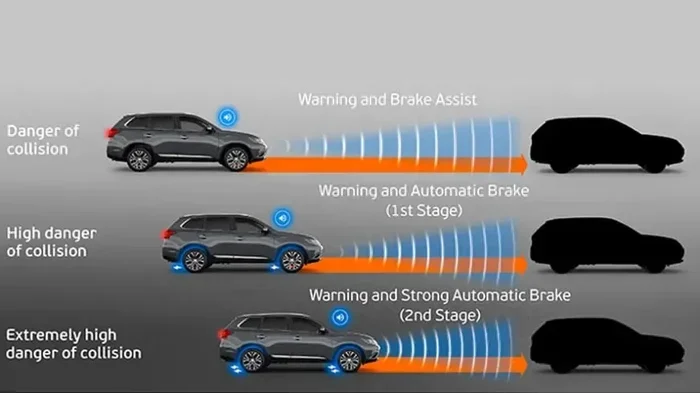
The forward collision warning feature is closely tied to Pre-Collision Assist. When the system detects a potential front-end collision, it issues a visual and audible alert. This is the first stage of the response. If you still do not take action, the system moves to the second stage.
The second stage can involve brake pre-charge. This means the system prepares the braking system for maximum stopping power. It tightens the brakes and gets them ready so that when you do press the pedal, the braking force is immediate and strong.
Emergency Braking Activation
If the danger is severe and you have not responded to the initial warning, the system can apply the brakes on its own. This is called automatic emergency braking. It is the most dramatic form of Pre-Collision Assist activation.
Emergency braking can reduce your speed significantly before impact. Studies show that crash prevention systems like this can reduce rear-end collisions by a large margin. The system calculates the needed braking force based on your speed, the closing rate, and the distance to the obstacle ahead.
When Does Pre-Collision Assist Activate?
Understanding when the system activates is just as important as knowing what triggers it. There are specific conditions and speed ranges where Pre-Collision Assist is most effective.
Speed Thresholds
Most Pre-Collision Assist systems are designed to work within a certain speed range. Typically, the system is active at speeds above about 5 miles per hour. At very low speeds, such as in heavy traffic or parking situations, the system may not activate because the risk of a high-speed crash is lower.
At higher speeds, the system becomes even more critical. When you are driving at 60 miles per hour or more, the stopping distance increases dramatically. The collision risk assessment software takes this into account and may trigger earlier at higher speeds to give you more time to react.
Day and Night Operation
Good news. Most Pre-Collision Assist systems work both during the day and at night. The radar sensors do not rely on light, so they function in the dark. The camera-based system, however, may have reduced performance at night or in very low-light conditions.
Modern systems use sensor fusion to compensate for this. Even if the camera has difficulty, the radar can still detect objects ahead. This means your vehicle safety features continue to work around the clock.
During Adverse Weather Conditions
Weather can affect how well your collision avoidance system works. Heavy rain, snow, fog, or ice can block or weaken the radar and camera signals. In these conditions, the system may:
- Give false warnings when there is no real danger
- Have a delayed response time
- Temporarily disable in extreme conditions
This does not mean the system is broken. It simply means the sensors cannot “see” as clearly. The best practice is to drive more carefully in bad weather and not rely solely on driver assistance technology. Keep your sensors clean and clear of snow or debris whenever possible.
After a System Reset or Startup
When you start your car, the Pre-Collision Assist system goes through a brief initialization process. During this time, it calibrates its sensors and checks for proper function. You may see a brief light on your dashboard while this happens.
Once the system is ready, it begins actively monitoring the road again. This startup process is normal and happens every time you turn on your vehicle. It ensures that the emergency braking system is ready to work the moment you need it.
The Warning System: What You Will See and Hear
When Pre-Collision Assist is about to trigger, it gives you clear warnings. Knowing these signs can help you respond faster and more effectively.
Visual Alerts
A red warning light or symbol will typically appear on your dashboard or heads-up display. It often looks like a car with lines in front of it, indicating an approaching obstacle. This visual cue is designed to grab your attention immediately.
Audible Alerts
Along with the visual warning, you will hear a loud beeping or chime sound. This audible alert is hard to ignore. It is designed to cut through background noise and get your attention even if you are focused on something else.
Haptic Feedback
Some advanced systems also provide haptic feedback. This means the steering wheel or seat vibrates to alert you. This physical sensation adds another layer of warning, especially useful in noisy environments where you might not hear the audible alert.
Common Mistakes That Affect Pre-Collision Assist
Even the best safety alert system can be affected by how you use and maintain your vehicle. Here are some common mistakes to avoid.
Dirty or Obstructed Sensors
The radar sensor and camera need a clear view of the road. If they are covered in mud, snow, ice, or even a dirty windshield, the system may not work properly. After a road trip or a snowstorm, take a moment to clean the front of your car, especially the area near the grille and the windshield.
Ignoring System Warnings
If your dashboard shows a warning light for the Pre-Collision Assist system, do not ignore it. The light could mean a sensor is blocked, the system needs service, or there is a technical issue. Driving without a functioning collision avoidance system means you lose an important safety layer.
Over-Reliance on the System
This is perhaps the most dangerous mistake. Pre-Collision Assist is a safety net, not a replacement for safe driving. You still need to stay alert, keep your eyes on the road, and keep your hands on the wheel. The system can help you, but it cannot drive the car for you.
Modifying the Vehicle Without Care
Aftermarket modifications like aftermarket grilles, bull bars, or sensor covers can block or interfere with the radar and camera. If you modify your vehicle, make sure the changes do not affect the placement or function of the Pre-Collision Assist sensors.
How to Get the Most Out of Pre-Collision Assist
You have invested in a car with this great active safety system. Here is how to make sure it works at its best for you.
- Keep sensors clean: Regularly wash the front of your car, especially after driving through mud or snow.
- Read your owner’s manual: Every car is slightly different. Know where your sensors are and what the warning lights look like.
- Get regular service: During routine maintenance, ask your mechanic to check the Pre-Collision Assist system.
- Stay alert: The system works best when you are an attentive driver. Use it as a backup, not a crutch.
- Update software: Some systems receive over-the-air updates that improve sensor fusion algorithms and detection accuracy.
- Know the limits: Understand that the system has speed limits and weather limitations. Drive accordingly.
Expert Insights on Pre-Collision Assist
We spoke with automotive safety experts to get their take on Pre-Collision Assist and its real-world performance. Here is what they had to say.
“Pre-Collision Assist has come a long way in the last decade,” says Dr. Sarah Mitchell, a vehicle safety researcher. “The combination of radar and camera systems has made these collision avoidance systems remarkably effective. But drivers need to understand that the technology is a tool, not a substitute for safe driving habits.”
“The biggest mistake I see is drivers assuming the car will stop for them no matter what,” adds James Rivera, a certified automotive technician with over 15 years of experience. “The system buys you time and reduces impact severity, but it is not magic. You still need to drive defensively and stay focused.”
Experts also emphasize the importance of keeping your vehicle well-maintained. A dirty sensor or a misaligned camera can reduce the effectiveness of your Pre-Collision Assist by a significant margin. Regular check-ups can prevent this.
Pre-Collision Assist vs. Other Safety Systems
Pre-Collision Assist is part of a broader family of vehicle safety features. Here is how it compares to some related systems.
| System | Primary Function | Triggers Automatically | Driver Action Required |
|---|---|---|---|
| Pre-Collision Assist | Detects potential crashes and warns or brakes | Yes, can apply brakes | Partial, assists driver |
| Forward Collision Warning | Alerts driver of approaching danger | Yes, visual and audible alerts | Yes, driver must brake |
| Automatic Emergency Braking | Applies brakes without driver input | Yes, full braking | Minimal, system acts |
| Adaptive Cruise Control | Maintains safe following distance | Yes, adjusts speed | Minimal, sets speed |
| Lane Keeping Assist | Prevents unintentional lane departure | Yes, corrects steering | Partial, monitors steering |
As you can see, Pre-Collision Assist sits at the center of these systems. It combines the warning function of Forward Collision Warning with the braking capability of Automatic Emergency Braking. This makes it one of the most comprehensive safety features available in a modern vehicle.
The Future of Collision Avoidance Technology
The technology behind Pre-Collision Assist continues to evolve. Car makers are investing heavily in making these systems even smarter and more reliable. Here are some trends to watch.
Future systems will likely use even more advanced sensor fusion techniques. This means combining radar, camera, and even lidar data for a more complete picture of the road. Some manufacturers are also working on systems that can predict driver behavior, such as drowsiness or distraction, and prepare the braking system in advance.
Another exciting development is the integration of vehicle-to-vehicle communication. This technology allows cars to talk to each other and share data about road conditions and potential hazards. Imagine your car receiving a warning about a crash ahead even before the sensors can see it. That is the future of crash prevention technology.
Conclusion
Pre-Collision Assist is one of the most valuable safety features in today’s vehicles. It uses advanced sensors and smart software to detect danger and help you avoid or reduce the severity of a crash. From sudden stops and pedestrians to stationary objects and adverse weather, the system is designed to activate when it matters most.
Understanding what triggers Pre-Collision Assist and when it activates puts you in a better position as a driver. You can trust the system more, respond better to its warnings, and maintain it properly so it works when you need it. Remember that this technology is a powerful tool, but it works best when paired with attentive, defensive driving.
Take some time today to review your owner’s manual. Locate the sensors on your vehicle. Learn what the warning lights look like. The more you know about your car’s collision avoidance system, the safer you and your passengers will be on every trip.
Frequently Asked Questions
Can Pre-Collision Assist prevent all accidents?
No system can prevent every accident. Pre-Collision Assist significantly reduces the risk of a crash, but it has limitations based on speed, weather, and road conditions. It works best as a safety backup, not a guarantee against all collisions.
Does Pre-Collision Assist work at all speeds?
Most systems are designed to work above a certain speed threshold, usually around 5 miles per hour. At very low speeds in heavy traffic, the system may not activate. At highway speeds, it becomes especially important and may trigger earlier.
Can bad weather disable Pre-Collision Assist?
Heavy rain, snow, or fog can reduce sensor performance. The system may give false warnings or temporarily reduce its effectiveness. It is not fully disabled by weather, but drivers should be extra cautious and not rely solely on the technology in poor conditions.
How do I know if my Pre-Collision Assist system is working?
When you start your car, the system performs a brief self-check. A warning light on the dashboard indicates the system is active and functioning. If the light stays on or flashes, it may mean a sensor is blocked or the system needs service.
Does Pre-Collision Assist require special maintenance?
The system does not need special maintenance, but keeping the sensors and camera clean is important. Regular car washes and clearing snow from the front of your vehicle help ensure the collision avoidance system works properly at all times.
Can I turn Pre-Collision Assist off?
Some vehicles allow you to temporarily disable the system. However, most experts recommend keeping it on at all times. The active safety system provides an extra layer of protection that can be crucial in unexpected situations. Re-enable it as soon as possible if you do turn it off.