Does Prius Really Save Money Compared to Regular Cars
The Toyota Prius has been a top pick for drivers who want to cut fuel costs and drive a more eco-friendly car. But does Prius really save money when you look at the full picture, including purchase price, maintenance, insurance, and resale value? This guide breaks down every cost category so you can see the real numbers. You will learn exactly how much a Prius can save you over time compared to a regular gas-powered car.
The Toyota Prius has been a household name for over two decades. When the first generation hit the market, it promised something radical: incredible fuel economy without sacrificing everyday practicality. Today, the question remains the same for many car buyers. Does Prius really save money compared to a standard gas-powered car?
The answer is not as simple as a yes or no. Fuel costs are only one piece of the puzzle. You also need to consider the purchase price, maintenance, insurance, tax incentives, and resale value. Every driver’s situation is different, and the numbers can shift dramatically based on how much you drive and where you live.
In this article, we will walk through every major cost category. We will compare the Prius side by side with regular cars to give you a clear picture. By the end, you will know exactly whether a Prius fits your budget and your goals. Let us break it all down.
Key Takeaways
- Lower Fuel Costs: The Prius delivers outstanding Toyota Prius fuel economy, saving drivers hundreds of dollars every year at the pump.
- Higher Upfront Price: Hybrid models cost more to buy initially, but the gap shrinks over time through fuel savings.
- Reduced Maintenance: Hybrid engines have fewer wear-and-tear parts, which can lead to lower Prius maintenance cost over the life of the vehicle.
- Strong Resale Value: Prius models tend to hold their value better than many regular gas cars on the used market.
- Tax Incentives Help: Federal and state hybrid vehicle tax credit programs can offset part of the upfront cost.
- Real Savings Depend on Driving Habits: The more you drive, the more the Prius fuel savings add up compared to a regular car.
📑 Table of Contents
What Does It Cost to Buy a Prius?
The first thing most people think about is the sticker price. And yes, a Prius generally costs more upfront than a comparable gas-powered car. But the story does not end there. Let us look at the numbers more closely.
New vs Used Prius Pricing
Buying a brand-new Prius can range from about $28,000 to $35,000 depending on the trim and model year. A used Prius from a recent model year can be found for $15,000 to $22,000, which brings the cost closer to a regular car. The used hybrid market has grown a lot in recent years, making Prius ownership more accessible to budget-conscious buyers.
If you are looking at a regular compact car like a Toyota Corolla or Honda Civic, the new car price is often $5,000 to $10,000 lower than a new Prius. That upfront gap is real, and it matters. But here is where it gets interesting.
The Price Gap Between Hybrid and Gas Models
The price gap between a hybrid and a gas model has been shrinking for years. Better manufacturing, economies of scale, and strong demand have all helped bring the Prius price down. In many cases, the gap is now around $3,000 to $5,000 for a new model compared to a gas version of the same car.
Quick Tip: Always check for dealer incentives and manufacturer rebates. Toyota often runs promotions on the Prius, especially at the end of a model year. These deals can close the price gap faster than you might expect.
Long-Term Cost of Ownership
When you look at the total cost of ownership over five or ten years, the Prius often comes out ahead. The higher purchase price gets offset by lower fuel bills and reduced maintenance needs. This is the core of the argument that does Prius really save money over the long haul.
Common Mistake: Many buyers only look at the upfront price and ignore the long-term savings. This is a big oversight. A car is a long-term investment, and the total cost of ownership matters more than the sticker price alone.
Fuel Savings: How Much Does the Prius Actually Save?
This is the big one. Fuel costs are the most visible expense of car ownership, and the Prius shines in this area. But exactly how much does a Prius save on fuel compared to a regular car?
Real-World Gas Mileage Numbers
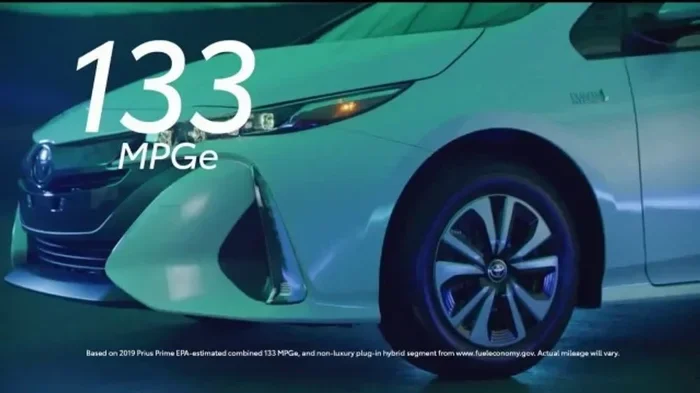
The EPA rates the Toyota Prius at around 57 miles per gallon in the city and 56 on the highway. Real-world numbers from actual Prius owners tend to land in the 50 to 55 mpg range for most driving conditions. Compare that to a regular compact car that gets around 30 to 35 mpg, and the difference is huge.
Let us do a simple example. Say you drive 15,000 miles per year and gas costs $3.50 per gallon. A car that gets 30 mpg will use 500 gallons of gas per year, costing you $1,750. A Prius getting 52 mpg will use only about 288 gallons, costing you $1,008. That is a savings of $742 per year, or $7,420 over ten years.
These fuel savings are the strongest argument for the Prius. They add up fast, especially for drivers who put a lot of miles on the odometer.
Annual Fuel Cost Comparison
| Vehicle | MPG (Combined) | Annual Fuel Cost (15k miles) | 10-Year Fuel Cost |
|---|---|---|---|
| Toyota Prius | 52 mpg | $1,008 | $10,080 |
| Toyota Corolla (Gas) | 32 mpg | $1,641 | $16,410 |
| Honda Civic (Gas) | 33 mpg | $1,576 | $15,760 |
| Hyundai Elantra (Gas) | 33 mpg | $1,576 | $15,760 |
As you can see from the table above, the fuel savings between the Prius and regular compact cars are substantial. Over a decade, the Prius can save you thousands of dollars in fuel costs alone.
Factors That Affect Your Fuel Savings
Not everyone will save the same amount. Your driving habits, commute distance, and local gas prices all play a role. If you mostly drive in the city, the Prius hybrid system really shines because it uses electric power at low speeds. If you mostly drive on the highway at high speeds, the savings are still good but not as dramatic.
Expert Insight: The biggest fuel savings come from drivers who have long commutes in stop-and-go traffic. The Prius electric motor handles city driving beautifully, which is where most regular cars waste the most fuel.
Maintenance and Repair Costs Over Time
Owning any car means dealing with maintenance and repairs. The good news is that the Prius has a reputation for being reliable and relatively inexpensive to maintain. But what does the maintenance look like in practice?
Hybrid vs Gas Engine Maintenance
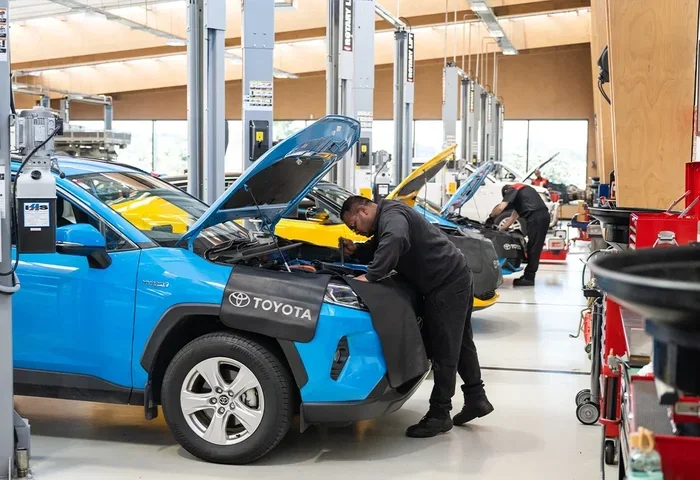
A hybrid engine has fewer moving parts than a traditional gas engine. The electric motor handles a lot of the work, which means less wear on the gas engine components. Brake pads tend to last longer on hybrids because of regenerative braking, which captures energy during deceleration and uses it to recharge the battery.
Regular maintenance items like oil changes, tire rotations, and air filter replacements are similar between a Prius and a regular car. But the hybrid system itself requires very little upkeep. The battery pack is designed to last the lifetime of the car, and the electric motor has almost no moving parts to wear out.
Hybrid Battery Replacement Concerns
The one big worry people have is the hybrid battery. Replacing a Prius battery can cost between $2,000 and $4,000 if it fails outside of warranty. However, Prius batteries are known for lasting a very long time. Many owners report 150,000 to 200,000 miles or more on the original battery pack.
Common Mistake: Do not let the fear of battery replacement scare you away from a Prius. The odds of needing a replacement battery are low, and the cost has come down significantly over the years. Refurbished and remanufactured battery options are also available at lower prices.
Key Takeaway: The Prius maintenance cost is generally lower than a regular car because the hybrid system reduces wear on the engine and brakes. Over a ten-year ownership period, you can expect to spend less on routine maintenance with a Prius.
Tax Credits, Insurance, and Other Hidden Costs
There are several financial factors that people overlook when comparing the Prius to regular cars. Tax credits, insurance rates, and other hidden costs can tip the scales in favor of the hybrid.
Federal and State Tax Incentives
The federal government has offered tax credits for hybrid and electric vehicles in the past. While the full federal credit for the Prius has expired, some states still offer incentives. California, for example, has had clean vehicle rebate programs that can provide hundreds or even thousands of dollars back on a hybrid purchase.
It is always worth checking your state and local incentives before buying. These programs can reduce the effective purchase price and make the Prius more competitive with gas-only models.
How Insurance Costs Compare
Insurance costs for a Prius are generally comparable to a regular car of the same size and class. Some insurance companies offer discounts for hybrid vehicles because they tend to be driven more carefully and have lower theft rates. However, the repair costs for a hybrid can be higher if the bodywork involves the battery system, which may affect your premiums slightly.
Quick Tip: Always get insurance quotes before buying a car. The difference between models can be surprising, and shopping around can save you hundreds of dollars per year.
Other Hidden Ownership Costs
Things like registration fees, depreciation, and financing costs also play a role. Hybrid cars sometimes have slightly higher registration fees in certain states, but the difference is usually minimal. Depreciation for the Prius has been favorable compared to many other cars, which means you lose less value when it is time to sell.
Expert Insight: The total cost of ownership is the real number to watch. When you add up purchase price, fuel, maintenance, insurance, and depreciation, the Prius often wins against comparable gas cars, especially for drivers who put high annual mileage on the odometer.
Resale Value: What Your Prius Is Worth Down the Road
One of the strongest arguments in favor of the Prius is its resale value. Cars lose value over time, but the Prius has proven to hold its value better than many competitors.
Why Prius Models Hold Their Value
The Prius has a loyal fan base and a strong reputation for reliability. Used car buyers know that a Prius will deliver excellent fuel economy and low operating costs. This demand keeps resale prices higher than you might expect for a car that is several years old.
A three-year-old Prius might retain 60 to 65 percent of its original value, which is above average for most cars. A regular compact car of the same age might only retain 50 to 55 percent. Over the life of ownership, this difference in resale value can add up to thousands of dollars.
Key Takeaway: When you factor in resale value, the Prius becomes an even stronger financial choice. The lower depreciation rate means you lose less money when you eventually sell or trade in the car.
The Bottom Line: Does Prius Really Save Money?
So, does Prius really save money compared to regular cars? The answer is a qualified yes. The Prius saves money in fuel costs, maintenance, and resale value. It costs more upfront, but the long-term savings often outweigh that initial price difference.
The biggest winners are drivers who put a lot of miles on the road. If you commute daily or drive long distances frequently, the fuel savings from the Prius hybrid system will add up quickly. For drivers who only use their car occasionally for short trips, the payback period may be longer.
Here is a quick summary of where the Prius wins and where it does not.
- Where the Prius Saves Money: Fuel costs, routine maintenance, brake wear, resale value, and potential tax incentives.
- Where the Prius Costs More: Higher upfront purchase price, potentially higher insurance premiums in some cases, and hybrid battery replacement if needed.
The decision ultimately comes down to your driving habits, budget, and how long you plan to keep the car. If you plan to own a car for ten years or more and drive more than 10,000 miles per year, the Prius is very likely to save you real money. If you prefer a shorter ownership cycle or drive very little, the math may not work as strongly in favor of the hybrid.
One thing is clear: the Prius is not just an eco-friendly choice. It is a smart financial choice for the right driver. The hybrid technology has matured, the costs have come down, and the real-world savings speak for themselves.
Before you make a decision, run your own numbers. Use a fuel savings calculator, factor in your local gas prices, and estimate your annual mileage. The results might surprise you. Does Prius really save money? For many drivers, the answer is a resounding yes.
The bottom line is this: the Prius delivers real financial benefits for drivers who put in the miles. Lower fuel costs, reduced maintenance, strong resale value, and potential tax incentives all work together to make the Prius a smart financial choice. It is not just about saving the planet, it is about saving your wallet too.
Frequently Asked Questions
How long does it take for a Prius to pay for itself compared to a regular car?
The payback period depends on your driving habits and local gas prices. For most drivers who put 12,000 to 15,000 miles per year, the Prius pays for its higher upfront cost within 4 to 6 years through fuel savings alone. If you drive more, that timeline gets even shorter.
Is the Prius expensive to maintain compared to a regular car?
No, the Prius is generally less expensive to maintain. The hybrid system reduces wear on the engine and brakes, and the regenerative braking system extends brake pad life. Routine maintenance costs are similar to a regular car, but long-term repair costs tend to be lower.
Does insurance cost more for a Prius than a regular car?
Insurance costs for a Prius are typically comparable to a regular car of the same class. Some insurers offer hybrid discounts, while others may charge slightly more due to the higher repair costs for hybrid-specific components. It is always best to get multiple quotes.
How long does the Prius hybrid battery last?
Toyota designed the Prius hybrid battery to last the lifetime of the vehicle. Many owners report 150,000 to 200,000 miles or more on the original battery. Replacement batteries are available and have become more affordable over the years, with refurbished options offering even greater savings.
Can I still save money with a Prius if I do not drive a lot?
The savings are smaller if you drive less, but you can still benefit. Even with low annual mileage, the Prius will use less fuel per mile than a regular car. Plus, the strong resale value means you lose less money when you sell. Every bit of fuel saved adds up over time.
Are there tax credits available for buying a Prius?
The federal tax credit for the Prius has expired for current model years. However, some states and local governments still offer incentives for hybrid vehicle purchases. Check with your state energy office or the Department of Energy website to find current programs in your area.
=== CONCLUSION ===
The question of whether does Prius really save money has a clear answer for most drivers: yes. The Toyota Prius delivers meaningful savings on fuel, maintenance, and resale value that more than offset the higher upfront purchase price. For drivers who put in high annual mileage, the financial benefits are even more pronounced.
Hybrid technology has come a long way, and the Prius remains one of the most proven and reliable hybrid vehicles on the road. It is not just an eco-friendly choice, it is a smart financial decision for the right driver. The numbers add up, and the real-world savings are real.
If you are in the market for a fuel efficient car and plan to keep it for many years, the Prius deserves a serious look. Run your own numbers, test drive one, and see for yourself. Does Prius really save money? The evidence strongly suggests it does.