How Do You Verify the Engine Number A Simple Guide
Verifying your engine number is one of the most important steps in owning a vehicle. This simple process helps you confirm your car’s identity, protect against fraud, and keep your paperwork in order. Whether you are buying a used car or just doing routine maintenance, knowing how to find and check the engine number saves time and money. This guide walks you through every step with clear, easy-to-follow instructions.
Have you ever wondered how do you verify the engine number on your car? It might sound like a task only mechanics or car experts need to worry about. But the truth is, every vehicle owner benefits from knowing this simple process.
Your engine number is like a fingerprint for your car’s powertrain. It tells you exactly where the engine came from, when it was manufactured, and whether it matches the rest of the vehicle. Whether you are buying a used car, selling yours, or just keeping your records in order, verifying the engine number is a smart move.
This guide breaks everything down into easy steps. You will learn where to find the engine number, how to cross-check it with the vehicle identification number, and what to do if something does not add up. No mechanical degree required. Just a little patience and the right information.
Key Takeaways
- Know Your Engine Number Location: The engine number is typically found on the engine block, but the exact spot varies by vehicle make and model.
- Always Cross-Check with the VIN: Matching the engine number with the vehicle identification number confirms authenticity and prevents fraud.
- Use Online Tools for Quick Verification: VIN decoders and vehicle history reports make the process faster and more reliable.
- Keep Records Safe: Storing photos and copies of your engine number protects you during sales, insurance claims, or inspections.
- Act Fast If Numbers Don’t Match: A mismatch could signal a counterfeit engine, title fraud, or a previous engine swap that needs investigation.
- Regular Verification Helps Maintenance: Tracking your engine number over time supports better service records and resale value.
📑 Table of Contents
- What Is an Engine Number and Why Does It Matter?
- Where to Find the Engine Number on Your Vehicle
- Step-by-Step Process to Verify the Engine Number
- Common Reasons to Verify the Engine Number
- What to Do If the Engine Number Does Not Match
- Tips for Keeping Your Engine Number Records Safe
- Quick Tips for Engine Number Verification
- Expert Insight: Why Mechanics Recommend Engine Number Verification
- Key Takeaways
- Conclusion
What Is an Engine Number and Why Does It Matter?
Every engine produced in the world carries a unique identifier called the engine number. Think of it as the engine’s birth certificate. This number contains specific codes that reveal the engine type, manufacturing date, and the factory where it was built.
The engine number is different from the vehicle identification number, which belongs to the entire car. However, both numbers are linked. When they match correctly, it confirms that the engine installed in the vehicle is the original one. This connection matters for many reasons.
Why Engine Number Verification Is Important
Verifying the engine number protects you in several real-world situations. Let us look at why this small step carries so much weight.
- Prevents Fraud: Scammers sometimes swap engines or alter identification numbers to hide a vehicle’s true history. Checking the engine number helps you spot these tricks early.
- Confirms Ownership: During a sale or insurance claim, proving the engine matches the vehicle adds a layer of security and trust.
- Supports Warranty Claims: Manufacturers use the engine number to validate warranty coverage. A mismatched number can void your warranty entirely.
- Helps with Inspections: Many regions require vehicle inspections that include engine number verification. Having accurate records makes this process smooth.
- Tracks Maintenance History: Knowing the exact engine number helps mechanics and dealerships pull the right service records for your specific powertrain.
Simply put, the engine number is one of the most overlooked yet valuable pieces of information any car owner can have. Taking a few minutes to verify it can save you from expensive headaches down the road.
Where to Find the Engine Number on Your Vehicle
Finding the engine number is the first step in the verification process. The location varies depending on the car manufacturer, model, and year. But do not worry. Most vehicles follow a few common patterns.
Common Engine Number Locations
Here are the most typical spots where you will find the engine number stamped or engraved on your vehicle:
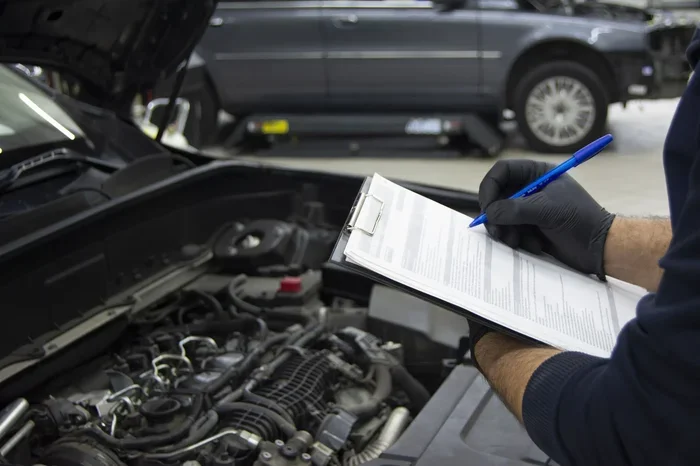
- Engine Block: This is the most common location. The number is usually stamped directly onto the metal of the engine block, often near the cylinder head or on the flat surface facing the firewall.
- Engine Mount Area: Some manufacturers stamp the engine number on the engine mounting bracket or the area where the engine connects to the vehicle chassis.
- Under the Hood Sticker: Certain vehicles, especially older models, have a sticker or plate attached to the inner fender or hood support that displays the engine code.
- Vehicle Documentation: The engine number is also listed on the vehicle registration certificate, service records, and sometimes the original purchase invoice.
Tips for Locating the Engine Number
If you are having trouble finding the engine number, try these practical tips.
- Check the Owner’s Manual: Most manuals include a diagram showing the exact engine number location for your specific model.
- Look for a Metal Plate: Some vehicles have an aluminum or steel plate bolted to the engine block with the number stamped on it.
- Clean the Area First: Dirt and grease can hide the stamp. Wipe the engine block with a cloth before searching.
- Use a Flashlight: The stamp is often small and in a hard-to-see spot. A bright flashlight or phone light helps a lot.
- Check Both Sides: The number might be on the front, back, or side of the engine block. Look around carefully.
Once you locate the engine number, write it down or take a clear photo. This makes the next steps much easier and faster.
Step-by-Step Process to Verify the Engine Number
Now that you have the engine number in hand, it is time to verify it. The process is straightforward, and anyone can do it with the right approach.
Step 1: Gather Your Vehicle Documents
Before you start the actual verification, collect all relevant documents. You will need the vehicle registration, the title or ownership certificate, and any service records you have on hand. These documents contain the official engine number and VIN that you will compare against.
If you are buying a used car, ask the seller for the registration and service history. A seller who hesitates to provide these documents is a red flag worth investigating.
Step 2: Match the Engine Number with the VIN
The vehicle identification number is the 17-character code found on the dashboard, door jamb, and title. Every character in the VIN encodes specific details about the vehicle, including the engine type.
To verify the engine number against the VIN, follow these steps:
- Locate the engine number on the engine block.
- Find the VIN on the dashboard or door jamb sticker.
- Use a free online VIN decoder to check what engine type the VIN indicates.
- Compare the decoded engine information with the actual engine number you found.
- If the details align, you have a match. If they do not, dig deeper.
Many websites offer free VIN decoder tools. Simply enter the VIN, and the tool will return the engine type, manufacturing year, and other key details. This gives you a quick baseline to work from.
Step 3: Contact the Manufacturer or Dealership
When the online tools are not enough, reach out directly to the vehicle manufacturer or an authorized dealership. They can confirm the engine number against their internal databases using the VIN.
Have your documents ready when you contact them. The more information you provide, the faster they can help you confirm the engine number.
Step 4: Get a Vehicle History Report
A vehicle history report is one of the most powerful tools for engine number verification. Services like Carfax, AutoCheck, and similar platforms pull data from multiple sources to create a comprehensive history of the vehicle.
The report will show you:
- The engine type and number recorded at the time of manufacture
- Any recorded engine swaps or replacements
- Previous ownership records that may reveal inconsistencies
- Accident history that could indicate engine replacement
- Title branding that signals potential problems
Running a vehicle history report takes just a few minutes and costs a small fee. For the peace of mind it provides, it is well worth the investment.
Common Reasons to Verify the Engine Number
You might be wondering when exactly you need to verify the engine number. The truth is, there are several everyday situations where this check becomes essential.
Buying a Used Vehicle
This is the most critical time to verify the engine number. When you buy a used car, you want to be sure the engine is original and has not been replaced with a damaged or stolen unit. A mismatch between the engine number and the VIN could mean the vehicle has a counterfeit engine or a hidden history of damage.
Always verify the engine number during your pre-purchase inspection. It is one of the simplest yet most effective ways to protect your investment.
Selling Your Vehicle
If you are selling a car, having a verified engine number builds buyer confidence. It shows transparency and professionalism. Buyers are more likely to trust a seller who can provide documentation proving the engine matches the vehicle.
Insurance Claims and Registration
Insurance companies and registration authorities sometimes require engine number verification. This is especially true after a major repair or engine replacement. Keeping your engine number verified and documented makes these processes much smoother.
Importing or Exporting a Vehicle
Cross-border vehicle transactions involve strict verification requirements. Customs officials need to confirm that the engine number matches the vehicle documentation. Having a verified engine number ready prevents delays and complications at the border.
What to Do If the Engine Number Does Not Match
Discovering a mismatch between the engine number and the VIN can be unsettling. But staying calm and taking the right steps is crucial.
Possible Reasons for a Mismatch
Not all mismatches are cause for alarm. Here are some common reasons the numbers might not align:
- Engine Swap: The previous owner replaced the engine with a different one but did not update the registration documents.
- Rebuilt Engine: Some rebuilt engines receive new identification numbers, which can cause a discrepancy with the original records.
- Documentation Error: Typos or clerical errors in the vehicle paperwork can create a false mismatch.
- Aftermarket Modifications: Performance upgrades or engine swaps for racing purposes sometimes result in unrecorded changes.
- Fraud or Theft: In the worst case, a mismatch could indicate a stolen engine or intentional misrepresentation of the vehicle.
Steps to Take When You Find a Mismatch
- Double-Check Your Records: Make sure you are comparing the correct numbers. A simple transposition error can look like a serious problem.
- Contact the Seller or Previous Owner: Ask for an explanation. A legitimate owner should have no problem clarifying the situation.
- Consult a Trusted Mechanic: A professional mechanic can help determine whether the engine is original or has been replaced.
- Run an Extended Vehicle History Report: This may reveal if the engine swap was recorded or if there are red flags in the vehicle’s past.
- Contact Your Local DMV or Transport Authority: They can guide you on what to do if the mismatch raises legal or registration concerns.
Ignoring a mismatch is never a good idea. Even if the explanation turns out to be harmless, confirming the details protects you from future legal or financial issues.
Tips for Keeping Your Engine Number Records Safe
Once you have verified the engine number, the next step is keeping that information secure and accessible. Good record-keeping habits make life easier in many situations.
Best Practices for Engine Number Record-Keeping
- Take Clear Photos: Photograph the engine number and store the images in a cloud folder. This ensures you always have a backup even if physical documents are lost.
- Save Digital Copies: Scan all vehicle documents and store them in a secure digital format. Use a reputable cloud storage service for easy access from anywhere.
- Update After Every Service: Ask your mechanic to note the engine number in the service record each time your vehicle receives maintenance.
- Keep Physical Copies in a Safe Place: Store paper copies of your registration and engine number in a fireproof safe or a secure filing cabinet at home.
- Share with Trusted Contacts: Let a family member or trusted friend know where your engine number records are stored. This helps in emergencies.
These small habits add up over time. When you need to verify the engine number quickly, having organized records makes all the difference.
How Often Should You Verify the Engine Number?
There is no strict rule on how often to verify the engine number. However, checking it during these key moments is a smart practice:
- When purchasing a vehicle, whether new or used
- After any major engine repair or replacement
- Before selling or transferring ownership
- During annual registration or inspection renewal
- After any accident that could have affected the engine bay
Verifying the engine number regularly gives you confidence that your vehicle records are accurate and up to date.
Quick Tips for Engine Number Verification
- Always verify the engine number in good lighting to avoid reading errors.
- Use the VIN decoder tool recommended by your vehicle manufacturer for the most accurate results.
- Compare the engine number format with the manufacturer’s standard to spot forgeries.
- Keep a notebook with your vehicle’s key numbers in the glove box for quick reference.
- When in doubt, trust a professional inspection over a quick online check.
- Never rely solely on the seller’s word. Always verify independently.
Expert Insight: Why Mechanics Recommend Engine Number Verification
Experienced mechanics and automotive professionals consistently recommend engine number verification as a standard practice. According to industry experts, the engine number is one of the easiest ways to confirm a vehicle’s authenticity without expensive diagnostic equipment.
“The engine number tells a story about the vehicle,” says automotive inspector Mark Donovan. “When that story does not match the paperwork, it is a warning sign that deserves attention. A simple verification can prevent thousands of dollars in unexpected repairs or legal troubles.”
Many certified mechanics include engine number verification as part of their standard pre-purchase inspection package. If you are unsure about the process, hiring a professional for a one-time check is a worthwhile investment.
Key Takeaways
- Engine Number Verification Is Essential: It protects you from fraud, confirms authenticity, and supports warranty and insurance claims.
- Location Varies by Vehicle: Check the engine block, mounting bracket, and vehicle documentation to find the number.
- Cross-Check with the VIN: Matching the engine number to the vehicle identification number is the core verification step.
- Use Online Tools and Reports: VIN decoders and vehicle history reports make verification faster and more thorough.
- Act on Mismatches Immediately: A mismatch could signal a simple documentation error or a serious fraud concern.
- Keep Records Organized: Photos, digital copies, and regular updates to your records save time and stress later.
- Verify at Key Moments: Buying, selling, insuring, or registering your vehicle are the best times to confirm the engine number.
Conclusion
Verifying your engine number might seem like a small detail, but it carries enormous importance. It is one of the simplest ways to protect yourself from fraud, confirm your vehicle’s identity, and keep your ownership records accurate.
Now you know how do you verify the engine number. You have the tools to find the number, cross-check it with the VIN, and take action if something does not look right. Whether you are a first-time car buyer or a seasoned vehicle owner, this knowledge adds real value to your car ownership experience.
Take a few minutes today to locate your engine number and verify it against your documents. It is a small effort that pays off in confidence, security, and peace of mind. Your vehicle has a unique story told through its engine number. Make sure that story matches the truth.
Frequently Asked Questions
Can I verify the engine number online for free?
Yes, many websites offer free VIN decoder tools that help you cross-check the engine number with the vehicle identification number. While these tools provide a good starting point, they may not capture every detail. For a thorough verification, consider running a full vehicle history report or contacting the manufacturer directly.
What does the engine number tell you about a vehicle?
The engine number reveals the engine type, manufacturing date, and the factory where it was produced. It also helps confirm whether the engine is original to the vehicle or has been replaced at some point. This information is valuable for maintenance, resale, and fraud prevention.
Is it legal to change an engine number?
In most countries, altering or removing an engine number is illegal and considered fraud. Vehicle identification numbers and engine numbers are protected by law because they serve as proof of ownership and authenticity. If you need an engine replacement, the new engine should be properly documented and registered.
How long does it take to verify an engine number?
The process can take as little as 15 to 30 minutes if you have your documents ready and use online tools. If you need to contact the manufacturer or run a vehicle history report, it may take a bit longer. The key is to be thorough rather than rushed.
Does every vehicle have an engine number?
Yes, virtually every road-legal vehicle has an engine number. It is a standard requirement for manufacturing and registration purposes. Even electric vehicles have unique identifiers for their powertrain systems, though the location and format may differ from traditional combustion engines.
What should I do if I cannot find the engine number?
If you cannot locate the engine number, start by consulting your owner’s manual. You can also contact the vehicle manufacturer or visit a dealership with your VIN. In some cases, a mechanic can help locate the number using specialized tools or manufacturer databases.