How Do You Get a Stuck Key Out of the Ignition Easily
A stuck key in the ignition is a frustrating problem, but it happens to almost every driver at some point. The most common causes include a locked steering wheel, a worn key, or the gear selector not being in Park. This guide walks you through easy, safe methods to remove a stuck ignition key without damaging your car. You will also learn prevention tips and when to call a professional locksmith for help.
You turn the key to off, pull it out, and… nothing. The key is stuck. You push. You wiggle. You tug. But it just will not budge. If you have ever faced this situation, you are not alone. A stuck key in the ignition is one of the most common car problems drivers deal with. The good news? It is usually an easy fix that you can handle yourself at home.
This article will show you exactly how to get a stuck key out of the ignition safely and quickly. We will cover the reasons it happens, proven removal methods, common mistakes to avoid, and tips to stop it from happening again. Whether your car key is stuck because of a steering wheel lock or a worn key, we have got you covered.
Key Takeaways
- Steering wheel lock is the #1 reason keys get stuck in the ignition cylinder.
- Always make sure your gear selector is fully in Park before turning the key off.
- Never force a stuck key out — it can snap inside the ignition lock cylinder.
- Simple tricks like wiggling the steering wheel while pulling the key work in most cases.
- Worn or damaged keys are a leading cause of key jam and should be replaced early.
- Call a locksmith if basic methods fail — forcing it can cause expensive damage.
- Regular maintenance and key care can prevent future ignition problems entirely.
📑 Table of Contents
- Why Does a Key Get Stuck in the Ignition?
- Step-by-Step Guide to Remove a Stuck Key from the Ignition
- Common Mistakes People Make When a Key Gets Stuck
- When to Call a Professional Locksmith
- How to Prevent a Stuck Key in the Future
- Comparison Table: Common Causes and Solutions
- Expert Insights on Ignition Key Problems
- Key Takeaways
- Conclusion
Why Does a Key Get Stuck in the Ignition?
Understanding the root cause is the first step to fixing the problem. Different situations lead to a stuck ignition key, and each has a simple solution. Here are the most common reasons your key might be jammed.
Steering Wheel Lock Engagement
This is the number one reason keys get stuck. When you turn off your car and turn the steering wheel slightly, the steering lock mechanism engages. It locks the ignition cylinder in place, which traps the key. This is a security feature, but it can feel like a nightmare when you are standing in the parking lot.
The good news is that this is the easiest fix. Simply wiggle the steering wheel left and right while gently pulling the key. The lock will release, and the key will come out smoothly. This happens more often than you might think, and it does not mean anything is broken.
Gear Selector Not in Park
Most automatic cars will not let you remove the key unless the gear selector is fully in Park. If the gear is even slightly in Neutral or Drive, the ignition lock will hold the key in place. This is a safety feature designed to prevent the car from rolling.
To fix this, push the gear selector firmly into Park. You should feel and hear a clear click. Then try removing the key again. If your car has a release button on the gear selector, make sure you press it while shifting into Park.
Worn or Damaged Key
Over time, keys wear down. The ridges on your key become smooth, and the key no longer aligns properly with the ignition lock cylinder. A worn key can bind inside the cylinder, making removal very difficult. If your key is old, bent, or has visible damage, this could be the culprit.
Keys that have been copied many times are especially prone to this problem. Each copy is slightly less precise than the original. Eventually, the key becomes too worn to work smoothly in the ignition barrel. This is a clear sign that it is time for a key replacement.
Debris or Dirt Inside the Lock
Dust, lint, pocket crumbs, and other tiny particles can build up inside the ignition lock over time. This debris interferes with the lock mechanism, causing the key to stick. Cars that are frequently driven in dusty or dirty conditions are more susceptible to this problem.
A quick fix is to spray a small amount of compressed air or electrical contact cleaner into the ignition cylinder. This can dislodge debris and allow the key to move freely again. Avoid using oil-based lubricants, as they can attract more dirt and make the problem worse over time.
Faulty Ignition Switch or Cylinder
In some cases, the problem is mechanical. The ignition switch or the cylinder itself may be worn or damaged. This is more common in older vehicles or cars with high mileage. A faulty ignition cylinder can cause the key to feel jammed even when the steering wheel is unlocked and the gear is in Park.
If you suspect a mechanical issue, it is best to consult a professional. Forcing the key out in this situation can break it inside the cylinder, which leads to a much more expensive repair. A locksmith can diagnose the problem and recommend the right solution.
Step-by-Step Guide to Remove a Stuck Key from the Ignition
Now that you know why keys get stuck, let us walk through the removal process. Follow these steps carefully, and you should be able to free your key without any damage.
Step 1: Make Sure the Car Is Completely Off
Before you do anything, confirm that your car is fully turned off. The dashboard lights should be off, and the engine should not be running. Some cars have an accessory mode that still allows the key to turn slightly. Make sure you are in the full off position.
Step 2: Check the Gear Selector
Push the gear selector firmly into Park. Listen for the click. If your car has a push-button release on the gear shifter, use it. This alone resolves the issue in many cases. Try wiggling the shifter slightly while pushing it into Park to ensure it is fully engaged.
Step 3: Wiggle the Steering Wheel
This is the most effective trick for a steering wheel lock. Grab the steering wheel and wiggle it left and right firmly while simultaneously pulling the key out. You should feel the lock release. The key should slide out with minimal effort once the lock disengages.
Step 4: Gently Jiggle the Key
While pulling the key out, gently jiggle it up and down and side to side. Do not yank it. A gentle, rocking motion can help a worn key release from the ignition cylinder. If the key feels loose or sloppy, it may be worn and needs replacement.
Step 5: Try a Spare Key
If your original key is damaged or worn, try using a spare key. A fresh key with clean ridges will often slide out of a stuck ignition key situation much more easily. If the spare key works, you have confirmed that the original key is the problem and needs to be replaced.
Step 6: Use a Lubricant (If Needed)
If the key still feels stiff, apply a small amount of dry graphite lubricant to the key blade. Insert it partway into the cylinder, wiggle it around, and then try removing it again. Graphite is ideal because it does not attract dust or gum up the lock mechanism. Avoid WD-40 for long-term use, as it can leave a sticky residue.
Quick Tips for Stubborn Keys
- Never use pliers or excessive force to pull the key. You risk breaking it inside the cylinder.
- Stay calm. Panic leads to forced pulls, which make the problem worse.
- If the key feels like it is going to break, stop immediately and try a different approach.
- Keep a spare key in a safe place at home, not in the car, to avoid this exact situation.
Common Mistakes People Make When a Key Gets Stuck
When you are frustrated and your key is stuck, it is easy to make mistakes. Here are the errors that make the problem worse and should be avoided at all costs.
Forcing the Key Out
This is the biggest mistake drivers make. Yanking on a stuck key can snap it inside the ignition lock cylinder. A broken key inside the cylinder is a much bigger problem than a stuck key. It requires professional extraction and often a full cylinder replacement. Always be gentle and patient.
Using the Wrong Lubricant
Some people reach for household oils or grease to loosen a stuck key. These products attract dirt and dust, which clogs the lock mechanism even more over time. Stick to dry graphite lubricant or electrical contact cleaner. They are designed for locks and ignition cylinders.
Ignoring the Steering Wheel Lock
Many people try every trick except the obvious one — wiggling the steering wheel. The steering wheel lock is the most common cause of a stuck key, yet it is the simplest to fix. Always address this first before trying anything else.
Shaking the Car Vigorously
Some drivers think rocking the car back and forth will help release the key. This does not work and can be dangerous if the car is in gear. Never shake or move the car while trying to remove a stuck key.
Using a Screwdriver or Sharp Object
It might be tempting to use a flathead screwdriver or a pin to pry the key out. This almost always causes damage to the ignition cylinder. The cost of repairing a damaged cylinder far exceeds the cost of a simple locksmith visit or a new key.
When to Call a Professional Locksmith
Most stuck key situations can be resolved at home using the methods above. However, there are times when professional help is the right call. Knowing when to stop trying and call a locksmith can save you time, money, and further damage to your car.
Signs You Need Professional Help
- The key is visibly broken inside the ignition cylinder.
- The key feels stuck and none of the above methods work after several attempts.
- Your ignition switch feels loose or wobbly when you turn the key.
- The car will not start even after removing and reinserting the key.
- You notice the ignition barrel is damaged or misaligned.
What a Locksmith Can Do
A professional locksmith has specialized tools for key extraction and ignition repair. They can remove a broken key from the cylinder without damaging the lock. They can also assess whether the ignition switch or cylinder needs replacement. Many locksmiths offer mobile services and can come to your location, which is incredibly convenient when you are stranded.
The cost of a locksmith visit is typically much lower than a dealership repair. A simple key extraction might cost between $50 and $150, while an ignition cylinder replacement could run $200 to $400 depending on your vehicle. Always get a quote before authorizing any work.
How to Prevent a Stuck Key in the Future
Prevention is always better than cure. A few simple habits can keep your ignition lock working smoothly for years to come. Here are the best ways to prevent a key jam from happening again.
Replace Worn Keys Promptly
Do not wait until a key breaks to replace it. If your key looks worn, feels loose, or is hard to turn, get a new one made. A fresh key slides into the ignition cylinder smoothly and reduces the risk of sticking. Most key replacements cost between $10 and $50 at a hardware store or locksmith.
Keep the Ignition Clean
Dirt and debris are the enemies of your ignition lock. Periodically clean the keyhole with compressed air or a cotton swab. Avoid eating or drinking near the ignition, as crumbs can fall inside the cylinder. A clean lock mechanism operates smoothly and lasts longer.
Always Shift to Park Before Turning Off
Make it a habit to fully engage Park before turning the key off. This simple habit prevents many key removal problems. Some drivers shift to Park but do not push the selector far enough. A firm push until you hear the click is all it takes.
Use the Right Key for Your Vehicle
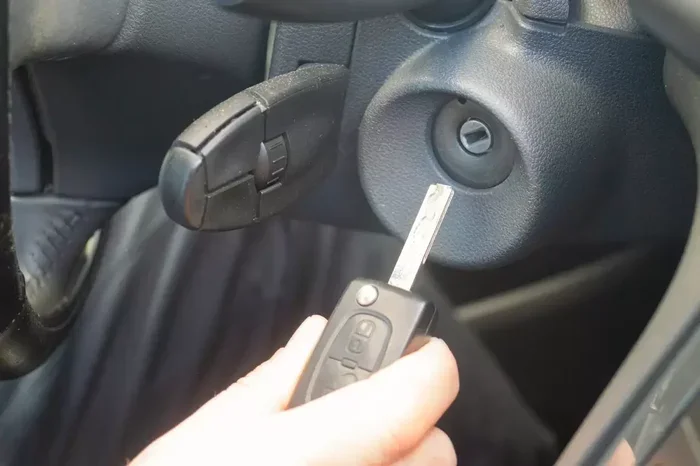
Never use a key that does not match your vehicle. A wrong key can damage the lock mechanism and get stuck. If you have a key fob with a physical key backup, make sure you are using the correct blade. Modern key fob systems are more sensitive to incorrect key use than traditional locks.
Apply Graphite Lubricant Regularly
A small amount of dry graphite lubricant applied to your key blade every few months keeps the ignition cylinder working smoothly. This is a simple maintenance step that prevents sticking and extends the life of your lock. Just insert the key partway, apply a small amount, and work it in and out a few times.
Address Issues Early
If you notice your key becoming harder to turn or remove, address it immediately. Early intervention prevents a minor annoyance from becoming a major problem. A slight stiffness today can become a fully stuck key tomorrow if left unchecked.
Comparison Table: Common Causes and Solutions
Here is a quick reference table to help you identify the cause and the best solution for your situation.
| Cause | Symptom | Solution |
|---|---|---|
| Steering wheel lock | Key will not move at all | Wiggle steering wheel while pulling key |
| Gear not in Park | Key feels stuck even when car is off | Push gear selector firmly into Park |
| Worn key | Key is hard to turn and remove | Replace the key with a new one |
| Debris in lock | Key feels gritty or stiff | Clean with compressed air or contact cleaner |
| Faulty ignition cylinder | Key sticks even after all other fixes | Call a professional locksmith |
| Broken key in cylinder | Part of the key is visible, part is stuck | Do not attempt removal — call a locksmith |
Expert Insights on Ignition Key Problems
Automotive professionals see stuck keys in the ignition almost every day. Here are some expert insights that can help you handle the situation better.
According to experienced locksmiths, the steering wheel lock is responsible for over 70% of stuck key incidents. The fix is almost always the same: wiggle the wheel and pull gently. Ignition cylinder wear is the second most common cause, especially in vehicles with over 100,000 miles on the odometer.
Many drivers do not realize that extreme temperatures can also affect their ignition lock. Cold weather can cause the metal components to contract, making a slightly worn key stick. In hot weather, the lubricant inside the cylinder can thin out and lose its effectiveness. Being aware of these factors helps you take preventive action.
Experts also recommend keeping your key in good physical condition. Keys that have been in your wallet for years absorb pressure and become misshapen. A bent key will not align properly with the ignition lock cylinder and is more likely to get stuck. Consider having a dedicated key ring or hook at home to keep your keys in good shape.
Key Takeaways
- Steering wheel lock is the #1 reason keys get stuck in the ignition cylinder.
- Always make sure your gear selector is fully in Park before turning the key off.
- Never force a stuck key out — it can snap inside the ignition lock cylinder.
- Simple tricks like wiggling the steering wheel while pulling the key work in most cases.
- Worn or damaged keys are a leading cause of key jam and should be replaced early.
- Call a locksmith if basic methods fail — forcing it can cause expensive damage.
- Regular maintenance and key care can prevent future ignition problems entirely.
Conclusion
A stuck key in the ignition is frustrating, but it is almost always a solvable problem. The most common causes are steering wheel lock engagement, the gear selector not being in Park, or a worn key. With the right approach, you can remove the key safely at home without calling a mechanic.
Remember to stay calm and avoid forcing the key. Follow the step-by-step methods in this guide, and you will free your stuck ignition key in most cases. If the key is broken or none of the methods work, a professional locksmith is your best bet for a safe and effective solution.
Prevention is the ultimate fix. Keep your keys in good condition, clean your ignition regularly, and replace worn keys before they cause problems. These simple habits will save you time, money, and a lot of frustration in the long run. Now you have the knowledge to handle this situation confidently the next time it happens.
Frequently Asked Questions
Why is my key stuck in the ignition when the steering wheel is locked?
The steering wheel lock engages when you turn off the car and move the wheel slightly. This locks the ignition cylinder and traps the key. To fix this, wiggle the steering wheel left and right while gently pulling the key out. The lock will release and the key should come out easily.
Can a dead car battery cause the key to get stuck in the ignition?
In some vehicles with push-button start or electronic ignition switches, a dead battery can prevent the key from being removed. If your car uses a key fob system, a low battery might interfere with the signal. However, for traditional key ignition systems, a dead battery does not usually cause key removal problems.
What should I do if the key breaks off inside the ignition cylinder?
Do not try to extract the broken piece yourself with tweezers or pins. This can push the fragment deeper and cause more damage. Instead, call a professional locksmith or take your car to a mechanic. They have specialized tools to remove broken key fragments safely.
Is it safe to use WD-40 on a stuck ignition key?
WD-40 is not recommended for long-term use in ignition cylinders. It can attract dust and leave a sticky residue that worsens the problem over time. Use dry graphite lubricant instead, which is specifically designed for locks and does not attract debris.
How much does it cost to fix a stuck ignition key?
If you can remove the key yourself using the methods in this guide, the cost is zero. If you need a locksmith for key extraction, expect to pay between $50 and $150. Ignition cylinder replacement typically costs between $200 and $400, depending on your vehicle model and location.
Can a worn key cause the ignition lock to break?
Yes, a severely worn key can damage the ignition lock cylinder over time. When the key ridges are too smooth, they do not engage the internal pins properly. This causes excessive wear on the cylinder mechanism. Replacing a worn key early can prevent more expensive ignition damage later.