What Makes a Car Street Legal Everything You Need to Know
What Makes a Car Street Legal is a question every driver should know the answer to. Your vehicle must meet federal and state safety equipment rules, pass emissions testing, and carry proper registration and insurance. This guide breaks down every requirement so you can stay compliant and confident on the road.
Driving down the highway feels amazing until you see flashing lights in your rearview mirror. One of the biggest questions car owners face is what makes a car street legal. The answer is more involved than most people think. Every state has specific rules about what vehicles can legally hit the road. These rules cover everything from safety gear to paperwork. If your car is missing a required piece of equipment, you could face a fine or even get your vehicle impounded.
Understanding what makes a car street legal helps you avoid costly mistakes. It also keeps you and other drivers safe on the road. Whether you drive a brand-new sedan or a modified classic, the rules apply to you. This guide breaks down every major requirement in simple terms. You will learn about safety equipment, emissions standards, registration, and common modifications that can cause problems.
By the end of this article, you will know exactly what to check before hitting the road. We will cover the basics and the details that many drivers overlook. Let us dive into everything you need to know about keeping your car compliant and road-ready.
Key Takeaways
- Safety Equipment Is Non-Negotiable: Working headlights, brake lights, turn signals, side mirrors, a horn, windshield wipers, and seat belts are all required for a car to be street legal.
- Emissions Standards Vary by Location: Many states require periodic emissions testing, and a functioning catalytic converter is a federal requirement across the country.
- Paperwork Matters Just as Much as Hardware: Vehicle registration, insurance coverage, and a valid inspection sticker must be current and in your possession while driving.
- Modifications Can Easily Push a Car Out of Compliance: Exhaust changes, suspension lowering, window tint, and engine swaps all have legal limits you must respect.
- State Regulations Differ Significantly: What is legal in one state may not be legal in another, so always check your local DMV for the latest rules.
- Regular Maintenance Prevents Surprises: A simple monthly checklist of lights, tires, mirrors, and documentation keeps your car road-ready year-round.
📑 Table of Contents
- What Does Street Legal Actually Mean?
- Safety Equipment Requirements for Street Legal Cars
- Emissions and Environmental Standards
- Registration, Insurance, and Documentation
- Modifications That Can Make a Car Illegal
- State-by-State Differences in Street Legal Rules
- How to Make Sure Your Car Stays Street Legal
- Conclusion
What Does Street Legal Actually Mean?
The term street legal means your vehicle meets all government requirements for use on public roads. These rules exist at the federal, state, and local levels. The goal is simple. Every car on the road should be safe for the driver, passengers, and everyone else. A vehicle that is not street legal can get you pulled over, fined, or worse.
Understanding the Basics
At its core, being street legal means your car can pass a safety and emissions check. Federal rules set the baseline. These are called Federal Motor Vehicle Safety Standards, or FMVSS. States then add their own rules on top of that. This means what is legal in one state might not be legal in another. Always check your local Department of Motor Vehicles, or DMV, for the latest requirements.
The street legal requirements cover three main areas. First, your car must have proper safety equipment. Second, it must meet emissions standards. Third, you need the right paperwork, including registration and insurance. Missing any one of these can put you on the wrong side of the law.
Why It Matters More Than You Think
Some people think street legal rules are just red tape. That is far from the truth. These rules exist to protect lives. A car without working brake lights or proper mirrors is a danger to everyone on the road. Emissions rules help keep the air clean for entire communities. Taking these requirements seriously is not just about avoiding tickets. It is about being a responsible driver who cares about public safety.
Safety Equipment Requirements for Street Legal Cars
Every vehicle on public roads needs certain safety equipment. These items are not optional. They are the bare minimum to keep you and others safe. Let us look at the key pieces of safety equipment your car must have.
Lighting and Visibility
Your car needs to be visible to other drivers at all times. This means working headlights, both high and low beams. You also need functional taillights and brake lights. Turn signals on the front and rear are essential. Side mirrors give you a clear view of traffic beside and behind you. A working horn is another must-have item on any street legal vehicle.
Many drivers do not realize that cracked headlights or burnt-out bulbs can get you pulled over. Replace them promptly. Headlights and taillights are among the most common reasons cars fail inspections. Keep a spare set of bulbs in your trunk. It is a small habit that saves a lot of headaches. Also, make sure your side mirrors are securely mounted and not cracked or missing. Driving without proper mirrors limits your visibility and creates a serious safety hazard.
Braking and Steering Systems
Your brakes are the most important safety feature on any car. All brakes, including the parking brake, must work properly. The steering system needs to respond smoothly with no excessive play. If either system feels off, get it checked right away. Driving with faulty brakes is not just illegal. It is extremely dangerous for everyone on the road.
Structural and Glass Requirements
Your windshield must be intact and free of large cracks that block your view. Windshield wipers need to work properly and clear the glass effectively, especially during rain or snow. The car frame must be in good condition with no major rust or damage that affects structural integrity. Every passenger vehicle must have functioning seat belts for all seating positions. These requirements might seem obvious, but they are often overlooked during modifications and repairs.
Quick Tip: Walk around your car once a month and check every light, mirror, and wiper blade. This five-minute habit catches small problems before they become big ones. A DOT approved tires set with adequate tread depth is also critical for safe stopping and handling in all weather conditions.
Emissions and Environmental Standards
Clean air is a priority in most states. That is why emissions testing is a standard part of vehicle registration in many areas. Your car must meet specific emissions standards to be considered street legal.
What Gets Tested
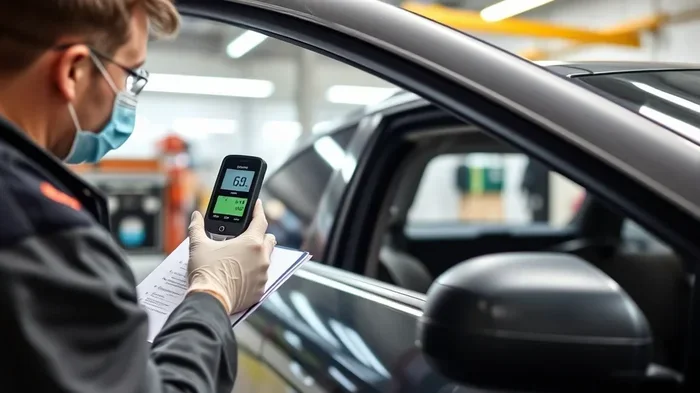
During an emissions testing session, inspectors check the levels of pollutants coming from your exhaust. The main culprits are carbon monoxide, hydrocarbons, and nitrogen oxides. A properly functioning catalytic converter plays a huge role in reducing these emissions. If your check engine light is on, your car will likely fail the test. Even a loose gas cap can trigger a failure in some testing environments.
The type of test varies by location. Some areas use a tailpipe gas analyzer. Others use an onboard diagnostics, or OBD-II, scan. Older cars might need a visible smoke test. Knowing what to expect helps you prepare and pass with confidence. Being informed about the car inspection process removes a lot of the stress and guesswork.
How to Pass Emissions Testing
Regular maintenance is the best way to ensure your car passes. Keep up with oil changes and spark plug replacements. Use the recommended fuel grade for your vehicle. If your car is running rich or lean, have a mechanic diagnose the issue early. A well-maintained engine produces fewer pollutants and runs more efficiently.
Quick Tip: Get a pre-test inspection before your official car inspection appointment. Many shops offer this for a small fee. It can save you from a failed test and the hassle of retesting. This is especially important if you have made any recent changes to your exhaust or engine.
Registration, Insurance, and Documentation
Having a safe and clean-running car is only half the battle. You also need the right paperwork. Without proper documentation, even a perfectly maintained vehicle is not street legal.
Vehicle Registration Steps
Every car on the road needs to be registered with the state. Registration proves your vehicle has passed required inspections and meets safety standards. You will need your VIN number, which is the unique identifier for your car. This number is found on the dashboard near the windshield and on the driver-side door frame.
The registration process typically involves visiting your local DMV or equivalent agency. Bring proof of ownership, such as a title or bill of sale. You will also need proof of insurance and a passing inspection certificate. Registration renewal must be done periodically, usually every one to two years depending on your state. Keep track of your renewal dates so you never drive with an expired sticker.
Insurance You Cannot Skip
Almost every state requires some form of insurance coverage for vehicles on public roads. Minimum coverage amounts vary, but most states require liability insurance. This covers damages or injuries you might cause to others in an accident. Some states also require personal injury protection or uninsured motorist coverage.
Driving without insurance is one of the fastest ways to get your car impounded. It can also lead to license suspension and heavy fines. Always carry proof of insurance in your vehicle. Digital copies on your phone work in most states, but keeping a physical copy in the glove box does not hurt. Having the right insurance coverage protects you financially and keeps you on the right side of the law.
Modifications That Can Make a Car Illegal
Car enthusiasts love to modify their vehicles. But not all mods are street legal. Some changes can put your entire vehicle out of compliance. Understanding these rules helps you enjoy your build without running into legal trouble.
Exhaust and Engine Changes
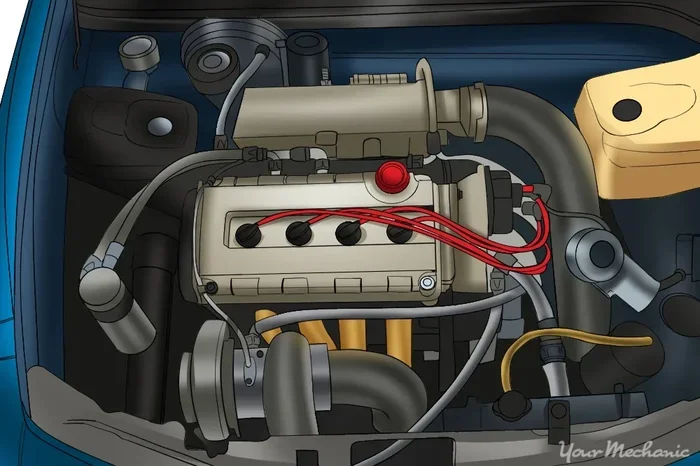
Aftermarket exhaust systems are popular, but they can cause problems. A modified exhaust that is too loud can violate noise ordinances. Removing the catalytic converter is illegal in all 50 states. It is a federal requirement for emissions control. Even if your car passes visual inspection, a missing converter will show up on an OBD-II scan.
Engine swaps can also be tricky. If you replace the engine, the new engine must meet the emissions standards for your model year. In many states, you must have the replacement engine certified and properly documented. An unregistered or undocumented exhaust system swap can result in a failed inspection and costly fines.
Suspension and Body Mods
Lowered suspension looks great, but there are limits. Most states have rules about minimum ground clearance. If your car sits too low, it can scrape the road and become unsafe. Suspension modification that drops the vehicle beyond legal limits can result in a failed inspection and a citation on the road.
Body modifications like removing bumpers or adding oversized spoilers can also cause issues. The vehicle must retain its original safety features unless the replacements meet DOT standards for aftermarket parts. Always check with your local DMV before making major body changes. A quick phone call can save you hours of trouble later.
Window Tint and Lighting Changes
Window tint laws vary widely by state. Most states allow tint on the front side windows but have stricter rules for the windshield and rear windows. Window tint laws typically require a minimum light transmission percentage on front windows. Tint that is too dark can fail a car inspection. Some states also regulate the color of exterior lights. Red and blue lights are typically reserved for emergency vehicles. Aftermarket LED lights that are too bright or improperly aimed can also be illegal.
| Modification | Common Issue | Typical Legal Limit |
|---|---|---|
| Exhaust System | Excessive noise | Varies by state, usually 85-95 dB |
| Window Tint | Too dark | 70% light transmission on front windows |
| Suspension Lowering | Too low to ground | Minimum 4-6 inches clearance |
| Aftermarket Lighting | Improper color or brightness | No red/blue; DOT-approved only |
| Engine Swap | Emissions non-compliance | Must match model year standards |
State-by-State Differences in Street Legal Rules
One of the most important things to understand is that state regulations differ significantly. What is perfectly legal in Texas might get you pulled over in California. This is because each state has the authority to add its own rules on top of federal standards. Never assume that what is legal in one place is legal everywhere.
States with Strict Rules
California is known for having some of the strictest vehicle regulations in the country. The California Air Resources Board, or CARB, sets emissions standards that are tougher than federal requirements. Vehicles must pass CARB certification for certain engine modifications. States like New York, Massachusetts, and Pennsylvania also have rigorous inspection programs that cover both safety and emissions.
In these states, you need to be especially careful with modifications. Even small changes like replacing a muffler or adding a cold air intake can put your vehicle out of compliance. Always research the specific rules for your state before making any changes to your car. Joining a local car club can also connect you with people who know the ins and outs of your state’s inspection process.
States with More Lenient Rules
Some states have fewer inspection requirements. Texas, for example, requires a safety inspection but does not mandate emissions testing in all counties. Florida has no annual safety or emissions inspection at all. However, this does not mean you can drive an unsafe vehicle. Police officers can still pull you over if your car lacks required safety equipment.
Even in lenient states, having proper vehicle registration and insurance is non-negotiable. The absence of inspection programs does not mean the absence of rules. Always stay informed about what is required in your specific area. Laws can change, so check your state DMV website at least once a year for updates.
How to Make Sure Your Car Stays Street Legal
Keeping your car compliant does not have to be complicated. A little proactive effort goes a long way. Here is how you can stay on the right side of the law.
Regular Maintenance Checklist
Create a simple checklist and review it monthly. Check that all lights work, including turn signals, brake lights, and headlights. Inspect your tires for proper tread depth and correct pressure. Make sure your mirrors are securely mounted and unobstructed. Test your horn and windshield wipers regularly. These five-minute checks can prevent surprise failures at inspection time.
Keep all documentation organized in one place. Store your registration, insurance card, and inspection sticker in the glove box. Having these documents easily accessible saves time during traffic stops and makes the registration renewal process smoother. A well-organized driver is a prepared driver.
When in Doubt, Ask a Professional
If you are planning any modifications, consult a trusted mechanic or your local DMV first. They can tell you whether a change will affect your vehicle’s street legal status. This small step can save you from costly fines and the hassle of undoing modifications. Professionals see these questions every day and are happy to help.
Quick Tip: Join online forums or local car clubs for your make and model. Other enthusiasts in your state can share firsthand experience with what passes inspection and what does not. This real-world knowledge is invaluable and can save you from making expensive mistakes.
Conclusion
Understanding what makes a car street legal is essential for every driver. The requirements cover safety equipment, emissions standards, proper documentation, and state-specific rules. No matter what kind of car you drive, staying compliant keeps you legal, safe, and worry-free on the road.
Take the time to review your vehicle against the requirements outlined in this guide. Address any issues before they become problems. A well-maintained, properly documented car not only passes inspections but also gives you peace of mind every time you get behind the wheel. Stay informed, stay compliant, and enjoy the ride with confidence.
Frequently Asked Questions
Can I drive a modified car on public roads?
Yes, but only if the modifications meet all federal and state requirements. Aftermarket exhaust, suspension changes, and engine swaps must comply with emissions and safety standards. Check with your local DMV before making any major changes to ensure your modified car remains street legal.
Do I need emissions testing in every state?
No, emissions testing requirements vary widely. Some states like Florida and Texas have minimal or no emissions testing in many counties, while California and New York have very strict programs. Check your state’s Department of Motor Vehicles website to find out what applies to your area.
What happens if I drive without insurance?
Driving without insurance can result in fines, license suspension, and vehicle impoundment in most states. You may also be held personally liable for damages in an accident. Always carry proof of insurance and make sure your policy meets your state’s minimum coverage requirements.
Can I use aftermarket parts and still be street legal?
Yes, many aftermarket parts are street legal as long as they meet DOT standards and federal safety requirements. Parts like headlights, exhaust systems, and suspension components must be certified and properly installed. Always verify that any aftermarket part complies with your state’s specific regulations before purchasing or installing it.
How often do I need to renew my vehicle registration?
Registration renewal frequency depends on your state. Most states require renewal every one to two years. Some states also require a new safety or emissions inspection at each renewal. Keep track of your renewal dates and set reminders to avoid driving with expired registration.
What should I do if my car fails inspection?
If your car fails inspection, the inspector will provide a report detailing what needs to be fixed. Address the specific issues and return for a re-inspection within the allowed timeframe. Many repair shops offer free or discounted re-inspections after completing the necessary repairs. Stay calm and work through the process step by step.