Do Hybrid Cars Do Well on Long Trips for Your Next Adventure
Do hybrid cars do well on long trips? The short answer is yes — and they often outperform traditional vehicles. Hybrid vehicles combine an electric motor with a gas engine to deliver outstanding fuel efficiency and smooth highway driving. You get fewer stops, lower fuel costs, and a more comfortable ride on long distance driving adventures. This guide covers everything you need to know about hybrid road trips, from battery range to the best models for your next journey.
Have you ever wondered whether a hybrid car can handle a big road trip? Maybe you are planning your next adventure and want to know if a hybrid vehicle can keep up with the demands of long distance driving. The good news is that hybrid cars have come a long way. They are no longer just city commuters. Today, they shine on highways and back roads alike. In this guide, we will walk through everything you need to know about taking a hybrid car on a long journey.
We will cover how the technology works on highways. We will look at the best models for road trips. We will also share practical tips for charging, refueling, and staying comfortable on the road. Whether you are a first-time hybrid buyer or a seasoned driver, this article has something for you. Let us dive in and find out if a hybrid car is the right choice for your next big trip.
Key Takeaways
- Excellent Fuel Economy: Hybrid cars deliver impressive mpg ratings, saving you money on long distance driving.
- Seamless Highway Performance: The electric motor and gas engine work together smoothly for comfortable road trips.
- Regenerative Braking Helps: This feature recharges the hybrid battery while you drive, extending your range naturally.
- Top Models Exist: Many hybrid vehicles are specifically built with long distance travel in mind.
- Charging Is Easy: Plug-in hybrids offer EV mode for short stretches, and regular hybrids refuel just like gas cars.
- Lower Maintenance Costs: Hybrid engines wear less, meaning fewer repair stops on your journey.
- Eco-Friendly Travel: Hybrid cars reduce your environmental impact while you explore the open road.
📑 Table of Contents
Why Hybrid Cars Are Great for Long Trips
Many people still think of hybrid vehicles as short-distance cars. That idea is outdated. Modern hybrid cars are built to handle long distance driving with ease. The combination of an electric motor and a gas engine gives you the best of both worlds. You get the quiet, smooth power of electricity and the long-range reliability of a traditional fuel engine.
One of the biggest advantages is fuel efficiency. Hybrid cars use less gas than most traditional vehicles. This means you spend less money at the pump. On a long road trip, those savings add up fast. You also get the benefit of regenerative braking. This smart system captures energy when you slow down and sends it back to the hybrid battery. It is like getting free fuel every time you hit the brakes.
Fuel Economy That Saves You Money
Most hybrid cars deliver a fuel economy rating that beats standard sedans and SUVs. Some models easily achieve 50 mpg or more on the highway. When you are driving hundreds of miles, that extra efficiency matters a lot. You will make fewer stops at gas stations. You will also carry less fuel weight, which helps the car handle better.
Here is a quick look at what makes hybrid fuel economy so strong on long trips:
- Electric motor assist: The electric motor helps the gas engine during acceleration. This reduces fuel burn.
- EV mode: Many hybrids let you drive on electric power alone at low speeds. This saves even more fuel in traffic or town.
- Engine auto-stop: The gas engine shuts off when you idle. No fuel is wasted at stoplights or in traffic jams.
- Smart power management: The car automatically switches between electric and gas power for the best results.
Smooth and Quiet Highway Driving
Road trips should feel relaxing, not noisy. Hybrid cars are famous for their quiet cabin. The electric motor handles much of the work at steady speeds. This means less engine noise and vibration. You and your passengers can talk, listen to music, or just enjoy the scenery without a loud engine droning in the background.
The ride quality on highways is another reason hybrid cars do well on long trips. Many models feature advanced suspension systems that absorb bumps and road noise. Combined with the smooth power delivery of the electric motor, you get a driving experience that feels calm and controlled. This is a huge advantage on long stretches of highway driving.
How Hybrid Technology Works on Highways
Understanding how a hybrid car works on the highway helps you appreciate why it is so good for long trips. The system is simpler than it sounds. There are two main power sources: a gas engine and an electric motor. A computer controls when each one runs. It also manages how much power each one provides.
The Electric Motor at Work
At steady highway speeds, the electric motor often takes the lead. It provides smooth, consistent power without using much fuel. When you need extra speed for passing or climbing hills, the gas engine kicks in to help. The transition between electric and gas power is seamless. You barely notice it happening.
This is very different from a traditional car. A gas-only engine works hardest at steady speeds and uses a lot of fuel. A hybrid system is smarter about when and how it uses energy. The result is better performance and better fuel economy.
Keeping the Battery Charged
You might wonder about the hybrid battery on long trips. Do you need to plug it in? The answer depends on the type of hybrid you choose.
Regular hybrids, sometimes called self-charging hybrids, do not need to be plugged in. The car charges the battery on its own through regenerative braking and the gas engine. This means you can drive long distances just like you would in a gas car. You stop for fuel, and the system takes care of the rest.
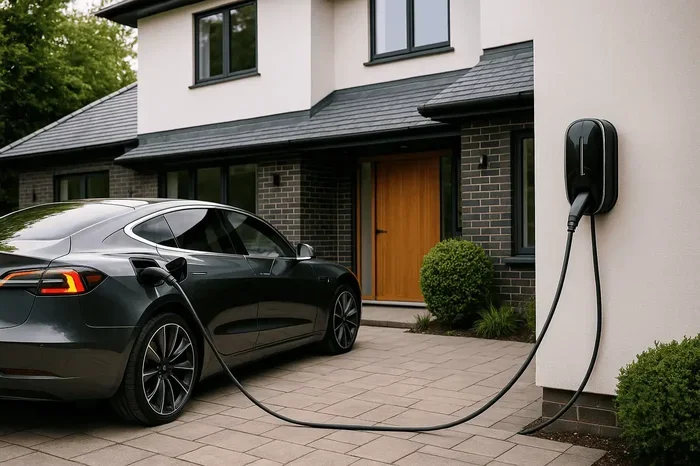
Plug-in hybrids, or PHEVs, have a larger battery that you can charge at home or at public stations. These cars can run on electric power alone for shorter distances, usually 20 to 50 miles. After the electric charge runs out, the gas engine takes over. This gives you the flexibility of electric driving for daily commutes and the range of a gas engine for long road trips.
Range Anxiety Is Not a Real Problem
One common worry is range anxiety. That is the fear of running out of power far from a charging station. With a regular hybrid, this is not a concern at all. You can fill up at any gas station in the country. Your range is the same as a gas car, sometimes even better because you use less fuel.
With a plug-in hybrid, the math is still in your favor. Once the electric range is used up, the gas engine gives you hundreds of extra miles. You can drive from coast to coast without stress. Just plan your fuel stops as you normally would.
Top Hybrid Cars for Road Trips
Not all hybrid cars are created equal when it comes to long distance driving. Some models are specifically designed with road trips in mind. They offer larger fuel tanks, comfortable seats, and advanced technology that makes highway driving a breeze. Here are some of the best options for your next adventure.
Toyota Camry Hybrid
The Toyota Camry Hybrid is one of the most popular choices for road trips. It delivers around 52 mpg on the highway. That is excellent fuel economy for a midsize sedan. The ride is smooth, the cabin is quiet, and the trunk is spacious enough for luggage. Toyota’s reputation for reliability also means you can trust this car to get you there without surprises.
Honda Accord Hybrid
The Honda Accord Hybrid offers a similar level of fuel efficiency and comfort. It delivers about 48 mpg on the highway. The interior is roomy and well-designed. The infotainment system is easy to use, which helps on long drives when you need to navigate or play music. Honda has built a loyal following with this model, and for good reason.
Toyota RAV4 Hybrid
If you prefer an SUV for your road trips, the Toyota RAV4 Hybrid is a fantastic choice. It gets around 40 mpg on the highway, which is impressive for a compact SUV. The higher seating position gives you better visibility on long highway drives. The cargo space is generous, making it easy to pack for a weekend getaway or a two-week vacation.
Ford Escape Hybrid
The Ford Escape Hybrid is another strong SUV option. It offers around 44 mpg on the highway. The ride is comfortable, and Ford has equipped this model with modern driver-assist features. These include adaptive cruise control and lane-keeping assist, both of which are very helpful on long road trips. They reduce driver fatigue and make the journey more enjoyable.
Hyundai Ioniq Hybrid
The Hyundai Ioniq Hybrid is a compact car that punches above its weight in fuel economy. It can achieve around 58 mpg on the highway. It is a great choice if you want a smaller, more efficient car for long trips. The interior is surprisingly roomy, and Hyundai’s warranty coverage gives you peace of mind.
Kia Sorento Hybrid
The Kia Sorento Hybrid is a three-row SUV that can comfortably seat seven. It delivers about 36 mpg on the highway. This is a great option for families who need space and want to save on fuel. The interior quality is high, and Kia offers one of the best warranty packages in the industry.
Charging and Refueling on the Go
One of the biggest advantages of hybrid cars on long trips is how easy it is to keep them running. You do not need to hunt down charging stations or plan your route around charging stops. Here is what you need to know about keeping your hybrid fueled up on the road.
Refueling a Regular Hybrid
A regular hybrid car uses gas just like any other vehicle. You fill up at any gas station. The process is the same as what you are used to. The difference is that you will fill up less often because the fuel economy is so much better.
For example, if your hybrid gets 50 mpg and you have a 15-gallon tank, you can drive about 750 miles on a single tank. That is a serious road trip distance. You might only need to refuel once or twice on a cross-country journey.
Charging a Plug-In Hybrid
Plug-in hybrids offer the option to charge at home or at public stations. For long trips, you will mostly rely on the gas engine. But if you have access to a charging station along your route, you can top up the battery and enjoy some electric-only driving.
Public charging stations are becoming more common every year. Many gas stations now offer Level 2 chargers. You can also use apps like PlugShare or ChargePoint to find stations along your route. Planning a few charging stops can extend your electric range and reduce your fuel costs even more.
Quick Tips for Refueling on Road Trips
- Fill up early in the morning: Gas is denser in cooler temperatures, so you get slightly more fuel for your money.
- Use the right octane: Check your owner’s manual. Most hybrids run fine on regular unleaded.
- Keep your tank above a quarter full: On long stretches of highway, gas stations can be far apart. Staying ahead of the gauge keeps you stress-free.
- Plan stops around meals: Combine refueling with meal breaks to save time on the road.
Common Concerns About Hybrid Long-Distance Driving
It is natural to have questions before taking a hybrid car on a long trip. Let us address some of the most common concerns and set the record straight.
Is the Hybrid Battery Reliable for Long Trips?
Yes. Hybrid batteries are designed for durability. They are built to last the lifetime of the car. Most manufacturers warranty hybrid batteries for 8 to 10 years or 100,000 miles. The battery system is also monitored by the car’s computer, which manages charging and discharging to keep everything healthy.
On long trips, the battery actually benefits from regular use. The regenerative braking system keeps it charged during your drive. You do not need to worry about the battery dying or losing capacity on a road trip.
Will I Lose Power on the Highway?
Some people worry that a hybrid car will feel sluggish on the highway. This is not the case with modern models. The electric motor provides instant torque, which means quick and smooth acceleration. When you need more power, the gas engine jumps in. The combined output is often comparable to a traditional car of the same size.
In fact, many drivers say hybrids feel more responsive on the highway than gas-only cars. The electric motor fills in the gaps and makes passing and merging feel effortless.
What About Maintenance on Long Trips?
Hybrid cars generally require less maintenance than gas-only vehicles. The gas engine runs less often, so it wears out more slowly. The brakes also last longer because regenerative braking handles most of the slowing down. You will still need regular oil changes and tire rotations, but overall, your maintenance costs should be lower.
Before a long trip, it is always a good idea to check your fluid levels, tire pressure, and wiper blades. These simple steps keep your hybrid running smoothly and help you avoid any surprises on the road.
Can I Still Use Cruise Control?
Absolutely. Cruise control works great with hybrid cars on the highway. In fact, using cruise control at a steady speed helps the hybrid system optimize fuel usage. The car can smoothly switch between electric and gas power when you are at a constant speed. Just be sure to use adaptive cruise control if your model has it. It adjusts your speed based on traffic, which is very helpful on busy highways.
Hybrid vs. Traditional Cars for Long Journeys
How do hybrid cars compare to traditional gas-only vehicles for long trips? Let us break it down with a side-by-side look at the key factors that matter most on the road.
| Feature | Hybrid Car | Traditional Gas Car |
|---|---|---|
| Fuel Economy (Highway) | 40–58 mpg | 25–35 mpg |
| Refueling Stops | Fewer stops | More stops |
| Engine Noise | Quieter, smoother | Louder, more vibration |
| Maintenance Cost | Lower over time | Higher over time |
| Environmental Impact | Lower emissions | Higher emissions |
| Upfront Cost | Slightly higher | Lower |
| Range on a Full Tank | 500–750 miles | 400–600 miles |
| Acceleration | Instant electric torque | Depends on engine size |
As you can see from the comparison table, hybrid cars have a clear edge for long distance driving. The fuel savings alone can offset the higher upfront cost over time. And the driving experience is simply better. Quieter cabin, smoother power, and fewer stops all add up to a more enjoyable road trip.
Of course, traditional gas cars still have their place. They may have a lower purchase price and a wider network of service centers. But for the purpose of long trips, hybrid technology offers real advantages that are hard to ignore.
Tips for Planning Your Hybrid Road Trip
A little planning goes a long way when taking any car on a long journey. Here are some practical tips to make your hybrid road trip smooth and stress-free.
- Map your fuel stops: Use a navigation app to find gas stations along your route. Plan stops every 200 to 300 miles, or whenever it is convenient.
- Pack light: Extra weight reduces fuel economy. Only bring what you need to keep your hybrid running efficiently.
- Use EV mode in town: If you have a plug-in hybrid, use electric mode in cities and towns. Save the gas engine for the highway.
- Check tire pressure before you go: Properly inflated tires improve fuel economy and safety. This is true for any car, but it matters even more for hybrids trying to maximize efficiency.
- Drive at steady speeds: Hybrid systems are most efficient at consistent highway speeds. Avoid rapid acceleration and hard braking when possible.
- Take breaks every 2 hours: Even the best driver gets tired on long trips. Rest stops keep you alert and refreshed.
What to Pack for a Hybrid Road Trip
Beyond the usual travel essentials, there are a few items that are especially useful for hybrid road trips. Keep a charging cable for your phone and any portable devices. Bring a tire pressure gauge so you can check your tires at rest stops. A small toolkit and jumper cables are always smart to have on hand, even though hybrid batteries rarely fail.
Also, consider downloading offline maps. Cell service can be spotty on rural highways. Having a backup navigation plan keeps you on track and reduces stress.
Final Thoughts
So, do hybrid cars do well on long trips? The answer is a clear and enthusiastic yes. Hybrid vehicles offer outstanding fuel economy, smooth and quiet highway driving, and lower maintenance costs. They are practical, reliable, and environmentally friendly. Whether you choose a sedan like the Toyota Camry Hybrid or an SUV like the Ford Escape Hybrid, you will enjoy a road trip experience that is hard to beat.
The technology has matured to the point where hybrid cars are no longer a compromise. They are a smart choice for anyone who loves to travel. You save money at the pump, you reduce your environmental impact, and you enjoy a more comfortable ride. The next time you plan a long adventure, seriously consider taking a hybrid along for the journey.
With proper planning and a little confidence in the technology, your hybrid car will take you exactly where you need to go. So pack your bags, hit the road, and enjoy the ride. Your next great adventure is waiting.
Frequently Asked Questions
Can I drive a hybrid car on a cross-country road trip?
Yes, absolutely. Hybrid cars are perfectly suited for cross-country road trips. Regular hybrids refuel at any gas station just like a traditional car, and plug-in hybrids offer the flexibility of electric driving for shorter stretches plus gas power for the long haul. Many hybrid models have a range of 500 to 750 miles on a single tank of gas.
Do hybrid cars need special maintenance for long trips?
No, hybrid cars do not need special maintenance for long trips. They require the same basic care as any car, including oil changes, tire rotations, and fluid checks. In fact, hybrid systems often reduce wear on brakes and engines, which means fewer maintenance stops overall.
How far can a hybrid car go on a full tank?
The range depends on the model and tank size, but most hybrid cars can travel between 500 and 750 miles on a full tank. The Toyota Camry Hybrid, for example, can cover over 700 miles thanks to its excellent fuel economy and large fuel tank capacity.
Is it expensive to charge a plug-in hybrid on a road trip?
Charging a plug-in hybrid is generally very affordable, especially if you charge at home before your trip. Public charging stations may cost a bit more, but they are still cheaper than gas. Once the electric battery is depleted, the car runs on gas just like a regular hybrid, so you always have a backup.
Are hybrid cars reliable for long-distance driving?
Yes, hybrid cars are highly reliable for long-distance driving. The electric motor reduces strain on the gas engine, which can extend the overall lifespan of the vehicle. Major hybrid manufacturers like Toyota and Honda have proven track records of durability and long-term reliability.
What is the best hybrid car for a family road trip?
The Toyota RAV4 Hybrid and Kia Sorento Hybrid are excellent choices for families. They offer spacious interiors, comfortable seating for multiple passengers, and strong fuel economy. Both models provide the room and convenience that families need for a stress-free road trip.
=== CONCLUSION ===
Do hybrid cars do well on long trips? Without a doubt. Hybrid vehicles combine fuel efficiency, comfort, and reliability in a way that makes them ideal for long distance driving. From the smooth highway performance to the lower fuel costs, the benefits are clear and compelling.
Whether you are planning a weekend getaway or a cross-country adventure, a hybrid car is a smart and practical choice. The technology is proven, the models are diverse, and the driving experience is better than ever. Take the leap, choose a hybrid for your next trip, and enjoy the journey as much as the destination.