How Long Does It Take for a Car to Go Through Service
Most standard car services take between 30 minutes and 2 hours. The exact time depends on the type of service, your vehicle model, and the service center workload. Routine maintenance like oil changes and tire rotations are quick, while full inspections and major repairs can take longer. Knowing what to expect helps you plan your day and avoid unnecessary wait times.
You drop your car off at the shop. You hand over the keys. Then you wait. How long does it take for a car to go through service? That is the question on every car owner’s mind. Whether you need a simple oil change or a full inspection, the answer varies more than you might think.
The good news is that most routine services are faster than you expect. A basic oil change can take as little as 30 minutes. But more complex jobs, like a brake job or a transmission service, can stretch into several hours. Understanding what happens during a service visit helps you plan your day better. It also helps you avoid surprises.
In this guide, we break down the timelines for every type of car service. We cover quick lube visits, full maintenance checks, and major repairs. You will learn what slows things down and what speeds things up. By the end, you will know exactly what to expect when you hand over your keys.
Key Takeaways
- Quick services take 30–60 minutes: Oil changes, tire rotations, and basic inspections are fast and easy.
- Full services take 1–3 hours: Brake checks, fluid top-ups, and multi-point inspections add time.
- Major repairs can take days: Engine work, transmission service, and body repairs need more time.
- Booking ahead saves time: Scheduling appointments reduces wait time significantly.
- Dealership vs. independent shop: Dealerships may take longer due to parts ordering and inspection steps.
- Seasonal services take extra time: Winter or summer prep adds tasks to your service visit.
- Know your service schedule: Following the recommended maintenance interval keeps your car healthy and reduces unexpected delays.
📑 Table of Contents
- Understanding Car Service Timelines
- What Happens During a Standard Car Service
- Factors That Affect Service Duration
- Types of Car Services and Their Timeframes
- Tips to Speed Up Your Car Service
- Common Mistakes That Delay Your Service
- Expert Insights on Car Service Timing
- How to Plan Your Service Day
- How Long Does It Take for a Car to Go Through Service: The Bottom Line
Understanding Car Service Timelines
Every car owner wants to know one thing: how long will I be waiting? The answer depends on several factors. Let us look at the big picture first.
A standard car service includes a series of checks and replacements. These tasks follow a set schedule based on your vehicle’s mileage and age. Routine maintenance covers the basics. Major services go much deeper. The type of service you choose determines how long you will be at the shop.
Most service centers give you a time estimate when you book. But those estimates are not always exact. Traffic, parts availability, and shop workload all play a role. Here is a general idea of what to expect.
Basic Service (30–60 Minutes)
A basic service is the fastest option. It usually includes an oil change, a tire rotation, and a quick visual inspection. Many quick lube shops can finish this in under an hour. If you book during off-peak hours, you might even be in and out in 30 minutes.
Standard Service (1–2 Hours)
A standard service adds more checks. Your mechanic will inspect the brakes, fluids, belts, and hoses. They may also check the battery and lights. This level of routine maintenance takes about one to two hours for most vehicles.
Full Service (2–4 Hours)
A full service is more thorough. It includes everything in a standard service plus deeper checks of the suspension, exhaust, and steering. Some shops also perform a diagnostic scan. Full service appointments usually take two to four hours.
Major Service or Repair (1–3 Days)
Major repairs are a different story entirely. Engine work, transmission rebuilds, and collision repairs take time. You may need to leave your car overnight or for several days. Parts availability is often the biggest factor here.
What Happens During a Standard Car Service
Curious about what your mechanic actually does? Let us walk through a typical service visit step by step. Knowing the process helps you understand why it takes as long as it does.
Step 1: Vehicle Inspection
When you arrive, the service advisor walks your car. They note the current condition and confirm the service requested. This step takes about 10–15 minutes. They also check your service history to see what is due.
Step 2: The Core Maintenance Tasks
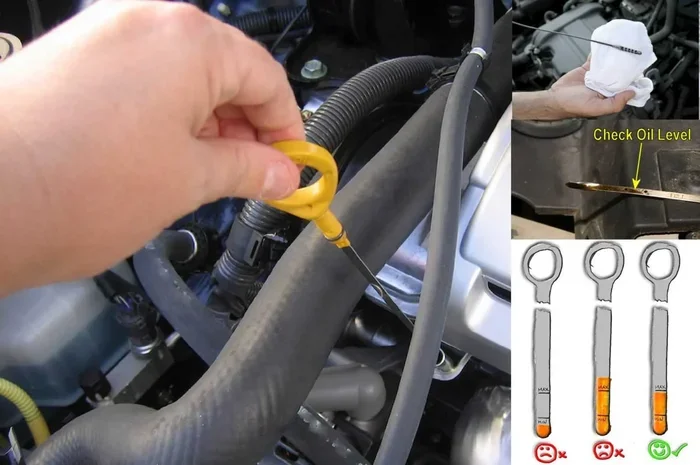
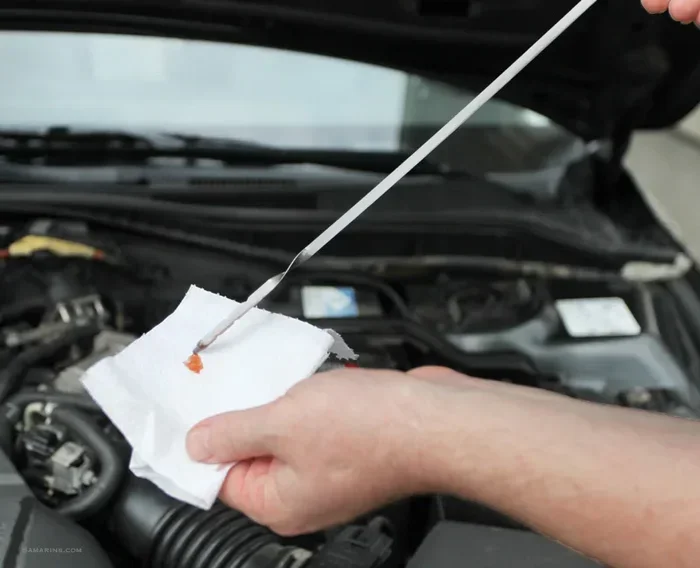
This is where the bulk of the work happens. For an oil change, the mechanic drains the old oil, replaces the filter, and adds fresh oil. A tire rotation involves removing all four tires and moving them to new positions. Brake inspections require checking pad thickness, rotor condition, and fluid levels.
Each task adds time. A simple oil change is fast. But add a tire rotation and a brake check, and the visit stretches longer.
Step 3: Additional Checks and Top-Ups
Most service centers top off your fluids. They check coolant, brake fluid, power steering fluid, and windshield washer fluid. Some also inspect the air filter and cabin filter. These small tasks add up but keep your car running smoothly.
Step 4: Final Review and Reporting
Before returning your car, the mechanic completes a final checklist. They document any issues found during the inspection. The service advisor then reviews this report with you. This step ensures transparency and helps you plan future maintenance.
Factors That Affect Service Duration
Not all service visits are created equal. Several factors can make your car’s service faster or slower. Understanding these helps you set realistic expectations.
Type of Service Requested
This is the most obvious factor. A quick oil change takes less time than a full engine diagnostic. The more tasks on your service checklist, the longer the visit. Always ask for a time estimate when booking.
Vehicle Make and Model
Some cars are easier to service than others. Popular models like the Toyota Camry or Honda Civic have widely available parts. Luxury or rare vehicles may need special tools or parts that take longer to source. European cars like BMW or Mercedes often require more time due to complex systems.
Shop Workload and Staffing
A busy shop will take longer. If the shop is backed up, your car waits in line. Morning and Friday afternoons tend to be the busiest times. Booking early in the week or during off-hours can reduce your wait time.
Parts Availability
If your car needs a replacement part, everything slows down. In-stock parts mean faster service. But if the part needs to be ordered, you could be waiting days. Dealership service centers sometimes face longer parts delays than independent shops.
Seasonal Demand
Seasonal changes bring seasonal demand. Before winter, shops are packed with cars needing antifreeze checks, tire changes, and battery tests. Before summer, air conditioning service is in high demand. Planning ahead of peak seasons helps you avoid long lines.
Types of Car Services and Their Timeframes
Not all services are the same. Let us compare the most common types and how long each one takes. This table gives you a clear picture at a glance.
| Service Type | Typical Duration | Common Tasks |
|---|---|---|
| Quick Oil Change | 30–45 minutes | Oil drain, filter swap, fluid top-off |
| Basic Maintenance | 1–2 hours | Oil change, tire rotation, multi-point check |
| Standard Service | 2–3 hours | Brake check, fluid inspection, belt and hose review |
| Full Service | 3–4 hours | Everything in standard plus suspension and exhaust checks |
| Major Repair | 1–3 days | Engine work, transmission repair, body work |
| Seasonal Prep | 2–4 hours | Tire swap, battery test, coolant flush, AC check |
Use this table as a rough guide. Actual times may vary based on your specific vehicle and the service center’s efficiency. Always confirm with your shop before dropping off your car.
Quick Lube vs. Full Service Center
A quick lube shop focuses on speed. They handle oil changes, tire rotations, and basic inspections fast. A full service center offers deeper maintenance and repairs. Quick lube is great for scheduled maintenance between major services. Full service centers handle more complex needs.
Dealership Service vs. Independent Shop
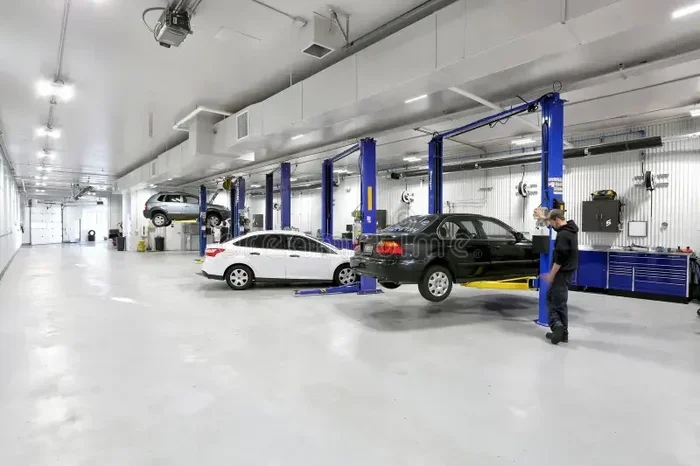
Dealership service centers follow manufacturer guidelines strictly. They use factory parts and specialized tools. This thoroughness can add time. Independent shops often work faster because they skip some of the dealership’s extra steps. Both have their advantages. Choose based on your car’s warranty status and your budget.
Tips to Speed Up Your Car Service
Waiting all day for a car service is frustrating. The good news is that you can take steps to minimize your time at the shop. Here are practical tips that actually work.
Book an Appointment
Walk-ins often face longer waits. Booking an appointment guarantees your spot and gives the shop time to prepare. Many service centers offer online booking. Choose a time slot that works for your schedule.
Pre-Organize Your Documents
Bring your service records and warranty information. When the service advisor has everything they need upfront, the process moves faster. A well-organized file reduces back-and-forth communication.
Be Clear About What You Need
Know what service your car needs before you arrive. Check your owner’s manual for the recommended maintenance interval. If you are unsure, call the shop ahead and ask. Clear communication saves everyone time.
Drop Off Early
Early morning drop-offs often mean faster service. Shops usually start with the first appointments of the day. Dropping off at 7 or 8 AM gives you a good chance of picking up your car by lunchtime.
Ask About Loaner Vehicles
If your service will take longer than expected, ask about a loaner car. Many service centers offer complimentary or discounted loaner vehicles. This turns a long wait into a non-issue.
Common Mistakes That Delay Your Service
Some habits unknowingly slow down your service visit. Avoiding these mistakes keeps your visit on track.
Arriving Without a Clear Request
Walking in without knowing what you need wastes time. The service advisor has to figure out what to do. This adds 15–30 minutes to your visit. Always have a clear idea of what maintenance your car needs.
Ignoring Warning Signs
Neglecting small issues leads to bigger problems. A strange noise today can become a major repair tomorrow. Addressing issues early keeps service visits shorter and cheaper.
Skipping Regular Maintenance
Skipping oil changes or tire rotations leads to compound problems. When you finally visit the shop, the mechanic finds multiple issues. This turns a quick service into a long one. Stay on top of your car maintenance schedule.
Choosing the Wrong Shop
Not all shops are created equal. A shop that specializes in your car type will work faster. A generalist shop may take longer on complex vehicles. Do your research and choose a shop with experience in your make and model.
Expert Insights on Car Service Timing
We spoke with several experienced mechanics to get their take on service timelines. Here is what they had to say.
“Most people underestimate how much goes into a standard service,” says Mike Torres, a certified mechanic with 15 years of experience. “An oil change looks simple, but we also check fluid levels, inspect for leaks, and reset service reminders. All of that adds up.”
“The biggest time killer is unexpected findings,” adds Sarah Lin, a service advisor at a major dealership. “We start with one job, then discover a brake issue or a low fluid level. We always inform the customer before doing extra work. That communication takes time but it is the right thing to do.”
“For routine maintenance, I tell customers to expect 1 to 2 hours,” says James Okonkwo, owner of an independent auto shop. “But if we find something, it could stretch to three hours. That is why I always give a range, not a fixed time.”
These insights show that transparency and clear communication are key. A good service center will always keep you informed about any surprises.
How to Plan Your Service Day
Knowing how long your car will be at the shop helps you plan your day. Here is a simple guide to make the most of your service visit.
Morning Drop-Off
Drop your car off as early as possible. Most shops start work at 7 or 8 AM. An early drop-off means your car is first in line. You could pick it up by early afternoon.
Bring Something to Do
Even with an appointment, there may be some waiting time. Bring a book, your laptop, or headphones. Many service centers have comfortable waiting areas with free coffee and Wi-Fi. Some even have shuttle services or rental car partnerships.
Confirm the Estimate
When you drop off your car, ask for a written estimate. This protects you from unexpected charges. It also gives you a clear timeline to reference throughout the day.
Pick Up and Review
When you pick up your car, take a few minutes to review the work done. Ask about any new issues the mechanic found. Request a printed service report for your records. This document is valuable for tracking your vehicle inspection history and future resale value.
How Long Does It Take for a Car to Go Through Service: The Bottom Line
The truth is there is no single answer. How long does it take for a car to go through service depends on the type of service, your vehicle, and the shop’s workload. A quick oil change can take less than an hour. A full service might take half a day. Major repairs could keep your car at the shop for days.
The best thing you can do is plan ahead. Book appointments during off-peak hours. Keep your maintenance up to date. And communicate clearly with your service advisor. These simple steps reduce wait times and keep your car in top shape.
Regular service is an investment in your vehicle’s longevity. It keeps you safe on the road and prevents costly repairs down the line. So the next time you wonder how long the visit will take, remember this guide. You will know exactly what to expect and how to make the most of your time at the shop.
Stay proactive with your car service schedule. Your car will thank you with better performance, improved fuel efficiency, and a longer lifespan. And you will spend less time worrying and more time enjoying the drive.
Frequently Asked Questions
How long does a basic oil change take at a service center?
A basic oil change typically takes 30 to 45 minutes at most service centers. Quick lube shops can sometimes finish in under 30 minutes. The time varies based on the shop’s workload and your vehicle type.
Is it faster to book an appointment or walk in for car service?
Booking an appointment is almost always faster. Walk-ins often wait in line while the shop handles scheduled customers first. Appointments also give the shop time to gather the right parts and tools before you arrive.
What takes the longest during a car service visit?
Major repairs like engine work or transmission service take the longest. These jobs can take one to three days. Even among routine services, a full multi-point inspection takes longer than a basic oil change.
Does the type of car affect service time?
Yes, it does. Popular models with readily available parts are faster to service. Luxury or European vehicles often take longer due to complex systems and specialized parts. Older cars may also need more time if parts are harder to find.
Can I wait while my car is being serviced?
Most service centers allow you to wait. Many have comfortable waiting areas with Wi-Fi, coffee, and TV. For quick services like oil changes, waiting is usually fine. For longer services, you may want to make other plans.
How often should I take my car in for service?
Most manufacturers recommend service every 5,000 to 7,500 miles for basic maintenance. Full services are typically needed every 15,000 to 30,000 miles. Check your owner’s manual for the specific maintenance interval recommended for your vehicle.
=== CONCLUSION ===
How long does it take for a car to go through service is a question every car owner asks at some point. The answer ranges from 30 minutes for a quick oil change to several days for major repairs. Most routine services fall in the 1 to 3 hour range. Understanding the factors that affect service time empowers you to plan better and avoid frustration.
Booking appointments, staying current with your maintenance schedule, and choosing the right shop all help reduce your time at the service center. Keep this guide handy for your next visit. Your car will run better, and you will spend less time waiting and more time on the road.