What to Look for in Improper Windshield Installation
Improper windshield installation can create serious safety risks and costly problems for your vehicle. Knowing what to look for after a windshield replacement helps you catch mistakes early. This guide covers the most common signs of bad installation, from leaks to unusual noises. You will learn how to inspect your windshield, when to get a refund or redo, and how to avoid expensive repairs down the road.
Your windshield does more than just keep the wind out. It plays a huge role in your car’s structural strength. It supports the roof during a rollover crash. It helps airbags deploy correctly. And it gives you a clear view of the road ahead.
So when a windshield gets replaced, the job must be done right. Unfortunately, improper windshield installation happens more often than most people think. A rushed job, cheap adhesive, or wrong technique can lead to leaks, noise, and even dangerous failures. In this article, we will walk you through exactly what to look for.
Whether you just got a new windshield or are planning one, this guide will help you protect your investment. We will cover the most common signs of bad installation, what causes them, and what you should do about it. Let us dive in.
Key Takeaways
- Watch for visible gaps: Gaps between the windshield and the car frame often signal improper windshield installation.
- Water leaks are a red flag: Any water dripping inside your car after a new windshield is a clear warning sign.
- Noise means something is wrong: Wind noise or rattling sounds point to a poor seal or misaligned glass.
- Check the adhesive cure time: Driving too soon after replacement weakens the bond and compromises safety.
- Distortion and optical issues matter: A crooked or wavy windshield affects your vision and driving safety.
- Act fast if you spot problems: Early detection of improper windshield installation saves you money and keeps you safe.
📑 Table of Contents
- Why Proper Windshield Installation Matters
- Common Signs of Improper Windshield Installation
- What Causes Improper Windshield Installation
- How to Inspect Your Windshield After Installation
- Comparison: Proper vs. Improper Windshield Installation
- Quick Tips to Avoid Problems with Improper Windshield Installation
- Common Mistakes People Make After Windshield Replacement
- Expert Insights on Windshield Installation Quality
- What to Do If You Find Improper Windshield Installation
- Key Takeaways
- Conclusion
Why Proper Windshield Installation Matters
A windshield is not just a piece of glass sitting in your car. It is a structural part of your vehicle. Car engineers design the car body around the windshield. It helps distribute force during a crash. It keeps the roof from collapsing.
When the windshield is installed incorrectly, all of that changes. The bond between the glass and the frame becomes weak. The structural integrity of the car drops. In a crash, the windshield might pop out. The roof could cave in. Airbags might not work as they should.
Beyond safety, improper windshield installation causes everyday problems. Water leaks ruin your interior. Strange noises make driving uncomfortable. A misaligned windshield distorts your view of the road. All of these issues start small but get worse fast.
What Happens When the Job Is Done Wrong
Let us be real. Most people do not think about their windshield until something goes wrong. By then, the damage is already done. A bad installation might not show problems right away. Sometimes the issues appear weeks or even months later.
Here are the most common consequences of improper windshield installation:
- Water leaks into the cabin — rainwater seeps through gaps in the seal.
- Wind noise at highway speeds — a poor fit lets air slip past the glass.
- Wobbling or rattling sounds — the glass is not bonded securely.
- Visible gaps or misalignment — the windshield sits unevenly in the frame.
- Reduced crash protection — the windshield cannot support the roof in a rollover.
- Sun glare and distortion — the glass is tilted at the wrong angle.
Common Signs of Improper Windshield Installation
Spotting problems early is the key to avoiding bigger headaches. You do not need to be a mechanic to notice most of these warning signs. All you need is a keen eye and a little knowledge.
1. Visible Gaps Between the Glass and Frame
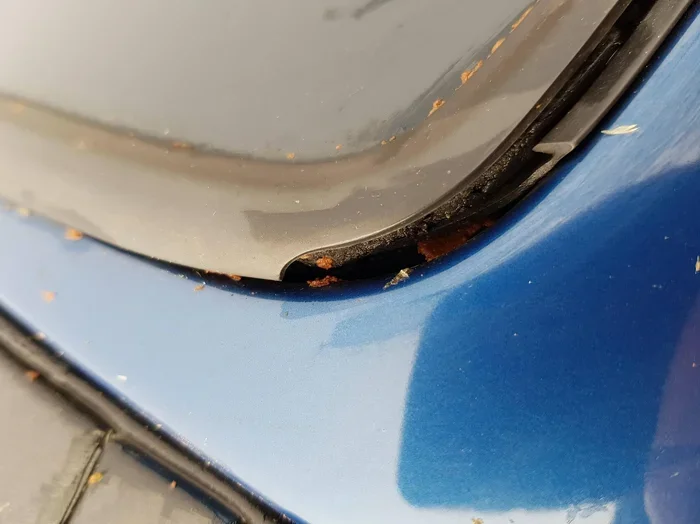
After a windshield replacement, the glass should sit flush with the car’s body. Run your eyes along the edges. If you see any gaps, that is a problem. The seal should be tight and even all the way around.
Gaps usually happen when the technician uses the wrong size windshield. It can also occur if the frame was not cleaned properly before applying adhesive. Either way, gaps let moisture and dirt get inside. Over time, this leads to rust and further damage.
2. Water Leaks Inside the Car
This is one of the most obvious signs of a bad windshield job. If you notice water on your dashboard or floor mats after it rains, the seal is failing. A properly installed windshield should keep water out completely.
Water leaks can damage your car’s electronics. They can cause mold and mildew inside the cabin. They can also ruin your upholstery. Do not ignore even a small drip. It usually means the adhesive did not bond correctly or the windshield was not seated properly.
3. Unusual Noises While Driving
A new windshield should be silent. If you hear rattling, humming, or wind noise after a replacement, something is off. These sounds often come from a poor seal or improper fit.
Wind noise is especially noticeable at highway speeds. Rattling sounds might get worse when you drive over bumps. Both of these issues point to a windshield that is not securely bonded. Do not just learn to live with the noise. Get it checked out.
4. Distorted Vision or Optical Issues
Your windshield should give you a clear, undistorted view of the road. If straight lines look wavy or bent, the glass might be installed at the wrong angle. This can also happen if the glass itself is warped.
Distortion might seem minor, but it affects your depth perception. It can make driving at night or in bad weather much more dangerous. If you notice any visual distortion after a replacement, speak up right away.
5. Visible Adhesive Residue or Uneven Bead
The adhesive that holds your windshield in place should form a clean, even bead. If you see messy glue lines or adhesive squeezed out unevenly, the installation was likely rushed.
A proper adhesive bead is uniform and neat. It creates a strong bond between the glass and the frame. Uneven adhesive can lead to weak spots in the seal. These weak spots are where leaks and structural failures start.
6. Windshield Moves When You Press on It
Your windshield should be rock solid once the adhesive cures. If you press firmly on the glass and it moves or flexes, the bond is not holding. This is a serious problem.
A moving windshield means the adhesive did not set correctly. It could be because the wrong type of adhesive was used. Or the curing time was not long enough. Either way, a windshield that moves is a safety hazard.
What Causes Improper Windshield Installation
Understanding the root causes helps you prevent problems in the first place. Not all bad installations are the result of carelessness. Some come from a lack of knowledge or the wrong tools.
Using the Wrong Adhesive
Not all windshield adhesives are the same. Car manufacturers specify certain types of adhesive for each vehicle model. Using the wrong one can lead to a weak bond or a slow cure time.
Some shops use cheaper adhesives to save money or speed up the process. These adhesives might not meet the strength requirements for your car. Always ask what type of adhesive is being used. A reputable shop will be happy to tell you.
Insufficient Curing Time
Windshield adhesive needs time to cure. This is the process where the glue hardens and forms a strong bond. Most modern adhesives need at least one to two hours before you can drive safely.
Some shops rush customers out the door in minutes. This is dangerous. Driving before the adhesive fully cures can cause the windshield to shift or pop out in a crash. Always follow the recommended windshield curing time given by your installer.
Dirty or Damaged Frames
The frame where the windshield sits must be clean and dry before installation. Dirt, old adhesive residue, or rust can prevent a proper bond. If the frame was not cleaned thoroughly, the seal will be compromised.
Frame preparation is one of the most overlooked steps in windshield replacement. A good technician will strip away all old material and clean the surface before applying new adhesive. If they skip this step, your installation is already at risk.
Wrong Windshield Size or Model
Every car has a unique windshield shape and size. Using the wrong glass is a common mistake, especially at shops that handle many different car brands. A slightly wrong size will not fit flush against the frame.
This leads to gaps, poor sealing, and visual distortion. Always confirm that the replacement windshield matches your vehicle’s specifications. The part number should match what your car manufacturer recommends.
How to Inspect Your Windshield After Installation
You should always inspect your new windshield after it is installed. This only takes a few minutes but can save you a lot of trouble. Here is a simple checklist you can follow.
The Visual Inspection Checklist
- Check the edges. Look closely at the border where the glass meets the frame. There should be no visible gaps or uneven spaces.
- Run your fingers along the seal. Feel for any rough spots, uneven adhesive, or areas where the seal feels weak.
- Look inside the car. Check the dashboard and headliner for any signs of moisture or adhesive residue.
- Press gently on the glass. The windshield should not move or flex at all. If it does, that is a red flag.
- Check for distortion. Look at a straight line outside the car, like a fence or building edge. If it looks wavy through the windshield, the glass may be misaligned.
- Listen carefully. Start the car and take a short test drive. Pay attention to any new sounds, especially wind noise or rattling.
When to Call the Shop Back
If you notice any of these issues, contact the shop that did the replacement right away. Most reputable shops will fix the problem at no extra cost if the issue was their fault. Do not wait too long. Small problems can become big, expensive ones.
Comparison: Proper vs. Improper Windshield Installation
It helps to see the difference side by side. Here is a quick comparison of what a proper installation looks like versus an improper one.
| Aspect | Proper Installation | Improper Installation |
|---|---|---|
| Adhesive Bead | Clean, even, and uniform | Messy, uneven, or missing spots |
| Gap Between Glass and Frame | No visible gaps | Gaps visible along one or more edges |
| Seal Integrity | Watertight and airtight | Leaks water or lets in wind noise |
| Glass Stability | Glass does not move when pressed | Glass flexes or rattles |
| Visual Clarity | Clear, undistorted view | Wavy lines or optical distortion |
| Curing Time | Meets manufacturer’s recommended time | Customer driven away too quickly |
| Frame Preparation | Clean, dry, and free of old adhesive | Rushed or skipped preparation |
This table shows you exactly what a good job looks like. If your windshield does not match the “Proper Installation” column, it is time to take action.
Quick Tips to Avoid Problems with Improper Windshield Installation
Prevention is always better than cure. Here are some simple tips to help you avoid problems before they start.
- Choose a reputable shop. Look for reviews and certifications. Ask friends or family for recommendations.
- Ask about the adhesive. Make sure the shop uses OEM-quality or OEM-equivalent adhesive for your vehicle.
- Wait before driving. Follow the recommended windshield curing time. Usually at least one to two hours.
- Inspect before you leave. Do a quick visual check right after the installation is complete.
- Keep the car dry for 24 hours. Avoid washing your car or driving through heavy rain for at least a day.
- Get it in writing. Ask the shop for a warranty on the installation work. A good shop will stand behind their job.
Common Mistakes People Make After Windshield Replacement
Even after a proper installation, some common mistakes can undo all the good work. Here are a few things to avoid.
Driving the Car Too Soon
It is tempting to hop in the car right away. But the adhesive needs time to set. Driving too soon can cause the windshield to shift before the bond is strong enough. This weakens the entire installation.
Ignoring Small Leaks
A tiny drip might seem harmless. But over time, even a small leak can cause water damage to your electronics, seats, and interior. If you spot any moisture, get it checked immediately.
Not Following Up with the Shop
Many people assume everything is fine if there are no obvious problems right away. But some issues take days or weeks to show up. Follow up with the shop within the first few days to make sure everything is holding up.
Using DIY Repair Kits for Post-Installation Issues
If you notice a leak or a gap, do not try to fix it yourself with a DIY sealant kit. These products are not designed for structural windshield bonding. They can actually make the problem worse. Always go back to a professional for any post-installation issues.
Expert Insights on Windshield Installation Quality
We spoke with several auto glass technicians about the most common mistakes they see in the field. Here is what they had to say.
One technician shared: “The number one mistake we see is shops skipping frame preparation. They slap the new glass in without cleaning the old adhesive off. That alone can cause a weak bond and future leaks.”
Another expert added: “Curing time is the second biggest issue. Customers want to leave fast, and some shops let them. But the adhesive needs hours, not minutes, to reach full strength.”
A third technician pointed out: “People should always check the windshield from inside the car. Look at the edges, press on the glass, and listen for any sounds. If something feels off, speak up before you drive away.”
These insights highlight a common theme. Rushed work and skipped steps are the main culprits behind improper windshield installation. Choosing a careful, experienced shop makes all the difference.
What to Do If You Find Improper Windshield Installation
If you discover problems after a windshield replacement, do not panic. You have options. Here is what you should do step by step.
- Document the problem. Take photos and videos of any gaps, leaks, or misalignment. Write down when you noticed the issues.
- Contact the shop immediately. Explain what you found. A reputable shop will want to know and will offer a fix.
- Ask for a redo or refund. If the installation was clearly done wrong, you are entitled to a correction or your money back.
- Check your warranty. Many shops offer a warranty on their installation work. Make sure you are within the coverage period.
- Get a second opinion. If the shop refuses to help, take your car to another auto glass specialist for an assessment.
- File a complaint if needed. If all else fails, contact your local consumer protection agency or leave a detailed review online.
Acting quickly is important. The longer you wait, the more damage a bad installation can cause. Water leaks can ruin electronics. A loose windshield can become a safety hazard. Do not put it off.
Key Takeaways
- Inspect your windshield right after installation. Look for gaps, uneven adhesive, and misalignment.
- Water leaks are never normal. If water gets inside your car after a replacement, the seal is failing.
- Noise and vibration signal a poor fit. A properly installed windshield should be completely silent.
- Always wait for the full curing time. Driving too soon weakens the bond and creates safety risks.
- Choose a certified, reputable shop. Experience and care matter more than speed and price.
- Know your warranty rights. A good shop will stand behind their work and fix any issues that arise.
Conclusion
Improper windshield installation is more than just an inconvenience. It is a safety issue that affects your entire vehicle. From leaks and noise to structural weakness and distorted vision, the consequences of a bad job can be serious.
The good news is that most problems are easy to spot if you know what to look for. Gaps, leaks, noise, and distortion are all clear warning signs. By inspecting your windshield after installation and following up with the shop, you can catch issues early and get them fixed.
Take the time to choose a quality shop. Ask questions. Check the work. Your windshield is one of the most important safety features in your car. It deserves to be installed correctly. If you ever suspect improper windshield installation, do not hesitate to act. Your safety and your wallet will thank you.
Frequently Asked Questions
How soon should I inspect my windshield after replacement?
You should inspect it before you even leave the shop. Check for gaps, leaks, and any visible adhesive issues. Then do another check at home within 24 hours. Early inspection helps you catch problems before they get worse.
Can improper windshield installation cause leaks?
Yes, absolutely. Water leaks are one of the most common signs of a bad installation. If the adhesive seal is weak or the windshield is not seated properly, rainwater can seep into your car.
Is it safe to drive immediately after a windshield replacement?
No, it is not safe. Most adhesives need at least one to two hours to cure properly. Driving too soon can cause the windshield to shift. Always follow the recommended windshield curing time from your installer.
How long does a windshield adhesive take to fully cure?
Full cure time varies by adhesive type and weather conditions. Most modern adhesives reach full strength within 24 to 48 hours. However, you should avoid heavy rain, car washes, and extreme temperatures during this period.
What should I do if I find a leak after a new windshield?
Contact the shop that did the replacement immediately. Most reputable shops will inspect and fix the issue under their warranty. Document the leak with photos before contacting them.
Can a poorly installed windshield affect my car’s crash safety?
Yes, it can. The windshield helps support the roof during a rollover and assists with airbag deployment. An improperly installed windshield may not hold up in a crash, reducing your protection significantly.