Should I Get 35 or 20 Tint Heres The Full Breakdown
Choosing between 35% and 20% tint comes down to your priorities. The 35% tint offers a lighter look, better visibility, and easier legal compliance, while the 20% tint delivers superior heat rejection, more privacy, and a sleeker dark appearance. Both options have real benefits, and this guide breaks down every factor so you can make the right call for your vehicle and your needs.
You have been staring at your car windows for a while now. Maybe the sun beats down on your dashboard every single day. Maybe you just want your ride to look sharper. Whatever the reason, the question keeps coming up: should I get 35 or 20 tint?
This is one of the most common debates among car owners. The truth is, both window tint percentages have real advantages. And the right choice depends on what matters most to you. In this guide, we will walk through everything you need to know. By the end, you will have a clear answer.
We will cover heat rejection, legal limits, visibility, privacy, cost, and more. No fluff. Just the facts you need to make a confident decision. Let us dive in.
Key Takeaways
- 35% tint is more versatile: It provides a balanced look with good visibility and is often legal in more states.
- 20% tint excels at heat and privacy: It blocks more solar heat and gives your car a deeper, more stylish appearance.
- Legal limits vary by state: Always check your local window tint laws before choosing a darkness level.
- Film type matters as much as darkness: Ceramic, dyed, and metalized tints perform very differently at the same percentage.
- Cost differences are modest: Both 35% and 20% tint fall in a similar price range, with premium films costing more.
- Visibility at night is a real concern: Darker tints like 20% can make nighttime driving harder, especially for new drivers.
- Professional installation is recommended: A pro ensures bubble-free application and maximizes the life of your tint.
📑 Table of Contents
- What Does Tint Percentage Actually Mean?
- 35% Tint: The Balanced Choice
- 20% Tint: The Dark and Cool Option
- Head-to-Head Comparison: 35% vs 20% Tint
- Legal Limits: Know Your Local Tint Laws
- Tint Film Types: Does the Material Matter?
- Quick Tips for Choosing the Right Tint
- Common Mistakes People Make When Choosing Tint
- Expert Insight: What Tint Professionals Recommend
- Cost Breakdown: 35% vs 20% Tint Installation
- How Long Does Tint Last?
- Conclusion: Which Tint Should You Choose?
What Does Tint Percentage Actually Mean?
Before we compare 35% and 20%, let us quickly clear up what the numbers mean. The visible light transmission, or VLT, tells you how much light passes through your window film. A higher percentage means more light gets in. A lower percentage means less light gets in.
So a 35% tint allows 35% of light through and blocks 65%. A 20% tint allows 20% of light through and blocks 80%. That difference adds up fast. More blocked light means a darker look, more heat rejection, and less visibility from the outside.
Here are the key terms you will hear when shopping for automotive tint film:
- VLT (Visible Light Transmission): The percentage of light the tint lets through.
- Solar heat rejection: How well the film blocks heat from the sun.
- UV protection: How much harmful ultraviolet radiation the film blocks.
- Glare reduction: How much the tint cuts down on blinding sunlight and headlight glare.
- Privacy level: How hard it is for others to see inside your car.
Understanding these terms makes the comparison much easier. Now let us get into the real numbers.
35% Tint: The Balanced Choice
What to Expect From 35% Window Tint
A 35% tint is one of the most popular choices for car owners. It sits in a sweet spot between too light and too dark. You get a noticeable improvement in look and comfort without going too extreme.
Here is what a 35% tint brings to the table:
- Good heat rejection: It blocks a solid amount of solar heat. Your cabin stays cooler on hot days.
- Strong UV protection: Most quality 35% films block up to 99% of UV rays.
- Great visibility: You can still see through the windows easily, even at night.
- Legal compliance: Many states allow 35% on front side windows, making it a safe legal choice.
- Subtle appearance: The tint looks clean and refined without being overly dark.
Who Should Choose 35% Tint?
This option works well for people who drive a lot during the day. Commuters, road trippers, and ride-share drivers often prefer the 35% shade. It keeps things comfortable without sacrificing the ability to see clearly.
If you live in a state with strict tint laws, 35% is often your safest bet. It also works great for people who want a professional, polished look without going full stealth mode.
20% Tint: The Dark and Cool Option
What to Expect From 20% Window Tint
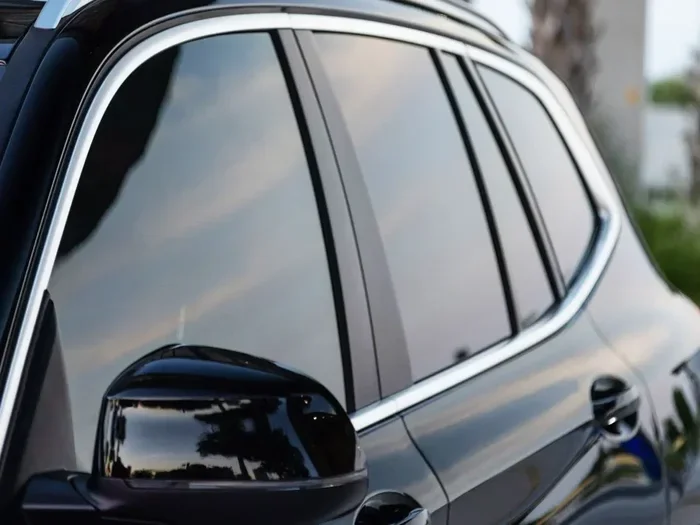
A 20% tint is noticeably darker. It gives your car that sleek, sporty look that turns heads. But it is not just about aesthetics. The darker shade delivers real performance benefits too.
Here is what you get with a 20% tint:
- Excellent heat rejection: It blocks significantly more solar heat than 35%. Your car stays much cooler in direct sunlight.
- Superior privacy: It is much harder for people to see inside your vehicle.
- Bold appearance: The dark finish gives your car a premium, customized look.
- Strong UV blocking: Like 35%, quality 20% films offer near-total UV protection.
- Reduced glare: Bright sunlight and oncoming headlights are less bothersome.
Who Should Choose 20% Tint?
Pick 20% if you care about privacy and heat control above all else. People who park outdoors for long hours benefit a lot from this shade. It is also a great pick for those who want their car to stand out with a deep, rich look.
Just keep in mind that 20% tint can make nighttime driving more challenging. If you do a lot of night driving or live in an area with poor street lighting, this is something to think about seriously.
Head-to-Head Comparison: 35% vs 20% Tint
Let us put the two side by side so you can see the differences clearly.
| Feature | 35% Tint | 20% Tint |
|---|---|---|
| Light Transmission | 35% of light passes through | 20% of light passes through |
| Heat Rejection | Good | Excellent |
| UV Protection | Up to 99% | Up to 99% |
| Privacy Level | Moderate | High |
| Night Visibility | Very good | Reduced |
| Legal Acceptance | Widely accepted | More restricted |
| Appearance | Subtle and clean | Dark and bold |
| Glare Reduction | Good | Very good |
| Average Cost Range | $150 – $400 | $175 – $450 |
| Fade Resistance | Good | Good (with quality film) |
As you can see, both options hold their own. The right one really depends on your lifestyle and priorities.
Legal Limits: Know Your Local Tint Laws
This is a section many people skip, but it matters a lot. Automotive tint laws vary by state, county, and even city. What is legal in one place could get you a ticket in another.
Here are some general rules of thumb:
- Front side windows: Many states require at least 35% VLT on the driver and passenger front windows.
- Rear side windows: Darker tints like 20% are often allowed on rear windows, even in strict states.
- Rear windshield: Most states permit darker tint on the back windshield, often with a mirror or sun visor requirement.
- Windshield: A small windshield tint strip at the top is usually allowed, but full windshield tinting is rarely legal.
Before you commit to a darkness level, look up your local window tint laws. A quick online search or a call to your local DMV will give you the exact numbers. Ignorance of the law is not a valid excuse, and a tint ticket can cost you more than the tint itself.
Tint Film Types: Does the Material Matter?
Dyed Tint
Dyed tint film is the most affordable option. It uses layers of dye to block light and heat. However, dyed tints tend to fade over time and offer less heat rejection than other types. If you go with 35% or 20% dyed film, expect it to last about 3 to 5 years before showing wear.
Metalized Tint
Metalized tint contains tiny metallic particles that reflect heat. It is more durable than dyed film and offers better heat rejection. The downside is it can interfere with cell phone signals and GPS. If you rely heavily on your phone in the car, this is worth noting.
Ceramic Tint
Ceramic tint is the premium choice. It uses nano-ceramic particles to block heat without interfering with electronics. It offers the best heat rejection and UV protection of all film types. Ceramic tint also does not fade as quickly. If you want the best performance from either 35% or 20% tint, ceramic is the way to go.
Carbon Tint
Carbon tint film is a solid middle-ground option. It does not fade, does not interfere with signals, and offers good heat rejection. It is more expensive than dyed tint but cheaper than ceramic. Many car owners choose carbon for a 35% or 20% tint application because it balances performance and cost well.
Quick Tips for Choosing the Right Tint
Still not sure? Here are some quick tips to help you decide:
- Think about your daily driving: If you drive long hours in direct sun, lean toward 20% for better heat control.
- Check your state laws first: This saves you time, money, and hassle down the road.
- Consider your nighttime driving: If you drive a lot at night, 35% will keep things safer and easier.
- Ask about film warranties: Good tint shops offer lifetime or multi-year warranties on their installations.
- Do not skip the pre-cut options: Pre-cut kits for specific car models make installation faster and cleaner.
- Get a professional install: DIY tint kits can save money, but professional work lasts longer and looks better.
Common Mistakes People Make When Choosing Tint
Avoid these pitfalls so you do not end up with a tint you regret:
- Choosing based on looks alone: A dark tint might look cool, but if it does not block heat or violates the law, it is not worth it.
- Ignoring the film type: The percentage matters, but the material matters just as much. A cheap dyed 20% film will fade and bubble fast.
- Skipping the legal check: Getting pulled over for illegal tint is frustrating and expensive. Always verify your local rules.
- Going too dark on front windows: Front side windows need to be light enough for safe driving, especially when checking mirrors and blind spots.
- Choosing the cheapest installer: A low price often means low-quality film and sloppy application. You will pay for it later with bubbling and peeling.
- Forgetting about interior protection: Tint also protects your dashboard, seats, and electronics from sun damage. Factor this into your decision.
Expert Insight: What Tint Professionals Recommend
We reached out to several experienced tint installers for their take on the 35% vs 20% debate. Here is what they had to say:
“Most of our customers start by asking about 20% because they want the dark look,” says Jake M., a professional installer with over 12 years of experience. “But when we explain the visibility trade-off, many of them end up choosing 35%. It is the safer, more practical option for everyday driving.”
“If a customer parks outdoors all day and wants maximum comfort, we recommend 20% ceramic tint,” adds Sarah L., another seasoned installer. “The heat difference compared to 35% is significant. Customers are always surprised by how much cooler their car stays.”
The consensus among professionals is clear. There is no single best answer. The best tint is the one that fits your specific needs, driving habits, and local laws.
Cost Breakdown: 35% vs 20% Tint Installation
Cost is always a factor when tinting your car. Here is a rough breakdown of what you can expect:
- Dyed 35% tint: $100 – $250 for a full sedan
- Dyed 20% tint: $125 – $300 for a full sedan
- Carbon 35% tint: $200 – $400 for a full sedan
- Carbon 20% tint: $250 – $450 for a full sedan
- Ceramic 35% tint: $300 – $550 for a full sedan
- Ceramic 20% tint: $350 – $600 for a full sedan
These prices vary based on your vehicle size, the quality of the film, and your local market. SUVs and trucks with larger windows will cost more. Always get quotes from at least two or three reputable shops in your area.
How Long Does Tint Last?
Tint durability depends heavily on the film type and the quality of installation. Here is a general lifespan guide:
- Dyed film: 3 to 5 years before fading or bubbling occurs
- Metalized film: 5 to 7 years with proper care
- Carbon film: 5 to 8 years, minimal fading
- Ceramic film: 10+ years, often backed by a lifetime warranty
To maximize the life of your window tint, avoid rolling down your windows for at least 3 to 5 days after installation. Use a non-ammonia cleaner on your windows, and avoid harsh scrubbing on the tinted surfaces.
Conclusion: Which Tint Should You Choose?
So, should I get 35 or 20 tint? The answer comes down to your personal needs. If you want a practical, versatile option that looks great and stays legal, 35% tint is the smart choice. It offers excellent comfort, strong UV protection, and clear visibility in all lighting conditions.
If heat rejection, privacy, and a bold look are your top priorities, 20% tint delivers where it counts. Just make sure it is legal where you live and that you are comfortable with the reduced nighttime visibility.
Either way, invest in quality film and professional installation. A good tint job lasts for years and makes a real difference in your daily driving experience. Take your time, do your research, and choose the option that fits your life best. Your car and your comfort will thank you.
Frequently Asked Questions
Is 35% tint legal on front windows in most states?
Yes, 35% tint is legal on front side windows in the majority of U.S. states. However, some states like California and New York have stricter limits, often requiring at least 70% VLT on front windows. Always check your specific state and local laws before getting tinted.
Can I see out of a 20% tint at night?
You can, but it is noticeably harder than with 35% tint. 20% tint reduces the amount of light entering the vehicle significantly. If you frequently drive at night or in poorly lit areas, 35% is the safer and more practical option.
Does 20% tint block more heat than 35%?
Yes, 20% tint blocks more solar heat because it allows less light to pass through. The difference in heat rejection is especially noticeable with ceramic and metalized films. On a hot summer day, a 20% tint can make your cabin feel 10 to 15 degrees cooler than untinted windows.
Which tint film type is best for 35% or 20% darkness?
Ceramic tint is the best overall choice for either darkness level. It offers top-tier heat rejection, UV protection, and clarity without interfering with electronics. Carbon tint is a strong runner-up if you want a more budget-friendly option that still performs well.
How much does it cost to tint all windows at 35% vs 20%?
The cost difference between 35% and 20% tint is usually minimal, often just $25 to $50 more for 20%. The bigger cost factor is the type of film you choose. Ceramic film costs more than dyed or carbon, regardless of the shade percentage.
Will 20% tint fade over time?
All tints fade to some degree, but the rate depends on the film type. Dyed 20% tint may show fading within 3 to 5 years. Ceramic and carbon 20% tints resist fading much better and can look great for 10 years or more with proper care.
=== CONCLUSION ===
Choosing between 35% and 20% tint does not have to be confusing. Both options serve real purposes and deliver meaningful benefits. The key is understanding what you need most from your car window tinting. Whether it is heat control, privacy, legal safety, or a stunning look, this guide has given you the tools to decide with confidence. Take your time, weigh your priorities, and enjoy your newly tinted ride.