Car Wont Jump Start: Common Reasons Why It Happens
A car won’t jump start for many reasons, and most drivers face this frustrating problem at least once. The most common cause is a dead battery, but corroded terminals, a bad starter motor, or even a weak key fob battery can also be the culprit. Understanding the real reason saves you time, money, and a lot of stress on a busy morning.
There are few moments more frustrating than turning your key or pressing the start button and hearing nothing. You try a jump start, and still, your car won’t jump start. It feels like the universe is conspiring against you on a Monday morning. But here’s the good news: most reasons behind this problem are easy to identify and fix.
Whether you’re dealing with a dead battery, corroded battery terminals, or something more complex like a failing starter motor, this guide covers every common cause. We’ll walk through each one step by step so you can diagnose the issue and get back on the road. Let’s dive in.
Key Takeaways
- Dead battery is the #1 reason: Most cars that won’t jump start simply have a battery that has lost its charge or died prematurely.
- Corroded terminals block power: Even a good battery can’t deliver juice if the connections are dirty or corroded.
- Cold weather drains batteries fast: Low temperatures reduce battery capacity and make starting your car much harder.
- Starter motor failure mimics a dead battery: If you hear a clicking sound but the engine won’t turn over, the starter might be the problem.
- Parasitic draw drains your battery overnight: Accessories left on or a faulty component can kill your battery while the car sits.
- Know when to call a pro: Some issues like alternator failure or fuel pump problems need professional diagnosis and repair.
📑 Table of Contents
- Why Your Car Won’t Jump Start
- Dead Battery: The Most Common Culprit
- Corroded or Loose Battery Terminals
- Faulty Starter Motor and Ignition Issues
- Cold Weather and Its Impact on Your Battery
- When the Alternator Is to Blame
- Less Obvious Reasons Your Car Won’t Jump Start
- How to Prevent Your Car from Not Jump Starting
- Key Takeaways
- Frequently Asked Questions
- Conclusion
Why Your Car Won’t Jump Start
When you attempt a jump start and your car won’t jump start, it usually points to one of several root causes. Many people assume it’s always the battery, but that’s not always true. The car electrical system is made up of multiple components that work together, and a failure in any one of them can prevent your engine from turning over.
Before you panic, take a deep breath. Start by checking the basics. Are the jumper cables connected properly? Is the donor car running? Sometimes a simple cable mix-up is all that stands between you and a working engine. Once you’ve ruled out human error, it’s time to look at the mechanical and electrical causes.
Common Signs Your Car Won’t Jump Start
Pay attention to what happens when you turn the key. Different sounds and behaviors point to different problems:
- Complete silence: No sound at all when you turn the key usually means a dead battery or a connection issue.
- Single click: A single click often indicates a faulty starter or a battery with just enough charge to engage the solenoid but not enough to crank the engine.
- Rapid clicking: This typically means your battery has some charge but not enough to turn the starter motor.
- Engine cranks slowly: A slow crank suggests a weak battery or poor battery voltage.
- Engine cranks but won’t start: This points to fuel or ignition problems rather than a battery issue.
Noting these symptoms helps you narrow down the cause quickly. It also saves valuable time when you’re stuck on the side of the road.
Dead Battery: The Most Common Culprit
A dead battery is the number one reason a car won’t jump start. Your battery provides the electrical power needed to crank the engine and start the combustion process. When the battery loses its charge, nothing else matters because the whole system depends on it.
Batteries typically last between three and five years. However, several factors can shorten that lifespan significantly. Extreme temperatures, frequent short trips, and leaving lights or accessories on all drain your battery faster than normal.
What Causes a Battery to Die?
Multiple things can kill your car battery over time:
- Age: Old batteries lose their ability to hold a charge. If yours is more than four years old, consider replacing it.
- Parasitic draw: Even when the engine is off, certain systems draw small amounts of power. A parasitic draw happens when a component continues pulling power after you turn off the ignition.
- Extreme temperatures: Both hot and cold weather stress your battery. Heat speeds up chemical breakdown inside the battery, while cold reduces its capacity.
- Infrequent use: Cars that sit unused for long periods lose charge gradually. The battery can’t recharge itself without the engine running.
- Charging system issues: If the alternator isn’t charging properly, the battery never gets fully replenished.
To test your battery, use a battery voltage tester. A healthy battery should read around 12.6 volts when the engine is off. If it reads below 12.0 volts, the battery is weak and may need charging or replacement.
How to Tell if a Jump Start Failed Because of the Battery
After a successful jump start, let the engine run for at least 15 to 20 minutes. This gives the alternator time to recharge the battery. If you turn the car off and it won’t start again shortly after, the battery is likely the problem and needs replacement.
Also pay attention to the dashboard warning lights. A battery-shaped light on your dashboard often signals a charging system issue or a failing battery. Don’t ignore it.
Corroded or Loose Battery Terminals
Here’s a sneaky reason your car won’t jump start: dirty or corroded battery terminals. Even if your battery is fully charged, corrosion on the terminals blocks the electrical current from flowing properly. It’s like trying to drink a thick smoothie through a clogged straw.
Corrosion looks like a white, blue, or greenish powdery substance on the battery posts and cable clamps. It builds up over time, especially in humid climates or when batteries are aging.
How to Clean Corroded Battery Terminals
Cleaning your battery terminals is simple and takes just a few minutes:
- Disconnect the negative cable first, then the positive cable.
- Mix baking soda with a small amount of water to create a paste.
- Apply the paste to the corroded areas using an old toothbrush.
- Let it sit for a few minutes, then scrub gently with the brush.
- Rinse with a small amount of water and dry thoroughly with a clean cloth.
- Reconnect the positive cable first, then the negative cable.
For a long-term fix, apply a thin layer of petroleum jelly or a special battery terminal protector spray. This prevents future corrosion and keeps your electrical connections strong.
Always check that your cable clamps are tight. Loose terminals cause intermittent connection problems that can make your car won’t jump start situation even more confusing. A simple tightening with a wrench can sometimes solve the entire problem.
Faulty Starter Motor and Ignition Issues
If your battery is healthy and the terminals are clean, the next suspect is the starter motor. The starter motor is the electric motor that cranks your engine when you turn the key or press the start button. When it fails, your car won’t jump start even with a brand-new battery.
A bad starter motor often makes a distinct clicking sound when you turn the key. The solenoid engages, but the motor itself doesn’t spin. In some cases, you might hear a grinding noise, which suggests the starter gears are worn or damaged.
Starter Motor vs. Starter Solenoid: What’s the Difference?
People often confuse these two components, but they serve different roles:
- Starter solenoid: Acts as a switch that sends power to the starter motor. It also pushes the starter gear into the engine flywheel.
- Starter motor: The actual electric motor that spins and cranks the engine.
A failed solenoid will produce a single click but no cranking. A failed motor might produce no sound at all or a grinding noise. Both issues prevent your engine from starting and can mimic a dead battery problem.
Ignition Switch Problems
The ignition switch is the component that sends the electrical signal to start the car. Over time, the internal contacts wear out and fail to send the proper signal. If you turn the key and the dashboard lights come on but the engine doesn’t crank, a faulty ignition switch could be the reason.
Ignition switch problems are less common than battery or starter issues, but they happen. A professional mechanic can test the switch and confirm whether it’s working properly.
Cold Weather and Its Impact on Your Battery
Cold weather is one of the biggest enemies of your car battery. When temperatures drop, the chemical reactions inside your battery slow down significantly. This reduces the battery’s ability to deliver the high current needed to start your engine.
Many drivers experience their car won’t jump start problem during winter months. Even a battery that works fine in summer can struggle in freezing temperatures. A battery that’s already weak or aging becomes especially vulnerable in cold conditions.
How Cold Weather Affects Battery Performance
Here’s what happens to your battery in cold weather:
- Reduced capacity: At 32°F (0°C), a battery loses about 20% of its capacity. At 0°F (-18°C), it can lose up to 60%.
- Thicker engine oil: Cold oil is thicker and harder to pump, so the starter motor has to work even harder.
- Increased engine resistance: The engine itself is harder to turn over when cold, requiring more electrical power.
All of these factors combine to make winter the most common season for car won’t jump start problems.
Tips to Protect Your Battery in Cold Weather
You can take several steps to prevent cold-weather starting problems:
- Use a battery blanket or engine heater to keep the battery warm overnight.
- Drive your car regularly to keep the battery charged.
- Have your battery tested before winter arrives.
- Keep your gas tank at least half full to prevent fuel line freeze-up.
- Consider upgrading to a cold cranking amps (CCA) rated battery if you live in a cold climate.
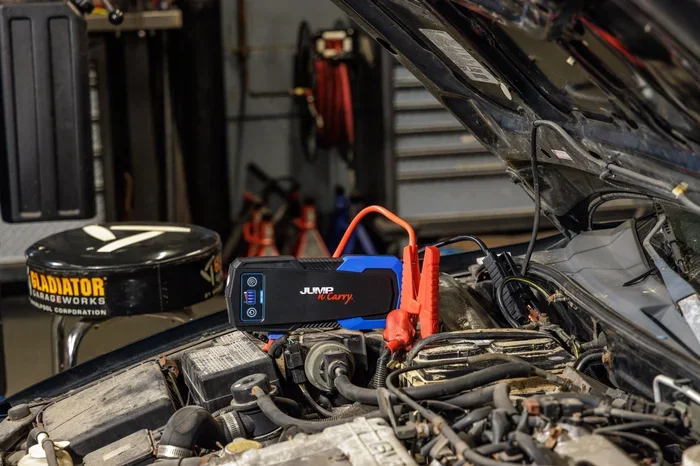
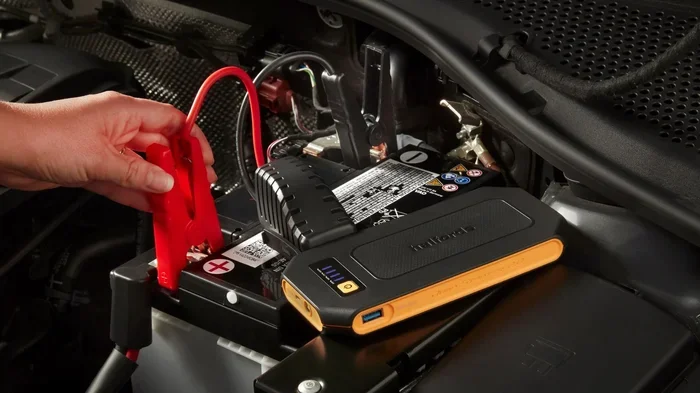
If your car sits outside in freezing temperatures, a portable jump starter pack is a smart investment. These compact devices fit in your trunk and can start your car even when the battery is completely dead.
When the Alternator Is to Blame
The alternator charges your battery while the engine runs. When the alternator fails, the battery can’t recharge, and your car will eventually stop starting. Many people don’t realize that a bad alternator can cause car won’t jump start problems even after a successful jump start.
If you jump-start your car and it dies again shortly after turning off the engine, the alternator is likely the problem. The alternator isn’t replenishing the battery, so every start drains it further.
Signs of a Failing Alternator
Watch for these warning signs:
- Dashboard battery light: This light illuminates when the charging system isn’t working properly.
- Dimming headlights: If your headlights get noticeably dimmer when you rev the engine, the alternator may be failing.
- Electrical glitches: Power windows, radio, or other accessories acting erratically can signal an alternator problem.
- Unusual grinding or whining noise: A failing alternator bearing often makes a distinctive sound.
- Battery warning on the dashboard: Modern cars display specific charging system warnings on the digital dash.
A mechanic can test your alternator output with a simple voltage test. A healthy alternator should produce between 13.5 and 14.5 volts with the engine running. Anything outside that range needs attention.
Less Obvious Reasons Your Car Won’t Jump Start
Sometimes the cause of your car won’t jump start problem isn’t related to the battery or electrical system at all. Several less obvious issues can also prevent your car from starting, even after a successful jump start.
Fuel Pump Failure
Your fuel pump delivers gasoline from the tank to the engine. When it fails, the engine cranks but won’t fire because it’s not receiving fuel. This is especially common in older vehicles or cars with high mileage. You might notice your car sputtering or losing power before the fuel pump completely fails.
Ignition Coil or Spark Plug Problems
The ignition coil converts battery voltage into the high voltage needed to create a spark at the spark plugs. A failed ignition coil or worn spark plugs mean no spark, which means no combustion. Your engine will crank but refuse to start.
This is a common issue that many people overlook when troubleshooting a car won’t jump start situation. Always check the ignition and fuel systems if the battery and starter are working fine.
Key Fob Battery Issues
If you drive a car with a push-button start, a dead key fob battery can prevent your car from recognizing the key. The car might not even enter the readiness mode needed to start the engine. This is an easy fix — replace the key fob battery and try again.
Many drivers don’t realize this is the issue until they’ve already tried everything else. Keep a spare key fob battery in your glove box for emergencies.
Clogged Fuel Filter
A clogged fuel filter restricts fuel flow to the engine. Over time, dirt and debris accumulate in the filter, reducing the amount of fuel that reaches the engine. This can cause starting problems, especially when the engine demands more fuel during startup.
Replacing a fuel filter is inexpensive and straightforward. Check your owner’s manual for the recommended replacement interval, which is typically every 20,000 to 40,000 miles.
Security System or Immobilizer Malfunction
Modern cars have sophisticated security systems and immobilizers that prevent the engine from starting unless the correct key is recognized. Sometimes these systems malfunction, especially after a battery replacement or a jump start. The immobilizer might not release, and your car won’t start even though everything else is working.
Try turning the key to the “on” position (not start) and waiting for 10 to 15 seconds before attempting to start the engine. This allows the security system to complete its initialization cycle.
How to Prevent Your Car from Not Jump Starting
Prevention is always better than cure when it comes to car won’t jump start problems. A little regular maintenance goes a long way in keeping your car reliable and ready to go.
Simple Habits That Protect Your Starting System
- Turn off all accessories before shutting off the engine: Lights, radio, and air conditioning all draw power that drains the battery overnight.
- Drive your car regularly: Short trips are fine, but your car needs running time to recharge the battery fully.
- Get your battery tested twice a year: Many auto parts stores offer free battery testing. Take advantage of this service.
- Keep battery terminals clean: A quick inspection and cleaning every few months prevents corrosion buildup.
- Replace your battery before it dies completely: Don’t wait until you’re stranded. Replace it proactively around the 3-to-5-year mark.
These small habits add up and dramatically reduce your chances of dealing with a car won’t jump start situation. They also extend the life of your battery and other electrical components.
When to Call a Professional Mechanic
While many car won’t jump start issues can be diagnosed at home, some problems require professional help. If you’ve checked the battery, terminals, and cables and everything looks fine, but your car still won’t start, it’s time to call a mechanic.
Issues with the starter motor, alternator, fuel pump, or ignition system often need specialized diagnostic equipment. A trained mechanic can pinpoint the exact cause quickly and safely. Trying to repair complex electrical problems without the right tools can cause more damage and cost you more money in the long run.
Also call a professional if your car needs to be jumped start frequently. Frequent jump starts indicate an underlying problem that needs proper diagnosis, not just repeated attempts.
Key Takeaways
- Dead battery is the #1 reason: Most cars that won’t jump start simply have a battery that has lost its charge or died prematurely.
- Corroded terminals block power: Even a good battery can’t deliver juice if the connections are dirty or corroded.
- Cold weather drains batteries fast: Low temperatures reduce battery capacity and make starting your car much harder.
- Starter motor failure mimics a dead battery: If you hear a clicking sound but the engine won’t turn over, the starter might be the problem.
- Parasitic draw drains your battery overnight: Accessories left on or a faulty component can kill your battery while the car sits.
- Know when to call a pro: Some issues like alternator failure or fuel pump problems need professional diagnosis and repair.
Frequently Asked Questions
Why won’t my car start even after a jump start?
If your car won’t jump start even after a full jump start attempt, the battery may be too damaged to hold a charge, or the problem could be a faulty alternator, corroded terminals, or a bad starter motor. Let the jumped car run for at least 15 to 20 minutes before trying again, and check all connections for tightness and cleanliness.
How long should I let a jumped car run before turning it off?
You should let the jumped car run for at least 15 to 20 minutes to allow the alternator to recharge the dead battery. However, if the battery is old or damaged, it may not hold a charge even after extended running time, and replacement might be necessary.
Can cold weather cause my car not to jump start?
Yes, cold weather significantly reduces battery capacity and increases the engine oil’s thickness, making it harder for the starter motor to crank the engine. In freezing temperatures, even a partially charged battery may not provide enough power to start the car, which is why winter is the most common season for car won’t jump start problems.
What does it mean if I hear clicking but my car won’t start?
A single click usually means the starter solenoid is engaging but the starter motor isn’t turning, which points to a bad starter or insufficient battery voltage. Rapid clicking typically means the battery has some charge but not enough to turn the starter motor, suggesting a weak or dying battery.
How do I know if my alternator is killing my battery?
If your car starts after a jump but dies again shortly after turning off the engine, the alternator is likely failing and not recharging the battery. Other signs include a dashboard battery warning light, dimming headlights, and electrical accessories behaving erratically while the engine is running.
Is it safe to jump start a car in the rain?
Yes, it is generally safe to jump start a car in the rain as long as you take proper precautions. Keep the jumper cables away from standing water, ensure all connections are dry and secure, and never touch the cable clamps together when they are connected to the batteries. The voltage from the cables is low enough that rain won’t cause electrocution.
Conclusion
Dealing with a car won’t jump start situation is never fun, but understanding the root cause makes it much easier to handle. From a simple dead battery to corroded terminals, a faulty starter motor, or even a clogged fuel filter, the reasons are varied but usually diagnosable with a bit of patience and observation.
Start with the basics: check the battery, inspect the terminals, and listen for telltale sounds when you turn the key. These simple steps solve the majority of car won’t jump start problems. For more complex issues like alternator failure or fuel pump problems, don’t hesitate to call a professional mechanic.
Regular maintenance and good driving habits go a long way in preventing these frustrating situations. Keep your battery clean, drive your car regularly, and replace aging batteries before they leave you stranded. With the right knowledge and a little preparation, you’ll be ready to handle whatever your car throws at you — and get back on the road with confidence.