How to Manually Disengage an Electronic Parking Brake
Learning how to manually disengage an electronic parking brake can save you from frustrating breakdowns and costly repair bills. This guide walks you through every method, tool, and safety precaution you need to release your EPB system when it fails. Whether your battery died, a sensor malfunctioned, or the system simply refuses to respond, you will find clear, step-by-step instructions to get your vehicle moving again.
Understanding how to manually disengage an electronic parking brake is an essential skill every car owner should have. When your EPB system refuses to release, it can leave you stranded in a parking lot or facing a costly tow truck visit. This guide gives you the knowledge and confidence to handle electronic parking brake failures on your own.
A parking brake release problem can happen to anyone. Cold weather, a dead battery, or a worn sensor can all trigger unexpected EPB malfunction symptoms. Instead of panicking, you can follow a few straightforward steps to regain control of your vehicle.
In this article, you will learn the most common reasons your electronic parking brake gets stuck. You will also discover step-by-step methods to perform a manual override safely. Each method is explained in simple terms so you can follow along with ease. We will also cover the tools you need, important safety precautions, and tips to prevent future issues. Whether you are dealing with a parking brake stuck situation right now or just want to be prepared, this guide has you covered.
Key Takeaways
- Multiple release methods exist: Every electronic parking brake system has at least one manual override option you can use in emergencies.
- Common causes include dead batteries and faulty sensors: Understanding why your EPB fails helps you choose the right fix.
- You will need basic tools: A jack, lug wrench, and flashlight are often enough to access the parking brake cable.
- Safety comes first: Always use wheel wedges and work on a flat surface before attempting any manual override.
- Know when to call a pro: Some EPB issues require professional diagnostic equipment and trained technicians.
- Regular maintenance prevents failures: Simple checks on brake fluid and battery health can keep your electronic parking brake working reliably.
📑 Table of Contents
Understanding the Electronic Parking Brake
What Is an EPB System?
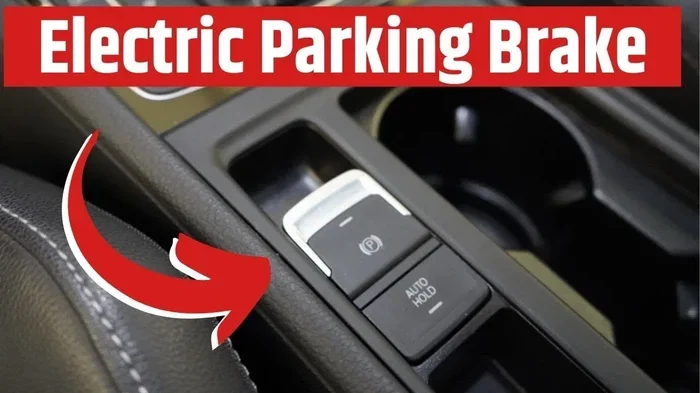
An electronic parking brake, often called an EPB, replaces the traditional lever or pedal you find in older cars. Instead of a cable you pull by hand, a small motor activates the brake mechanism inside the rear brake caliper. You simply press a button on your center console or dashboard, and the system engages or releases.
This technology is convenient and modern. It also adds features like auto hold, which keeps your car stationary when you lift your foot off the brake pedal at a stoplight. However, like any electronic system, it can develop problems over time. When that happens, knowing how to release it manually becomes invaluable.
How Does the EPB Work?
The EPB control module receives a signal when you press the button. It then sends an electrical command to a motor inside the rear brake caliper. The motor pulls or releases the parking brake cable, which applies or removes pressure on the brake pads.
A parking brake sensor monitors the position of the brake and sends feedback to your car’s computer. If something goes wrong in this chain, the warning light on your dashboard will turn on. Common triggers include low brake fluid, a weak 12-volt battery, or damaged wiring in the brake system.
Common Reasons for EPB Failure
Dead or Weak Battery
The most frequent cause of a stuck electronic parking brake is a dead or weak car battery. Your EPB system relies on electrical power to function. When the battery voltage drops below a certain level, the system may lock the brake in place as a safety measure.
This often happens when a car sits unused for a long time. It can also occur after you leave your lights on overnight. If you notice your dashboard warning light flickering before the brake locks up, a battery issue is likely the culprit.
Faulty Brake Sensors
The parking brake sensor tells your car whether the brake is engaged or released. Over time, these sensors can corrode, get dirty, or simply wear out. When the sensor sends incorrect signals, the EPB control module may refuse to release the brake even when you press the button.
Moisture and road salt are common enemies of brake sensors. If you live in a cold or coastal area, your sensors may degrade faster. Regular inspection can catch this problem early before it leaves you stranded.
Wiring and Electrical Issues
Damaged wiring is another sneaky cause of EPB malfunction. Rats can chew through wires under your car. Water can seep into connectors and cause short circuits. A blown fuse in the brake system circuit can also cut power to the electronic parking brake motor.
These issues are harder to diagnose on your own because they are not always visible. However, if you notice flickering dashboard lights or other electrical gremlins in your car, it is worth checking the EPB fuse and wiring harness as part of your troubleshooting.
Brake Caliper Motor Failure
Inside each rear brake caliper, there is a small electric motor responsible for engaging and releasing the parking brake. These motors can burn out over time, especially if the caliper seizes or the cable becomes stuck. When the motor fails, you will lose the ability to release the brake through normal button operation.
This type of failure usually requires more involved repair. However, you can still manually disengage the brake using the methods described below. Knowing this ahead of time can save you a lot of stress.
Step-by-Step Guide to Manually Disengaging Your EPB
There are several methods to perform a parking brake release manually. The method you use depends on your vehicle make and model, as well as the nature of the problem. Always start with the simplest method and work your way up if needed.
Method 1: Using the Override Button
Many vehicles with an electronic parking brake include a manual override feature. This is usually a small hole or button located near the EPB switch on the center console or dashboard.
To use this method:
- Insert a flathead screwdriver or a small pin into the override hole.
- Pull up gently while pressing the EPB button on the console.
- You should feel the brake release as the cable disengages.
- Drive carefully to a safe location or mechanic.
This method works on many Ford, Chevrolet, and Honda models. Check your vehicle owner’s manual to see if your car has an override feature and where it is located.
Method 2: Releasing the Parking Brake Cable
If the override button does not work, you can access the parking brake cable directly. This method requires you to get under the vehicle, so make sure you have a jack and jack stands ready.
Here is how to do it:
- Park your car on a flat, hard surface and turn off the ignition.
- Place wheel wedges behind the front tires to prevent rolling.
- Use a jack to lift the rear of the vehicle and secure it with jack stands.
- Locate the parking brake cable near the rear brake calipers.
- Find the cable end connected to the caliper lever.
- Use pliers or a cable puller to pull the cable taut and release it from the lever.
- Lower the vehicle carefully and test if the brake releases.
This method is effective for most vehicles but requires some mechanical comfort. If you have never worked under a car before, consider asking a friend for help or moving to the next method.
Method 3: Ignition and Pedal Techniques
Some vehicles allow you to release the electronic parking brake using a combination of ignition and pedal actions. This method works particularly well when the EPB system is confused by a temporary electrical glitch.
Try these steps:
- Insert your key into the ignition and turn it to the “on” position without starting the engine.
- Press the brake pedal firmly with your foot.
- While holding the brake pedal, press and hold the EPB button for about five seconds.
- Release the button and then start the engine.
- The parking brake warning light should turn off if the release was successful.
Another variation involves rocking the vehicle slightly while attempting the release. Gently shifting between drive and reverse (on automatic transmissions) can sometimes relieve enough pressure on the brake system to allow a normal release.
Method 4: Disconnecting the Battery
Resetting the EPB control module by disconnecting the car battery can resolve many electronic glitches. This method is simple and often overlooked.
Here is what to do:
- Turn off the engine and remove the key from the ignition.
- Open the hood and locate the car battery.
- Using a wrench, disconnect the negative terminal first.
- Wait at least 15 minutes to allow the EPB module to fully reset.
- Reconnect the negative terminal and start the engine.
- Try releasing the parking brake using the normal button.
This technique resets the electrical system and clears temporary error codes. It works well when the parking brake stuck issue is caused by a minor electrical fault rather than a mechanical failure.
Tools and Equipment You Will Need
Having the right tools makes any EPB release job safer and faster. You do not need a professional garage setup. A basic set of tools from your trunk or garage will handle most situations.
Here is a list of essential tools for manually disengaging an electronic parking brake:
- Jack and jack stands: You need these to safely lift the rear of your vehicle when accessing the parking brake cable.
- Flathead screwdriver: Useful for pressing override buttons or releasing cable clips.
- Pliers or cable puller: These help you grip and pull the parking brake cable free from the caliper lever.
- Flashlight: A bright light helps you see under the vehicle, especially at night or in dim garages.
- Wheel wedges or chocks: These prevent your car from rolling while you work underneath it.
- Gloves and safety glasses: Protect your hands from grease and your eyes from falling debris.
- Basic wrench set: Needed for battery terminal removal and any bolt adjustments.
Keeping these tools in your trunk or garage means you are always ready to handle a parking brake release emergency. A small investment in a basic tool kit pays for itself many times over.
Safety Precautions Before You Start
Working on your vehicle’s brake system requires extra caution. A mistake can lead to the vehicle rolling unexpectedly, causing injury or damage. Follow these safety tips every time you attempt a manual EPB disengage.
First, always work on a flat, level surface. Never attempt to work under a car parked on a slope or soft ground. Use wheel wedges on both front tires before lifting the rear of the vehicle. This is your first line of defense against accidental movement.
Second, never rely solely on a jack to hold the vehicle. Always use jack stands rated for your vehicle’s weight. A jack can slip or collapse, and the consequences can be severe. Place the jack stands on the designated support points under your vehicle’s frame.
Third, wear protective gear. Heavy-duty gloves keep your hands clean and protected from sharp edges. Safety glasses shield your eyes from grease, dirt, and small parts that may fall during the repair. These small precautions make a big difference.
Fourth, if you feel unsure at any point, stop and reassess. There is no shame in calling a professional. A parking brake repair done incorrectly can compromise your vehicle’s braking ability, which puts you and others at risk.
Preventing Future EPB Problems
The best way to avoid getting stranded by a stuck electronic parking brake is to take preventive steps. Regular maintenance keeps your EPB system in good working order and extends its lifespan significantly.
Check Your Battery Regularly
Since the EPB system depends on electrical power, a healthy battery is essential. Have your battery tested at every oil change or at least twice a year. Replace batteries that are more than three to five years old before they fail unexpectedly.
Also, avoid leaving lights or accessories on when the engine is off. A drained battery is the number one cause of parking brake release problems in modern vehicles.
Inspect the Brake Components
Have your mechanic inspect the rear brake calipers and parking brake cable during every brake service. Look for signs of corrosion, fraying, or seizing. A cable that is starting to rust can freeze in place, triggering the EPB warning light.
Applying a small amount of brake grease to the cable endpoints can prevent corrosion. This simple step takes only a few minutes but can save you from a major parking brake stuck situation later on.
Keep Brake Fluid at the Right Level
Low brake fluid can trigger the EPB system to malfunction. Check your brake fluid reservoir monthly and top it off with the correct type recommended in your owner’s manual. If you notice the fluid level dropping frequently, have your brake system inspected for leaks.
Address Warning Lights Promptly
Never ignore the parking brake warning light on your dashboard. If it stays on after you release the brake, it signals a problem. Addressing it early can prevent a minor issue from turning into a major repair. A quick trip to the mechanic when the light first appears can save you hundreds of dollars down the road.
When to Seek Professional Help
There are times when a manual override is not enough to fix the problem. If you have tried all the methods in this guide and your electronic parking brake still will not release, it is time to call a professional.
You should also seek professional help if you notice any of the following signs:
- The EPB warning light flashes repeatedly instead of staying solid.
- You hear grinding or clicking sounds coming from the rear wheels.
- The brake feels unusually tight and will not release even with cable access.
- Your vehicle pulls to one side when you attempt to drive after releasing the brake.
- The brake caliper motor has been replaced before and the problem returns.
A trained mechanic has access to diagnostic tools that can read error codes from the EPB control module. These codes reveal exactly what is wrong, saving you time and guesswork. Professional parking brake repair may cost more upfront, but it ensures the job is done safely and correctly.
Additionally, if your vehicle is still under warranty, attempting DIY repairs on the EPB system could void the coverage. Always check with your dealership before working on electronic brake components if your warranty is still active.
Conclusion
Knowing how to manually disengage an electronic parking brake is a practical skill that every driver should have. A stuck electronic parking brake can happen to anyone, at any time, for reasons ranging from a dead battery to a corroded sensor. The good news is that most EPB release situations can be handled with basic tools and a calm approach.
Start with the simplest method, such as the override button or battery reset. Move on to cable release or ignition techniques if the first attempt does not work. Always prioritize safety by using wheel wedges, jack stands, and protective gear. And remember, there is no shame in calling a professional when the problem goes beyond a simple fix.
Regular maintenance, including battery checks, brake fluid top-offs, and component inspections, can prevent most electronic parking brake failures before they happen. Stay proactive, stay informed, and keep your vehicle safe on the road. How to manually disengage an electronic parking brake is not just a survival skill; it is a confidence builder that empowers you as a car owner.
Frequently Asked Questions
Can I drive with the electronic parking brake partially engaged?
Driving with the EPB partially engaged can damage your brake system and reduce braking performance. The friction from the partially applied brake causes overheating, which wears out your brake pads and rotors faster. Always fully release the parking brake before driving.
How much does it cost to repair an electronic parking brake?
The cost varies depending on the problem. A simple EPB reset or sensor replacement may cost between $100 and $300. A brake caliper motor replacement can range from $400 to $800 including parts and labor. Getting a diagnostic check first helps you understand the exact cost before committing to repairs.
What should I do if my electronic parking brake will not release after a battery change?
After a battery change, the EPB system may need a reset. Try turning the ignition on, pressing the brake pedal, and holding the EPB button for five seconds. If that does not work, disconnect the battery for 15 minutes and reconnect it. This clears any temporary error codes in the system.
Is it safe to manually release the parking brake cable myself?
Yes, it is safe as long as you follow proper precautions. Always park on a flat surface, use wheel wedges, and support the vehicle with jack stands. Wear gloves and safety glasses. If you feel uncomfortable at any point, stop and consult a professional mechanic for assistance.
Can cold weather cause the electronic parking brake to freeze?
Yes, extremely cold temperatures can cause moisture in the parking brake cable and brake caliper to freeze, preventing normal operation. This is more common in older vehicles or cars parked outdoors without shelter. Keeping your car in a garage and using a brake system protectant can help prevent freezing.
How often should I have my electronic parking brake inspected?
Most manufacturers recommend inspecting the EPB system every 12,000 to 15,000 miles or during every brake service. Regular inspections catch worn cables, corroded connectors, and failing sensors early. Staying on top of maintenance keeps your electronic parking brake reliable and prevents unexpected failures.