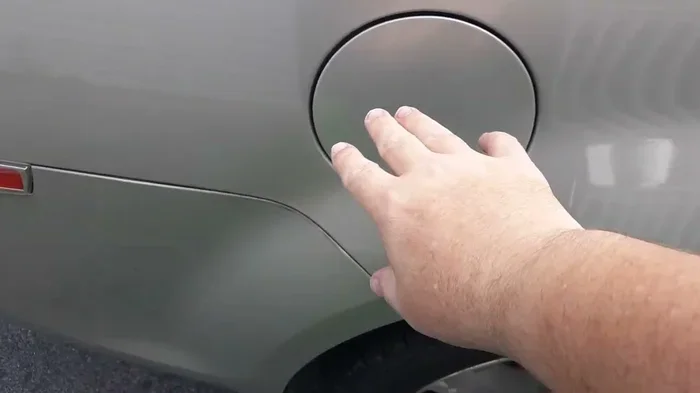
How Do You Release Gas From a Fuel Tank the Easy Way
Releasing gas from a fuel tank is a straightforward task every car owner should know how to do. Whether you need to drain fuel, relieve pressure, or perform maintenance, this guide covers all the easy methods. You will learn step-by-step instructions, safety tips, and common mistakes to avoid. With the right approach, you can handle fuel tank work confidently and keep your vehicle running smoothly.
Releasing gas from a fuel tank is one of those simple car maintenance skills that everyone should have in their toolkit. Whether you are draining old fuel, replacing a fuel pump, or just performing routine fuel tank maintenance, knowing the right steps makes all the difference. Many people feel intimidated by this task, but it is far easier than you might think. With the proper safety precautions fuel system knowledge and a few basic tools, you can handle the job in under an hour.
This guide walks you through every method for how do you release gas from a fuel tank the easy way. We cover safety steps, different techniques, troubleshooting tips, and long-term maintenance advice. You will learn what works best for your specific situation and how to avoid common pitfalls. Let us get started with the basics so you feel confident tackling your next fuel system project.
Key Takeaways
- Multiple Easy Methods Exist: You can release gas from a fuel tank using the fuel pump relay, by removing the fuel cap, or by siphoning fuel out manually. Each method works for different situations.
- Safety Is the Top Priority: Always work in a well-ventilated area, keep away from open flames, and wear protective gloves and eyewear when handling fuel.
- Know Your Vehicle’s Design: Different cars have different fuel system setups. Always check your owner manual before starting any fuel tank work to understand your specific components.
- Common Problems Have Simple Solutions: Stuck fuel caps, pressure buildup, vapor lock, and clogged vent valves are all issues you can diagnose and fix at home with basic tools.
- Regular Fuel System Maintenance Matters: Keeping your fuel lines clean, replacing filters on schedule, and checking the fuel tank vent valve prevents most problems before they start.
- Call a Professional When Needed: If you feel unsure about any step or notice unusual symptoms like fuel leaks or persistent pressure issues, seek help from a certified mechanic.
📑 Table of Contents
- Why You Need to Release Gas From a Fuel Tank
- Safety Precautions Before Working on Your Fuel Tank
- How Do You Release Gas From a Fuel Tank: Step-by-Step Methods
- Comparing the Three Methods
- Troubleshooting Common Fuel Tank Problems
- Quick Tips for Easier Fuel Tank Work
- Common Mistakes to Avoid When Releasing Gas From a Fuel Tank
- Expert Insights on Fuel Tank Maintenance
- Key Takeaways for Your Fuel Tank Maintenance Journey
Why You Need to Release Gas From a Fuel Tank
There are several reasons you might need to release fuel pressure or drain your tank. Understanding these reasons helps you choose the right method and stay safe throughout the process.
First, fuel system maintenance often requires you to empty the tank. If you are replacing a fuel pump, cleaning the tank, or swapping out a fuel filter replacement, you need access to the inside of the tank. Second, old or contaminated fuel can cause engine problems. Stale gas leads to rough idling, hard starting, and poor acceleration. Draining the tank and refilling with fresh fuel can solve these issues quickly.
Third, safety is a major concern. A pressurized fuel system can be dangerous if you do not release the fuel system pressure before working on it. Fuel leaks, pressure buildup, and vapor exposure all pose serious risks. Knowing how to properly release fuel pressure protects you and your vehicle. Finally, some situations like long-term storage or seasonal vehicle changes require you to drain fuel tank completely to prevent fuel degradation and gum buildup in the lines.
Recognizing When Fuel Tank Release Is Needed
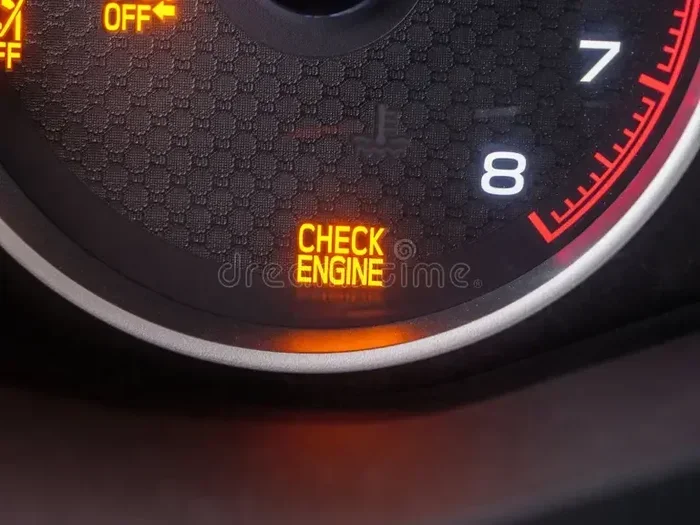
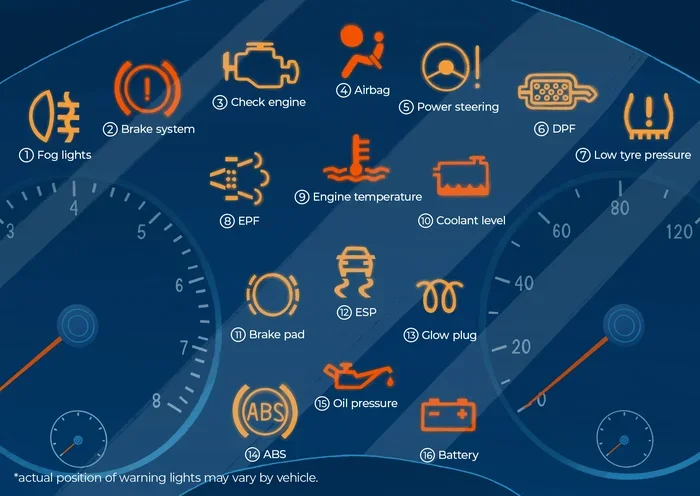
Watch for these signs that tell you it is time to work on your fuel tank. Your engine may sputter or stall unexpectedly. You might notice a strong fuel smell around the vehicle. The check engine light could come on due to fuel system faults. Sometimes you simply need to remove old fuel before storing the car for winter. Any of these situations means it is time to learn how do you release gas from a fuel tank properly.
Safety Precautions Before Working on Your Fuel Tank
Working with fuel demands respect and caution. Fuel vapors are highly flammable and can ignite from a single spark. Before you begin any work, follow these essential safety precautions fuel system guidelines to protect yourself and your property.
Always work outdoors or in a well-ventilated garage. Never attempt fuel tank work in an enclosed space. Open all doors and windows if you must work in a garage. Keep a fire extinguisher nearby at all times. Remove any ignition sources including cigarettes, sparks from power tools, and even static electricity.
Wear protective gear. Chemical-resistant gloves shield your skin from fuel contact. Safety goggles protect your eyes from splashes. Wear old clothing that you do not mind getting stained. Fuel can damage skin and eyes on contact and may cause irritation or burns.
Have the right tools ready before you start. You will need a socket set, a fuel catch pan, clean rags, and any specific tools your vehicle requires. Having everything prepared prevents rushed mistakes. Never use open flames to check for fuel leaks. Use a combustible gas detector or a soapy water solution instead.
Preparing Your Workspace
Set up your workspace on a flat, stable surface. Place a fuel catch pan under the work area to collect any spilled fuel. Lay down cardboard or a drip tray to protect the ground. Keep children and pets away from the area. Make sure your phone is charged in case you need to call for help. Taking five minutes to set up properly saves you from potential hazards later.
How Do You Release Gas From a Fuel Tank: Step-by-Step Methods
Now that you understand the why and the safety basics, let us dive into the actual methods. How do you release gas from a fuel tank? There are three main approaches, and each works best in different situations. We will walk you through each one clearly so you can pick the right method for your needs.
Method 1: Releasing Pressure Through the Fuel Pump Relay
This is the most common and safest method for releasing fuel pressure before disconnecting fuel lines. It works by cycling the fuel pump without running the engine, which bleeds off pressure in the system.
Step 1: Locate your fuel pump relay. Check your owner manual for the exact location. It is usually found in the fuse box under the hood or inside the cabin near the driver’s side.
Step 2: Start the engine and let it idle. Then remove the fuel pump relay while the engine is running. The engine will sputter and stall as it uses up the remaining fuel pressure in the lines.
Step 3: Turn the ignition off and wait a few minutes. This allows any residual pressure to dissipate completely. You can now safely disconnect fuel lines and work on the fuel system components without risk of fuel spraying.
This method is ideal for most modern vehicles with electric fuel pumps. It is quick, clean, and requires no special tools beyond knowing where your relay is located.
Method 2: Removing the Fuel Cap for Venting
Sometimes the simplest approach is the best. Gas cap removal allows the fuel tank to vent and release built-up pressure naturally. This method works well when you only need to relieve minor pressure or check the tank.
Step 1: Park your vehicle on a flat surface and turn off the engine. Wait at least ten minutes for the engine and fuel system to cool down. Hot fuel systems increase the risk of burns and vapor release.
Step 2: Open the fuel door and remove the fuel cap release cap slowly. Do it gradually to allow pressure to escape in a controlled manner. You may hear a slight hissing sound as pressure equalizes.
Step 3: Once the hissing stops, the tank is fully vented. You can now proceed with your maintenance tasks. Replace the cap securely when you are done.
This method is perfect for quick checks, minor pressure relief, and situations where you do not need to fully drain the tank. However, it does not work for complete fuel draining or major repairs.
Method 3: Siphoning Fuel Manually
If you need to actually remove fuel from the tank, siphoning is your go-to method. Siphon fuel removal works without any special pumps and gives you full control over how much fuel you extract.
Step 1: Gather your supplies. You need a length of clear tubing (about six feet), a fuel catch pan, and a helper if possible. Make sure the tubing is clean and free of any chemicals that could contaminate the fuel.
Step 2: Insert one end of the tubing into the fuel tank through the fuel filler neck. Push it down as far as you can reach. Have your helper blow gently into the tube if needed to start the flow.
Step 3: Place the other end of the tubing into your fuel catch pan, positioned lower than the fuel tank. Gravity and pressure will start pulling fuel through the tube once the siphon begins.
Step 4: Allow the fuel to flow steadily into the catch pan. Monitor the level and stop when you have removed the desired amount. Replace the fuel cap securely when finished.
This method is excellent for drain fuel tank tasks, seasonal storage preparation, or when you need to remove contaminated fuel. It requires patience but no expensive equipment.
Comparing the Three Methods
Each method has its strengths depending on what you are trying to accomplish. Here is a quick comparison to help you choose the right approach.
| Method | Best For | Difficulty Level | Time Required | Tools Needed |
|---|---|---|---|---|
| Fuel Pump Relay | Releasing pressure before repairs | Easy | 5-10 minutes | Owner manual, basic tools |
| Fuel Cap Removal | Quick pressure relief and venting | Very Easy | 2-5 minutes | None |
| Manual Siphoning | Draining fuel from the tank | Moderate | 15-30 minutes | Clear tubing, catch pan |
For most automotive maintenance tasks, start with the fuel pump relay method to release pressure, then use the siphon method if you need to remove fuel. The fuel cap method works best as a quick preliminary step or for minor venting needs.
Troubleshooting Common Fuel Tank Problems
Sometimes releasing gas from a fuel tank comes with challenges. Here are the most common issues you may encounter and how to solve them effectively.
Stuck or Difficult-to-Remove Fuel Cap
A stuck fuel cap is one of the most frustrating problems. It usually happens due to a vacuum seal buildup or a damaged fuel tank vent valve. Try tapping the cap gently with a rubber mallet to break the seal. If that does not work, apply a small amount of penetrating oil around the cap edges and wait a few minutes before trying again.
Never force a stuck cap with excessive pressure or improper tools. You risk damaging the gas cap removal threads or the fuel filler neck. If the cap remains stuck after these steps, visit an auto parts store for a cap removal tool or seek professional assistance.
Fuel System Pressure Not Releasing Properly
If you have tried the relay method but still feel pressure in the lines, there may be a stuck pressure relief valve. Check the valve location in your vehicle manual. A clogged valve prevents proper fuel line bleeding and can cause dangerous pressure buildup.
Another common cause is a faulty fuel pump check valve. This component prevents fuel from flowing back to the tank, but when it fails, it can trap pressure in the system. In this case, replacing the check valve or consulting a mechanic is the best course of action.
Vapor Lock Issues
Vapor lock occurs when fuel vaporizes in the lines before reaching the engine, especially in hot weather. This causes stalling and hard starting. To fix this, allow the engine to cool down before attempting to start it again. You can also release fuel pressure using the methods described above to clear vapor from the lines.
Preventing vapor lock involves keeping your fuel system in good condition. Use a fuel tank vent valve that functions properly and ensure your fuel lines are not exposed to excessive engine heat. Insulating fuel lines with heat shields can also help in hot climates.
Quick Tips for Easier Fuel Tank Work
- Keep your owner manual handy. It contains specific diagrams and instructions for your vehicle’s fuel system design.
- Work during cooler parts of the day. Fuel vapors are less volatile in cooler temperatures, reducing fire risk.
- Label all disconnected lines. Take a photo before disconnecting anything so you can reassemble correctly.
- Use a clean catch pan. Old fuel can contaminate fresh fuel if you mix them in the same container.
- Tighten connections by hand first. Then use a wrench for a quarter turn. Over-tightening can crack fittings and cause leaks.
- Keep a rag nearby. You will use it constantly to wipe up small spills and keep your work area clean.
- Check for recalls or service bulletins. Some vehicles have known fuel system issues that may affect your work.
Common Mistakes to Avoid When Releasing Gas From a Fuel Tank
Even with the best intentions, mistakes happen. Here are the most common errors people make when working on their fuel tank and how to avoid them.
Skipping the pressure release step. Many people jump straight into disconnecting fuel lines without first releasing pressure. This causes fuel to spray everywhere, creating a mess and a fire hazard. Always release fuel system pressure before touching any connections.
Using the wrong tools. Improper tools can damage fuel lines, fittings, and the tank itself. Invest in proper fuel line disconnect tools and quality socket sets. Cheap tools strip bolts and make the job harder.
Ignoring fuel vapor exposure. Breathing fuel vapors for extended periods causes headaches, nausea, and dizziness. Always work in open air and take breaks if you feel unwell.
Forgetting to check the vent valve. A stuck fuel tank vent valve causes pressure buildup that mimics a serious problem. Before assuming the worst, check the vent valve first. It is a simple and inexpensive fix that many people overlook.
Rushing the process. Fuel system work demands patience. Rushing leads to overtightened fittings, missed connections, and potential leaks. Take your time, follow each step carefully, and double-check your work before starting the engine.
Expert Insights on Fuel Tank Maintenance
Experienced mechanics agree that regular fuel tank maintenance is the best way to prevent problems. Here are some professional tips that go beyond the basics.
Inspect your fuel lines every six months. Look for cracks, corrosion, or soft spots in rubber fuel lines. Catching damage early prevents fuel leaks and costly repairs down the road. A simple visual inspection takes only a few minutes but can save hundreds of dollars.
Use quality fuel from reputable stations. Cheap fuel often contains more contaminants and water, which leads to clogged fuel filter replacement needs and tank corrosion. Spending a few cents more per gallon on quality fuel protects your entire fuel system.
Consider a fuel system cleaner. Adding a quality fuel additive every few tanks helps dissolve deposits and keeps your fuel system components running smoothly. This is especially important for older vehicles or cars that sit for long periods.
Replace your fuel filter on schedule. Most manufacturers recommend replacement every 30,000 to 50,000 miles. A clogged filter restricts fuel flow and puts extra strain on the fuel pump. Staying on top of this simple maintenance task extends the life of your entire fuel system.
Key Takeaways for Your Fuel Tank Maintenance Journey
How do you release gas from a fuel tank the easy way? The answer lies in choosing the right method for your situation, following proper safety steps, and taking your time. Whether you use the fuel pump relay method, remove the fuel cap for venting, or siphon fuel manually, each approach has its place in your maintenance toolkit.
Remember that fuel tank maintenance is not just about fixing problems. It is about preventing them. Regular inspections, quality fuel, and timely filter replacements keep your vehicle running at its best. When you understand your fuel system components and how they work together, you become a more confident and capable car owner.
Start with the simplest method that fits your needs. Practice safe fuel handling every time. And never hesitate to consult a professional when a task feels beyond your comfort level. Your fuel system is the heart of your vehicle, and taking care of it pays off in reliability, performance, and safety for miles to come.
Now that you know the easy way to release gas from a fuel tank, you are ready to tackle your next maintenance project with confidence. Grab your tools, set up your workspace, and get started. Your vehicle will thank you for it.
Frequently Asked Questions
Can I release gas from my fuel tank without any special tools?
Yes, you can release fuel pressure and vent your tank without special tools by simply removing the fuel cap. For draining fuel, you only need a length of clear tubing and a catch pan to siphon gas out manually. Most basic fuel tank maintenance tasks require nothing more than items you already have at home.
Is it safe to siphon fuel using my mouth?
No, you should never siphon fuel using your mouth. Fuel contains toxic hydrocarbons that are harmful if ingested. Always use a manual siphon pump or the clear tubing method described in this guide. These safe alternatives eliminate any risk of fuel ingestion and keep you protected during the process.
How often should I check my fuel tank vent valve?
Inspect your fuel tank vent valve during every oil change or at least twice a year. A functioning vent valve prevents pressure buildup and ensures proper airflow in the fuel system. If you notice fuel tank pressure issues or a stuck fuel cap, check the vent valve right away as it is a common culprit.
What should I do if fuel leaks during the release process?
If you notice a fuel leak, stop immediately and do not attempt to start the engine. Wipe up any spilled fuel with clean rags and check all connections for tightness. Inspect the fuel line disconnect points and replace any damaged seals or washers. If the leak persists, consult a professional mechanic to avoid safety risks.
Can I reuse fuel that I drained from my tank?
It depends on the condition of the fuel. Freshly drained fuel that has not been contaminated can often be reused. However, if the fuel appears discolored, has sediment, or has been sitting in the tank for over six months, it is best to dispose of it properly at a local recycling center or hazardous waste facility. Never reuse fuel that shows signs of contamination or degradation.
Does releasing gas from the tank affect engine performance?
No, properly releasing gas from the tank does not negatively affect engine performance. In fact, replacing old fuel with fresh fuel often improves engine performance, leading to smoother idling, better acceleration, and improved fuel economy. Just make sure you follow all steps correctly and reassemble everything securely before running the engine.
=== CONCLUSION ===
How do you release gas from a fuel tank the easy way? Now you have all the answers. From the simple fuel pump relay method to manual siphoning and fuel cap venting, you have multiple reliable options at your fingertips. Each method is designed to keep you safe while getting the job done efficiently.
Remember that fuel tank maintenance is an essential part of vehicle ownership. Taking care of your fuel system prevents expensive repairs, improves performance, and keeps you safe on the road. Start with the methods that match your comfort level, follow every safety precaution, and do not hesitate to ask for help when needed.
Your vehicle’s fuel system works hard every day to keep you moving. Show it some love by staying on top of maintenance and addressing issues promptly. With the knowledge you have gained from this guide, you are well-equipped to handle fuel tank tasks with confidence and ease. Get out there, grab your tools, and take charge of your vehicle’s fuel system maintenance today.