What Is the Lifespan of a Hybrid Car All You Need to Know
The hybrid car lifespan typically ranges from 200,000 to 300,000 miles, with many models lasting well beyond 15 years of regular driving. Understanding what affects hybrid car lifespan helps you make smart buying decisions and keep your vehicle running strong for decades. This guide covers everything from battery health to maintenance tips that extend your car’s life.
When you buy a car, one of the biggest questions is simple: how long will it last?
The hybrid car lifespan is a topic that interests millions of drivers. These vehicles combine a gas engine with an electric motor. That unique setup raises important questions about durability and long-term value.
Many people assume hybrids are complicated and prone to problems. But the truth is quite different. Hybrid cars are built to last. In fact, many models easily surpass 200,000 miles with regular care.
So what exactly determines how long a hybrid car lasts? And what can you do to make yours run longer? This guide answers all of those questions and more. We will walk through every factor that shapes hybrid car lifespan. By the end, you will have a clear picture of what to expect.
Key Takeaways
- Long-lasting vehicles: Most hybrid cars can last 200,000 to 300,000 miles with proper care.
- Battery matters: The hybrid battery is the most expensive component to replace, but it often lasts 8 to 15 years.
- Maintenance is key: Regular upkeep dramatically extends your hybrid car lifespan.
- Regenerative braking reduces wear: This system lessens brake pad replacement frequency.
- Resale value stays strong: Hybrid cars hold their value better than many gas-only vehicles.
- Warranty coverage helps: Most manufacturers offer strong hybrid battery warranties.
📑 Table of Contents
- Understanding the Hybrid Car Lifespan
- How Long Do Hybrid Cars Typically Last?
- What Affects the Lifespan of a Hybrid Car?
- Hybrid Car Battery Life and Replacement
- Maintenance Tips to Extend Your Hybrid Car Lifespan
- Hybrid Car Lifespan Compared to Traditional Gas Cars
- Is a Hybrid Car Worth the Long-Term Investment?
- Conclusion
Understanding the Hybrid Car Lifespan
Before diving into numbers, it helps to understand what makes a hybrid car different from a standard vehicle.
A hybrid car uses two power sources. There is a traditional gas engine and an electric motor. These work together to improve fuel efficiency and reduce emissions. The electric motor also helps the gas engine during acceleration and low-speed driving.
Because hybrids have more components, some people worry about reliability. But modern hybrid systems are highly refined. Car makers have spent decades improving them. The result is a vehicle that is both efficient and durable.
The average hybrid car lifespan depends on several factors. Driving habits matter a lot. So does maintenance. Climate plays a role too. But most hybrid cars will comfortably last between 200,000 and 300,000 miles.
How Hybrid Car Mileage Compares to Gas Cars
Traditional gas cars usually last around 200,000 miles. Some well-maintained models go beyond that. But hybrids often exceed this number. The electric motor reduces strain on the gas engine. This means fewer miles of hard wear on key components.
Here is a quick comparison of different vehicle types:
- Hybrid cars: 200,000 to 300,000 miles average hybrid car lifespan
- Gas-only cars: 150,000 to 200,000 miles average lifespan
- Diesel cars: 250,000 to 350,000 miles average lifespan
- Electric cars: 250,000 to 300,000 miles average lifespan
As you can see, the hybrid car lifespan is competitive. It often beats gas-only vehicles. And it comes close to electric cars in many cases. This makes hybrids a smart choice for long-term ownership.
How Long Do Hybrid Cars Typically Last?
The honest answer is: it depends. But most hybrid owners can expect their vehicles to serve them well for 15 to 20 years. Let us break this down further.
Average Hybrid Car Lifespan by Model
Not all hybrids are created equal. Some brands are known for exceptional durability. Others may have more mixed records. Here are some popular models and what you can expect.
- Toyota Prius: Often lasts 250,000 to 300,000 miles. Toyota is the gold standard for hybrid car reliability. The Prius has been on the market since 1997.
- Honda Civic Hybrid: Typically reaches 200,000 to 250,000 miles with proper care.
- Ford Escape Hybrid: Expect around 200,000 to 250,000 miles of service.
- Chevrolet Volt: Can last 200,000+ miles, though plug-in components may need attention earlier.
- Hyundai Ioniq: A solid contender with a lifespan of 200,000 to 250,000 miles.
Toyota deserves special mention. The hybrid car lifespan of Toyota models is often the longest in the industry. Their commitment to hybrid technology spans decades. That experience shows in their reliability and build quality.
Real-World Examples of Long-Lasting Hybrids
There are real stories of hybrids going the distance. One Toyota Prius owner in California drove over 400,000 miles on the original battery and engine. Another Honda Civic Hybrid hit 300,000 miles with only routine maintenance.
These stories are not rare. They are becoming more common as hybrid technology matures. The hybrid car lifespan continues to improve with each new generation of vehicles. Engineers keep finding ways to make components stronger and more efficient.
Quick Tip: When shopping for a used hybrid, look for models with documented maintenance records. A well-documented service history is a strong indicator of a long remaining hybrid car lifespan.
What Affects the Lifespan of a Hybrid Car?
Many factors influence how long your hybrid car will last. Understanding these can help you make smarter choices as an owner. Let us look at the biggest factors in detail.
Driving Habits
How you drive matters a lot. Aggressive driving wears out components faster. Hard braking and rapid acceleration put extra stress on both the gas engine and electric motor. Over time, this adds up to more wear and tear.
On the other hand, gentle driving extends your hybrid car lifespan significantly. Smooth acceleration and gradual braking keep everything running smoothly. The regenerative braking system in hybrids handles light braking automatically. This reduces wear on traditional brake components.
Tip: Try to keep your speed steady on highways. Avoid sudden stops when possible. These small changes add up over thousands of miles and protect your hybrid powertrain.
Maintenance Routine
Regular maintenance is the single most important factor. Skipping oil changes or ignoring warning signs leads to bigger problems later.
Hybrid cars need many of the same services as gas cars. You still need oil changes, tire rotations, and brake inspections. But hybrids also have unique components that need attention. The hybrid battery, electric motor, and power electronics all require periodic checks.
Following the manufacturer’s maintenance schedule is crucial. It keeps your hybrid car lifespan on track and prevents costly repairs down the road. Find a mechanic who is certified in hybrid systems. They will know the specific needs of your vehicle.
Climate and Environment
Where you live affects your car’s longevity. Extreme heat and cold both stress hybrid batteries. Very hot climates can degrade battery cells faster. Extremely cold climates reduce battery efficiency temporarily.
If you live in a harsh climate, take extra precautions. Park in a garage when possible. Use a battery maintainer in winter. These steps protect your hybrid components and extend your hybrid car lifespan. Also, keep your car clean. Road salt and debris can cause corrosion on undercarriage components.
Battery Health and Replacement
The hybrid battery is the heart of the system. Its condition directly impacts your car’s overall lifespan. Most hybrid batteries last between 8 and 15 years. Some go well beyond that with proper care.
When a hybrid battery does fail, hybrid battery replacement cost can be high. New batteries range from $1,000 to $6,000 depending on the model. But many owners opt for refurbished or rebuilt batteries. These cost less and work just as well.
Quick Tip: If your hybrid battery shows signs of decline, get it checked early. Catching a weak battery early can prevent damage to other components and preserve your hybrid car lifespan.
Hybrid Car Battery Life and Replacement
The hybrid battery deserves its own section because it is so important. Most drivers have questions about battery life. Let us address the biggest ones.
How Long Does a Hybrid Battery Last?
Most hybrid car battery life falls in the 8 to 15 year range. Some batteries last even longer. Toyota has documented cases of original batteries reaching 200,000 miles or more.
The type of battery matters too. Older hybrids use nickel-metal hydride battery packs. Newer models use lithium-ion hybrid battery technology. Both types have proven track records. Lithium-ion batteries tend to be lighter and more energy-dense. They also charge faster and hold their charge better over time.
Regenerative braking helps extend battery life. This system captures energy during braking and stores it for later use. It reduces the strain on the battery during normal driving. Over time, this adds up to better battery health and a longer hybrid car lifespan.
Signs Your Hybrid Battery Needs Attention
Watch for these warning signs. They could indicate battery problems:
- Reduced fuel efficiency: Your gas mileage drops noticeably over time.
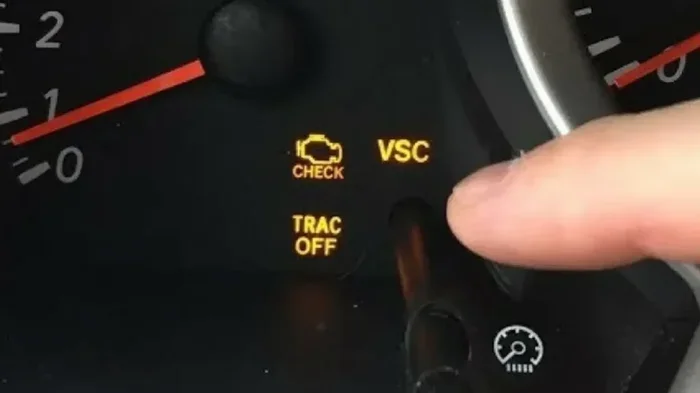
- Warning lights on the dashboard: The hybrid system light comes on.
- Unusual engine noise: The gas engine runs more than usual at idle.
- Difficulty holding a charge: The battery drains faster than normal.
- Rough idling: The car shakes or feels unstable at stops.
If you notice any of these signs, visit a qualified mechanic. Early detection can save you from a full battery replacement. It also protects the rest of the hybrid powertrain from secondary damage.
Battery Replacement Cost and Options
Hybrid battery replacement is not cheap. But it is also not always necessary. Here are some options to consider when facing battery issues:
- New battery: Costs $1,000 to $6,000. Comes with a warranty. Best for long-term ownership.
- Refurbished battery: Costs $500 to $2,500. A good budget option with decent performance.
- Reconditioned battery: Costs $800 to $3,000. Professionally restored to near-new condition.
- Used battery: Costs $300 to $1,500. Risky but affordable. Best for short-term ownership.
Many manufacturers offer strong warranties on hybrid batteries. Toyota, for example, covers hybrid batteries for 8 to 10 years or 100,000 miles. This gives owners peace of mind. It also protects the hybrid car lifespan during the warranty period.
Maintenance Tips to Extend Your Hybrid Car Lifespan
Proper care makes a huge difference. Follow these tips to maximize your hybrid car lifespan and keep your vehicle running strong for years to come.
Follow the Maintenance Schedule
Your owner’s manual has a maintenance schedule. Follow it closely. Hybrid cars need many of the same services as regular cars. But they also have unique needs that standard mechanics might overlook.
Do not skip oil changes. Use the recommended oil type. Check the cooling system regularly. Hybrid systems generate heat, and proper cooling is essential. Also, keep up with brake fluid and transmission fluid changes. These small investments pay off big time.
Monitor Battery Health
Keep an eye on your hybrid battery. Most cars have a battery health indicator. Check it during every service visit. A healthy battery is the foundation of a long hybrid car lifespan.
Avoid letting the battery drain completely. Deep discharges can shorten battery life. If you park your car for long periods, start it regularly to keep the battery charged. This simple habit can add years to your battery’s life.
Drive Gently and Consistently
As mentioned earlier, driving habits matter. Gentle driving reduces wear on all components. It also improves fuel efficiency, which is one of the main reasons people buy hybrids in the first place.
Quick Tip: Use cruise control on highways. It promotes steady speed and reduces engine strain. This is one of the easiest ways to protect your hybrid car lifespan without any extra effort.
Keep Tires Properly Inflated
This sounds simple, but it is often overlooked. Underinflated tires reduce fuel efficiency. They also wear out faster and create unsafe driving conditions. Check your tire pressure at least once a month.
Proper tire care supports the overall hybrid car lifespan. It keeps your car safe and efficient on the road. Plus, properly inflated tires improve your fuel efficiency hybrid driving experience.
Address Issues Promptly
Do not ignore warning signs. Small problems become big ones fast. A strange noise or a drop in efficiency could signal a bigger issue hiding underneath.
Take your car to a trusted mechanic at the first sign of trouble. Early repairs are always cheaper than major fixes later. This is especially true for hybrid systems where one failing component can stress others. Prompt hybrid car repair keeps everything running smoothly.
Hybrid Car Lifespan Compared to Traditional Gas Cars
Now let us compare. How does the hybrid car lifespan stack up against traditional gas cars? The answer might surprise you.
Head-to-Head Comparison
Here is a detailed look at how hybrids and gas cars compare over time:
Engine Wear: Hybrids use the electric motor to assist the gas engine. This means the gas engine works less hard. Less strain means longer engine life. Many hybrid gas engines last well beyond 200,000 miles. The hybrid car engine life often exceeds that of gas-only counterparts.
Brake System: Hybrids use regenerative braking. This system recaptures energy and slows the car. It reduces wear on brake pads and rotors. Hybrid brake pads often last twice as long as those on gas cars. This is a major advantage for long-term ownership.
Transmission: Most hybrids use continuously variable transmissions (CVTs). These are simpler than traditional automatics. Fewer moving parts means fewer things to break. The hybrid car lifespan benefits from this simpler design.
Overall Reliability: Studies show that hybrids are generally as reliable as gas cars. Some models are even more reliable. The key is staying on top of maintenance. A well-cared-for hybrid is a dependable companion for years.
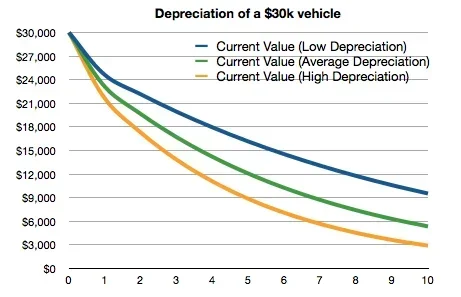
Depreciation: Hybrid cars depreciate at a similar rate to gas cars in the first few years. But after five years, hybrids often hold their value better. Fuel savings and eco-friendly appeal help with resale. Strong hybrid car resale value means you lose less money when it is time to sell.
Cost of Ownership Over Time
Hybrid cars often cost more upfront than gas equivalents. But the long-term savings can be significant. Better fuel economy means less money at the pump. Lower maintenance costs on brakes and engines add up over time.
Over a 10-year period, many hybrid owners save thousands of dollars. This makes the hybrid car lifespan a smart financial choice for many drivers. The hybrid car ownership cost is often lower than people expect.
Also, many states offer tax incentives for hybrid owners. These can offset the higher purchase price. Check your local and state programs before buying. Every bit helps with the total cost of ownership.
Is a Hybrid Car Worth the Long-Term Investment?
This is the big question. After learning about hybrid car lifespan and maintenance needs, is a hybrid right for you?
The answer depends on your situation. But for most drivers, the answer is yes.
Hybrid cars offer a great balance of efficiency, reliability, and longevity. They are not perfect. But they are one of the best choices for long-term ownership. The hybrid vehicle durability has improved dramatically over the past two decades.
Think about your driving habits. If you commute daily, a hybrid saves a lot on fuel. If you drive short trips, the electric motor handles much of the work. This reduces engine wear and extends your hybrid car lifespan. City driving is actually where hybrids shine the most.
Also consider your budget. Hybrids may cost more upfront. But lower fuel costs and reduced maintenance expenses offset that over time. Many owners break even within 5 to 7 years. After that, the savings are pure profit.
Quick Tip: Before buying, research the specific model’s reliability record. Look at owner reviews and long-term test results. Choose a hybrid with a strong track record for the best hybrid car lifespan. Brands like Toyota, Honda, and Hyundai consistently rank high in reliability surveys.
Conclusion
The hybrid car lifespan is impressive. Most hybrids last 200,000 to 300,000 miles with proper care. That is 15 to 20 years of reliable service for most drivers. These vehicles prove that efficiency and durability can go hand in hand.
Several factors influence how long your hybrid lasts. Driving habits play a big role. So does maintenance. Battery health is critical. And the brand and model you choose matters too. By paying attention to these factors, you set yourself up for success.
By following the tips in this guide, you can maximize your hybrid car’s life. Regular maintenance, gentle driving, and prompt repairs all contribute. Your hybrid can serve you well for many years to come.
If you are considering a hybrid, go for it. These vehicles offer a winning combination of efficiency, reliability, and longevity. The hybrid car lifespan proves that smart technology and durability go together. Take care of your hybrid. It will take care of you for the long haul.
Frequently Asked Questions
How long does the average hybrid car last?
The average hybrid car lifespan is between 200,000 and 300,000 miles. With proper maintenance, many hybrids last 15 to 20 years. Some well-cared-for models even exceed 300,000 miles. Your driving habits and maintenance routine play a big role in determining your specific vehicle’s longevity.
How much does it cost to replace a hybrid battery?
Hybrid battery replacement costs typically range from $1,000 to $6,000. The exact price depends on your car model and battery type. New batteries cost more but come with warranties. Refurbished and reconditioned options are more affordable and still deliver solid performance for years.
Do hybrid cars need more maintenance than regular cars?
No, hybrids do not need significantly more maintenance. They require the same basic services as gas cars, like oil changes and tire rotations. The regenerative braking system actually reduces wear on brakes. Overall, the hybrid car maintenance cost is comparable to or slightly lower than traditional vehicles.
What is the lifespan of a Toyota Prius hybrid battery?
Toyota Prius hybrid batteries typically last 8 to 15 years or 100,000 to 150,000 miles. Many Prius owners report original batteries lasting well beyond 200,000 miles. Toyota’s long history with hybrid technology contributes to this exceptional Toyota Prius lifespan. Regular maintenance and gentle driving help maximize battery life.
Are hybrid cars more reliable than gas cars?
Hybrid cars are generally just as reliable as gas cars, and in many cases more so. The electric motor reduces strain on the gas engine, which can extend overall hybrid car reliability. Studies show that hybrid owners report fewer major repairs over time compared to gas-only vehicle owners.
Can you still drive a hybrid car when the battery dies?
In most cases, yes. When the hybrid battery fails, the gas engine can still operate on its own. However, you will lose the fuel efficiency benefits and may see warning lights on the dashboard. It is best to address battery issues promptly to maintain your hybrid car lifespan and avoid further damage to the powertrain.