How Do You Open a Car Trunk With Just a Screwdriver
How do you open a car trunk with a screwdriver is a common question among drivers facing unexpected lockouts. Whether your trunk release fails or you lose your keys, a basic screwdriver can help you regain access safely. This guide covers every method, tool type, and precaution you need to know. You will learn step-by-step techniques that work on most vehicle models. Understanding these methods saves time, money, and unnecessary stress during a car lockout emergency.
Ever found yourself standing next to your car, luggage in hand, with a trunk that simply will not open? It happens to the best of us. A dead key fob battery, a broken release button, or a lost set of keys can turn a simple loading task into a frustrating ordeal. Many drivers search for how do you open a car trunk with a screwdriver because a screwdriver is one of the most common tools people already have in their homes or glove compartments.
The good news is that opening a trunk with a screwdriver is a skill many people can learn. It does not require expensive equipment or advanced mechanical knowledge. With the right screwdriver, a bit of patience, and the guidance in this article, you can handle most trunk lockout situations confidently. Let us walk through every method, every tool, and every precaution you need to know.
Key Takeaways
- Multiple Methods Exist: Different screwdriver types and techniques work depending on your car’s trunk lock mechanism.
- Safety Comes First: Always exercise caution and avoid damaging your vehicle when attempting any trunk opening method.
- Know Your Lock Type: Understanding whether you have a latch-style lock, cylinder lock, or electronic release helps you choose the right approach.
- Call a Pro When Needed: Some situations require a professional automotive locksmith to avoid costly repairs.
- Prepare Before Emergencies: Keeping basic tools and backup keys ready prevents stressful lockout situations.
- Practice Makes Easier: Familiarizing yourself with these methods before an emergency makes the process smoother.
📑 Table of Contents
- Why You Might Need to Open a Car Trunk With a Screwdriver
- Types of Screwdrivers That Work for Trunk Opening
- Step-by-Step Guide to Opening Your Car Trunk With a Screwdriver
- Understanding Your Car Trunk Lock Mechanism
- Safety Tips and Precautions to Keep in Mind
- When to Call a Professional Locksmith Instead
- Preventing Future Trunk Lockouts
- Conclusion
Why You Might Need to Open a Car Trunk With a Screwdriver
A car trunk lockout can happen at the worst possible moment. You might be rushing to a road trip, moving house, or simply grabbing groceries. Understanding why these situations occur helps you prepare better and respond faster when they happen.
Common Reasons for a Trunk Lockout
Several everyday situations lead to a locked trunk. Here are the most common causes:
- Dead key fob battery: Your remote trunk release stops working when the battery dies. This is the number one reason drivers find themselves locked out.
- Broken trunk release button: The interior release lever or button can snap or jam over time due to regular wear and tear.
- Lost or locked keys inside the trunk: It happens more often than you think. Keys get left inside, and the trunk locks shut.
- Faulty trunk lock cylinder: The lock mechanism itself can fail due to rust, dirt buildup, or internal damage.
- Child lock engaged: Some vehicles have child safety locks that also prevent the trunk from opening from the inside.
- Electrical system failure: A blown fuse or wiring issue can disable electronic trunk releases entirely.
When a Screwdriver Becomes Your Best Tool
In many of these situations, a screwdriver is the simplest and most accessible solution. Unlike specialized lockout tools, almost everyone owns at least one screwdriver at home. A flathead screwdriver or a Phillips screwdriver can handle several types of trunk locks. The key is knowing which type to use and how to apply it correctly without causing damage.
Before you start, it helps to understand that different car models use different trunk lock mechanisms. Sedans, SUVs, and hatchbacks all have slightly different trunk access systems. The methods below cover the most common setups you will encounter.
Types of Screwdrivers That Work for Trunk Opening
Not every screwdriver works for every trunk lock. Choosing the right type makes the process easier and reduces the risk of damaging your car. Here is a breakdown of the most effective screwdriver types for trunk opening.
Flathead Screwdriver
A flathead screwdriver is the most versatile option for trunk lockouts. Its flat, narrow blade slides into many trunk lock slots and latch mechanisms. You can use it to push release tabs, manipulate lock pins, or pry open certain trunk handles gently. Look for a flathead that is about two to three inches long with a narrow, flat tip for the best results.
Phillips Head Screwdriver
A Phillips screwdriver works well on trunk locks that have cross-shaped screw slots. Some trunk latch covers are held in place by Phillips screws. Removing these screws gives you access to the internal latch mechanism, allowing you to manually release the trunk. A medium-sized Phillips head, usually size #2, handles most car trunk screws.
Torx Screwdriver
Some modern vehicles use Torx screws for trunk panels and locks. These star-shaped screw heads require a matching Torx screwdriver. If you have a newer car, check whether your trunk panel uses Torx fasteners before trying other methods. Having a Torx set in your glove box can save you a lot of trouble.
Hex Key Screwdriver
A hex key or Allen wrench is less common but still useful for certain vehicle models. Some trunk handles and latches use hex bolts. A small hex key set is lightweight and easy to store in your car kit for emergencies.
Comparison Table: Screwdriver Types for Trunk Opening
| Screwdriver Type | Best For | Ease of Use | Risk of Damage |
|---|---|---|---|
| Flathead | Prying latches, pushing release tabs, manipulating lock pins | Easy | Low to Medium |
| Phillips Head | Removing trunk panel screws, accessing internal mechanisms | Easy | Low |
| Torx | Modern vehicles with star-shaped fasteners | Moderate | Low |
| Hex Key | Vehicles with hex bolt trunk handles | Moderate | Low |
Step-by-Step Guide to Opening Your Car Trunk With a Screwdriver
Now that you know which screwdriver to use, let us walk through the actual process. Follow these steps carefully and patiently. Rushing can lead to scratches, dents, or broken components.
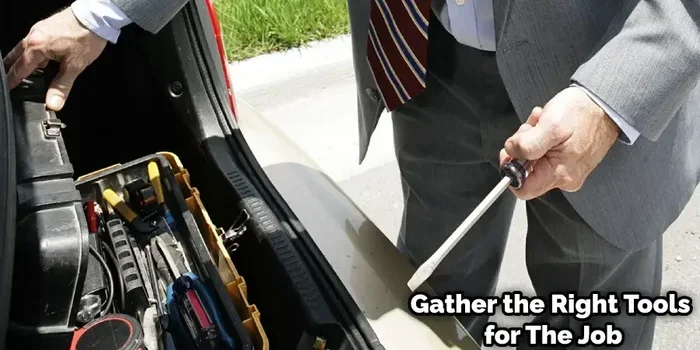
Step One: Gather Your Tools
Before you start, make sure you have the right screwdriver ready. A flathead screwdriver is the most universally useful option. If you have a set of screwdrivers with you, bring the flathead and Phillips options. You may also want a flashlight to see inside the trunk lock area clearly. Wearing gloves can protect your hands from sharp edges.
Step Two: Locate the Trunk Lock or Release Mechanism
Walk around your car and find the trunk lock. On most vehicles, the lock is located on the trunk lid itself, near the handle. Some cars have the lock on the rear tailgate or on the trunk frame. Look for any visible screws, caps, or panels covering the lock mechanism. Use your flashlight to inspect the area closely.
Step Three: Remove Any Cover Panels
Many trunk locks have a small plastic cover or trim piece hiding the lock cylinder. Use the flat end of your screwdriver to gently pry off this cover. Work slowly and apply even pressure. Do not use excessive force, or you may crack the plastic trim. Once the cover is off, you will see the lock cylinder or release mechanism clearly.
Step Four: Insert the Screwdriver and Manipulate the Lock
This is the critical step. Insert your screwdriver into the lock cylinder or the latch mechanism. The exact angle and position depend on your vehicle model. For most trunk locks, you want to insert the flathead into the keyhole and apply gentle turning pressure, just as you would with a key. Turn the screwdriver clockwise or counterclockwise until you feel the lock release.
For latch-style trunk locks, you may need to insert the screwdriver under the latch arm and push the release tab inward. Listen for a clicking sound, which indicates the lock has disengaged.
Step Five: Open the Trunk and Access the Interior
Once the lock releases, lift the trunk lid or tailgate. If your vehicle has an interior trunk release lever, you can now reach inside and pull it to open the trunk from within. This is especially helpful if the trunk lid itself is difficult to open from the outside. Reach in carefully and locate the release lever or handle.
Step Six: Inspect and Secure the Trunk
After gaining access, inspect the trunk lock mechanism for any visible damage or debris. Clean out any dirt or objects that may have caused the lock to jam. If the lock still works, make sure it engages properly when you close the trunk. Test the release button or lever to confirm everything functions normally.
Quick Tips for Success
- Go slow and steady: Applying too much force can strip the lock cylinder or scratch your car paint.
- Use a flashlight: Good visibility prevents you from missing small release tabs or screws.
- Keep a spare screwdriver in your car: Having a tool ready means you never have to wait for help during a lockout.
- Apply penetrating oil first: If the lock feels stiff, a spray of WD-40 or similar lubricant can loosen it before you attempt to turn it.
- Watch online tutorials for your specific model: Every car is slightly different, and a video specific to your vehicle model can be incredibly helpful.
Understanding Your Car Trunk Lock Mechanism
Knowing how your trunk lock works makes the whole process much easier. Different vehicles use different lock mechanisms, and understanding yours helps you choose the right approach.
Manual Trunk Latch Locks
Many older vehicles and some economy models use a simple manual trunk latch. This is a mechanical lock that operates with a physical key. The lock cylinder connects directly to a latch mechanism inside the trunk lid. When you turn the key or screwdriver, a pin slides and releases the latch, allowing the trunk to open. These locks are the simplest to bypass with a screwdriver because the mechanism is straightforward and accessible.
Electronic Trunk Release Systems
Modern vehicles often feature electronic trunk releases. These systems use a button, a key fob signal, or even a sensor on the trunk handle to trigger an electric motor that releases the lock. When the electronic system fails, the mechanical lock underneath still operates. A screwdriver can still access the manual lock cylinder even on electronically controlled trunks. Look for a small keyhole on the trunk lid or handle, which is often hidden under a rubber cap or trim piece.
Interior Trunk Release Levers
Since 2002, all vehicles sold in the United States are required to have an interior trunk release lever. This is a handle or lever located inside the trunk that allows occupants to push it open from the inside. If someone is trapped inside the trunk, this lever provides a life-saving escape route. From the outside, you can access this lever by opening the trunk and pulling it manually. The challenge is getting the trunk open in the first place, which is where the screwdriver method comes in.
Child Safety Locks and Trunk Release Switches
Some vehicles have additional safety features that can complicate trunk access. Child safety locks on rear doors may also prevent the trunk from opening from the inside. Similarly, some cars have a trunk release switch on the driver’s side that must be in the unlocked position for the trunk to open. Before attempting any screwdriver method, check that these switches and locks are in the correct position.
Common Mistakes People Make When Using a Screwdriver
Even with the right tools, mistakes happen. Here are the most common errors to avoid:
- Using the wrong screwdriver size: A screwdriver that is too wide or too thin can slip and scratch the lock cylinder or surrounding trim.
- Applying too much force: Forcing the screwdriver can strip the lock pins or break the release tab. Gentle, steady pressure works best.
- Forgetting to remove plastic covers: Many trunk locks have decorative caps that must be removed first. Trying to insert a screwdriver through these caps can crack them.
- Not lubricating the lock first: A rusty or stiff lock resists screwdriver pressure. A quick spray of lubricant can make a big difference.
- Ignoring the interior release: Sometimes the easiest path is to open the trunk from inside the car by accessing the rear seats and pulling the interior release lever.
Safety Tips and Precautions to Keep in Mind
Opening your trunk with a screwdriver is generally safe, but it does come with risks. Taking the right precautions protects both you and your vehicle.
Protect Your Car’s Paint and Trim
The area around the trunk lock is often painted or finished with delicate trim. To avoid scratches, wrap the tip of your screwdriver with a thin cloth or use a screwdriver with a rubber-coated handle. You can also place a piece of painter’s tape over the lock area before inserting the screwdriver. This small step prevents metal-on-paint contact and keeps your car looking new.
Avoid Injury
Trunk locks can be stiff, and the screwdriver may slip. Always wear gloves to protect your hands. Keep your fingers away from the lock opening while applying pressure. If the screwdriver slips, do not panic. Step back, reposition, and try again with more control.
Know When to Stop
If the lock does not release after a few gentle attempts, it is time to reassess. Forcing the lock further can cause permanent damage that requires expensive repairs. At that point, calling a professional automotive locksmith is the smartest move. A locksmith has specialized lockout tools and the experience to open your trunk quickly and safely without any damage.
Legal Considerations
It is important to note that using a screwdriver to open your own trunk is perfectly legal. However, attempting to open someone else’s vehicle without permission is illegal and can result in criminal charges. Always make sure you are working on your own vehicle or have the owner’s explicit consent before attempting any trunk opening method.
Expert Insight from Automotive Professionals
Many automotive locksmiths recommend keeping a basic lockout tool kit in your car at all times. This kit should include a flathead screwdriver, a Phillips screwdriver, a flashlight, and a small bottle of penetrating oil. Having these items ready means you can handle most trunk lockout situations on your own without waiting for roadside assistance. Some locksmiths also suggest keeping a spare key fob battery in your glove box so you can replace it immediately when the trunk release stops working.
When to Call a Professional Locksmith Instead
While a screwdriver can solve many trunk lockout problems, some situations are better left to the professionals. Knowing when to call for help saves you time, prevents further damage, and gives you peace of mind.
Situations That Require a Professional
Consider calling an automotive locksmith if any of the following apply to your situation:
- The lock cylinder is completely stuck: If the lock will not turn at all, even with lubricant and gentle pressure, the internal mechanism may be broken. A professional can repair or replace the cylinder without damaging the surrounding area.
- Your trunk is jammed due to an accident: After a collision, the trunk mechanism may be bent or misaligned. Attempting to force it open with a screwdriver could worsen the damage. A locksmith or tow truck operator can handle this safely.
- You have tried multiple times without success: Repeated attempts can wear down the lock pins and make the problem worse. A locksmith has the right tools and expertise to open the trunk on the first try.
- Your vehicle has a complex electronic lock system: Luxury vehicles and newer models often have sophisticated electronic locks that are difficult to bypass with basic tools. A professional locksmith understands these systems and can open them without triggering alarm systems or damaging wiring.
- You need a car key replacement: If your keys are lost or stolen, a locksmith can create a new key and program it to your vehicle’s security system. This service goes far beyond simple trunk opening.
How to Choose the Right Locksmith
When you need professional help, choosing the right locksmith matters. Look for a licensed automotive locksmith with experience working on your vehicle brand and model. Read online reviews and ask friends or family for recommendations. A good locksmith provides transparent pricing, arrives quickly, and handles your vehicle with care. Many locksmiths offer 24-hour emergency services, which is incredibly helpful if your lockout happens at an inconvenient time.
Preventing Future Trunk Lockouts
The best way to handle a trunk lockout is to avoid one altogether. A few simple preventive measures can save you from the frustration and inconvenience of being locked out of your trunk again.
Replace Key Fob Batteries Regularly
Most key fob batteries last between one and two years. Set a reminder on your phone to replace the battery annually. Signs of a dying battery include reduced range when using the remote release and needing to press the button multiple times before it works. Replacing the battery is cheap and takes only a few minutes.
Keep a Spare Key in a Safe Place
Always have a spare key stored somewhere safe. You can keep it in your home, give one to a trusted family member, or hide a magnetic spare key under your vehicle. Having a backup key means a trunk lockout becomes a minor inconvenience rather than a major problem.
Maintain Your Trunk Lock Mechanism
Regular maintenance keeps your trunk lock working smoothly. Spray a small amount of lubricant into the lock cylinder every six months. Wipe down the trunk handle and release mechanism to remove dirt and debris. Check the screws and panels around the lock area periodically to make sure nothing is loose or worn.
Familiarize Yourself With Your Vehicle
Take a few minutes to learn where your trunk lock is located and how it works. Read your vehicle owner manual to understand the trunk release system, including any hidden release levers or emergency trunk release handles. The more familiar you are with your car, the better prepared you will be when something goes wrong.
Conclusion
How do you open a car trunk with a screwdriver is a practical skill that every driver can benefit from. Whether you face a dead key fob, a broken release button, or simply misplaced keys, a screwdriver gives you a reliable, accessible way to regain trunk access. The methods in this guide cover the most common trunk lock types and provide clear, actionable steps you can follow with confidence.
Remember to choose the right screwdriver type, work slowly and carefully, and protect your car’s paint and trim throughout the process. Know when to call a professional locksmith if the lock proves too difficult or damaged to handle on your own. And most importantly, take preventive steps like replacing key fob batteries and keeping spare keys to reduce the chances of a trunk lockout in the first place.
With the knowledge and confidence gained from this guide, you are now better equipped to handle a trunk lockout calmly and effectively. Keep these tips in mind, stay prepared, and you will never be stranded by a locked trunk again.
Frequently Asked Questions
Can I open any car trunk with a screwdriver?
Most car trunks can be opened with a screwdriver, but the success depends on your vehicle’s lock type. Older vehicles with manual trunk latches respond well to screwdriver methods. Newer vehicles with electronic releases still have a manual lock cylinder underneath that a screwdriver can access. However, some high-security luxury models may require specialized tools that a standard screwdriver cannot provide.
Will using a screwdriver damage my trunk lock?
When done carefully and with the right screwdriver size, the risk of damage is minimal. The key is to apply gentle, steady pressure and avoid forcing the screwdriver. Using a screwdriver that fits the lock cylinder properly reduces the chance of stripping pins or scratching surrounding surfaces. If the lock resists, stop and consider lubricating it or calling a professional.
What should I do if the screwdriver slips and I cannot open the trunk?
If the screwdriver slips, do not apply more force. Step back, reposition the tool, and try again with a steadier hand. If the lock still does not release after several careful attempts, it is best to call an automotive locksmith. Repeated slipping can damage the lock cylinder, leading to more expensive repairs. A professional has the right tools and expertise to handle stubborn locks safely.
Is it legal to open my own car trunk with a screwdriver?
Yes, opening your own vehicle’s trunk with a screwdriver is completely legal. You have every right to access your own property. However, attempting to open someone else’s vehicle without their permission is illegal and can result in criminal charges. Always make sure you are working on your own car or have the owner’s explicit consent before using any lockout method.
How long does it take to open a trunk with a screwdriver?
For most drivers, opening a trunk with a screwdriver takes between five and fifteen minutes. The time varies depending on your vehicle model, the type of lock, and your familiarity with the process. If you have done it before or watched a tutorial for your specific model, the process is usually faster. First-timers should take their time and work carefully to avoid mistakes or damage.
Should I keep a screwdriver in my car for emergencies?
Yes, keeping a basic flathead screwdriver in your car is a smart emergency preparedness step. A screwdriver takes up very little space and can help you handle not just trunk lockouts but other minor vehicle issues as well. Consider also keeping a flashlight and a small bottle of penetrating oil in your emergency kit. These simple tools together give you the ability to handle many common lockout situations on the road.