How Do You Pop a Hood Without a Latch Complete Guide
Knowing how to pop a hood without a latch can save you in emergencies or when your hood latch is broken. This guide covers every method you can use, from safety release cables to manual lever tricks, so you are never stuck with a closed hood. We also share safety tips, prevention steps, and expert advice to keep your car hood working smoothly for years to come.
Have you ever stood in front of your car, ready to check the engine, only to find that the hood will not open? It happens more often than you might think. A broken latch, a frozen mechanism, or a snapped cable can leave you staring at a sealed hood with no obvious way inside. Learning how to pop a hood without a latch is a handy skill every car owner should have in their back pocket.
This guide walks you through every method you can try when your standard hood release is not working. We cover emergency release cables, manual tricks with basic tools, and safety steps to keep you and your car protected. Whether your hood latch is stuck closed, broken, or completely jammed, you will find clear, practical steps to get that hood open safely.
We also share simple tips to prevent hood latch problems in the future. Regular maintenance and a little know-how can save you time, money, and a lot of frustration on the road. Let us dive in and explore every option for opening your hood without a working latch.
Key Takeaways
- Emergency release cables: Most cars have a backup hood release cable under the front grille or bumper that lets you pop the hood without a latch.
- Manual lever trick: You can use a long flathead screwdriver or a stick to reach the latch lever from the grille openings on many vehicles.
- Hood latch failure causes: Rust, broken cables, frozen latches, and worn springs are the most common reasons a hood latch stops working.
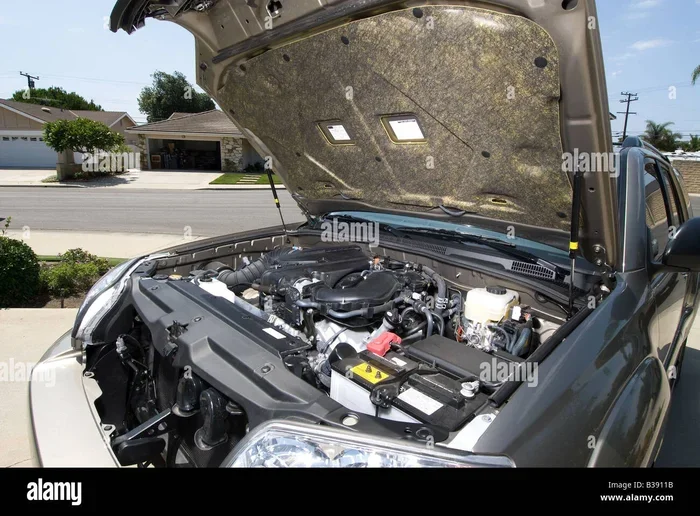
- Safety first: Always secure the hood with a prop rod or support brace once it is open to prevent it from falling and causing injury.
- Prevention is simple: Regular lubrication and inspection of your hood latch assembly can prevent most problems before they start.
- Call a pro when needed: If the latch mechanism is severely damaged or the hood is completely jammed, a mechanic can help safely.
📑 Table of Contents
Why Your Hood Latch Might Fail
Before we look at how to open the hood, it helps to understand why the latch might not be working. Most hood latch systems use a simple lever and cable design. You pull a handle inside the car, which pulls a cable connected to the latch. The latch releases, and the hood pops up. When any part of that system breaks, the whole process stops.
Common Causes of Hood Latch Failure
- Rust and corrosion: Over time, moisture can build up inside the latch mechanism. This causes rust that freezes the moving parts in place.
- Broken hood latch cable: The cable connecting the interior handle to the latch can stretch, fray, or snap completely. When this happens, pulling the handle does nothing.
- Frozen latch in cold weather: Ice and snow can lock the latch mechanism shut, especially in winter months or in cold climates.
- Worn-out spring: The spring inside the latch helps the hood pop up. If the spring weakens or breaks, the hood will not release properly.
- Misaligned latch: A minor accident or rough driving over potholes can shift the latch out of alignment, preventing it from engaging or releasing correctly.
- Broken hood release lever: The lever inside the cabin can snap or detach from the cable, leaving you with no way to trigger the latch from inside.
- Debris and dirt buildup: Dirt, leaves, and road grime can collect around the latch, blocking it from moving freely.
Understanding the cause helps you choose the right method to open the hood. A frozen latch needs a different approach than a broken cable or a misaligned mechanism. Let us look at the tools and methods you can use in each situation.
Common Methods to Pop a Hood Without a Latch
When the standard hood release is not an option, you still have several ways to get inside the engine bay. Each method works with different latch types and car models. Here are the most common approaches drivers use every day.
Method 1: Use the Emergency Hood Release Cable
Most cars built after the 1990s include a secondary hood release cable as a safety feature. This cable acts as a backup if your primary hood latch cable fails. The emergency release is usually located under the front bumper or behind the grille.
To find it, get under the front of your car or look through the grille openings. You are looking for a small cable with a lever or handle. Pulling this lever releases the latch from underneath. This is often the easiest and safest way to pop a hood without a latch because it uses the car’s own built-in system.
Not sure where yours is? Check your vehicle owner’s manual. It will show you the exact location of the emergency hood release. Every car model places it in a slightly different spot, so knowing your specific car matters here.
Method 2: Reach the Latch Lever Through the Grille
Many cars have gaps in the front grille or bumper that give you access to the latch mechanism from the outside. You can use a long flathead screwdriver, a stick, or a wire coat hanger to reach the latch lever.
Here is how it works. Look through the grille openings and locate the latch lever. It is usually a small metal arm connected to the latch assembly. Carefully push or pull the lever in the direction that releases the latch. You may need to feel around a bit, but once you find the right spot, the hood should pop open.
This method works well on older vehicles and many modern cars. Be gentle when using tools near the grille to avoid scratching or damaging the paint and bumper.
Method 3: Remove the Front Grille or Bumper Cover
If the other methods do not work, you can remove the front grille or bumper cover to get full access to the latch mechanism. This requires a few basic tools, like a socket set and some Phillips head screws.
Start by removing the screws holding the grille in place. These are usually located around the edges. Once the screws are out, carefully pull the grille forward and disconnect any clips or wiring. With the grille removed, you can see the entire latch assembly and manually release the latch.
This method takes a bit more time and effort. It is best when the latch is completely jammed and you cannot reach the release mechanism through the grille openings. Always keep track of the screws and clips so you can reassemble everything later.
Method 4: Use a Long-Handled Tool to Manually Trip the Latch
Some hood latch systems have a visible lever or knob on the outside of the hood. If you can access this from the front of the car, a long-handled tool like a ratchet extension or a pry bar can reach it.
Slide the tool through any available gap near the hood edge and hook it onto the latch lever. Apply steady, gentle pressure to release the latch. This method requires patience because you need to feel for the right angle and position.
Be careful not to apply too much force. Forcing the latch can damage the mechanism and lead to expensive repairs. A slow, steady approach works much better than pushing hard.
Method 5: Warm the Latch to Free a Frozen Mechanism
In cold weather, ice can freeze the hood latch in place. Warming the latch area with a hairdryer or portable heat gun can melt the ice and free the mechanism.
Aim the heat at the latch area for several minutes. Do not use boiling water, as the sudden temperature change can crack plastic parts or damage nearby components. A gentle, steady heat source works best.
Once the ice melts, try pulling the hood release handle again or use one of the other methods above. Warming the latch is often the first step before trying any manual release technique in cold conditions.
Step-by-Step Guide to Opening a Hood Without a Latch
Now that you know the methods, let us put them together into a clear, step-by-step process. Follow these steps in order for the safest and most effective result.
- Park the car on a flat, level surface. Turn off the engine and let the car cool down. Hot engine parts can cause burns.
- Gather your tools. You may need a flashlight, a flathead screwdriver, a wire coat hanger, a socket set, or a hairdryer depending on the method you choose.
- Check for the emergency release cable. Look under the front bumper or through the grille for the secondary release lever. If you find it, pull it gently.
- If the cable does not work, try reaching the latch lever. Use a long tool to access the latch through the grille openings. Feel for the lever and push or pull it carefully.
- If the latch is frozen, warm it up first. Use a hairdryer to melt any ice around the latch mechanism before trying again.
- Once the hood pops, secure it with a prop rod. Never let the hood rest on the closed position without support. The hood prop rod or a support brace keeps it safely open.
- Inspect the latch mechanism. Look for visible damage, rust, or debris. Clean the area and apply a lubricant like WD-40 to keep things moving smoothly.
Following these steps in order gives you the best chance of opening the hood without causing damage. If one method does not work, move to the next one. Patience and care will protect both you and your car.
Safety Tips When Popping a Hood Without a Latch
Opening a hood without a working latch can be tricky. Safety should always come first because a hood that falls unexpectedly can cause serious injury. Here are some important safety tips to keep in mind.
- Never work under a hood that is not fully supported. Always use the hood prop rod or a reliable support brace. A falling hood can cause head injuries, neck injuries, or worse.
- Wear gloves to protect your hands. Sharp edges around the latch and grille can cut your skin. Thick work gloves reduce this risk.
- Do not use excessive force. Pushing or pulling too hard on the latch can break the mechanism further and lead to costly repairs.
- Keep your face away from the hood edges. When the hood finally releases, it may pop up quickly. Keeping your face clear prevents injuries.
- Work in a well-lit area. A flashlight helps you see the latch mechanism clearly, especially when reaching through grille openings.
- Disconnect the battery if you are working near electrical components. This prevents accidental shorts or electrical damage while you are under the hood.
- Keep tools organized. Placing screws and clips in a small container prevents them from falling into the engine bay where they can cause damage.
These safety steps take only a few minutes but can prevent accidents and injuries. Always treat the hood with respect, even when it is not fully latched.
How to Prevent Hood Latch Problems in the Future
The best way to deal with a hood latch problem is to prevent it from happening in the first place. Simple maintenance habits can keep your hood latch working smoothly for years.
Regular Lubrication
Apply a silicone-based lubricant or white lithium grease to the latch mechanism every six months. This prevents rust buildup and keeps the moving parts sliding freely. Spray the lubricant into the latch housing and work the hood open and closed a few times to spread it evenly.
Keep the Latch Area Clean
Road grime, dirt, and debris can collect around the latch and cause it to stick. Wipe down the latch area with a damp cloth regularly. Remove any leaves, mud, or ice that builds up around the front of the car.
Inspect the Hood Latch Cable
Check the hood latch cable for signs of wear, fraying, or stretching. A cable that shows signs of damage should be replaced before it breaks completely. Replacing a cable is much cheaper than dealing with a hood that will not open on the side of the road.
Check for Misalignment
Periodically check that the hood lines up evenly with the front of the car. A hood that sits crooked may indicate a misaligned latch. Adjusting the latch early can prevent more serious problems later.
Address Small Problems Quickly
If you notice the hood feeling stiff or making unusual noises when opening, do not ignore it. Small issues often become big problems if left untreated. A little attention early on can save you from a stuck hood later.
When to Call a Professional
Most hood latch problems can be solved with the methods in this guide. However, some situations are best left to a professional mechanic.
Call a mechanic if the latch assembly is severely damaged, if the hood is completely jammed and none of the methods work, or if you are not comfortable working under the hood. A professional has the tools and experience to handle complex latch repairs safely.
The cost of hood latch repair or hood latch replacement varies depending on your car model and the extent of the damage. Simple cable replacements usually cost between $50 and $150. Full latch assembly replacements can range from $150 to $400 or more. Getting a quick quote from a local mechanic can help you decide the best next step.
Remember, your safety matters more than saving a few dollars. If you feel unsure about any step in the process, it is perfectly okay to ask for help. A professional can get your hood open and your latch working again in no time.
Conclusion
Knowing how to pop a hood without a latch is a valuable skill for any car owner. Whether you use the emergency release cable, reach the latch through the grille, or warm a frozen mechanism, you now have the tools and knowledge to handle the situation confidently. Safety always comes first, so take your time and follow each step carefully.
Regular maintenance keeps your hood latch in good shape and prevents most problems before they start. Lubricate the latch, keep the area clean, and inspect the cable regularly. These simple habits go a long way in extending the life of your hood latch system.
If you ever find yourself with a stuck or broken hood latch, you now know exactly what to do. Use the methods in this guide, stay safe, and do not hesitate to call a professional when needed. Your car hood will be open and your engine will be accessible in no time.
Frequently Asked Questions
Can I drive with a broken hood latch?
It is not recommended. A broken hood latch may cause the hood to open unexpectedly while driving, which can block your view and create a serious safety hazard. Have the latch repaired before hitting the road.
How much does it cost to replace a hood latch?
The cost typically ranges from $100 to $400 depending on your car model and the extent of the damage. The part itself usually costs between $30 and $150, with labor adding another $70 to $250 at a repair shop.
What is the emergency hood release cable and where is it located?
The emergency hood release cable is a secondary cable built into most cars as a backup. It is usually found under the front bumper or behind the front grille. Check your vehicle owner’s manual for the exact location in your specific car model.
Can I use a wire hanger to pop the hood without a latch?
Yes, a straightened wire coat hanger can work as a long-reach tool to access the latch lever through grille openings. Just be gentle and avoid scratching the paint or damaging nearby components.
How do I prevent my hood latch from freezing in winter?
Apply a silicone-based lubricant to the latch mechanism before winter starts. You can also park in a garage when possible and use a hairdryer to warm the latch area if ice builds up.
Is it safe to open the hood without a prop rod?
No, it is not safe. Always use the hood prop rod or a support brace to hold the hood open. A hood that falls unexpectedly can cause serious injury to your head, neck, or face.