How Do You Start a Push-Start Car Without a Key Fob
Starting a push-start car without a key fob is easier than most drivers think. Whether your key fob battery died or the device is damaged, you can still get behind the wheel using simple backup methods. This guide covers every emergency start technique, from hidden key slots to smartphone apps, so you are never stranded again.
You hop into your car, press the push button, and nothing happens. The dashboard stays dark. The engine refuses to turn over. Your heart sinks because your push-start car without key fob situation just became real. This happens to thousands of drivers every single day. A dead key fob battery, a damaged device, or a lost remote can leave you feeling stuck and frustrated.
The good news is that you do not need to call a tow truck right away. Most push-start vehicles come with built-in backup systems designed for exactly this situation. Whether you need to start the car with a dead key fob battery or use a hidden mechanical key, the solutions are simpler than you might expect. This guide walks you through every method step by step. You will learn how to handle this problem today and prevent it from happening again tomorrow.
Key Takeaways
- Hidden Key Slot: Most push-start vehicles have a backup key slot under the steering column or near the start button.
- Dead Battery Fix: Placing the dead fob right against the start button often works because the antenna can still read the transponder chip.
- Mechanical Key Blade: Every smart key fob contains a hidden mechanical key for manual door access and emergency starts.
- Smartphone App: Many modern brands offer a mobile app that lets you start the car remotely without the physical fob.
- Preventable Problem: Regular battery replacement and proper fob storage can prevent most key fob failures.
- Professional Help: If none of the backup methods work, a certified locksmith or dealer can reprogram or replace your smart key system.
📑 Table of Contents
Why Push-Start Cars Need a Key Fob
Understanding how your smart key system works helps you troubleshoot faster. Push-start cars use a keyless ignition system that communicates between the fob and the vehicle. The car checks for a valid signal before allowing the engine to start. This security feature keeps your vehicle safe from theft.
The fob sends a low-frequency radio signal to antennas placed around the car. When the system detects the correct transponder chip inside the fob, it unlocks the ignition. Press the start button, and the engine fires up. It all happens in seconds. But when the fob fails, the car cannot confirm your identity. That is when the push start troubleshooting process begins.
How the Smart Key System Works
Inside every smart key fob is a small battery and a tiny chip. The chip sends a unique identification code to your car. The vehicle’s computer compares this code to its stored memory. If the codes match, the system allows the engine to start. If the signal is weak or missing, the car blocks ignition completely.
This is why a key fob not detected error appears on your dashboard. The car simply cannot “hear” your fob. Common causes include a low battery, a broken fob, a flat car battery, or interference from nearby electronics. The good thing is that most of these problems have straightforward fixes.
What to Do When Your Key Fob Dies
A dead key fob does not mean you are stranded. Car manufacturers know this problem happens often. That is why they built emergency backup methods into every push-start vehicle. Here are the first steps you should take when your fob stops working.
Step 1: Check the Dashboard for Error Messages
Look at your instrument cluster before trying anything else. Many cars display a specific warning when the fob is not detected. You might see a message like “Key Not Found” or “Push Fob to Start.” These messages tell you exactly what the problem is. They also confirm that your car battery is fine and the issue lies with the fob itself.
Step 2: Try the Fob Against the Start Button
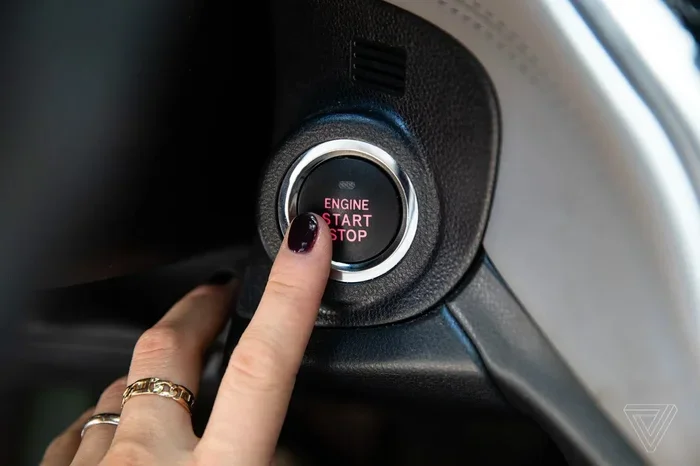
Here is a trick many drivers do not know. Hold the dead fob directly against the push start button and press it. Some vehicles have a stronger antenna right at the button location. This allows the car to read the fob even when the battery is completely dead. The signal travels through the metal of the fob casing. It might just be enough to start the engine.
Step 3: Replace the Fob Battery
The most common reason a fob stops working is a dying coin-cell battery. Most smart key fobs use a CR2025 or CR2032 battery. Replacing it takes less than two minutes. Pop open the fob with a small flathead screwdriver, swap the old battery for a new one, and you are back in business. This simple battery replacement fix solves the problem in most cases.
How to Start a Push-Start Car With a Dead Key Fob
When the basic tricks do not work, you need to use more advanced emergency start methods. Every push-start car manufacturer includes a backup plan. The method you use depends on your vehicle brand and model. Here are the most common techniques that work across different cars.
Method 1: Use the Hidden Mechanical Key
Every smart key fob has a hidden mechanical key blade tucked inside it. You will find a small release button or a sliding latch on the side of the fob. Push it, and a thin metal key pops out. This is your ultimate backup tool.
Use this key to manually unlock the driver’s door. Once inside, look for a hidden key slot near the start button or under the steering column. Insert the mechanical key into this slot and turn it. The car recognizes the physical key as a valid backup and allows you to start the engine normally. This method works on most Toyota, Honda, Nissan, and Ford push-start models.
Method 2: Use the Backup Start Slot
Many vehicles have a dedicated override start slot for emergency situations. This slot is usually located on the center console, near the gear shifter, or on the steering column cover. It is designed to look like a small round hole. Insert your mechanical key or the fob itself into this slot and turn it while pressing the start button.
For example, many Nissan models place the backup slot behind a small cover near the gear selector. Toyota vehicles often hide it under a flap near the steering column. Check your owner’s manual to find the exact location for your specific car. The manual is your best friend when it comes to push-start car troubleshooting.
Method 3: Use a Smartphone App
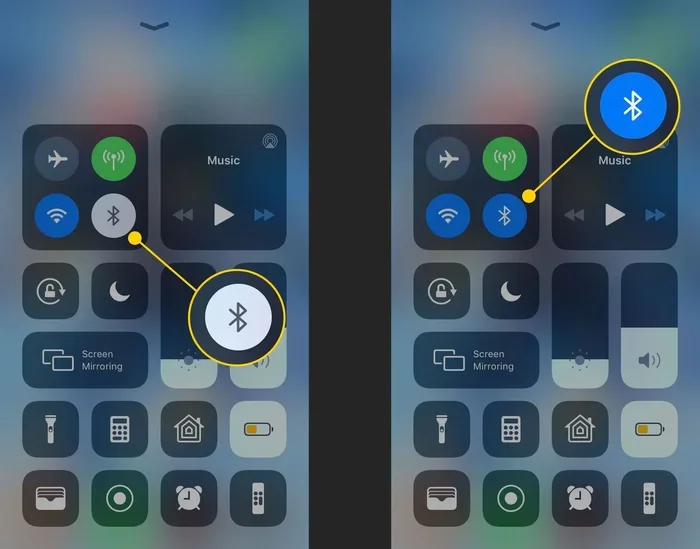
Modern cars are smarter than ever. Brands like Tesla, BMW, Ford, and Hyundai offer mobile apps that let you start your car remotely. If your fob dies, open the app on your phone and use the virtual key feature. The app communicates with your car through Bluetooth or cellular data.
This method works best when your phone is fully charged and connected to the internet. Some apps also let you lock and unlock doors, check fuel levels, and even precondition the cabin. It is a fantastic backup start method that every smart car owner should set up before they need it.
Method 4: Jump-Start the Car Battery
Sometimes the problem is not the fob at all. A completely dead car battery can prevent the push-start system from working. In this case, you need a jump start from another vehicle or a portable jump starter.
Connect the jumper cables to your battery terminals. Attach the positive cable first, then the negative. Let the working vehicle run for a few minutes. Then try pressing the start button again. Once the car is running, remove the cables in reverse order. This method also helps if your fob works but the car simply lacks the electrical power to respond.
Method 5: Call a Roadside Assistance Service
If none of the above methods work, it is time to call for professional help. Your insurance policy may include roadside assistance coverage. Many car manufacturers also offer free roadside support for the first few years of ownership. A tow truck or mobile locksmith can get you going again quickly.
Common Reasons Your Key Fob Stops Working
Knowing why your fob fails helps you prevent it from happening again. Here are the most common causes of key fob problems.
Dead or Weak Battery
This is the number one cause. The coin-cell battery inside the fob typically lasts two to three years. When it gets low, the signal weakens. You might notice the fob works only when you are very close to the car. Replacing the battery early prevents a complete failure.
Physical Damage
Dropping the fob, sitting on it, or exposing it to water can damage the internal electronics. Even a small crack in the casing can interfere with the signal. Keep your fob in a protective case and avoid placing it in extreme heat or cold.
Electromagnetic Interference
Sometimes other electronic devices block the fob signal. Large radio towers, security systems, or even your phone can cause signal interference. If the fob works fine at home but not at the office, interference might be the culprit.
Worn-Out Transponder Chip
The tiny chip inside the fob can wear out over time. When this happens, the car no longer recognizes the fob. In this case, you need a key fob replacement or reprogramming from a dealer or locksmith.
Steering Wheel Lock
A locked steering wheel can sometimes prevent the push-start system from engaging. Try wiggling the steering wheel left and right while pressing the start button. This releases the lock and allows the ignition to work normally.
Preventing Key Fob Problems Before They Happen
Prevention is always better than cure. A few simple habits can keep your smart key system working flawlessly for years.
- Replace the fob battery every two years. Do not wait until it dies completely. Set a calendar reminder to swap the battery proactively.
- Store the fob away from other electronics. Keep it in a dedicated pocket or pouch, not mixed in with your phone, tablets, and keys.
- Avoid exposing the fob to extreme temperatures. Leaving it in a hot car or outside in winter can damage the battery and electronics.
- Carry the mechanical backup key separately. Keep a spare key in your glove box or with a trusted friend or family member.
- Update your car’s software regularly. Some manufacturers release updates that improve fob recognition and keyless ignition reliability.
- Set up the mobile app before you need it. Download the app, pair it with your car, and test it while everything is working fine.
When to See a Professional
Most push-start problems have simple fixes you can handle yourself. But some situations require professional help. If you have tried every backup method and the car still will not start, it is time to call in the experts.
A certified locksmith who specializes in automotive key systems can diagnose the problem quickly. They can reprogram your fob, replace the transponder chip, or provide a new smart key. A car dealer can also help, but locksmiths often charge less and offer faster service. If you suspect the problem is with the car’s internal antenna or computer system, a professional diagnostic check is the best next step.
Do not try to open or repair the fob yourself unless you are confident in your skills. Opening the casing can damage the internal components. And using the wrong replacement parts can void your warranty. Always consult a professional for complex push start troubleshooting issues.
Key Takeaways
- Hidden Key Slot: Most push-start vehicles have a backup key slot under the steering column or near the start button for emergency starts.
- Dead Battery Fix: Placing the dead fob directly against the start button often works because the vehicle’s antenna can still read the transponder chip inside.
- Mechanical Key Blade: Every smart key fob contains a hidden mechanical key that lets you unlock doors and start the car manually when the fob fails.
- Smartphone App Backup: Many modern car brands offer a mobile app that functions as a virtual key, allowing you to start the car remotely without the physical fob.
- Steering Wheel Lock: A locked steering wheel can block the push-start system. Wiggling the wheel while pressing the start button often releases it.
- Regular Maintenance: Replacing the fob battery every two years and storing the fob away from electronics prevents most key fob failures.
- Professional Help: When all backup methods fail, a certified locksmith or dealership can reprogram, replace, or diagnose issues with your smart key system.
Conclusion
Dealing with a push-start car without key fob situation does not have to be a nightmare. You now know multiple ways to get your car running, from using the hidden mechanical key to leveraging your smartphone app. Each method is simple, effective, and designed by car manufacturers specifically for these moments. The next time your fob dies, you will stay calm and handle it like a pro.
Remember to take preventive steps. Replace your fob battery on schedule, store the device properly, and always carry the backup mechanical key. These small habits save you time, money, and a lot of stress on the road. Share this guide with friends and family who drive push-start vehicles. Knowing these emergency start methods could help them out of a tight spot one day.
Stay prepared, stay confident, and never let a dead key fob ruin your day. With the right knowledge, starting your car without the fob becomes quick and easy.
Frequently Asked Questions
Can I start a push-start car with a completely dead key fob?
Yes, most push-start vehicles allow you to start the car even with a dead fob. Simply hold the fob directly against the start button or look for a hidden mechanical key slot. The car’s backup systems are designed to recognize the transponder chip through physical contact or a secondary antenna.
Where is the hidden key slot on a push-start car?
The location varies by manufacturer. Common spots include under the steering column cover, near the gear shifter, on the center console, or behind a small flap near the start button. Check your vehicle owner’s manual to find the exact spot for your specific car model.
What type of battery does a smart key fob use?
Most smart key fobs use a small CR2025 or CR2032 coin-cell battery. You can find replacements at any hardware store, pharmacy, or auto parts shop. The replacement process typically takes less than two minutes and requires only a small flathead screwdriver.
How do I know if my key fob battery is dying?
Early signs include the fob working only when you are very close to the car, the need to press the start button multiple times, or the dashboard showing a “key fob not detected” warning. Replacing the battery at the first sign of weakness prevents a complete failure.
Can a smartphone app replace a physical key fob?
Many modern car brands offer smartphone apps that function as digital keys. These apps allow you to start the car, lock and unlock doors, and even precondition the cabin. However, you should always set up the app before you actually need it, so it is ready when your physical fob fails.
How much does it cost to replace a smart key fob?
A replacement smart key fob can cost anywhere from $50 to $400 depending on your car brand and model. Dealerships typically charge more than independent locksmiths. Some insurance policies and roadside assistance plans cover the cost of key fob replacement, so it is worth checking your coverage first.
=== SEO TITLE ===
How Do You Start a Push-Start Car Without a Key Fob
=== META TITLE ===
How to Start a Push-Start Car Without a Key Fob
=== URL SLUG ===
/start-push-start-car-without-key-fob