Can the TPMS Light Be Turned Off Without a Mechanic
The TPMS light can often be turned off without a mechanic, especially when the issue is a simple pressure drop or a sensor reset. This guide covers the most common reasons your tire pressure light comes on and shows you exactly how to address them at home. You will learn quick fixes, reset methods, and when it is smart to call a professional for help.
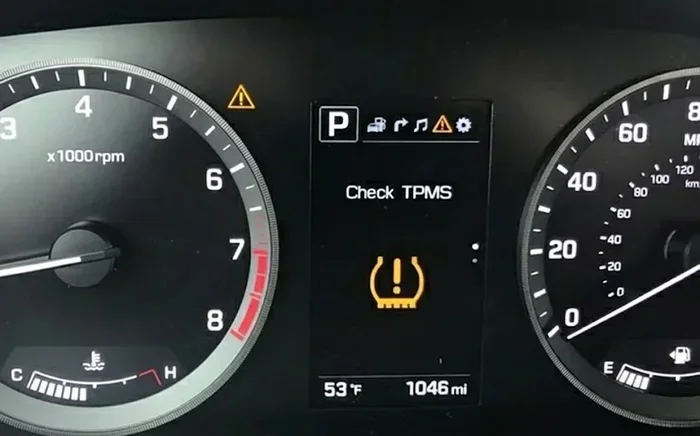
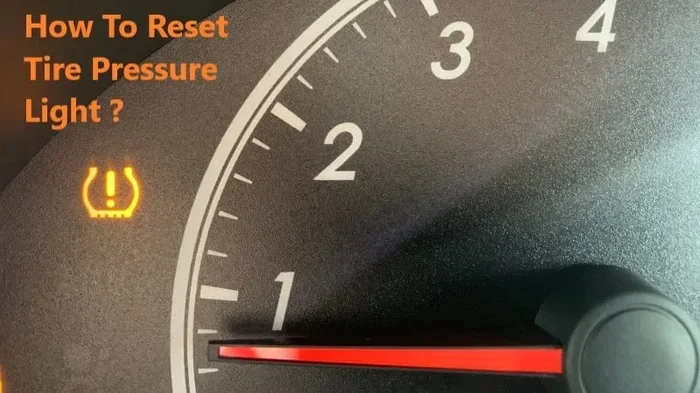
That little yellow horseshoe-shaped icon with an exclamation mark popped up on your dashboard, and now you are staring at it wondering what to do next. The TPMS light is one of the most common dashboard warnings drivers face, and it can be really stressful when you do not know what it means or how to fix it. The good news is that in many situations, you absolutely can turn off the TPMS light without ever setting foot in a mechanic’s shop.
Whether the cause is a simple pressure drop from cold weather, a slow leak in one tire, or just the need for a TPMS reset, there are clear steps you can take to get that light off your dash. In this guide, we will walk you through every scenario, every fix, and every mistake to avoid. By the end, you will feel confident handling this common car care issue on your own.
Key Takeaways
- You can turn off the TPMS light in many cases by checking and adjusting your tire pressure to the recommended level.
- Common causes include temperature changes, slow leaks, and faulty TPMS sensors that trigger the warning even when tires are fine.
- A TPMS reset tool or a simple driving procedure can often clear the dashboard warning without visiting a shop.
- Replacing a dead TPMS sensor battery is a straightforward fix that eliminates persistent warning lights.
- Ignoring the TPMS light is risky and can lead to unsafe driving conditions, uneven tire wear, and reduced fuel efficiency.
- Knowing when to see a mechanic saves time and money, especially when sensor hardware fails or malfunctions persist.
📑 Table of Contents
What Is a TPMS Light and Why Does It Come On?
The tire pressure monitoring system, or TPMS, is a safety feature built into modern vehicles. It uses small sensors inside each tire or on the valve stems to monitor the air pressure in real time. When the system detects that pressure is too low or too high, it triggers the tire pressure warning light on your dashboard.
There are two main types of TPMS systems. Direct TPMS uses physical sensors mounted inside each tire. These sensors send wireless signals to your car’s computer with exact pressure readings. Indirect TPMS, on the other hand, does not use internal sensors. Instead, it relies on the wheel speed sensors already present in your anti-lock braking system. When one tire has lower pressure, it rolls at a slightly different speed, and the system flags the difference.
Why the TPMS Light Matters
Your tires are the only part of your car that actually touches the road. Proper tire pressure affects everything from safety to fuel economy. When tires are underinflated, they wear out faster on the outer edges of the tread. They also create more rolling resistance, which means your engine works harder and you burn more gas. Overinflated tires ride hard and wear unevenly in the center of the tread.
The TPMS warning light exists to protect you. It alerts you to problems before they become dangerous. A severely underinflated tire can overheat, leading to a blowout, especially at highway speeds. So even though that little icon can be annoying, it is doing an important job.
Common Reasons the TPMS Light Comes On
Understanding why your tire pressure light is on is the first step to turning it off. Here are the most common triggers that cause the TPMS sensor to activate.
Temperature Drops
Cold weather is the number one culprit behind unexpected TPMS warnings. When the air temperature drops, the air inside your tires contracts. A ten-degree Fahrenheit drop can reduce tire pressure by about one PSI. In winter months, this can cause the low tire pressure reading that lights up your dash, even if your tires were fine the day before.
This is especially common in the early morning hours. You might notice the light is on when you first start the car but disappears after you drive for a while and the tires warm up. Still, you should always check your tire pressure when you see the warning.
Slow Leaks and Punctures
A slow leak is another frequent cause. These can happen from a small nail, a screw, a damaged valve stem, or even a tiny crack in the rim. The leak is so gradual that you might not notice it visually, but the TPMS sensor picks up the slow drop in pressure over hours or days.
Valve stems are particularly vulnerable. The rubber seals on older valve stems dry out and crack over time, letting air seep out slowly. If you have recently had your tires rotated or your car serviced, a damaged valve stem cap or core could also be the source.
TPMS Sensor Battery Failure
Direct TPMS sensors run on small batteries that typically last between five and ten years. When the battery dies, the sensor cannot transmit pressure data, and your car’s computer flags a TPMS malfunction. In many vehicles, this shows up as a steady or flashing tire pressure warning light rather than a pressure-specific alert.
After a Tire Change or Rotation
Sometimes the light comes on after you have replaced a tire, rotated your tires, or changed rims. This happens because the TPMS reset process was not completed, or the sensors were not properly re-seated. In these cases, the system simply needs to be recalibrated.
How to Turn Off the TPMS Light Without a Mechanic
Now for the part you have been waiting for. Yes, you can often turn off the TPMS light on your own. The method you use depends on what is causing the warning in the first place. Here are the most effective approaches.
Step One: Check Your Tire Pressure
Before you do anything else, grab a tire pressure gauge. These are inexpensive and available at any auto parts store or gas station. Check the pressure in all four tires, including the spare if applicable. Compare your readings to the recommended PSI listed on the sticker inside your driver’s door frame or in your owner’s manual.
If any tire is low, add air until it reaches the correct level. Once all tires are properly inflated, the TPMS light should turn off within a few minutes of driving. Some vehicles require a short drive at speeds above 25 miles per hour for the system to recheck and clear the warning.
Step Two: Perform a Manual TPMS Reset
If the tires are already at the correct pressure and the light stays on, you need to reset the system. Most vehicles have a simple reset procedure built in. Here is what to look for:
- Reset button location: Check beneath the steering column, on the center console, or near the gear shift. It is often labeled “TPMS” or “SET.”
- Infotainment menu: Many newer cars let you reset the TPMS through the settings screen on the dashboard display. Look for “Vehicle Settings,” then “Tire Pressure” or “TPMS.”
- ignition method: With the car off but the ignition in the “on” position, hold down the reset button until the warning light blinks three times. Release the button and start the engine. The light should go off after the system completes its recheck.
Always refer to your vehicle’s owner manual for the exact reset procedure. Each car brand has its own process, and doing it wrong will not damage anything, but it also will not work.
Step Three: Use a TPMS Reset Tool
For stubborn cases, a dedicated TPMS tool can help. These handheld devices connect to the OBD-II port under your dashboard and communicate directly with your car’s computer. They allow you to perform a full TPMS reset and even reprogram individual sensors.
You can find basic TPMS reset tools for under fifty dollars at auto parts stores. More advanced models with sensor programming capabilities cost more but offer greater functionality. These tools are especially useful if you have replaced sensors or batteries and need to register them with your vehicle’s system.
Step Four: Drive It Off
In many cases, simply driving the car for ten to fifteen minutes at steady speeds will allow the system to recheck all tires and clear the light on its own. This works particularly well when the light came on due to cold weather and the tires have since warmed up and stabilized at the correct pressure.
However, do not rely on this method alone. If the underlying issue is not resolved, the light will come back. Always verify your tire pressure first before assuming the light will clear on its own.
When Should You See a Mechanic Instead?
While many TPMS issues can be handled at home, there are clear situations where professional help is the right call. Knowing the difference saves you time, frustration, and potentially unsafe driving conditions.
Persistent Light After All Tires Are Properly Inflated
If you have checked every tire, confirmed the correct pressure, performed a TPMS reset, and the light still will not go off, there is likely a deeper problem. This could indicate a faulty TPMS sensor, a damaged sensor, or an electrical issue in the system. A mechanic can run a diagnostic scan to identify the specific sensor or component that is failing.
Flashing TPMS Light
A flashing tire pressure warning light is different from a steady light. A steady light usually means the pressure is low. A flashing light almost always signals a malfunction in the TPMS system itself. This could be a dead sensor battery, a damaged sensor, or a communication error between the sensors and the car’s computer.
Do not ignore a flashing TPMS light. While your tires might be fine right now, the system cannot monitor them properly until the malfunction is fixed. Schedule a visit to a tire shop or mechanic as soon as possible.
Recent Tire or Wheel Work
If you have had new tires installed, a tire plug or patch repair, or a wheel alignment, and the light came on afterward, a professional should check the work. Sometimes sensors get damaged during tire changes, or the valve cores get overtightened and strip. A tire technician can quickly identify and fix these issues.
Multiple or Intermittent Warning Lights
If the TPMS light is accompanied by other warning lights on your dash, such as the ABS light or the check engine light, the problem may be more complex. Shared sensor systems or wiring issues could be at play, and these require professional diagnosis.
Quick Tips to Prevent TPMS Light Issues
Prevention is always easier than fixing a problem. Here are some simple habits that keep your tire pressure monitoring system working properly and your TPMS warning light off.
- Check tire pressure monthly. Make it a routine. A quick check with a handheld gauge takes less than five minutes and catches slow leaks early.
- Check pressure when tires are cold. Driving heats up the air inside tires and increases the reading. Check before you drive or wait at least three hours after driving for the most accurate result.
- Keep valve stem caps in place. These small caps prevent moisture and debris from entering the valve core, which can cause slow leaks over time.
- Replace TPMS sensor batteries on schedule. If your vehicle is more than five years old, ask your tire shop to check sensor battery life during routine tire services.
- Reset the system after any tire work. Whether you rotated tires, changed a flat, or replaced a sensor, always perform a TPMS reset afterward.
- Invest in a quality tire pressure gauge. The cheap pencil-style gauges at gas stations are often inaccurate. A digital gauge gives reliable readings every time.
Understanding TPMS Sensor Replacement
When a TPMS sensor fails, replacement is the only real fix. Each sensor is specific to a vehicle model, and some sensors also need to be programmed to your car’s computer. The good news is that the process is straightforward and does not require extensive mechanical knowledge.
Sensor replacement typically costs between fifty and one hundred dollars per sensor for the part alone. Labor at a tire shop usually adds another twenty to thirty dollars per sensor. Some aftermarket sensors are universal and can be programmed with a TPMS tool, which can save you money compared to dealership pricing.
If you are handy and comfortable working on your car, you can replace some TPMS sensors yourself. The sensors screw into the wheel rim where the valve stem is located. You will need a proper sensor tool to remove and reinstall them without damaging the wheel. However, for most drivers, having a tire shop handle the replacement is the simplest and safest option.
Key Takeaways
- You can turn off the TPMS light in many cases by checking and adjusting your tire pressure to the recommended level.
- Common causes include temperature changes, slow leaks, and faulty TPMS sensors that trigger the warning even when tires are fine.
- A TPMS reset tool or a simple driving procedure can often clear the dashboard warning without visiting a shop.
- Replacing a dead TPMS sensor battery is a straightforward fix that eliminates persistent warning lights.
- Ignoring the TPMS light is risky and can lead to unsafe driving conditions, uneven tire wear, and reduced fuel efficiency.
- Knowing when to see a mechanic saves time and money, especially when sensor hardware fails or malfunctions persist.
Conclusion
The TPMS light does not have to be a mystery, and it does not always require a trip to the mechanic. In the majority of cases, a simple tire pressure check, a TPMS reset, or a short drive is all it takes to clear the warning and get you back on the road with confidence. Understanding what triggers the light and how your tire pressure monitoring system works puts you in control of your car’s safety and performance.
That said, do not ignore the light if it persists. A flashing warning or a steady light that refuses to go off after proper inflation is your car telling you something needs professional attention. Responding quickly keeps your tires in good shape, your fuel economy strong, and your family safe on the road.
Take a few minutes today to check your tire pressure and familiarize yourself with the reset process for your specific vehicle. These small habits pay off big in the long run and help you avoid unnecessary trips to the shop. Your tires are working hard for you every day, and keeping that TPMS light off is one of the easiest ways to return the favor.
Frequently Asked Questions
Can I drive with the TPMS light on?
You can drive short distances with the TPMS light on, but it is not recommended. The light means your tire pressure is outside the safe range, which affects handling, braking, and tire durability. Check your tire pressure as soon as possible and address the issue before driving long distances.
How much does it cost to fix a TPMS light?
Costs vary widely depending on the cause. A simple pressure top-off is free. A TPMS reset costs nothing if you do it yourself. Replacing a single TPMS sensor typically runs between fifty and one hundred fifty dollars including parts and labor. A full set of sensor replacements can cost more.
How do I know if my TPMS sensor battery is dead?
A dead sensor battery usually triggers a specific TPMS malfunction code that a mechanic can read with a diagnostic tool. Common signs include a persistent tire pressure warning light that does not clear after inflation, or the light flashing instead of staying solid. Most sensor batteries last five to ten years.
Can cold weather cause the TPMS light to come on?
Yes, absolutely. Cold temperatures cause the air inside your tires to contract, reducing pressure by about one PSI for every ten degrees Fahrenheit dropped. This is why low tire pressure warnings are most common in winter mornings. Adding air to the correct PSI usually clears the light immediately.
Is it safe to reset the TPMS light myself?
Yes, resetting the TPMS light yourself is safe as long as your tire pressure is correct. Most vehicles have a simple reset procedure using a button or the infotainment system. Just make sure you have verified the pressure in all tires first. Resetting without addressing a real pressure problem can mask a safety issue.
How often should I check my tire pressure?
You should check your tire pressure at least once a month and before any long road trips. Tires naturally lose about one PSI per month, and temperature changes can cause additional pressure fluctuations. Regular checks keep your TPMS sensor system working properly and help prevent unexpected warning lights.