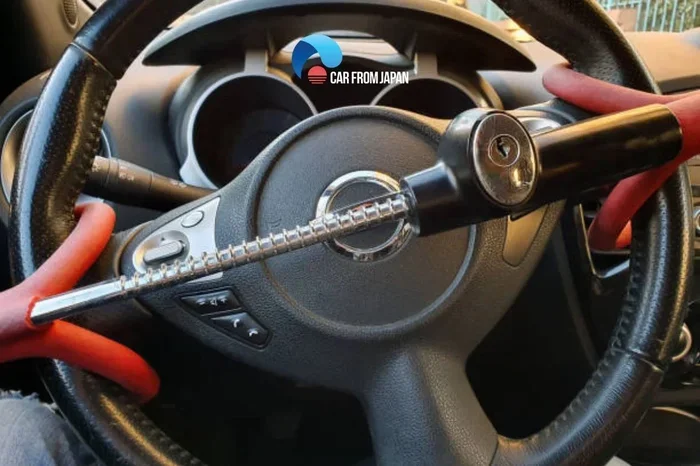
Why Did My Steering Wheel Lock Up And How To Fix It
A steering wheel lock up can be a frustrating and scary experience, but it is usually easy to fix. The most common reason is the anti-theft mechanism engaging when you turn off the car. Other causes include a stuck ignition cylinder, low power steering fluid, or a weak key fob battery. This guide walks you through every reason, fix, and prevention tip so you can get back on the road quickly and safely.
Key Takeaways
- The anti-theft steering lock is the #1 reason your wheel locks up when you turn off the engine.
- Gentle movement of the wheel and key together is the fastest way to unlock it yourself.
- A dead key fob battery or worn ignition cylinder can also cause a locked steering wheel.
- Low power steering fluid and cold weather make steering feel stiff and may trigger lock symptoms.
- Prevention is simple: turn the wheel slightly before removing the key and replace fob batteries yearly.
- See a mechanic if the lock persists, you hear grinding noises, or the key will not turn at all.
📑 Table of Contents
- Why Does Your Steering Wheel Lock Up?
- How To Identify a Locked Steering Wheel
- How To Fix a Locked Steering Wheel Step by Step
- When the Problem Is the Ignition Cylinder
- Preventing Your Steering Wheel From Locking Up
- When To See a Mechanic
- Understanding Your Car’s Steering Safety Systems
- Common Mistakes People Make With a Locked Steering Wheel
- Key Takeaways
- Conclusion
Why Does Your Steering Wheel Lock Up?
You walk up to your car. You stick the key in the ignition. Nothing happens. Or worse, the engine turns but the wheel will not move. This is one of the most common car problems drivers face, and it always seems to happen at the worst possible time.
The good news is that a steering wheel lock up is almost never a sign of a serious mechanical failure. In most cases, it is a safety feature doing exactly what it was designed to do. But understanding why it happens helps you fix it faster and avoid it in the future.
Let us break down every possible reason your wheel locks up, how to fix each one, and what you can do to stop it from happening again.
The Anti-Theft Steering Lock Mechanism
Almost every modern car has a built-in anti-theft steering lock. When you turn off the engine and remove the key, a small pin drops into the steering column. This pin prevents the wheel from turning freely. It is a simple but effective security feature that has been around for decades.
Here is how it works. When you shut off the car, the ignition switch activates the lock pin. The steering column gets partially blocked. This means anyone who tries to turn the wheel without the key will not be able to move the front wheels. It is a clever deterrent against car theft.
The problem arises when you try to drive again and forget about this lock. You turn the key, but the wheel is stuck against the pin. The engine might start, but you cannot steer. This is the most common reason for a steering wheel lock up and the easiest one to fix.
Ignition Cylinder Problems
Sometimes the issue is not the wheel at all. It is the ignition cylinder. Over time, the cylinder can wear out. Dirt, debris, or old key copies can cause the key to stick. When the key does not turn fully to the “on” position, the electrical system may not engage properly. This can make the wheel feel locked even when the anti-theft pin is not the culprit.
Older cars are especially prone to this. If you have been using the same key for years, the cuts on the key may have worn down. A worn key does not push the internal pins of the cylinder to the correct height. The result is a partial turn or no turn at all. This feels very similar to a steering lock, but the fix is different.
Power Steering System Failures
In some cases, a locked steering wheel is not really locked at all. It is just extremely stiff to turn. This usually points to a problem with the power steering system. If your car uses hydraulic power steering, low fluid levels can make the wheel feel almost impossible to move, especially when parked.
A failing power steering pump or a clogged steering rack can cause similar symptoms. You might hear a whining noise when you try to turn. The wheel may resist strongly on one side. While this is not a true lock, it can be just as alarming and just as dangerous if you are driving.
Key Fob Battery and Electronic Lock Issues
Modern cars with push-button start rely on a key fob battery to communicate with the car’s computer. If the battery dies, the car may not recognize the fob. In some models, this triggers a partial steering lock or disables the ignition entirely. You might see a warning light on the dashboard that says “Key Not Detected” or “Steering Lock Active.”
This is a tricky situation because the wheel may not feel physically stuck. Instead, the car’s computer is preventing the system from engaging. Replacing the fob battery usually solves this problem in minutes. It is one of the simplest fixes for a steering wheel lock up in newer vehicles.
Cold Weather and Frozen Components
Cold temperatures can make everything in your car stiffer. The grease inside the steering column thickens. The power steering fluid gets sluggish. In extreme cases, moisture inside the steering column can freeze and create a temporary lock. If you live in a cold climate, you have probably noticed your steering feeling tight on winter mornings.
This type of lock usually resolves on its own once the car warms up. But if you try to force the wheel while it is frozen, you can damage the steering column or the anti-theft pin. Gentle rocking is always the safest approach, no matter the temperature.
How To Identify a Locked Steering Wheel
Not every steering problem is a true lock. Sometimes the symptoms overlap with other issues. Knowing what to look for helps you diagnose the problem quickly and choose the right fix.
Signs Your Steering Wheel Is Locked
- The wheel will not move at all in either direction, even with the engine running.
- The key will not turn in the ignition or only turns partway.
- A slight clicking or grinding sound comes from the steering column when you try to turn the key.
- The dashboard lights flicker or do not turn on when you insert the key.
- The wheel feels rigid and does not respond to pressure from your hands.
Signs It Is a Power Steering Problem Instead
- The wheel is stiff but still moves with significant effort.
- You hear a whining or groaning noise when turning the wheel.
- The stiffness is worse at low speeds or when parking.
- The power steering fluid reservoir is low or shows visible leaks underneath the car.
- The dashboard warning light for power steering or steering assist is illuminated.
Telling the difference between these two problems is important. A true steering lock requires a specific unlocking technique. A power steering issue needs fluid or mechanical repairs. Trying the wrong fix can make things worse.
How To Fix a Locked Steering Wheel Step by Step
The good news is that fixing a steering wheel lock up is something almost anyone can do at home. You do not need special tools or mechanical skills. Just patience and a gentle touch.
Method 1: The Wiggle and Turn Technique
This is the most common and effective fix. Here is exactly what to do.
- Do not force anything. Apply steady, gentle pressure with both hands on the wheel.
- Wiggle the steering wheel left and right. You are trying to release the lock pin inside the column.
- While wiggling, insert the key into the ignition and try to turn it.
- Apply slight pressure on the key as you wiggle the wheel. The combination of movement usually releases the pin.
- Once the key turns and the wheel moves freely, the lock is undone.
This method works about 90% of the time. The key is to use both hands on the wheel and apply even pressure. Do not use one hand and yank hard. That is how people damage the steering column.
Method 2: The Jiggle the Key Approach
If wiggling the wheel alone does not work, try this variation. Hold the steering wheel firmly in one direction. Then jiggle the key gently back and forth in the ignition while applying slight turning pressure. The idea is to move the internal pins of the ignition cylinder just enough to release the lock.
Some drivers find it helps to pull the key out slightly and reinsert it at a different angle. This can help align the worn key cuts with the cylinder pins. If the key feels loose or sloppy in the ignition, the cylinder may need replacement.
Method 3: Replace the Key Fob Battery
For push-button start cars, a dead fob battery is a common culprit. Here is what to do.
- Open the fuse box under the steering column or check your owner manual for the fob battery location.
- Replace the CR2032 or CR2025 battery with a fresh one. These are available at any grocery store or gas station.
- Hold the fob close to the start button and try starting the car again.
- Some cars have a backup start slot near the steering column. Place the fob in that slot and press the start button.
This fix takes less than two minutes and costs about three dollars for a replacement battery. It is the easiest solution for modern cars with electronic steering lock systems.
When the Problem Is the Ignition Cylinder
If none of the methods above work, the ignition cylinder itself may be the problem. A worn or damaged cylinder can cause the key to stick, the wheel to lock, or the electrical system to fail intermittently.
Signs of a bad ignition cylinder include the key getting stuck and not coming out, the car starting intermittently, or the wheel locking even when the key is in the “on” position. These symptoms often get worse over time. What starts as occasional stiffness becomes a consistent problem.
Replacing an ignition cylinder is a job for a qualified mechanic. The cost typically ranges from 150 to 300 dollars depending on your car model. It is a straightforward repair that usually takes less than an hour. Do not try to replace the cylinder yourself unless you have experience with automotive electrical systems. A mistake here can leave you unable to start the car at all.
Can You Use a Spare Key?
If you have a spare key, try it before assuming the cylinder is bad. A spare key that has not been worn down as much as the primary key may turn more smoothly. This is a quick diagnostic step that can save you time and money. If the spare key works, the original key needs replacing. If neither key works, the cylinder is likely the issue.
Preventing Your Steering Wheel From Locking Up
Prevention is always better than repair. A few simple habits can keep your steering wheel from locking up and save you from the frustration of dealing with this problem repeatedly.
Turn the Wheel Before Removing the Key
This is the single best habit you can develop. Before you turn off the engine, let the steering wheel return to center naturally. Then turn it just slightly to one side before removing the key. This prevents the lock pin from engaging fully against the column.
When you return to the car, the wheel will have some give. You will be able to turn the key and move the wheel without any resistance. This small habit takes two seconds and prevents 90% of steering lock issues.
Replace Your Key Fob Battery Yearly
Do not wait for the battery to die completely. Replace it once a year, especially before winter. Cold weather drains batteries faster, and a dead fob battery in January is the last thing you need. Keep a spare CR2032 battery in your glove box so you are always prepared.
Use the Correct Key
If you have had duplicate keys made, make sure they were cut properly. Poorly cut keys wear down the ignition cylinder faster and are more likely to stick. Stick with your dealership or a trusted locksmith for key replacements. A quality key costs a little more but saves you from expensive cylinder repairs later.
Keep the Steering Column Clean
Dirt, crumbs, and debris can work their way into the steering column over time. This gunk can interfere with the lock pin and the ignition cylinder. Periodically check around the steering column for buildup. A can of compressed air works well for keeping the area clean without disassembling anything.
Check Power Steering Fluid Regularly
While this does not prevent a true steering lock, it keeps the steering system operating smoothly. Low power steering fluid causes stiffness that can feel like a lock. Check the fluid reservoir monthly and top it off with the manufacturer-recommended fluid. If you notice the fluid is dark or smells burnt, have it flushed and replaced.
When To See a Mechanic
Most steering wheel lock issues resolve with the methods described above. But some situations require professional attention. Knowing when to call a mechanic saves you time, money, and potential safety risks.
You should see a mechanic if the wheel will not unlock after trying all the home fixes. If you hear grinding, clicking, or popping noises from the steering column, stop trying to force it. Those sounds indicate internal damage that will only get worse. If the key breaks off inside the ignition cylinder, do not attempt to remove it yourself. A broken key inside the cylinder requires specialized extraction tools.
Also seek professional help if your car has electronic steering lock systems that the owner manual says require dealer-level diagnostics. Some newer vehicles have complex electrical lock mechanisms that cannot be overridden with simple techniques. A dealer or qualified mechanic has the software and tools needed to diagnose these systems properly.
Warning Signs That Mean Immediate Attention
- The steering wheel locks up while driving. This is rare but extremely dangerous. Pull over safely and call for roadside assistance.
- You notice fluid leaks underneath the car near the steering rack or pump.
- The steering feels loose or wanders on the highway after unlocking.
- The dashboard shows multiple warning lights related to steering or stability control.
- The key turns but the engine does not crank. This may indicate an electrical issue beyond the steering lock.
These symptoms suggest problems deeper than a simple steering lock. Ignoring them can lead to costly repairs or, worse, unsafe driving conditions. When in doubt, get a professional opinion. It is always better to be safe than sorry.
Understanding Your Car’s Steering Safety Systems
Your car has several safety systems designed to protect you and prevent theft. The steering lock is just one of them. Understanding how these systems work gives you confidence and helps you troubleshoot problems more effectively.
The anti-theft steering lock is a purely mechanical device. It does not rely on electricity or electronics. This means it works even if your battery is dead or your car’s computer has failed. It is a simple pin and lever design that has proven reliable for decades.
More advanced cars add electronic steering locks that work with the immobilizer system. These locks prevent the steering wheel from turning unless the correct key fob is detected. They add an extra layer of security but can also create confusion when the fob battery dies or the system malfunctions.
The power steering assist system is a separate safety feature. It ensures you can steer with minimal effort at low speeds and when parking. When this system fails, the steering does not lock but becomes very heavy. Both systems work together to give you control and safety on the road.
Common Mistakes People Make With a Locked Steering Wheel
When your steering wheel locks up, panic can set in quickly. In that moment, it is easy to make mistakes that make the problem worse. Here are the most common errors and how to avoid them.
- Forcing the wheel violently. This can damage the steering column, break the lock pin, or bend internal components. Always use gentle, steady pressure.
- Jiggling the key too aggressively. A worn key can snap inside the cylinder if you yank it back and forth too hard. Use slow, deliberate movements.
- Ignoring the problem and driving anyway. If the wheel is partially locked, it can cause uneven tire wear, handling problems, and even a blowout at high speeds.
- Using the wrong power steering fluid. If you top off the fluid yourself, make sure it matches the specification in your owner manual. Wrong fluid can damage the pump and steering rack.
- Assuming the battery is dead. A locked steering wheel does not mean your battery is dead. The two systems are separate. Check the battery separately before assuming this is the cause.
Avoiding these mistakes keeps you safe and prevents expensive repairs. A calm, methodical approach always works better than panic and force.
Key Takeaways
- The anti-theft mechanism is the most common cause of a steering wheel lock up and is easy to fix at home.
- Wiggling the wheel while turning the key releases the lock pin in nearly every case.
- A dead key fob battery causes lock-like symptoms in push-button start cars and takes two minutes to fix.
- Worn ignition cylinders and keys cause recurring lock problems and may need professional replacement.
- Prevention habits like turning the wheel slightly before shutdown save you from future lockups.
- See a mechanic for grinding noises, broken keys, electrical failures, or locks that will not release with home methods.
Conclusion
A steering wheel lock up is one of those car problems that seems terrifying in the moment but is almost always simple to fix. Whether it is the anti-theft pin engaging, a worn ignition cylinder, a dead fob battery, or low power steering fluid, the solution is usually straightforward. The methods in this guide cover every common cause and give you practical steps you can take right now.
The best thing you can do is stay calm. Do not force anything. Work through the steps methodically. In most cases, you will be back on the road within minutes. And by building a few simple prevention habits, you can make sure this problem never happens again.
Your steering system is one of the most important safety features in your car. Take care of it, understand how it works, and it will take care of you every time you get behind the wheel.
Frequently Asked Questions
Can a locked steering wheel damage my car?
Forcing the wheel aggressively can damage the steering column or break the lock pin. But a normal locked steering wheel does not cause any harm to the car. The lock mechanism is designed to engage and disengage repeatedly without damage.
How much does it cost to fix a locked steering wheel?
Most steering wheel locks are free to fix at home with no tools needed. If the ignition cylinder needs replacement, the cost is typically between 150 and 300 dollars. Power steering repairs vary widely depending on the specific issue and car model.
Why does my steering wheel lock when I turn off the car?
This is the anti-theft mechanism doing its job. When you remove the key, a pin drops into the steering column to prevent the wheel from turning. It is a security feature designed to deter thieves from steering the car away.
Will a steering wheel unlock on its own?
No, a locked steering wheel will not unlock on its own. You need to wiggle the wheel and turn the key simultaneously to release the lock pin. The wheel stays locked until you manually release it using the proper technique.
Is it safe to drive with a locked steering wheel?
No, it is not safe. A locked steering wheel means you cannot steer the car. Driving in this condition is extremely dangerous and can lead to loss of control. Always unlock the steering wheel completely before driving.
How do I know if my steering lock is electronic or mechanical?
Check your owner manual. Older cars and most vehicles use a purely mechanical steering lock that works with the ignition key. Newer cars with push-button start often have electronic steering locks that engage when the key fob is not detected near the vehicle.