Can You Check Transmission Fluid in a Closed System
Yes, you can check transmission fluid in a closed system, but the process differs from older open-dipstick designs. Modern sealed transmissions require specific steps to get an accurate reading. Understanding transmission fluid check procedures saves you time, money, and prevents costly damage.
You pop the hood, scan the engine bay, and realize something. There is no dipstick for your transmission. You wonder, can you check transmission fluid in a closed system? The short answer is yes. But the process is different from what most people expect.
Modern vehicles use sealed transmissions that do not have a traditional dipstick tube. This design reduces fluid contamination and simplifies maintenance. However, it also means many car owners feel confused when they need to check their transmission fluid level. This guide walks you through everything you need to know.
Whether you drive an SUV, sedan, or truck, understanding your automatic transmission fluid is essential. Low or dirty fluid causes slipping, overheating, and expensive repairs. Let us break down exactly how to handle this for your sealed transmission.
Key Takeaways
- Closed systems exist: Many modern vehicles use sealed transmissions without a traditional dipstick.
- Checking is still possible: You can access the transmission fluid through specific fill plugs or diagnostic tools.
- Temperature matters: Fluid must be at operating temperature for an accurate reading.
- Wrong fluid causes damage: Always use the manufacturer-recommended transmission fluid type.
- Professional help helps: Some transmission service tasks are best left to certified mechanics.
- Regular checks prevent repairs: Staying on top of transmission maintenance extends the life of your drivetrain.
- Warning signs are clear: Dark color, burnt smell, or slipping gears signal low or degraded fluid.
📑 Table of Contents
- What Is a Closed Transmission System?
- How to Check Transmission Fluid in a Closed System
- Understanding Transmission Fluid Condition
- Common Mistakes When Checking Sealed Transmission Fluid
- When to Seek Professional Help
- Comparison: Open vs. Closed Transmission Systems
- Benefits of Regular Transmission Fluid Checks
- How Often Should You Check Sealed Transmission Fluid?
- FAQ Section
- Conclusion
What Is a Closed Transmission System?
A closed transmission system means the fluid compartment is sealed from the outside environment. Older vehicles used open systems with a visible dipstick. You could pull it out, wipe it, reinsert it, and read the level easily. Newer cars moved away from this design for good reasons.
Why Manufacturers Use Sealed Designs
Sealed transmission fluid systems offer several advantages. First, they keep dirt, debris, and moisture out of the fluid. This extends the life of the transmission fluid and reduces contamination. Second, sealed systems prevent overfilling, which can cause foaming and pressure problems.
Third, manufacturers design these systems to be maintenance-free for extended periods. Some vehicles claim the fluid never needs changing. In reality, regular transmission service still helps performance and longevity.
Common Vehicles With Closed Systems
Many modern cars use sealed transmission designs. BMW, Mercedes-Benz, Audi, and several newer Ford and GM models often feature them. Always check your owner’s manual to confirm whether your vehicle uses a closed system or an open dipstick design.
How to Check Transmission Fluid in a Closed System
Checking transmission fluid in a sealed system requires a few extra steps. You cannot simply pull a dipstick. But with the right approach, you can still get an accurate reading.
Step-by-Step Process
Follow these steps carefully to check your transmission fluid level in a closed system:
- Park on a level surface. This ensures an accurate reading. Turn off the engine and let it cool slightly.
- Warm up the vehicle. Start the engine and let it idle for 5 to 10 minutes. Transmission fluid must be at operating temperature for the correct reading.
- Locate the fill plug. On most sealed systems, the fill plug sits on the side of the transmission housing. It looks like a bolt or hex plug.
- Remove the fill plug. Use the correct wrench size. Place a drain pan underneath to catch any fluid that drips out.
- Check the fluid level. With the engine running and the vehicle in park, insert your finger or a small tool into the fill hole. The fluid should reach the bottom of the hole.
- Add fluid if needed. Use the exact transmission fluid type specified in your owner’s manual. Pour slowly through a funnel to avoid spills.
- Reinstall the fill plug. Tighten it to the manufacturer’s torque specification. Do not overtighten.
Tools You Will Need
- Correct size wrench or socket for the fill plug
- Drain pan
- Funnel
- Manufacturer-approved transmission fluid
- Clean rags or paper towels
- Owner’s manual for torque specs and fluid type
Understanding Transmission Fluid Condition
Checking the transmission fluid level is only half the battle. You also need to assess the transmission fluid condition. Fresh fluid tells you a lot about the health of your automatic transmission.
What Fresh Fluid Looks Like
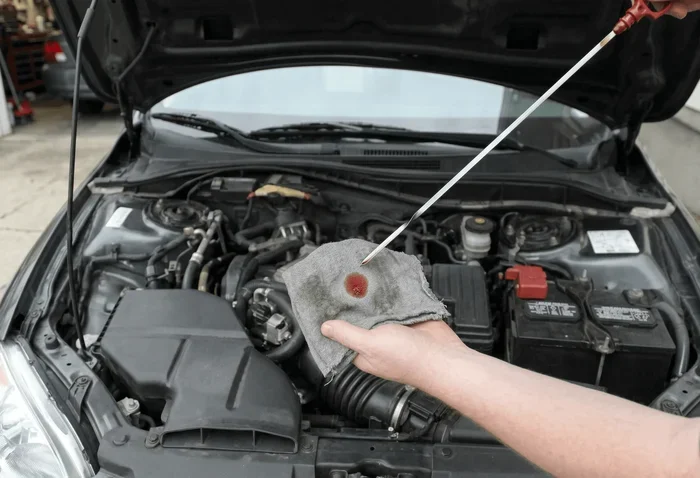
New transmission fluid is typically bright red or translucent pink. It feels smooth and has a slightly sweet smell. If your fluid looks like this, your transmission maintenance is on track.
Warning Signs in Fluid Appearance
Watch for these warning signs when you check your fluid:
- Dark brown or black color: This indicates old, burnt fluid that needs changing immediately.
- Burnt or acrid smell: A strong burning odor means the fluid is overheating or breaking down.
- Metal particles or grit: This suggests internal transmission wear and possible damage.
- Milky or foamy appearance: This signals water contamination or overfilling.
Quick Tips for Fluid Assessment
- Always check fluid on a level surface.
- Compare the color to a fresh fluid sample if possible.
- Note the transmission fluid color each time you check it for future reference.
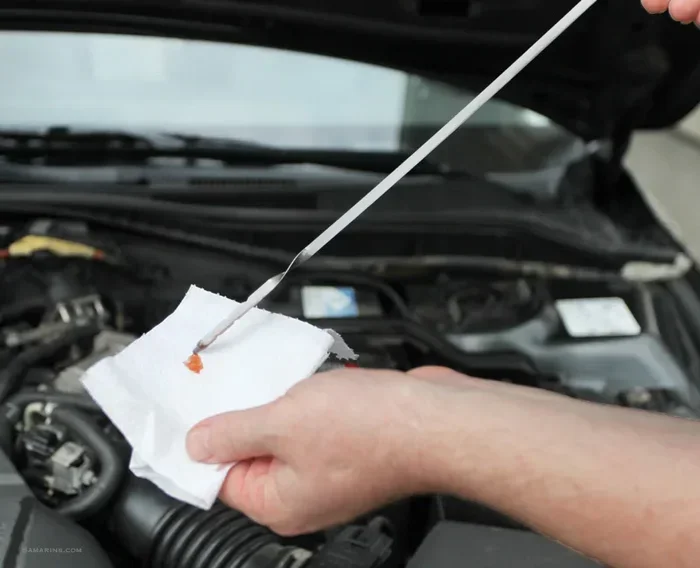
- Use a clean white rag to wipe the fluid for a better color comparison.
Common Mistakes When Checking Sealed Transmission Fluid
Even experienced car owners make mistakes when dealing with closed transmission systems. Avoid these common errors to protect your automatic transmission.
Mistake 1: Checking Fluid When Cold
Transmission fluid expands when hot. Checking it when the engine is cold gives a false low reading. Always warm the vehicle to operating temperature before you check the level.
Mistake 2: Using the Wrong Fluid Type
Not all transmission fluid is the same. Each vehicle requires a specific formulation. Using the wrong transmission fluid type can cause slipping, overheating, and internal damage. Always refer to your owner’s manual.
Mistake 3: Overfilling the System
Sealed transmission systems are sensitive to overfilling. Too much fluid creates excess pressure. This leads to foaming, leaking, and potential seal failure. Add fluid in small amounts and recheck the level.
Mistake 4: Ignoring the Fill Plug Torque
Overtightening the fill plug can strip threads or crack the transmission housing. Under-tightening causes leaks. Always use a torque wrench and follow the manufacturer’s specification.
Mistake 5: Skipping Regular Checks
Just because a system is sealed does not mean the fluid never degrades. Regular transmission fluid check routines help you catch problems early. Set a reminder to inspect your fluid every 30,000 miles.
When to Seek Professional Help
Some transmission service tasks are straightforward. Others require professional tools and expertise. Knowing when to call a mechanic saves you time and prevents costly mistakes.
DIY-Friendly Tasks
You can handle these tasks yourself with basic tools:
- Checking the transmission fluid level through the fill plug
- Assessing fluid color and smell
- Topping off fluid in a sealed system
- Inspecting for external transmission leaks
Tasks Best Left to Professionals
Some jobs require a lift, special equipment, or advanced knowledge:
- Transmission flush and full fluid replacement
- Replacing the transmission filter or transmission pan
- Diagnosing internal transmission problems
- Working on the transmission cooling lines
- Adjusting transmission solenoid settings
Expert Insights
Experienced mechanics recommend checking your sealed transmission fluid at every oil change. This builds a habit and helps you notice changes early. Many transmission repair cost issues start small. Catching low fluid early prevents major failures down the road.
According to automotive experts, most transmission overheating problems stem from neglected fluid. A simple transmission fluid check takes five minutes but can save you thousands in repairs.
Comparison: Open vs. Closed Transmission Systems
Understanding the difference between open and sealed systems helps you maintain your vehicle properly. Here is a side-by-side comparison:
| Feature | Open System (Dipstick) | Closed System (Sealed) |
|---|---|---|
| Dipstick Available | Yes | No |
| Checking Method | Pull and read dipstick | Remove fill plug, insert finger |
| Fluid Access | Easy, top of engine | Side of transmission housing |
| Contamination Risk | Higher | Lower |
| Overfill Risk | Moderate | Higher if not careful |
| Maintenance Frequency | Every 30,000-60,000 miles | Every 30,000-60,000 miles |
| DIY Difficulty | Easy | Moderate |
Both systems require regular attention. The closed system simply changes how you access the fluid. Neither design eliminates the need for routine transmission maintenance.
Benefits of Regular Transmission Fluid Checks
Staying on top of your transmission fluid check routine offers real benefits. Here is what you gain:
- Longer transmission life: Clean fluid reduces wear on internal components.
- Better fuel economy: A well-lubricated automatic transmission runs more efficiently.
- Smoother shifting: Proper fluid level ensures crisp, responsive gear changes.
- Early problem detection: Catching low fluid early prevents catastrophic failure.
- Lower repair costs: Preventive maintenance always costs less than major repairs.
Make transmission maintenance part of your regular car care routine. Your future self will thank you when your vehicle shifts smoothly for years to come.
How Often Should You Check Sealed Transmission Fluid?
Most manufacturers recommend checking transmission fluid every 30,000 to 60,000 miles. However, driving conditions matter. If you tow heavy loads, drive in stop-and-go traffic, or operate in extreme temperatures, check more frequently.
Sealed systems retain fluid cleaner for longer. But heat and stress still break down the fluid over time. Do not skip your scheduled transmission service intervals, even if the system appears maintenance-free.
FAQ Section
Can I use any transmission fluid in a closed system?
No, always use the exact transmission fluid type specified by your vehicle manufacturer. Using the wrong fluid can cause slipping, overheating, and internal damage. Check your owner’s manual or consult a dealer for the correct specification.
How do I know if my transmission has a closed system?
Check your owner’s manual or look under the vehicle. If there is no dipstick visible near the engine, you likely have a sealed transmission. Some vehicles also label the transmission pan or housing with a “sealed unit” sticker.
What happens if I overfill a sealed transmission?
Overfilling creates excess pressure inside the transmission. This causes foaming, leaking, and potential seal failure. The fluid may also leak into the transmission cooling lines and cause further problems. Always add fluid in small amounts and recheck.
Can a low fluid level damage my transmission?
Yes, absolutely. Low transmission fluid causes increased friction, overheating, and gear slippage. Running a transmission without enough fluid leads to catastrophic internal damage. Check your fluid level regularly and top off as needed.
Is a transmission flush necessary for a sealed system?
A full transmission flush is not always required but is recommended every 60,000 miles. Sealed systems hold fluid cleaner longer, but old fluid still loses its protective properties. A professional flush ensures all old fluid is removed from the transmission pan and cooling lines.
What color should my transmission fluid be?
Healthy transmission fluid should be bright red or translucent pink. Dark brown or black fluid indicates it is old and needs changing. A milky appearance suggests water contamination. Use the transmission fluid color as a simple diagnostic tool during every check.
Conclusion
So, can you check transmission fluid in a closed system? Yes, you absolutely can. The process requires a bit more effort than pulling a dipstick, but it is straightforward once you know the steps. Warm your vehicle, locate the fill plug, and follow the simple procedure outlined in this guide.
Regular transmission fluid check routines keep your automatic transmission running smoothly for years. Paying attention to fluid condition and level prevents costly repairs and extends the life of your vehicle. Do not let the sealed design intimidate you. With the right knowledge and a few basic tools, you can handle this essential transmission maintenance task yourself.
Start today. Pop your hood, locate your sealed transmission, and give your fluid a quick inspection. Your transmission will thank you with smooth, reliable performance mile after mile.