How Long Does an Oil Change Take and What to Expect
So how long does an oil change take? Most professional oil changes are done in 15 to 45 minutes depending on the type of oil, your vehicle, and where you go. A quick lube can have you out the door in under 20 minutes, while a full-service mechanic shop may take up to an hour. If you are doing a DIY oil change at home, plan for 30 to 60 minutes, especially the first few times.
Let us get one thing straight. If you have ever wondered how long does an oil change take, you are not alone. It is one of the most common questions car owners ask. Whether you are a seasoned driver or someone who just got their license, knowing the oil change duration helps you plan your day better. You will not be stuck waiting for hours if you know what to expect.
An oil change is one of the simplest and most important car maintenance tasks you can do. It keeps your engine running smoothly and prevents costly repairs down the road. But the time it takes can vary quite a bit. Several factors come into play, from the type of oil you use to where you get the service done. In this guide, we will walk you through everything you need to know. By the end, you will have a clear picture of the oil change process, the time involved, and how to make it as painless as possible.
We will cover quick lube visits, full-service mechanic shops, and even the DIY oil change route. We will also talk about what affects the timeline and how you can prepare. So let us dive right in and break it all down.
Key Takeaways
- Average time: A standard oil change takes 15 to 45 minutes at a service center.
- Type of oil matters: Synthetic oil changes take slightly longer than conventional oil changes due to the oil type and filter used.
- DIY is slower: Doing it yourself at home can take 30 to 60 minutes, especially for beginners.
- Vehicle type counts: Trucks and SUVs may take longer than sedans because of oil capacity and filter access.
- Preparation saves time: Having the right tools and supplies ready cuts down wait time significantly.
- Extra services add time: Tire rotations, fluid top-offs, and inspections can extend the visit by 15 to 30 minutes.
- Regular oil changes protect your engine: Staying on top of your maintenance schedule keeps your engine healthy and running smoothly.
📑 Table of Contents
- How Long Does an Oil Change Take at Different Locations
- What Affects Oil Change Duration
- Step-by-Step: What Happens During an Oil Change
- DIY vs. Professional Oil Change
- How to Prepare for Your Oil Change
- How Often Should You Change Your Oil
- Common Mistakes People Make During Oil Changes
- Expert Insights on Oil Change Timing
- Key Takeaways
- Conclusion
How Long Does an Oil Change Take at Different Locations
Where you go for your vehicle service plays a big role in how long you will be there. Each location has its own pace, tools, and process. Let us look at the most common options.
Quick Lube Shops
Quick lube shops are built for speed. These places specialize in fast oil changes and nothing else. On average, you can expect to be in and out in 15 to 30 minutes. The technicians there do this all day long. They have the oil, filters, and equipment ready to go. No need to wait around while they dig through a parts room.
Many quick lube chains offer online scheduling too. You can book a time slot and arrive right when your turn comes up. This cuts down any waiting even more. Some shops also have express lanes for routine services like oil changes. If your only goal is a fast oil change, this is the way to go.
Dealership Service Centers
Going to a dealership service center usually takes a bit longer. The average oil change duration here is 30 to 60 minutes. Why? Dealerships often run a more thorough inspection. They check fluid levels, tire pressure, and other components beyond just the oil. They also use manufacturer-recommended parts and oil, which is great for your vehicle.
The trade-off is the higher cost. Dealership oil change cost tends to be more than a quick lube. But you get peace of mind knowing the work is done to factory standards. If you have a newer car still under warranty, this is often the recommended route.
Independent Mechanic Shops
Independent shops fall somewhere in the middle. Most oil changes at a local mechanic take about 20 to 45 minutes. These shops often have a personal touch. The mechanic may know your vehicle by name and history. They can also offer honest advice on your maintenance schedule without pushing unnecessary extras.
One downside is that wait times can vary. Some shops are slammed on weekends. Others have plenty of availability during the week. Calling ahead to check on wait times is always a smart move.
DIY Oil Change at Home
If you are the hands-on type, doing it yourself is an option. But be honest with yourself about your skill level. A DIY oil change can take anywhere from 30 to 60 minutes. For first-timers, it might even take longer. You will need to gather your supplies, jack up the car, drain the old oil, replace the filter, and refill with fresh oil.
The upside? You save money and learn valuable skills. The downside? Cleanup and proper disposal of used oil can be a hassle. You also need a safe, level surface to work on. A garage or driveway with good drainage is ideal.
What Affects Oil Change Duration
Not all oil changes are created equal. Several key factors can stretch or shrink the time it takes. Understanding these helps you set realistic expectations.
Type of Oil Used
The oil type you choose has a direct impact on the oil change duration. Conventional oil is the most basic and widely used. It is also the fastest to change. Most quick lubes can drain and replace conventional oil in under 20 minutes.
Synthetic oil is a different story. Synthetic blends and full synthetic oils often require a different filter and a slightly longer process. The oil itself flows differently, and some vehicles have oil systems that need extra attention. Plan for an additional 5 to 10 minutes if you are switching to synthetic.
High-mileage oil is another option. It is designed for vehicles with over 75,000 miles on the odometer. The change process is similar to conventional oil, but the formula includes extra additives. The duration is roughly the same as a standard oil change.
Vehicle Type and Model
Your vehicle type matters more than you might think. A compact sedan has a small oil capacity. Draining and refilling is quick and straightforward. A full-size truck or SUV, on the other hand, holds much more oil. The oil filter may also be harder to reach. All of this adds to the oil change duration.
Some modern cars have engine designs that make filter access tricky. Engineers pack the engine bay tightly to save space. This means the mechanic might need to remove a cover or two to get to the oil filter. It is not a huge deal, but it does add a few minutes.
Additional Services
Are you getting anything else done during the visit? That changes the timeline. A basic oil change with no extras is fast. But many drivers add on services. Here are common additions and how they affect your time:
- Tire rotation: Adds about 15 to 20 minutes.
- Fluid top-off: Adds 5 to 10 minutes.
- Multi-point inspection: Adds 10 to 15 minutes.
- Air filter replacement: Adds 5 to 10 minutes.
- Battery test: Adds 5 minutes.
If you bundle services together, you are looking at 45 minutes to an hour or more. This is a great option if you have multiple things checked at once. It saves you a second trip and keeps your car in top shape.
Time of Day and Wait Times
When you go matters too. Early morning and mid-morning tend to be the busiest times at most service centers. Lunch hours on weekdays can also be crowded. If you want a fast turnaround, try visiting during off-peak hours. Late mornings on weekdays or early afternoons on weekdays are often the sweet spot.
Booking an appointment is another way to skip the line. Most shops honor scheduled appointments and will start your service right on time. Walk-ins may face a wait, especially on weekends.
Step-by-Step: What Happens During an Oil Change
Curious about what actually goes on under the hood? Here is a simple breakdown of the oil change process. This gives you a clear picture of each step and how long it typically takes.
Step 1: Vehicle Inspection and Lift
The technician starts by checking your vehicle. They look at the current oil level and condition. They also check for any visible leaks or issues. Then the car is lifted onto a ramp or jack stands. This step takes about 2 to 3 minutes.
Step 2: Draining the Old Oil
Next, the drain plug is removed from the oil pan. The old oil flows out into a collection pan. This takes about 5 to 10 minutes depending on the oil temperature and the vehicle. Warmer oil drains faster, which is why some shops run the engine for a few minutes before starting.
Step 3: Oil Filter Replacement
While the oil is draining, the old oil filter is removed. A new filter is installed in its place. The technician also applies a thin layer of fresh oil to the filter gasket. This ensures a proper seal. The filter swap takes about 5 to 8 minutes.
Step 4: Refilling with Fresh Oil
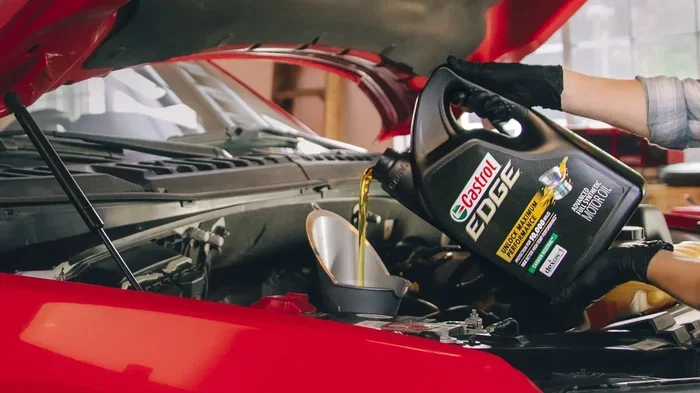
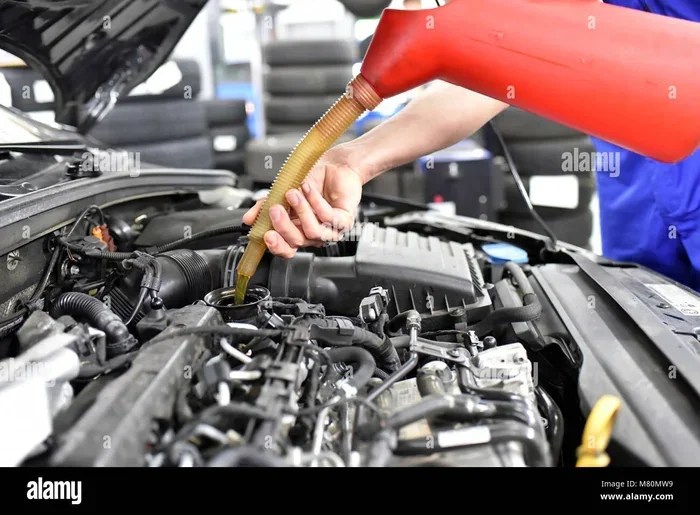
Once all the old oil has drained, the drain plug is reinstalled. The technician then pours in the new oil. They use the type and amount recommended by your vehicle manufacturer. This step takes about 5 to 10 minutes.
Step 5: Final Checks and Cleanup
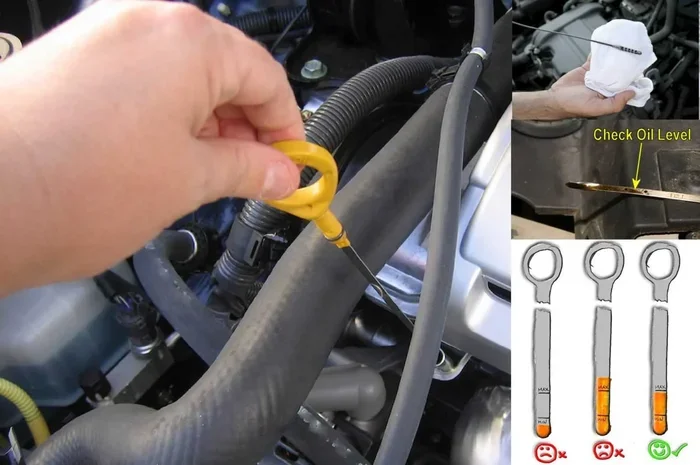
After refilling, the technician starts the engine and lets it run for a minute. They check the oil level with the dipstick. They also look under the car for any leaks. The vehicle is then lowered off the lift. A quick wipe-down and cleanup round out the process. This final stage takes about 5 to 7 minutes.
When you add it all up, a standard oil change follows a well-practiced routine. The steps are quick and efficient when the technician has done them hundreds of times.
DIY vs. Professional Oil Change
Should you change your oil yourself or let a professional handle it? Both options have pros and cons. Let us compare them side by side.
Time Comparison
A professional oil change at a quick lube takes about 15 to 30 minutes. A professional at a dealership or independent shop takes 30 to 60 minutes if you include inspections and additional checks. A DIY oil change at home takes 30 to 60 minutes for an experienced person. For a beginner, it could take 90 minutes or more.
On paper, the quick lube is the fastest option. But DIY has its own appeal. You do not have to drive anywhere, wait in a lobby, or chat with a service advisor. You work at your own pace in your own garage.
Cost Comparison
Professional oil changes cost between 30 and 100 dollars depending on the oil type and location. A DIY oil change costs roughly 20 to 50 dollars in supplies. You save on labor, which is the biggest expense at a shop. But you need to invest in tools like a wrench set, oil filter wrench, drain pan, and a jack or ramps.
Skill and Safety
Let us be real. Changing your own oil is not difficult, but it does require some basic mechanical knowledge. You need to know how to safely jack up your car. You need to handle hot oil carefully. And you need to dispose of the used oil properly at a recycling center. If any of this sounds intimidating, a professional oil change is the safer choice.
Quality and Warranty
Professional shops use quality parts and follow manufacturer guidelines. Many offer warranties on their work. If something goes wrong, you have someone to hold accountable. A DIY oil change does not come with that safety net. But if you follow the manual and use the right products, the results are just as good.
How to Prepare for Your Oil Change
A little preparation goes a long way toward keeping your oil change visit short and smooth. Here are some practical tips to make the process faster and easier.
Know Your Vehicle
Check your owner manual before you go. Find out the recommended oil type and capacity for your specific model. This saves time at the shop because the technician does not have to look it up. It also helps you avoid upsells on oil types you do not need.
Check Your Oil Level Beforehand
Pop the hood and check your current oil level with the dipstick. If the oil is very low, let the technician know. They may want to top it off during the service. This small step helps them assess the condition of your engine faster.
Book an Appointment
Do not just show up without a plan. Most service centers allow online or phone booking. You pick a time that works for you, and they hold your spot. This eliminates waiting and keeps your oil change duration predictable.
Bring Your Documents
Bring your vehicle registration and any service records you have. Some shops keep digital records, but having paper backups never hurts. It also helps the technician track your maintenance schedule and recommend the right oil change interval.
Plan for the Extra Time
If you are adding services like a tire rotation or fluid check, budget extra time. A basic oil change with no extras is fast. A full-service visit can take an hour or more. Arriving with realistic expectations keeps you from feeling frustrated.
How Often Should You Change Your Oil
The oil change interval depends on several factors. The old rule of thumb was every 3,000 miles or three months. But modern engines and better oils have changed that advice significantly.
Most manufacturers today recommend an oil change every 5,000 to 7,500 miles for conventional oil. Synthetic oil can go even further, sometimes 10,000 to 15,000 miles between changes. Always check your owner manual for the specific recommendation for your vehicle.
Your driving habits also play a role. If you drive in stop-and-go traffic, extreme heat, or dusty conditions, you may need to change your oil more often. These are called severe driving conditions. They cause oil to break down faster and lose its protective properties.
Keeping track of your oil change schedule is easier than ever. Many modern cars have maintenance reminder systems built into the dashboard. These alerts tell you exactly when it is time for a change. You can also keep a simple log in your phone or on the fridge. Whatever method works for you, consistency is key.
Skipping oil changes is one of the cheapest ways to cause serious engine damage. Old oil becomes gritty and loses its lubricating ability. This leads to increased friction, heat buildup, and eventually engine wear. A simple oil change every few thousand dollars is a tiny price to pay compared to an engine rebuild.
Regular oil changes also help you maintain your resale value. A complete service history shows potential buyers that the vehicle was well cared for. It builds trust and can make a big difference in the price you get.
Common Mistakes People Make During Oil Changes
Even simple tasks come with pitfalls. Here are some common mistakes to avoid.
- Using the wrong oil type: Always match the oil to your vehicle’s specifications. Using the wrong grade can hurt engine performance and void your warranty.
- Forgetting to replace the oil filter: The filter traps contaminants. Skipping it means dirty oil circulates through your engine. Always replace it with every oil change.
- Over-tightening the drain plug: This can strip the threads or crack the oil pan. Use a torque wrench and follow the manufacturer’s specs.
- Not checking for leaks: After refilling, always check under the car for drips. A small leak today can become a big problem tomorrow.
- Ignoring the dipstick: Always check the oil level after a change. Too little oil means poor lubrication. Too much oil can cause foaming and pressure issues.
- Disposing of used oil improperly: Used oil is toxic and must be recycled. Never pour it down a drain or onto the ground. Take it to a recycling center or auto parts store that accepts used oil.
Expert Insights on Oil Change Timing
We asked a few experienced mechanics about the oil change process and timing. Here is what they had to say.
Mark T., ASE-certified technician with 18 years of experience: “The oil change duration really depends on the vehicle and the oil type. A straightforward job on a common sedan takes us about 15 minutes. But on a truck with a tight engine bay, it could take 40 minutes or more. The key is not rushing. Doing it right the first time saves everyone time in the long run.”
Sarah L., service manager at a national quick lube chain: “Most of our oil changes are done in under 20 minutes. We have a streamlined process and dedicated teams. But if a customer adds a tire rotation or a full inspection, we tell them to plan for 45 minutes to an hour. Communication is everything. We let customers know the expected time upfront so there are no surprises.”
Dr. James R., automotive engineering professor: “Oil change intervals have increased significantly with modern engine technology and synthetic oils. Car owners should rely on their owner manual and their driving conditions. A one-size-fits-all 3,000-mile rule is outdated for most vehicles on the road today.”
Key Takeaways
- Average oil change duration: 15 to 45 minutes at a professional service center.
- Quick lube shops: Fastest option at 15 to 30 minutes for a basic oil change.
- Dealerships and full-service shops: 30 to 60 minutes with inspections and additional checks.
- DIY oil change: Plan for 30 to 60 minutes, longer if you are a beginner.
- Synthetic oil changes: Take slightly longer than conventional oil changes due to the oil type and filter.
- Vehicle type matters: Trucks and SUVs take longer than compact cars due to oil capacity and filter access.
- Additional services: Tire rotations, fluid top-offs, and inspections add 15 to 30 minutes to your visit.
- Preparation is key: Knowing your vehicle specs and booking an appointment saves time and reduces stress.
Conclusion
So how long does an oil change take? The answer is it depends. For most drivers, a professional oil change takes between 15 and 45 minutes. A quick lube visit is the fastest route. A dealership service center takes a bit longer but offers a more thorough experience. And a DIY oil change at home gives you full control over the process and the timeline.
The most important thing is not the clock. It is that you keep up with your oil changes on a regular basis. Fresh oil protects your engine, improves fuel efficiency, and extends the life of your vehicle. Whether you visit a quick lube, a local mechanic shop, or roll up your sleeves at home, the goal is the same. Keep your engine healthy and your car running strong.
Now that you know what to expect, the next step is easy. Schedule your next oil change today. Your engine will thank you for it.
Frequently Asked Questions
Is 20 minutes enough time for an oil change?
Yes, 20 minutes is usually enough for a basic oil change at a quick lube shop. These places specialize in fast service and have all the supplies ready. If you are adding extras like a tire rotation or inspection, plan for 30 to 45 minutes instead.
Can I drive immediately after an oil change?
Yes, you can drive right after an oil change. The technician will start the engine and check for leaks before you leave. Just give the car a minute or two to circulate the fresh oil through the engine. Then you are good to go.
Does synthetic oil take longer to change than conventional oil?
Not significantly. Synthetic oil changes take about 5 to 10 minutes longer than conventional oil changes. The difference comes from the oil filter type and the slightly different flow characteristics of synthetic oil. Both processes follow the same basic steps.
How often should I change my oil?
Most modern vehicles need an oil change every 5,000 to 7,500 miles with conventional oil. Synthetic oil can go 10,000 to 15,000 miles between changes. Always check your owner manual for the exact interval recommended by your manufacturer.
Is it cheaper to change oil at home or at a shop?
Changing oil at home is usually cheaper. A DIY oil change costs about 20 to 50 dollars in supplies. A professional oil change costs between 30 and 100 dollars depending on the oil type and location. But DIY requires tools, knowledge, and proper disposal of used oil.
What happens if I skip an oil change?
Skipping oil changes causes old oil to break down and lose its lubricating ability. This leads to increased engine friction, heat buildup, and wear. Over time, it can result in costly engine repairs or even engine failure. Staying on top of your maintenance schedule is one of the easiest ways to protect your car.