Can You Really Go Two Years Without Changing Synthetic Oil
Many car owners wonder if they can skip oil changes for two years, especially with synthetic oil. The truth is that modern full synthetic oils can last much longer than conventional oil, but going two years without an oil change depends on several critical factors. Your driving habits, vehicle type, and manufacturer recommendations all play a role in determining the safe oil change interval for your engine.
Can you go two years without changing synthetic oil? This is a question that comes up a lot in car forums, mechanic shops, and among everyday drivers. The short answer is: it depends. While synthetic oil is far superior to conventional oil, that does not mean you can simply forget about oil changes for two full years. Your engine, your driving habits, and your vehicle all factor into this equation.
Many modern cars come with oil life monitoring systems that tell you exactly when to change your oil. Some manufacturers claim their synthetic oils can last 10,000 or even 15,000 miles. But mileage is only one part of the equation. Time matters just as much. Oil degrades over time, even if you are not driving much. Moisture builds up. Additives break down. The oil loses its ability to protect your engine.
In this article, we will dive deep into the truth about synthetic oil change intervals. We will cover what manufacturers recommend, how oil degrades over time, and whether it is safe to skip oil changes for two years. By the end, you will have a clear understanding of what your engine really needs.
Key Takeaways
- Synthetic oil lasts longer: Full synthetic oil can typically go 7,500 to 15,000 miles between changes, but two years is a different story.
- Manufacturer guidelines matter: Always check your owner’s manual for the recommended oil change schedule.
- Driving conditions affect oil life: Short trips, extreme temperatures, and towing shorten oil lifespan significantly.
- Oil degrades over time: Even if you drive low mileage, oil additives break down and moisture can accumulate.
- Oil life monitoring systems help: Modern vehicles have sensors that track oil condition, but they are not perfect.
- Skipping oil changes risks engine damage: Old oil loses its lubrication properties and can cause costly repairs.
- When in doubt, change it: If you are unsure about your oil’s condition, it is better to change it early than risk engine wear.
📑 Table of Contents
- What Happens to Synthetic Oil Over Time
- Manufacturer Recommendations vs. Real-World Driving
- Driving Conditions That Shorten Oil Life
- Risks of Waiting Too Long for an Oil Change
- When Is It Safe to Extend Oil Change Intervals
- Expert Tips for Maximizing Synthetic Oil Life
- Common Mistakes People Make with Synthetic Oil
- Conclusion
What Happens to Synthetic Oil Over Time
Synthetic oil is engineered to last longer than conventional oil. It resists thermal breakdown better and maintains its viscosity across a wider temperature range. But that does not make it invincible. Over time, every oil loses its effectiveness. The question is how quickly that happens.
The Science Behind Oil Degradation
Oil undergoes a process called oxidation when exposed to heat and air. This breaks down the chemical compounds in the oil. The additives that protect your engine start to deplete. Anti-wear agents, detergents, and dispersants all weaken over time. Even if you drive very few miles, the oil is still exposed to heat from your engine.
Another factor is moisture accumulation. When you drive short trips, the engine never fully warms up. This causes condensation to build up inside the oil crankcase. Water mixes with the oil and creates sludge. Sludge is terrible for your engine. It clogs passages and reduces lubrication. Over two years, this moisture problem can become serious.
Oil Viscosity and Thermal Breakdown
Oil viscosity refers to how thick or thin the oil is at different temperatures. Synthetic oil is designed to maintain its viscosity longer than conventional oil. But after extended periods, the oil can thin out or thicken beyond its optimal range. This is called thermal breakdown.
When oil viscosity changes, it cannot protect engine components the way it should. Metal parts grind against each other. Wear increases. Friction builds up. Over time, this leads to premature engine wear. Two years is a long time for oil to sit in an engine, even if you have driven fewer than 3,000 miles during that period.
Manufacturer Recommendations vs. Real-World Driving
Most vehicle manufacturers today recommend oil change intervals between 5,000 and 10,000 miles for synthetic oil. Some brands, like BMW and Mercedes, use long-life oils that can go up to 15,000 miles. But here is the catch: most manufacturers also specify a maximum time interval.
Time-Based Oil Change Intervals
Many automakers recommend changing synthetic oil every 12 months, regardless of mileage. If you drive 500 miles in a year, you still need an oil change after 12 months. This is because time-based degradation affects oil even when mileage is low. The additives break down, moisture accumulates, and the oil loses its protective qualities.
Going two years without an oil change means you are doubling the recommended time interval. Even if your oil looks clean on the dipstick, it may not be performing as it should. The invisible chemical changes inside the oil are what matter most.
Oil Life Monitoring Systems Explained
Modern vehicles come equipped with oil life monitoring systems. These sensors track driving conditions, engine temperature, and mileage to estimate when your oil needs changing. They are helpful tools, but they are not foolproof.
These systems are typically calibrated for normal driving conditions. If you drive in severe conditions, the system may not account for the extra stress on your oil. Severe conditions include towing, extreme heat, frequent short trips, and stop-and-go traffic. If your driving falls into any of these categories, you should change your oil more frequently than the system suggests.
Driving Conditions That Shorten Oil Life
Not all driving is equal. The conditions you drive in have a huge impact on how fast your oil degrades. Understanding these conditions can help you decide whether two years is too long to go without an oil change.
Short Trips and Stop-and-Go Driving
Short trips are one of the worst things for oil life. When you drive less than 10 miles, the engine never reaches full operating temperature. This means moisture and fuel contaminants do not evaporate from the oil. Over time, these contaminants build up and degrade the oil faster.
Stop-and-go driving in city traffic creates the same problem. The engine cycles on and off frequently, never getting fully warm. If you commute in heavy traffic every day, your oil will degrade faster than someone who drives long highway trips.
Extreme Temperatures and Towing
Driving in extreme heat or extreme cold puts additional stress on your oil. High temperatures accelerate oxidation and thermal breakdown. Cold temperatures make the oil thicker and harder to circulate properly. Both extremes reduce the effectiveness of your oil faster.
Towing a trailer or carrying heavy loads is another factor. The engine works harder under load, which means more heat and more stress on the oil. If you regularly tow or haul heavy items, your synthetic oil will not last as long as the manufacturer suggests.
Dusty and Dirty Environments
If you live in a dry, dusty area or drive on dirt roads, airborne contaminants can find their way into your oil. These particles act as abrasives inside the engine. They accelerate wear on bearings, cylinders, and other internal components. Even the best synthetic oil cannot fully protect against this type of contamination over two years.
Risks of Waiting Too Long for an Oil Change
Some car owners push their oil change intervals to the absolute limit. They want to save money or avoid the hassle of visiting a shop. But going two years without changing your oil carries real risks.
Engine Wear and Reduced Lubrication
Old oil loses its ability to lubricate engine components properly. The protective film between metal parts becomes thinner. This increases friction and wear on critical components like the crankshaft, camshaft, and piston rings. Over time, this wear adds up and can shorten your engine’s lifespan.
Oil Sludge Formation
As oil degrades, it can form sludge. Oil sludge is a thick, dark substance that clogs oil passages and restricts flow to vital engine parts. When oil cannot flow freely, components do not get the lubrication they need. This can lead to overheating, increased wear, and in severe cases, engine failure.
Reduced Fuel Efficiency
Fresh synthetic oil reduces friction and helps your engine run efficiently. Old oil increases internal friction, which means your engine has to work harder. This leads to decreased fuel efficiency. If you notice your gas mileage dropping, old oil could be a contributing factor.
Voided Warranty Concerns
If your vehicle is still under warranty, going two years without an oil change could void that warranty. Most manufacturers require proof of regular oil changes to keep the warranty valid. If you have engine problems and cannot prove you followed the recommended maintenance schedule, you could be stuck paying for expensive repairs yourself.
When Is It Safe to Extend Oil Change Intervals
There are situations where extending your oil change interval is reasonable. But two years is a very long time, even under the best conditions. Here is what you need to consider.
Low-Mileage Driving
If you drive very few miles per year, you might think your oil is still fine after two years. But time alone degrades oil, regardless of mileage. If you only drive 1,000 miles in two years, you should still change the oil at least once during that period. Many experts recommend changing oil at least once a year, even for low-mileage vehicles.
High-Quality Synthetic Oil
Not all synthetic oils are created equal. Premium full synthetic oils with advanced additive packages tend to last longer than budget synthetic options. Brands like Mobil 1, Castrol EDGE, and Valvoline SynPower are formulated for extended drain intervals. But even the best synthetic oil will not last two years without degradation.
Clean Driving Conditions
If you drive primarily on clean highways in moderate temperatures, your oil will degrade more slowly than someone who drives in extreme conditions. Long, steady highway driving allows the engine to reach full operating temperature, which helps burn off moisture and contaminants. Even so, two years is still pushing it.
Expert Tips for Maximizing Synthetic Oil Life
If you want to get the most out of your synthetic oil without taking unnecessary risks, follow these practical tips.
Check Your Oil Regularly
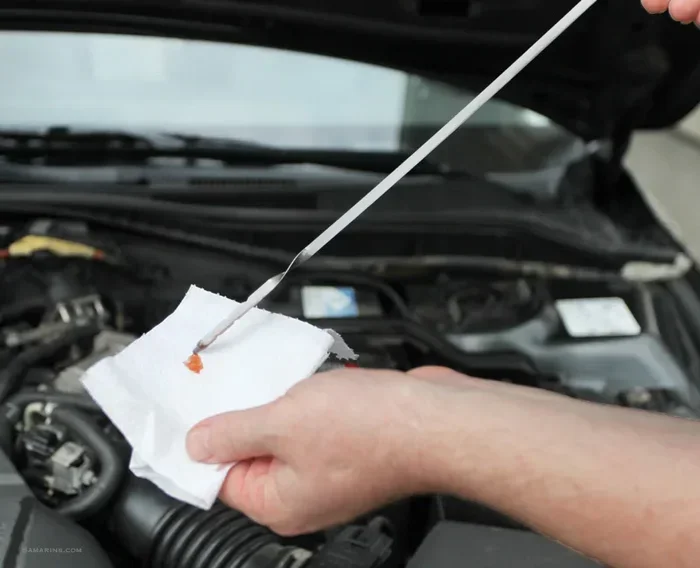
Get in the habit of checking your oil level and condition every few weeks. Use the dipstick to check the color and consistency. Fresh synthetic oil is amber and translucent. Dark, gritty oil needs to be changed. If the oil smells like fuel or looks milky, there is a problem.
Change Your Oil Filter Too
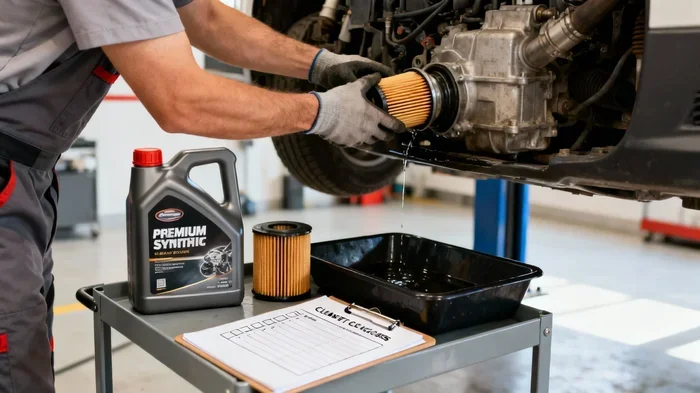
Always replace the oil filter when you change your oil. A clogged or old filter cannot properly clean the oil. Dirty oil circulates through the engine and causes unnecessary wear. A new oil filter ensures your fresh oil stays clean longer.
Follow the 12-Month Rule
Even if you have not hit the mileage mark, change your oil at least once a year. This is the safest approach for most drivers. It keeps your engine protected and prevents the buildup of moisture and contaminants that occur over time.
Use the Right Oil for Your Vehicle
Always use the oil viscosity and specification recommended by your vehicle manufacturer. Check your owner’s manual for the correct grade. Using the wrong oil can reduce engine protection and potentially cause damage.
Common Mistakes People Make with Synthetic Oil
There are several misconceptions about synthetic oil that lead car owners astray. Avoiding these mistakes can save you money and protect your engine.
Myth: Synthetic Oil Lasts Forever
This is the most dangerous myth in car maintenance. Synthetic oil does not last forever. It degrades over time just like any other oil. The difference is that synthetic oil degrades more slowly, not that it never degrades at all.
Myth: You Do Not Need to Change Oil if You Drive Less Than 3,000 Miles a Year
Low mileage does not mean your oil stays fresh. Time-based degradation affects oil regardless of how much you drive. Always follow the time-based interval recommended by your manufacturer.
Myth: All Synthetic Oils Are the Same
Different brands and formulations offer different levels of protection and longevity. Not all synthetic oils perform equally. Choosing a high-quality synthetic oil from a reputable brand makes a real difference in how long it lasts.
Conclusion
So, can you go two years without changing synthetic oil? The honest answer is that it is not recommended. While synthetic oil is far more durable than conventional oil, two years is too long for any oil to sit in an engine without losing its protective qualities. Time-based degradation, moisture accumulation, and additive depletion all take a toll on your oil, even if you drive very few miles.
The safest approach is to change your synthetic oil at least once a year, or according to your vehicle manufacturer’s recommended schedule. If you drive in severe conditions, change it even more frequently. Your engine is one of the most expensive components in your vehicle. Taking care of it with regular oil changes is one of the simplest and most cost-effective things you can do.
Do not let the myth of “long-lasting synthetic oil” fool you into skipping oil changes. Stay proactive, check your oil regularly, and follow the recommended oil change interval. Your engine will thank you with years of reliable performance.
Frequently Asked Questions
How long does synthetic oil actually last?
Most full synthetic oils last between 7,500 and 15,000 miles or about 12 months, whichever comes first. Always check your vehicle manufacturer’s recommendations for the specific oil change interval that applies to your car.
Can synthetic oil go bad if you do not drive much?
Yes, synthetic oil can degrade over time even if you do not drive much. Moisture accumulates, additives break down, and the oil loses its protective properties. It is best to change your oil at least once a year, regardless of mileage.
What are the signs that your synthetic oil needs changing?
Dark or gritty oil on the dipstick, a burning oil smell, reduced fuel efficiency, and engine noise are all signs that your oil needs changing. If your oil life monitoring system indicates it is time for a change, do not ignore it.
Is it okay to change synthetic oil every two years if I drive less than 2,000 miles?
It is not recommended. Even with low mileage, time-based degradation affects oil quality. Most experts and manufacturers recommend changing oil at least once a year to maintain optimal engine protection.
Does synthetic oil break down faster in hot climates?
Yes, high temperatures accelerate the oxidation and thermal breakdown of synthetic oil. If you live in a hot climate or drive in extreme heat, your oil will degrade faster and need to be changed more frequently.
Will skipping oil changes void my car’s warranty?
It can. Most vehicle warranties require proof of regular maintenance, including oil changes. If you skip oil changes or go beyond the recommended interval, the manufacturer may deny a warranty claim related to engine damage.