What Is the General Rule of Collision Avoidance Explained
The general rule of collision avoidance is a core driving principle that helps prevent accidents on the road. It centers on staying alert, maintaining safe distances, and reacting quickly to hazards. Every driver should understand this rule to protect themselves and others. Collision avoidance combines awareness, technique, and smart decision-making behind the wheel. Mastering this rule can truly save lives.
Driving is something most of us do every single day. Whether you commute to work or run errands around town, you share the road with dozens of other drivers. That means staying safe should always be your top priority. The general rule of collision avoidance is one of the most important concepts every driver should know.
This rule is not just some fancy term from a driving manual. It is a practical approach to staying safe that anyone can learn and use. When you understand and apply the general rule of collision avoidance, you give yourself the best chance of avoiding accidents. You also protect your passengers, other drivers, and pedestrians on the road.
So what exactly does this rule involve? At its core, it is about being proactive rather than reactive. Instead of waiting for something dangerous to happen, you stay ahead of potential risks. This means scanning the road constantly, keeping a safe following distance, and being ready to act at all times. Let us dive deeper into what makes this rule so essential for everyday driving.
Key Takeaways
- Right-of-way matters: Knowing who goes first reduces crash risks at intersections.
- Safe following distance: Keeping space between you and the car ahead gives you time to react.
- Defensive driving is key: Always expect the unexpected from other drivers.
- Speed management saves lives: Slower speeds give you more control and stopping time.
- Avoid distractions: Focused drivers spot hazards faster and respond better.
- Emergency maneuvers work: Knowing how to brake or steer suddenly can prevent collisions.
- Vehicle maintenance helps: Well-maintained brakes and tires improve your ability to avoid crashes.
📑 Table of Contents
- What Is the General Rule of Collision Avoidance?
- How the General Rule of Collision Avoidance Works in Practice
- Key Components of Effective Collision Avoidance
- Common Mistakes That Lead to Collisions
- Tips to Strengthen Your Collision Avoidance Skills
- How Technology Supports Collision Avoidance
- Key Takeaways
- Conclusion
What Is the General Rule of Collision Avoidance?
The general rule of collision avoidance is a set of principles drivers follow to prevent crashes before they happen. It is based on the idea that most accidents are predictable and preventable. When you know the rules of the road and stay aware of your surroundings, you can spot danger early and take action.
This rule covers several key areas. These include defensive driving, maintaining safe distances, understanding right-of-way, and managing your speed. It also involves knowing how to react in emergency situations. The goal is simple: keep yourself and everyone else on the road safe.
Why This Rule Matters for Every Driver
Every year, thousands of accidents happen on roads across the country. Many of these crashes could have been avoided with better awareness and preparation. The collision avoidance rule gives drivers a framework for thinking ahead. It shifts your mindset from “hoping nothing goes wrong” to “being ready for anything.”
Think about it this way. When you are driving, you cannot control what other people do. You cannot predict when someone will run a red light or swerve into your lane. But you can control how you respond. The general rule of collision avoidance teaches you to always have a plan. That plan might be slowing down, changing lanes, or simply being more alert. Having a plan in place makes a huge difference when seconds count.
How the General Rule of Collision Avoidance Works in Practice
Understanding the theory behind the general rule of collision avoidance is one thing. Putting it into practice is another. Let us look at how this rule works in real-world driving situations.
Maintaining a Safe Following Distance
One of the most important parts of collision avoidance is keeping a safe distance from the car in front of you. The general guideline is the three-second rule. Pick a fixed point on the road ahead, like a sign or a tree. When the car in front of you passes that point, count to three. If you reach that point before you finish counting, you are following too closely.
In bad weather or at higher speeds, you should increase this distance to four or five seconds. Wet roads, icy conditions, and heavy traffic all require more space. The reason is simple: your braking distance increases when conditions are not ideal. Giving yourself more room means more time to stop safely.
Scanning the Road Ahead
Another key part of the general rule of collision avoidance is active scanning. This means constantly checking the road ahead, behind you, and to both sides. Good drivers do not just stare at the car directly in front of them. They look further ahead to spot potential problems early.
For example, if you see brake lights ahead three cars in front, you should start slowing down even before the car right in front of you reacts. This gives you a smoother, safer stop. It also reduces the chance of a rear-end collision. Hazard perception is a big part of this skill. The more you practice scanning, the better you become at noticing dangers before they become emergencies.
Understanding Right-of-Way Rules
Right-of-way rules are a fundamental part of traffic laws and road safety. These rules tell you who has the legal priority at intersections, crosswalks, and other driving situations. Knowing these rules helps you make smart decisions and avoid dangerous misunderstandings with other drivers.
However, it is important to remember that right-of-way is not always about who has the legal right. Sometimes it is better to yield even when you technically have the right-of-way. The general rule of collision avoidance prioritizes safety over legal technicalities. If another driver seems confused or is about to make a mistake, it is often safer to let them go first.
Key Components of Effective Collision Avoidance
The general rule of collision avoidance is built on several components that work together. Each one plays an important role in keeping you safe on the road. Let us break them down.
Speed Management
Speed is one of the biggest factors in accident prevention. When you drive faster, you have less time to react to hazards. Your stopping distance also increases significantly at higher speeds. The general rule of collision avoidance reminds drivers to always match their speed to road conditions.
This does not mean you must always drive at the slowest possible speed. It means you should adjust your speed based on traffic, weather, visibility, and road type. For instance, reducing speed in school zones, construction areas, or during heavy rain is a smart and safe choice.
Driver Awareness and Focus
Distracted driving is one of the leading causes of accidents today. Driver awareness means keeping your full attention on the road at all times. This includes putting your phone away, avoiding eating while driving, and limiting conversations that take your mind off the road.
The general rule of collision avoidance demands that you stay mentally present every time you get behind the wheel. Even a few seconds of distraction can lead to a serious crash. Staying focused allows you to spot blind spots, notice pedestrians, and react to sudden changes in traffic flow.
Vehicle Maintenance and Readiness
A well-maintained vehicle is a safer vehicle. Your brakes, tires, lights, and windshield wipers all play a role in collision avoidance. If any of these systems are not working properly, your ability to respond to dangers decreases.
Regular maintenance checks can help ensure your vehicle is always road-ready. Check your tire pressure at least once a month. Make sure your brake pads are not worn down. Replace wiper blades when they start streaking. These small steps go a long way in supporting the general rule of collision avoidance.
Common Mistakes That Lead to Collisions
Even the most careful drivers can make mistakes. Understanding common errors helps you avoid them. Here are some of the biggest pitfalls on the road.
Following Too Closely
Tailgating is one of the most dangerous habits on the road. When you follow too closely, you do not give yourself enough time to stop. Many rear-end collisions happen because the driver behind was following too closely. The general rule of collision avoidance clearly states that you should always keep a safe distance.
Ignoring Blind Spots
Every vehicle has blind spots. These are areas around your car that you cannot see in your mirrors. Failing to check blind spots before changing lanes or turning is a common cause of accidents. Always look over your shoulder and use your mirrors together to ensure the way is clear.
Speeding Through Intersections
Intersections are some of the most dangerous places on the road. Speeding through them reduces your ability to react to sudden stops or running traffic lights. The general rule of collision avoidance encourages drivers to slow down at intersections and always be prepared to stop.
Driving While Fatigued
Fatigue affects your reaction time and decision-making skills just as much as alcohol does. Driving while tired is a serious risk factor for collisions. If you feel drowsy, pull over and rest. No destination is worth risking your life for.
Tips to Strengthen Your Collision Avoidance Skills
Improving your collision avoidance skills is something every driver can work on. Here are some practical tips to help you stay safer on the road.
- Practice the three-second rule every time you drive. Make it a habit.
- Check your mirrors every five to eight seconds to stay aware of your surroundings.
- Anticipate other drivers’ actions. If a car is signaling to turn, expect them to turn.
- Keep your windshield clean for better visibility, especially during sunrise and sunset.
- Stay calm in traffic. Aggressive driving increases the risk of accidents significantly.
- Adjust your driving to weather conditions. Rain, fog, and ice all require extra caution.
- Take a defensive driving course. These courses teach valuable skills that can save lives.
Quick Tips for Daily Driving
- Always leave an escape route in mind when driving in traffic.
- Use your turn signals early so other drivers can anticipate your moves.
- Never assume another driver sees you or will do what you expect.
- Keep both hands on the wheel for maximum control.
- Reduce speed when approaching pedestrians, cyclists, or animals on the road.
Expert Insights on Collision Avoidance
Driving instructors and safety experts agree that the general rule of collision avoidance comes down to one simple idea: always have a backup plan. Professional drivers are trained to think several steps ahead. They do not just react to what is happening right in front of them. They anticipate what might happen next and prepare accordingly.
One expert tip is to focus on the “big picture” while driving. Instead of fixating on the car directly ahead, scan the entire roadway. Watch the traffic flow three to four cars ahead of you. Monitor vehicles entering from side streets and driveways. This wider view gives you more time to recognize and respond to potential dangers.
Another important insight from safety professionals is the value of predictable driving. When your actions are predictable, other drivers can anticipate what you will do next. Signal your turns early, change lanes smoothly, and avoid sudden braking. Predictable driving creates a safer environment for everyone on the road.
How Technology Supports Collision Avoidance
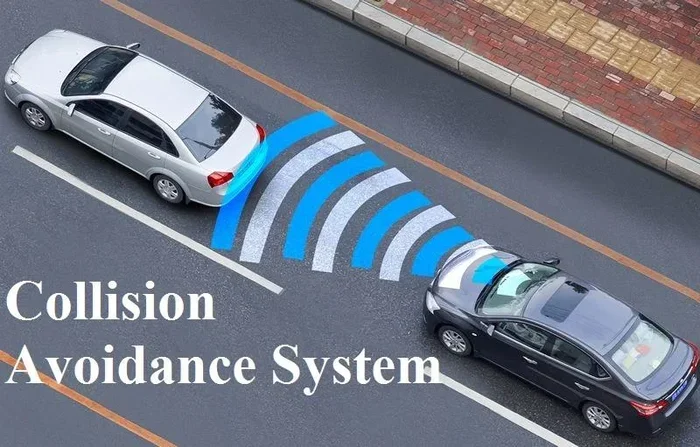
Modern vehicles come equipped with advanced collision avoidance systems. These technologies use sensors, cameras, and software to help drivers stay safe. While they are not a replacement for good driving habits, they can serve as a helpful backup.
Some common collision avoidance technology features include automatic emergency braking, lane departure warnings, and blind-spot monitoring. These systems can alert you to dangers or even take corrective action when you might not react in time. However, it is important to remember that technology is a tool, not a substitute for attentive driving.
The general rule of collision avoidance still applies even in vehicles with advanced safety features. Technology can assist you, but it cannot replace your judgment and awareness. The best approach is to combine smart driving habits with the latest safety technology for maximum protection.
Key Takeaways
- Right-of-way awareness helps you navigate intersections and shared roads safely.
- Safe following distance gives you the time and space needed to stop in an emergency.
- Defensive driving means expecting the unexpected and always having a plan.
- Speed management is one of the most effective tools for accident prevention.
- Staying focused eliminates distractions and improves your reaction time.
- Vehicle maintenance ensures your car can respond when you need it most.
- Technology supports safety but should never replace your own alertness and judgment.
Conclusion
The general rule of collision avoidance is one of the most valuable lessons every driver can learn. It is not complicated or difficult to understand. At its heart, it is about staying alert, keeping your distance, and always being prepared for the unexpected. When you make these habits part of your daily driving routine, you become a safer and more confident driver.
Remember, no trip is so important that it is worth risking your safety or the safety of others. The general rule of collision avoidance gives you the knowledge and tools to protect yourself on every journey. Practice these principles every time you get behind the wheel, and you will be doing your part to make the roads safer for everyone.
Start today. Apply the tips and insights from this guide to your next drive. You will be surprised at how much more aware and in control you feel. Safe driving is not just a skill. It is a responsibility we all share.
Frequently Asked Questions
What is the general rule of collision avoidance?
The general rule of collision avoidance is a set of driving principles designed to prevent accidents before they happen. It involves staying alert, maintaining safe distances, understanding right-of-way, and being ready to react to hazards. This rule encourages drivers to be proactive rather than reactive when facing potential dangers on the road.
Why is the general rule of collision avoidance important?
This rule is important because most road accidents are predictable and can be prevented. By following the principles of collision avoidance, drivers can significantly reduce their risk of being involved in a crash. It protects not only the driver but also passengers, pedestrians, and other road users.
How can I improve my collision avoidance skills?
You can improve your skills by practicing the three-second following rule, scanning the road ahead constantly, and avoiding distractions. Taking a defensive driving course is also a great way to build confidence and learn new techniques. Regular practice makes these habits second nature over time.
Do collision avoidance systems in cars replace the need for this rule?
No, technology cannot replace the need for attentive driving. While collision avoidance systems like automatic braking and lane departure warnings are helpful, they are tools that assist the driver. The general rule of collision avoidance still requires you to stay focused and make smart decisions behind the wheel.
What are the most common causes of collisions that this rule helps prevent?
The most common causes include following too closely, speeding, distracted driving, and failing to yield the right-of-way. The general rule of collision avoidance addresses each of these by encouraging safe habits and proactive awareness on the road.
Can the general rule of collision avoidance help in bad weather?
Absolutely. The rule emphasizes adjusting your driving to current conditions, including weather. In rain, fog, or ice, slowing down, increasing following distance, and staying extra alert are all part of effective collision avoidance. These adjustments can make a big difference in preventing weather-related accidents.