How to Remove Spray Paint from Car Glass in Minutes
Removing spray paint from car glass is easier than most people think. With the right tools and a little patience, you can restore your windshield and windows in minutes. This guide covers proven methods using household items and professional products. You will learn safe techniques that protect your car glass from scratches and damage. Whether the paint is fresh or dried, these steps work every time.
There is nothing worse than walking out to your car and finding spray paint splattered on the glass. Maybe it happened during a nearby painting job. Maybe a kid in the neighborhood decided your car was a canvas. Either way, spray paint from car glass is a frustrating problem that needs a fast solution. The good news is that you do not need expensive tools or professional skills to fix this. Most people can remove spray paint from their car windows in under 30 minutes using items they already have at home.
Car glass is tough, but it is not invincible. Using the wrong removal method can leave scratches, streaks, or haze behind. That is why knowing the right approach matters so much. This guide walks you through every step clearly and simply. You will learn how to remove spray paint from car glass using safe, proven techniques. By the end, your windows will look as good as new.
Key Takeaways
- Act fast: Fresh spray paint is much easier to remove than dried paint.
- Use household items first: Rubbing alcohol, nail polish remover, and WD-40 are effective and affordable.
- Avoid harsh scrapers: Never use metal tools on car glass or you risk permanent scratches.
- Protect your glass: Always test any solution on a small hidden area before applying it fully.
- Prevention works best: Covering your car during painting jobs saves time and money.
- Professional help is an option: Stubborn paint spots may need a detailer’s expertise.
📑 Table of Contents
Understanding Spray Paint on Car Glass
Before you start cleaning, it helps to understand what you are dealing with. Spray paint comes in different types, and each behaves differently on glass. Fresh paint is water-based and wipes off easily. Dried paint forms a hard shell that bonds to the glass surface. The longer it sits, the harder it becomes to remove.
Types of Spray Paint You Might Encounter
Most spray paints fall into two categories. Latex-based paints are water-soluble and easier to clean. Enamel-based paints are oil-based and much tougher. Automotive spray paints are designed to be durable and weather-resistant. That makes them especially stubborn on glass surfaces. Knowing the type of paint helps you choose the right removal method.
Also consider the paint finish. Gloss paint tends to leave a shiny residue. Matte paint creates a dull film on glass. Metallic or glitter sprays leave tiny particles that cling to the surface. Each type requires a slightly different approach for full cleanup.
Why Car Glass Is Different from Other Surfaces
Car glass has a special coating that helps with water repellency and UV protection. This coating can be damaged by harsh chemicals or abrasive tools. That is why you need to be gentle yet effective when cleaning spray paint from car glass. Regular household glass cleaners alone will not cut through dried spray paint. You need a solvent or a mechanical method to break down the paint bond.
The temperature also matters. Cold weather makes paint brittle and easier to chip off. Hot weather softens paint and makes it stickier. Ideally, you should work in a shaded area with moderate temperatures. This gives you the best control over the removal process.
What You Will Need Before You Start
Gathering your supplies before you begin saves a lot of time. You do not want to stop halfway through because you are missing something. Here is a simple checklist of everything you might need.
Household Items That Work
- Rubbing alcohol (isopropyl alcohol): One of the most effective and safe solvents for paint removal.
- Nail polish remover (acetone-based): Dissolves dried paint quickly. Use with caution on tinted glass.
- WD-40 or similar lubricant: Softens paint without harming the glass.
- White vinegar: A mild option for fresh paint spots.
- Dish soap and warm water: Great for pre-cleaning and final wiping.
- Microfiber cloths: Soft and scratch-free. Use at least three or four of them.
- Plastic scraper or old credit card: For gently lifting softened paint flakes.
- Clay bar (detailing grade): Removes stubborn residue without scratching.
Commercial Products Worth Trying
If household items do not do the job, several commercial products are designed specifically for paint removal on glass. Automotive glass cleaners with paint-cutting properties work well. Clay bars made for car detailing are another excellent option. Paint removers formulated for automotive use are also available at auto parts stores. Always check the label to make sure the product is safe for glass surfaces.
Step-by-Step Methods to Remove Spray Paint from Car Glass
Now for the part you have been waiting for. Here are three proven methods to remove spray paint from car glass. Each method works well for different situations. Start with the gentlest method first and move to stronger options only if needed.
Method 1: Using Rubbing Alcohol
Rubbing alcohol is safe, effective, and easy to find. It works well on both fresh and semi-dried paint. Start by soaking a microfiber cloth in rubbing alcohol. Place the cloth directly over the paint spot. Let it sit for about two to three minutes. The alcohol will begin to soften the paint. Gently wipe in circular motions. The paint should start lifting off the glass. For stubborn spots, apply more alcohol and let it sit a little longer. Use a clean section of the cloth to wipe away the loosened paint. Finish by cleaning the area with a mixture of dish soap and water. Dry with a fresh microfiber cloth for a streak-free finish.
This method is ideal for small spots and light coverage. It works on all types of car glass including tinted windows. The key is to let the alcohol do the work. Do not press too hard or rush the process.
Method 2: Using Acetone or Nail Polish Remover
Acetone is a stronger solvent that breaks down dried paint fast. This method works best for thick layers of dried spray paint. Soak a clean cloth in acetone or pure nail polish remover. Apply it directly to the paint spot. Let it sit for one to two minutes. The paint will soften and begin to bubble slightly. Use a plastic scraper to gently lift the softened paint. Wipe away the residue with a fresh cloth. Repeat if needed until the glass is completely clear.
Be careful with tinted windows. Acetone can damage some window tint films. If your car has tinted glass, test a small hidden spot first. Also, work in a well-ventilated area because acetone fumes are strong. Always wash the glass with soap and water after using acetone to remove any chemical residue.
Method 3: Using a Clay Bar Technique
A detailing clay bar is a fantastic tool for removing paint residue from glass. It works by gently pulling contaminants off the surface without scratching. Start by washing the glass with car wash soap and drying it completely. Spray a quick detailer or clay lubricant onto a small section of the glass. Rub the clay bar gently back and forth over the paint spot. The clay will pick up the paint particles as it moves. Keep the surface lubricated at all times to prevent any scratching. Wipe the area clean with a microfiber cloth when done.
This method is perfect for thin layers of paint overspray. It is also great for removing paint that has already been partially cleaned but left behind a hazy film. Clay bars are safe for all glass types and are a staple in professional car detailing.
Tips to Avoid Damaging Your Car Glass
Removing spray paint is all about being effective without causing harm. Car glass is more delicate than you might think. Here are important tips to keep your glass safe during the process.
- Never use metal scrapers or razor blades: These can leave deep scratches that are impossible to remove.
- Always test products first: Apply any chemical to a small hidden area and wait five minutes. Check for discoloration or damage before proceeding.
- Use gentle pressure: Let the solvent do the hard work. Scrubbing aggressively causes micro-scratches.
- Work in sections: Focus on one area at a time. This prevents the solvent from drying on the glass before you can wipe it off.
- Keep the glass lubricated: When using abrasive tools like clay bars, always apply a lubricant first.
- Avoid direct sunlight: Working in direct sun causes solvents to evaporate too quickly and can leave streaks.
Common Mistakes to Avoid
Many people make avoidable mistakes when cleaning paint from car glass. One of the biggest errors is using household window cleaners alone. They simply cannot break through spray paint. Another mistake is using paper towels or rough cloths. These can leave lint and scratch the glass surface. Some people also try to peel off dried paint with their fingernails or sharp objects. This almost always results in scratches. Avoid these pitfalls and your glass will stay pristine.
Quick Tips for Best Results
Here are some expert tips that make a big difference. Work in small sections for the most control. Keep several microfiber cloths on hand so you always have a clean surface to wipe with. Apply gentle, consistent pressure rather than heavy force. If the paint does not come off after the first attempt, let the solvent sit longer. Patience is your best tool. Finally, always finish with a glass polish or automotive glass cleaner to restore clarity and shine.
Preventing Future Paint Mishaps
The best way to deal with spray paint on car glass is to prevent it from happening in the first place. Prevention is simple and saves you a lot of time and effort.
- Park away from painting areas: If your neighbor is painting their house or fence, park as far away as possible.
- Use a car cover: A breathable car cover protects your vehicle from overspray, dust, and debris.
- Apply a ceramic coating: A ceramic coating creates a protective barrier that makes it easier to clean off any contaminants.
- Wash your car regularly: Regular washing removes loose particles before they bond to the glass.
- Use a paint protection film: PPF on vulnerable areas like the hood and windshield provides an extra layer of defense.
Taking these simple precautions keeps your car looking great and reduces the need for paint removal in the future. A little prevention goes a long way in maintaining your vehicle’s appearance.
When to Seek Professional Help
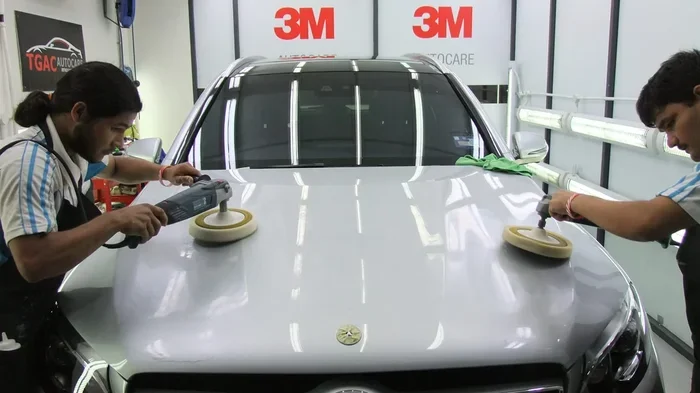
Most spray paint spots can be handled at home with the methods described above. However, there are situations where professional help makes sense. If the paint covers a large area of the windshield or multiple windows, it may be too time-consuming to handle yourself. Also, if the paint has been on the glass for weeks or months, it may have bonded deeply and require industrial-strength removal techniques.
Professional auto detailers have access to specialized tools and products that are not available to consumers. They also have the experience to handle delicate situations like tinted windows or rare glass types. If you have tried home methods without success, it is perfectly fine to visit a detailer. The cost is usually reasonable, and the results are often excellent. A professional can also apply a protective treatment to your glass after removal to make future cleanup easier.
Another reason to seek help is if you notice any damage to the glass during your cleaning attempts. Scratches, chips, or haze that does not go away should be evaluated by a professional. They can determine whether the damage is cosmetic or structural and recommend the best fix. Your safety on the road depends on clear, undamaged glass.
Comparison of Removal Methods
Choosing the right method depends on your situation. Here is a quick comparison to help you decide.
- Rubbing alcohol: Best for fresh and semi-dried paint. Safe for all glass types. Easy to find and affordable.
- Acetone: Best for thick, dried paint layers. Very fast acting. Use carefully on tinted glass.
- Clay bar: Best for thin overspray and hazy residue. Gentle and safe. Requires more time and effort.
- WD-40: Best for light paint spots and as a pre-treatment. Leaves an oily residue that needs washing off.
- Commercial paint removers: Best for stubborn, aged paint. More expensive but highly effective.
For most people, starting with rubbing alcohol and following up with a clay bar treatment covers nearly every situation. This combination is safe, affordable, and effective for removing spray paint from car glass without any risk of damage.
Final Thoughts
Removing spray paint from car glass does not have to be a stressful experience. With the right knowledge and the right tools, you can handle it quickly and safely. Whether you use rubbing alcohol, acetone, or a clay bar, the key is to be patient and gentle. Always test any product first and work in a shaded area. Prevention is your best long-term strategy, so consider using a car cover or ceramic coating to protect your vehicle.
If the paint is too stubborn or the damage is too extensive, do not hesitate to call a professional. Your safety and the appearance of your car matter most. Now that you know how to remove spray paint from car glass, you are fully prepared to handle this common problem with confidence. Grab your supplies, follow the steps, and enjoy crystal-clear windows again.
Frequently Asked Questions
Can I use a razor blade to scrape paint off car glass?
No, razor blades and metal scrapers can scratch car glass permanently. Always use a plastic scraper or a soft cloth instead. These tools lift paint safely without damaging the glass surface.
Is acetone safe for tinted car windows?
Acetone can damage some window tint films. If your car has tinted windows, test acetone on a small hidden area first. If you notice any discoloration or peeling, switch to rubbing alcohol instead.
How long does it take to remove spray paint from car glass?
Fresh paint can be removed in 10 to 15 minutes. Dried paint may take 30 to 45 minutes depending on the thickness and the method used. Patience and the right product make all the difference.
Will rubbing alcohol damage my car glass?
No, rubbing alcohol is safe for car glass when used properly. It is a gentle solvent that effectively dissolves paint without harming the glass or any protective coatings. Just make sure to wash the area with soap and water afterward.
Can I prevent spray paint from sticking to my car glass?
Yes, applying a ceramic coating or paint protection film helps create a barrier. Parking away from painting areas and using a car cover are also effective prevention strategies that keep your glass clean.
What should I do if the paint has been on the glass for months?
Old, dried paint requires a stronger solvent like acetone or a commercial paint remover. Let the solvent soak for a few minutes and use a clay bar for any remaining residue. If it still does not come off, a professional detailer can help safely.
=== CONCLUSION ===
Learning how to remove spray paint from car glass is a valuable skill every car owner should have. The methods in this guide work for fresh paint, dried paint, and everything in between. Stick to safe, proven techniques and always protect your glass from scratches. With a little effort and the right supplies, your car windows will look flawless again. Share this guide with friends who might need it, and keep your car looking its best every day.