Harley 6-Speed Transmission Problems and How to Fix Them
Harley 6-Speed Transmission Problems can ruin your ride if ignored. This guide covers the most common issues like clutch slip, gear grinding, and leaks. You’ll learn simple troubleshooting steps and when to call a pro. Fix your motorcycle transmission with confidence.
If you own a Harley Davidson with a 6-speed gearbox, you know the thrill of that smooth power delivery. But when Harley 6-Speed Transmission Problems start popping up, that thrill can turn into a nightmare. Gear grinding, clutch slip, and mysterious leaks can leave you stranded on the side of the road. These transmission issues are more common than you might think, especially as bikes age or hit high mileage. Understanding what goes wrong and how to fix it can save you time, money, and a lot of frustration. This guide walks you through the most frequent problems, practical troubleshooting steps, and proven fixes. By the end, you’ll know exactly how to keep your 6-speed shifting like new.
A motorcycle transmission is a rugged piece of engineering, but it’s not invincible. The 6-speed gearbox in your Harley handles immense torque and heat every time you ride. Over time, wear and tear take their toll. Maybe you’ve noticed a slight hesitation when shifting into third gear. Or perhaps a red fluid puddle is forming under your bike. These are not just annoyances. They are early signals that something needs attention. Ignoring them can lead to a complete transmission failure, which is a very expensive repair. The good news is that most problems start small and are fixable if you catch them early. This article gives you the knowledge to do exactly that.
Key Takeaways
- Recognize early warning signs: Difficulty shifting, strange noises, and fluid leaks signal transmission trouble.
- Regular maintenance prevents major failures: Fluid changes and clutch inspections save costly repairs.
- DIY fixes work for minor issues: Adjusting clutch cable and topping off fluid are easy home jobs.
- Know when to seek professional help: Internal damage like worn synchronizers needs a skilled mechanic.
- Cost varies widely: Simple repairs cost under $200, while a full rebuild can exceed $1,500.
- Riding habits matter: Smooth shifting and avoiding clutch drag extend transmission life.
📑 Table of Contents
How Your Harley 6-Speed Transmission Works
The Basics of a 6-Speed Gearbox
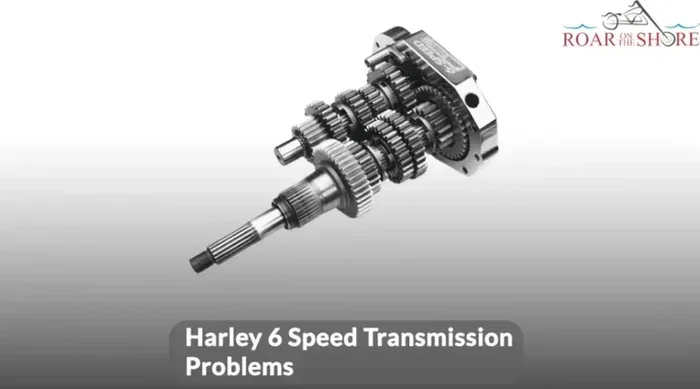
Your Harley’s 6-speed transmission uses a series of gears to multiply engine power and match speed to riding conditions. When you pull the clutch lever, you disengage the engine from the gearbox. This allows you to slide the gear selector fork into a new position. The fork moves a gear wheel to mesh with another gear of a different size. That change in ratio is what gives you the right amount of torque for acceleration or top speed. The whole process relies on clean transmission fluid to keep the gears lubricated and cool.
Inside the transmission case, you’ll find shift forks, synchronizer rings, and clutch packs. The synchronizers are small brass rings that match the speed of the gears before they lock together. When you hear a smooth click into gear, a synchronizer did its job. If a synchronizer wears out, you get gear grinding and difficulty shifting. The clutch packs use friction plates to transfer power. When the clutch slips, those plates wear down. Understanding these basic parts helps you diagnose problems faster.
Why Transmissions Fail Over Time
Transmission failure rarely happens overnight. It’s usually a slow process caused by neglect or normal wear. The most common culprits are dirty fluid, clutch drag, and missed service intervals. Transmission fluid breaks down from heat and friction. Old fluid loses its ability to lubricate, which causes extra wear on gears and synchronizers. Clutch drag happens when the clutch plates don’t fully disengage. This forces you to grind gears when shifting. Riding with a dragging clutch is one of the fastest ways to ruin a 6-speed gearbox.
Another cause is water contamination. Riding through deep puddles or washing your bike with a high-pressure hose can force water past the seals. Water mixes with the fluid and creates sludge. This sludge clogs small passages and accelerates wear. Even the best Harley Davidson maintenance schedule can’t prevent all problems if the bike is ridden hard in wet conditions. Regular inspections and fluid changes are your best defense against transmission issues.
The Most Common Harley 6-Speed Transmission Problems
Harley 6-Speed Transmission Problems tend to fall into a few clear categories. Each category has distinct symptoms that point to a specific root cause. Here are the issues you’re most likely to encounter.
| Problem | Common Symptoms | Likely Cause |
|---|---|---|
| Difficulty Shifting Gears | Gears won’t go in, or they pop out while riding | Worn shift forks, low fluid, clutch not fully disengaging |
| Clutch Slip | Engine RPMs rise but speed doesn’t increase | Worn clutch friction plates, contaminated fluid |
| Transmission Fluid Leak | Red or brown puddle under the bike, low fluid level | Damaged input shaft seal, cracked transmission case |
| Strange Noises and Vibrations | Grinding, whining, or humming sounds, especially under load | Worn synchronizers, damaged bearings, metal shavings in fluid |
| Gear Grinding | Harsh scraping noise when trying to engage a gear | Synchronizer wear, clutch drag, low fluid |
Difficulty Shifting Gears
This is the number one complaint among Harley riders. You’re at a stoplight, you pull the clutch, and the gear stick just won’t move. Or worse, you’re cruising on the highway and second gear suddenly pops out. A transmission that won’t hold gear is a serious safety issue. The most common reason is a stretched or worn clutch cable. When the cable doesn’t pull the clutch plates far enough apart, the gears can’t disengage. Another cause is low transmission fluid. Without enough fluid, the shift forks don’t move smoothly. You might also find metal shavings in the fluid if a synchronizer is wearing out.
Clutch Slip and Poor Engagement
Clutch slip feels like the engine is revving higher than your speed should allow. You twist the throttle and the RPMs climb, but the bike doesn’t accelerate proportionally. This happens when the clutch friction plates are glazed or worn. Slipping generates intense heat, which degrades the transmission fluid further. In some cases, a stuck clutch piston seal causes the issue. The seal fails to apply full pressure to the plates. This leads to incomplete engagement and a slipping feeling. Clutch slip is one of the most damaging transmission issues because it creates a vicious cycle of heat and wear.
Transmission Fluid Leaks
A red or brown stain under your Harley is never a good sign. Transmission fluid leaks usually start at the input shaft seal or the output shaft seal. Over time, the rubber seals harden and crack. A cracked transmission case is less common but can happen after a low-side crash or severe impact. Even a small leak reduces the fluid level, which leads to poor lubrication and increased friction. If you ignore a leak, the transmission will eventually overheat and fail. Checking your fluid level regularly is a simple way to catch leaks early.
Strange Noises and Vibrations
Every motorcycle makes some noise, but a healthy transmission should be relatively quiet. If you hear a whining or humming sound that changes with speed, your bearings might be worn. A grinding noise when you shift into a specific gear often points to a damaged synchronizer. Metal shavings in the fluid are a clear sign of internal metal-to-metal contact. These shavings act like sandpaper, accelerating wear on every gear surface. Vibrations felt through the shift pedal or the frame can indicate a failing output shaft bearing. Addressing unusual noises early can prevent a complete transmission breakdown.
Quick Tip: Always check your transmission fluid with the bike on its sidestand and the engine warm. The fluid level changes when the gears are engaged. Checking it cold can give you a false reading.
Troubleshooting Your Transmission Step by Step
Before you panic, follow a logical troubleshooting process. Many transmission issues have simple causes that you can check yourself. Here’s a step-by-step guide to diagnose the problem.
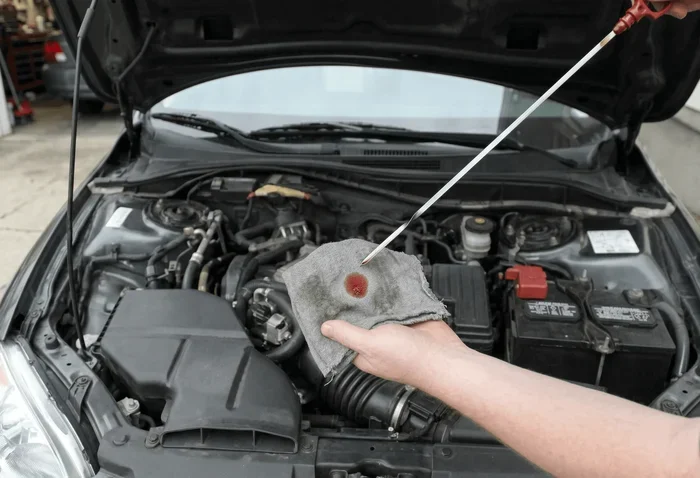
- Check the transmission fluid level and condition. Drain a few drops onto a white paper towel. Look for metal particles or a burnt smell. Clean, red fluid is good. Dark, gritty fluid needs changing.
- Inspect the clutch cable adjustment. Make sure there’s proper free play at the lever. A cable that’s too tight causes clutch drag. A cable that’s too loose causes incomplete clutch engagement.
- Look for external leaks. Follow the fluid trail up from any puddle. Check the input shaft seal, output shaft seal, and the drain plug area.
- Listen for internal noise. With the engine running and the clutch pulled in, shift through all gears. Listen for grinding or clicking sounds that indicate worn synchronizers.
- Test ride with attention. Note exactly when the problem occurs. Does it happen only when the bike is cold? Does it happen under load or while coasting? This information helps a mechanic pinpoint the issue.
If you complete these steps and the problem persists, it’s time to dig deeper. A transmission that won’t shift or that makes loud noises likely has internal damage. At that point, you need to decide between a DIY rebuild or a professional repair. Trying to force a gear change when the transmission is damaged can make the problem worse.
Common Mistake: Many riders add stop-leak products to a transmission fluid leak. These products can clog small passages and cause more harm than good. Always fix the leak at the source by replacing the seal or gasket.
Repair Options: DIY Fixes vs. Professional Service
Once you know what’s wrong, you need to decide how to fix it. Some repairs are perfect for a weekend in the garage. Others require a full transmission rebuild and a specialist’s tools. Here’s a comparison of common problems and the best repair path.
| Transmission Problem | DIY Fix Possible? | Typical Cost Range | Recommended Action |
|---|---|---|---|
| Low fluid level from a small leak | Yes | $20–$50 for fluid and seal | Replace seal, refill with correct fluid |
| Clutch cable stretch causing shift difficulty | Yes | $15–$40 for cable | Adjust or replace clutch cable |
| Clutch slip from worn friction plates | No | $300–$800 for parts and labor | Professional clutch and transmission service |
| Worn synchronizer causing gear grind | No | $500–$1,200 for rebuild | Rebuild transmission with a specialist |
| Internal bearing failure with noise | No | $800–$1,500+ for rebuild | Full transmission rebuild or replacement |
| Cracked transmission case | No | $1,200–$2,000+ for new case and rebuild | Replace case and rebuild by a professional |
Simple Fixes You Can Do at Home
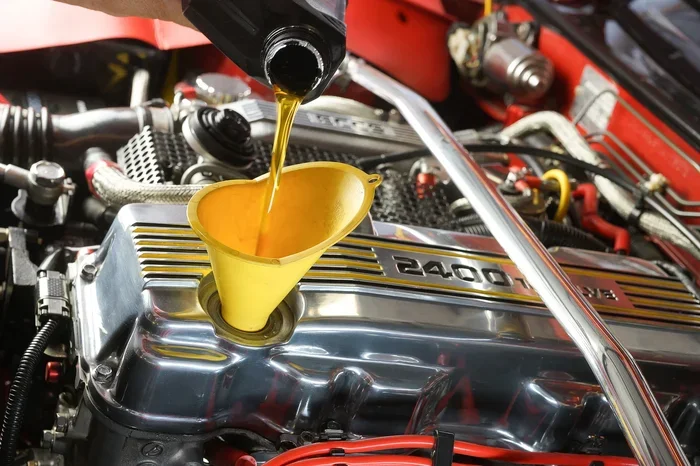
The easiest Harley 6-Speed Transmission Problems to fix are fluid-related. Topping off the transmission fluid takes about 15 minutes. You’ll need a drain pan, a funnel, and the correct fluid type. Harley recommends a specific friction-modified fluid for their 6-speed gearboxes. Using the wrong fluid can cause clutch slip and poor shifting. While you’re down there, replace the drain plug washer. This is a cheap insurance policy against future leaks. You can also adjust the clutch cable if you’re experiencing shift difficulty. The process involves loosening the locknut, turning the adjuster, and checking the free play at the lever. Most service manuals include a diagram with the exact specification.
When a Mechanic Is Necessary
If the problem involves internal parts like synchronizers, shift forks, or bearings, you need a professional. These components require the transmission to be removed from the bike and completely disassembled. A rebuild involves cleaning every part, measuring wear tolerances, and replacing damaged components. This is not a beginner job. It requires a service manual, a set of feeler gauges, and a clean workspace free of dust. Even experienced home mechanics often send a transmission with internal damage to a specialist. The risk of reassembling it incorrectly and causing a bigger failure is too high. A qualified Harley technician has the experience and the special tools, like a transmission jack and a clutch holding tool, to do the job right.
Cost Breakdown for Transmission Repairs
The cost of fixing transmission issues varies dramatically based on the root cause. A fluid change and seal replacement might cost you under $100 in parts and your own labor. A clutch job that includes a transmission service typically runs between $400 and $900. A full rebuild can range from $1,200 to $2,500 depending on the shop and the extent of damage. The most expensive scenario is a cracked case, which requires a new case and a complete rebuild. That can easily exceed $2,500. The best way to keep costs low is to catch problems early and perform regular maintenance. A $50 fluid change every year can prevent a $2,000 rebuild later.
Preventive Maintenance Tips for Longevity
The best way to deal with Harley 6-Speed Transmission Problems is to prevent them from happening in the first place. A little preventive care goes a long way toward keeping your gearbox healthy for the long haul.
Regular Fluid Changes and Inspections
Change your transmission fluid at least once a year, or every 10,000 miles, whichever comes first. Use the fluid recommended in your owner’s manual. During a fluid change, inspect the drain plug magnets for metal particles. A few tiny specks are normal. Large flakes or chunks indicate internal wear that needs immediate attention. Also, check the fluid level with the bike on its sidestand after the engine is warm. A low fluid level is the number one cause of premature wear.
Clutch Adjustment and Inspection
Keep your clutch cable properly adjusted. Too much free play causes clutch drag, which wears the synchronizers. Too little free play means the clutch plates never fully disengage, leading to gear grinding. Inspect the clutch cable for fraying or kinks every few months. Replace it at the first sign of wear. A new clutch cable costs very little and takes just a few minutes to install. This simple step can prevent many of the most common gear shifting problems.
Riding Habits That Protect Your Gearbox
How you ride affects your transmission more than you might think. Always pull the clutch lever fully before shifting. Partial clutch pull creates a condition called half-clutch, which causes excessive wear on the clutch plates and synchronizers. Avoid riding the clutch, meaning don’t rest your hand on the lever while cruising. This keeps the clutch partially engaged and generates unnecessary heat. When downshifting, use the brakes to slow down first, then shift. Rev-matching without the clutch can be done smoothly, but forcing a gear change without the clutch is a fast track to damage. Smooth, deliberate shifts are the secret to a long-lasting 6-speed gearbox.
Expert Insight: “A well-maintained Harley 6-speed transmission can easily last 100,000 miles or more. The riders who get the most life out of their gearboxes are the ones who check the fluid and adjust the clutch regularly. It’s the boring maintenance that makes the difference.” – Motorcycle Transmission Specialist
Conclusion: Keeping Your Harley Shifting Smooth
Harley 6-Speed Transmission Problems don’t have to sideline you. By understanding how your gearbox works and recognizing the early warning signs, you can tackle issues before they become major failures. From clutch slip and gear grinding to fluid leaks and strange noises, each problem has a clear path to a solution. Start with simple checks like fluid level and clutch cable adjustment. Know when a problem needs a professional’s touch. And above all, stick to a regular maintenance schedule. Your 6-speed transmission is the heart of your Harley’s drivetrain. Treat it well, and it will reward you with smooth, reliable shifts for thousands of miles. Get out there, check your fluid, and enjoy the ride.
Frequently Asked Questions
What are the first signs of a failing Harley 6-speed transmission?
The first signs are usually subtle. You might notice a slight delay when engaging gears, a grinding noise when shifting, or a clutch that feels spongy or loose. Fluid leaks under the bike are another clear indicator. Catching these early symptoms and addressing them quickly can prevent a complete transmission failure.
Can I ride my Harley with a slipping clutch?
You can ride short distances, but it’s not recommended. A slipping clutch generates extreme heat that damages the transmission fluid and wears the friction plates faster. Prolonged riding with a slipping clutch can lead to a much more expensive repair. Have it inspected and fixed as soon as possible.
How often should I change my Harley 6-speed transmission fluid?
Harley-Davidson recommends changing the transmission fluid at least once a year or every 10,000 miles, whichever comes first. If you ride in wet or dusty conditions, you might need to change it more frequently. Fresh fluid keeps the gears lubricated and helps prevent premature wear.
Is it worth rebuilding a Harley 6-speed transmission myself?
Rebuilding a transmission is a complex job that requires special tools and a clean workspace. If you have experience with motorcycle mechanics and the right service manual, it can be a rewarding DIY project. However, if you’re not confident in your skills, it’s better to have a professional do it. A poorly rebuilt transmission can fail quickly and cause more damage.
What causes gear grinding in a 6-speed Harley?
Gear grinding usually happens when the synchronizers are worn or when the clutch doesn’t fully disengage. Dirty or low transmission fluid can also cause the shift forks to move sluggishly. Riding with a dragging clutch or forcing gears when they don’t want to go are common causes of this problem.
How much does it cost to fix a Harley 6-speed transmission leak?
The cost depends on where the leak is coming from. Replacing an input shaft seal or output shaft seal typically costs between $150 and $300 for parts and labor. If the leak is from a cracked transmission case, the repair can be much more expensive, often requiring a full case replacement and rebuild.