Do Prius Models Hold Their Value And Why It Matters
Do Prius models hold their value? The answer is a strong yes, especially compared to many other vehicles on the road. Toyota Prius resale rates consistently outperform the average hybrid vehicle depreciation curve, making it one of the smartest choices for buyers who care about long-term cost. Understanding why the Prius holds value can help you make a better buying or selling decision today.
When you buy a car, one of the biggest financial decisions you make is how well it will hold its value over time. Do Prius models hold their value? The short answer is yes, and the long answer is even more interesting. The Toyota Prius has built a strong reputation as one of the most reliable and fuel-efficient cars on the market. This reputation directly impacts how well these vehicles retain their worth after purchase. In this article, we will explore Prius value retention in depth. You will learn about the hybrid vehicle depreciation trends, which model years perform best, and what you can do to protect your investment.
Understanding Toyota Prius resale value starts with knowing how the hybrid car market works. Unlike many vehicles that lose value rapidly, the Prius has shown remarkable staying power. This is not just luck. It comes down to a combination of engineering, brand trust, and real-world ownership costs. Whether you are buying new or shopping for a used model, knowing how Prius depreciation works gives you a clear advantage. Let us break down everything you need to know about Prius cost of ownership and why this car continues to impress buyers years after it leaves the lot.
The Toyota Prius has been a staple in the hybrid car market for over two decades. It introduced millions of drivers to the benefits of electric hybrid technology and fuel efficient cars. Over the years, Toyota has refined the design, improved efficiency, and built one of the most trusted nameplates in the auto industry. The result is a vehicle that not only saves money at the pump but also holds onto its value remarkably well. Let us look at the numbers and see exactly how well these cars perform over time.
Key Takeaways
- Strong Resale Performance: Prius models retain value significantly better than most competing hybrid and gas-powered vehicles.
- Reliability Drives Retention: High Prius reliability ratings build buyer confidence and reduce depreciation.
- Fuel Economy Matters: Exceptional fuel economy ratings attract secondhand buyers looking to save on gas.
- Certain Years Stand Out: Specific model years like the 2016-2020 Prius hold value better than others.
- Maintenance Cost Plays a Role: Lower upkeep expenses make used Prius models more appealing to buyers.
- Brand Reputation Helps: Toyota brand reputation for durability supports long-term vehicle retention.
📑 Table of Contents
Understanding How Prius Models Hold Their Value
Do Prius models hold their value better than the average car? The data says yes. On average, a new car loses about 20% to 30% of its value in the first year. For many vehicles, that number keeps climbing in year two and three. The Prius follows a different path. According to industry reports, the first-year hybrid vehicle depreciation for a Prius is often closer to 15% to 20%. By year five, many Prius models retain about 40% to 50% of their original purchase price. This is well above the industry average for most cars.
Several factors contribute to this strong vehicle retention rate. First, the Prius is known for its exceptional fuel economy ratings. Buyers looking for a used car often seek out models that will save them money on gas. The Prius delivers on this promise. Second, Toyota has built a reputation for reliability. When buyers shop the used Prius prices market, they know they are getting a car that will likely last well beyond 150,000 miles. This confidence translates directly into stronger resale numbers.
Another key factor is the growing demand for fuel efficient cars and environmentally conscious vehicles. As gas prices fluctuate and environmental awareness grows, more buyers are turning to hybrid models. The Prius sits at the center of this shift. Its hybrid vehicle ownership costs remain low, which makes it attractive to a wide range of buyers. From young professionals to families, the Prius appeals to people who want value without compromise.
The Role of Fuel Economy in Value Retention
Fuel economy is one of the biggest selling points for the Prius. The latest models deliver impressive fuel economy ratings that consistently rank among the best in the compact car segment. When gas prices rise, demand for efficient vehicles spikes. This demand helps used Prius prices stay strong even during economic downturns. The math is simple: a car that sips fuel instead of guzzling it saves the owner hundreds or even thousands of dollars per year. That savings makes a used Prius an attractive option, which in turn supports Toyota Prius resale value.
Which Prius Models Depreciate the Slowest
Not all Prius models are created equal when it comes to holding value. Some years and trims outperform others significantly. Understanding which models depreciate the slowest can help you make a smarter purchase decision.
Best Prius Years for Value Retention
If you are shopping for a used Prius, certain model years stand out. The 2016 through 2020 Prius models have shown the strongest vehicle retention rate in the lineup. These years feature updated styling, improved technology, and better overall refinement. Buyers of used models consistently seek out these years because they offer the best balance of modern features and proven reliability.
The 2010 through 2015 Prius models also hold value well, though they depreciate a bit faster than the newer ones. These older models are still popular among budget-conscious buyers. They offer the same hybrid vehicle technology that made the Prius famous, just at a lower price point. Even these earlier models outperform many competing vehicles in the same price range.
Prius Trim Levels and Their Impact on Depreciation
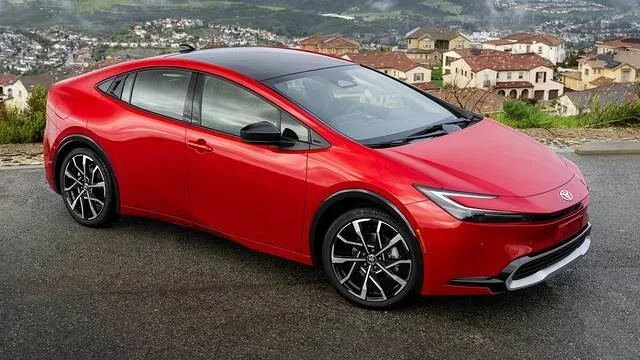
The Prius comes in several Prius trim levels, and each one holds value differently. The base Prius One tends to hold steady value because of its affordability. The Prius Two and Prius Three offer more features and attract a broader buyer pool. The top-tier Prius Prime, which plugs in for extra electric range, has shown strong retention as well. Buyers are willing to pay a premium for the Prime because of its advanced electric hybrid technology and impressive fuel savings.
| Model Year Range | Avg. 5-Year Retention | Depreciation Rate |
|---|---|---|
| 2016-2020 | 45-55% | Low |
| 2010-2015 | 35-45% | Moderate |
| 2005-2009 | 25-35% | Moderate-High |
These numbers are estimates based on market data and can vary by region and condition. Always check current used Prius prices in your area for the most accurate picture.
Factors That Affect Prius Value Retention
Many elements influence how well a Prius holds its value. Understanding these factors can help you protect your investment and make smarter buying decisions.
Reliability and Maintenance Costs
Prius reliability is the cornerstone of its value retention. Toyota built the Prius with durability in mind. The hybrid powertrain is designed to last, and many owners report few major issues even after 100,000 miles. This reliability translates into lower Prius maintenance cost over the life of the vehicle. When a used car buyer sees a well-maintained Prius, they know they are getting a vehicle that will not cost them a fortune in repairs. This confidence keeps demand strong and supports higher resale prices.
Regular maintenance also plays a huge role. Keeping up with oil changes, tire rotations, and brake inspections helps the car stay in top shape. A Prius with a full service history will always fetch a higher price than one with unknown maintenance records. Buyers of hybrid vehicle ownership models look for transparency, and providing it pays off at resale.
Market Demand and Fuel Prices
The hybrid car market is closely tied to fuel prices. When gas prices climb, demand for efficient vehicles like the Prius increases. This demand pushes used Prius prices higher. When gas prices drop, the effect is less dramatic for the Prius because its reputation for efficiency remains strong. Unlike some cars that lose appeal quickly when fuel costs fall, the Prius maintains steady interest thanks to its proven track record.
Toyota Brand Reputation
Toyota brand reputation for building durable, long-lasting vehicles cannot be overlooked. Toyota consistently ranks at the top of reliability surveys. This reputation extends to the Prius and benefits its Toyota resale rates. Buyers trust the Toyota name, and that trust shows up in the resale market. When comparing Toyota hybrid models, the Prius often leads the pack in value retention.
Prius vs Other Hybrids: Value Comparison
How does the Prius stack up against other hybrids? Let us look at a quick comparison of popular models and their hybrid vehicle depreciation rates.
| Vehicle | 5-Year Avg. Retention | Fuel Economy (Combined) | Reliability Rating |
|---|---|---|---|
| Toyota Prius | 45-55% | 50-58 mpg | Excellent |
| Toyota Camry Hybrid | 40-50% | 40-44 mpg | Excellent |
| Honda Accord Hybrid | 38-48% | 40-48 mpg | Very Good |
| Hyundai Ioniq Hybrid | 35-45% | 50-57 mpg | Good |
| Ford Escape Hybrid | 35-44% | 38-44 mpg | Good |
As you can see, the Prius leads the pack in both fuel efficiency and value retention. The Camry Hybrid is a close second, but the Prius compact size and lower price point make it more accessible to a wider audience. The Honda Accord Hybrid holds value well too, but it starts at a higher price, which means more absolute dollar loss over time. The Hyundai Ioniq offers similar efficiency but has not yet built the same long-term resale track record as the Prius.
When looking at hybrid SUV alternatives, the picture changes slightly. SUVs generally depreciate faster than compact cars. However, the Prius continues to outperform many hybrid SUVs in the value retention category. This makes it an excellent choice for buyers who want the benefits of hybrid technology without the steep depreciation curve that comes with larger vehicles.
Tips to Maximize Your Prius Resale Value
Want to get the most money back when you sell your Prius? These practical tips can help you protect your investment and boost your final sale price.
- Keep Up with Regular Maintenance: Follow the Toyota recommended service schedule. A complete service record gives buyers confidence and justifies a higher price.
- Address Issues Promptly: Do not ignore warning lights or unusual sounds. Small problems become big expenses if left unchecked, and buyers will factor that into their offer.
- Keep Mileage Reasonable: Lower mileage generally means higher resale value. If you can keep annual mileage under 10,000 miles, you will see stronger numbers at sale time.
- Maintain Clean Interior and Exterior: A well-cared-for car always sells for more. Regular washing, vacuuming, and detailing make a visible difference.
- Avoid Modifications: Aftermarket modifications can narrow your buyer pool. Stick with factory options and standard features to appeal to the widest audience.
- Time Your Sale Wisely: Sell when demand for fuel efficient cars is high. Spring and early summer are typically strong seasons for used car sales.
Quick Tip: Before selling, check current used Prius prices on local listings and national platforms. Pricing competitively based on real market data will help you sell faster and for more money.
The Long-Term Cost of Owning a Prius
One of the biggest advantages of the Prius is its low total cost of ownership. When you factor in fuel savings, maintenance costs, and strong resale value, the financial picture becomes very compelling.
The Prius cost of ownership is lower than most competitors in the compact car segment. Fuel savings alone can add up to thousands of dollars over five years of ownership. The hybrid powertrain uses less gasoline, and regenerative braking reduces wear on brake components. These small savings compound over time, making the Prius one of the most affordable cars to own in the long run.
Toyota resale rates also play a major role. Because the Prius holds its value so well, the effective cost of ownership drops even further. If you buy a Prius new and sell it after five years, the depreciation hit is much smaller than it would be for most other vehicles. Some buyers even use the Prius as a long-term commuter car and keep it for 10 years or more, spreading the cost over an extended period.
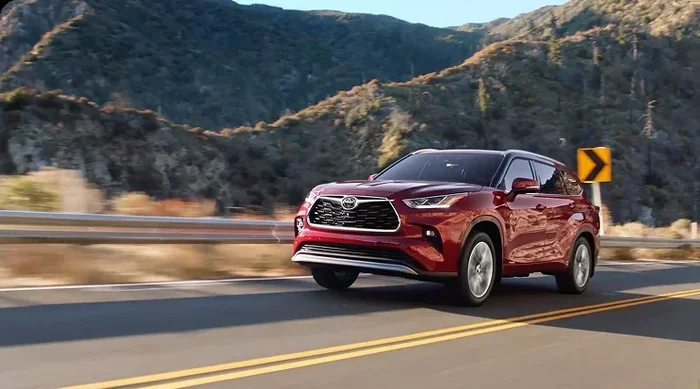
The Toyota hybrid lineup offers several options for buyers who want to explore beyond the Prius. The RAV4 Hybrid, Camry Hybrid, and Highlander Hybrid all share Toyota’s reputation for durability and value. However, the Prius remains the gold standard for hybrid vehicle depreciation resistance. Its combination of efficiency, reliability, and affordability makes it a standout choice in a crowded market.
Why Buyers Keep Coming Back to the Prius
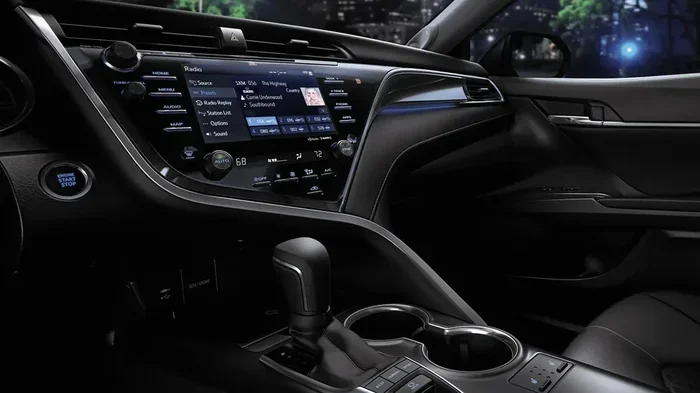
The Prius has a loyal following for good reason. It offers real-world savings, proven reliability, and a driving experience that continues to improve with each generation. Newer models feature updated hybrid vehicle technology that makes them more efficient and more refined than ever. The interior has improved significantly, with better materials and more modern tech features. Even the exterior design has evolved to appeal to a broader audience.
Buyers who purchase a Prius often become repeat customers. They experience the benefits of low fuel costs and minimal maintenance issues firsthand. When it comes time to upgrade, many return to the Toyota brand and the Prius nameplate. This loyalty reinforces the strong Toyota Prius resale value and keeps demand steady in the used car market.
Conclusion
Do Prius models hold their value? The evidence is clear and consistent. The Toyota Prius stands out as one of the best vehicles for retaining value in the hybrid car market. Its combination of exceptional fuel economy, proven reliability, and low maintenance costs creates a powerful value proposition. Whether you are buying new or shopping the used market, the Prius delivers strong vehicle retention rate numbers that few competitors can match.
Understanding hybrid vehicle depreciation and the factors that drive it puts you in a stronger position as a buyer or seller. Choose the right model year, maintain the vehicle properly, and time your sale strategically. These steps will help you maximize your return and get the most out of your Prius ownership experience. The Prius is not just a car. It is a smart financial decision that pays dividends for years to come.
If you are considering a Prius or thinking about selling one, remember that this vehicle has earned its reputation through decades of consistent performance. Trust the data, trust the brand, and trust the numbers. Do Prius models hold their value better than almost anything else on the road. The answer is a resounding yes.
Frequently Asked Questions
What is the average Prius depreciation rate over five years?
On average, a Prius depreciates about 40% to 50% over five years. This is significantly better than the industry average of 50% to 60% for most vehicles. The exact rate depends on the model year, trim level, mileage, and overall condition of the car.
Which Prius model year holds the most value?
The 2016 through 2020 Prius models hold the most value. These years offer updated technology, improved fuel economy, and strong reliability ratings. Buyers in the used market consistently seek out these model years, which keeps used Prius prices higher than older generations.
Does the Prius Prime hold its value better than the standard Prius?
The Prius Prime generally holds value slightly better than the standard Prius. Its plug-in capability and higher electric-only range make it more appealing to buyers who want advanced electric hybrid technology. However, availability and regional demand can also influence resale numbers.
How does Prius maintenance cost compare to other hybrids?
Prius maintenance costs are among the lowest in the hybrid segment. Toyota’s proven hybrid powertrain requires fewer repairs than many competitors. Lower Prius maintenance cost is one of the key reasons why these vehicles retain value so well in the resale market.
Are used Prius models a good buy in 2024 and beyond?
Yes, used Prius models remain an excellent buy. They offer strong fuel economy, proven reliability, and affordable pricing. With Toyota Prius resale value holding up well, buyers get a car that will continue to perform and retain value for years to come.
What can I do to improve my Prius resale value?
Keep up with regular maintenance, address issues quickly, and maintain a clean interior and exterior. Lower mileage and a complete service history make the biggest difference. These steps directly improve Prius value retention when it comes time to sell or trade in your vehicle.